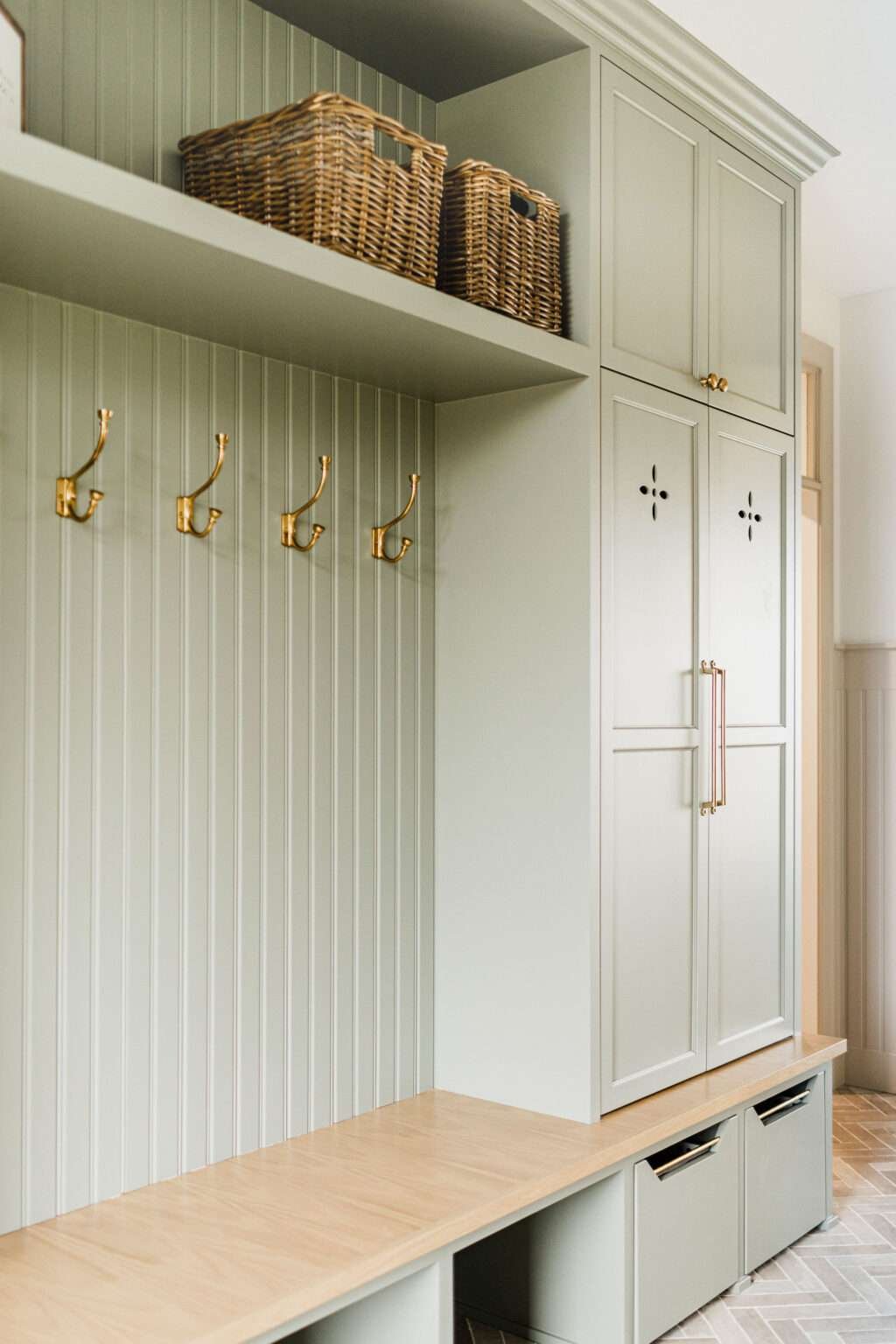
A well-organized mudroom can make your everyday routine so much easier. Instead of stepping over shoes, searching for keys, or dealing with coats piled near the door, imagine walking into a beautiful entryway where everything has its own place. Even a small corner can become a practical drop zone with the right combination of storage, seating, and thoughtful decorating.
These 16 clever mudroom ideas will help you maximize your entryway space while keeping it warm and welcoming. From built-in benches and sage green cabinets to shiplap walls, hidden storage, colorful paint, and family-friendly organization, you’ll find practical inspiration for spacious mudrooms, narrow hallways, and small homes without a dedicated entryway.
Affiliate disclosure: As an Amazon Associate, I earn from qualifying purchases. This article contains affiliate links, which may earn us a commission at no extra cost to you.
More ideas to explore:
13 Best Tiny Hallway Ideas – Explore slim benches, vertical storage, wall hooks, and easy ways to make a small entrance feel open.
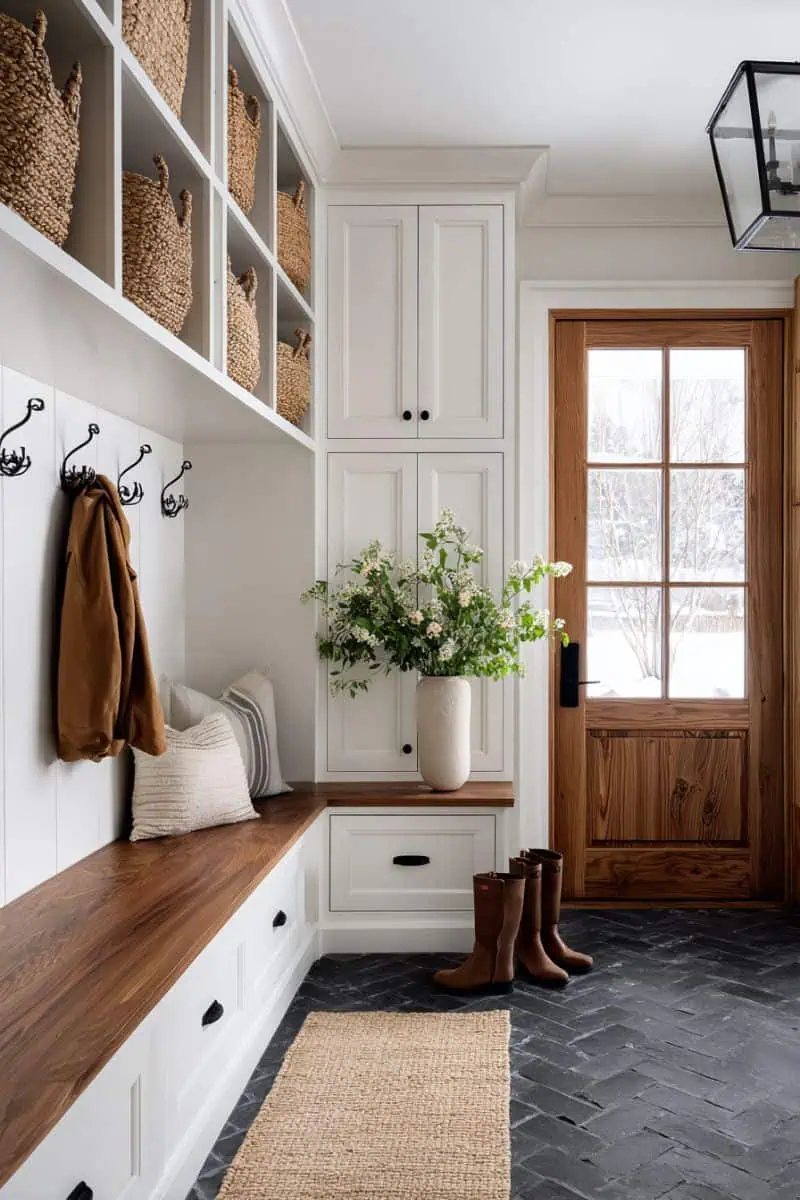
Combine Crisp White Cabinets With a Warm Wooden Bench
Create a Calm Mudroom With Soft Taupe Storage
Make a Statement With Olive Green Cabinets and Checkered Floors
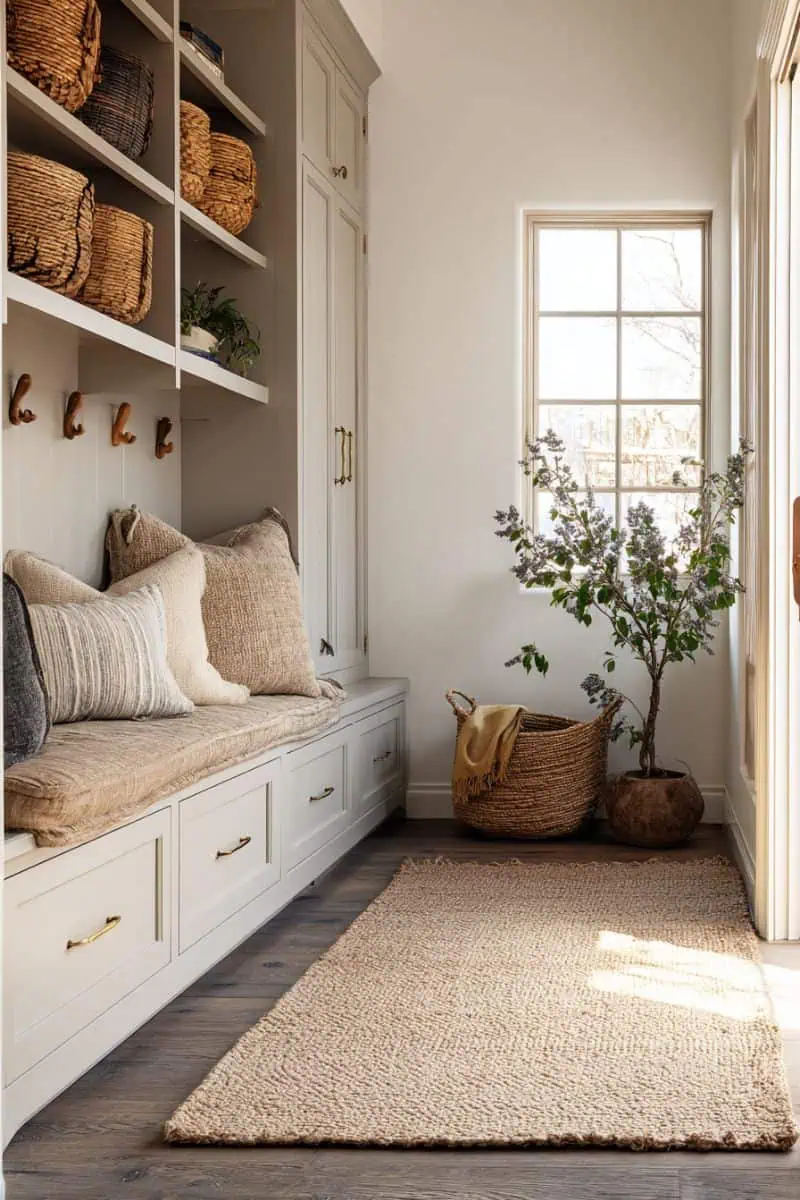
Design a Sunlit Neutral Mudroom With a Cushioned Bench
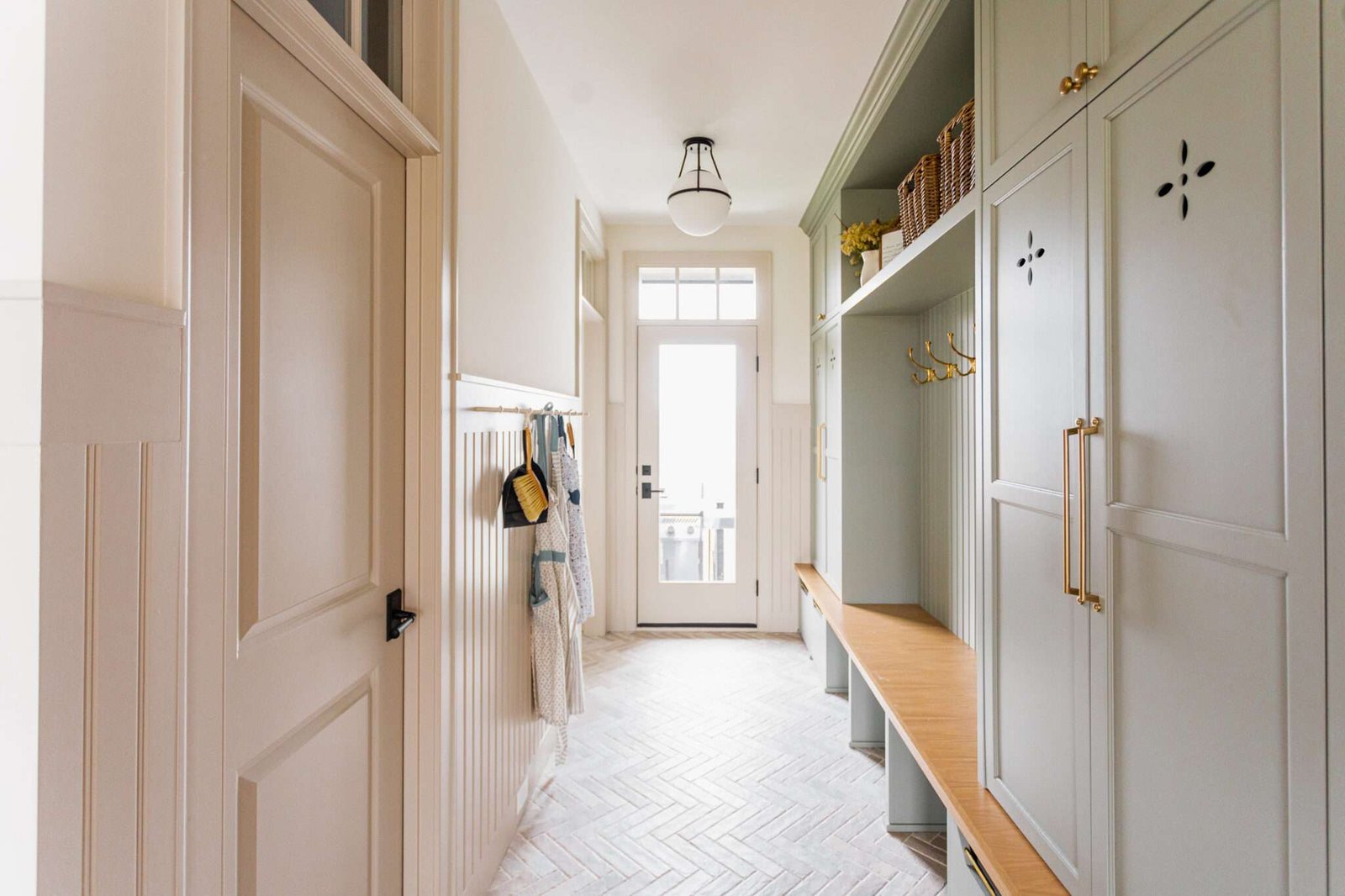
Use Sage Green Cabinets in a Long, Narrow Mudroom
Layer Woven Baskets, Pillows, and Natural Wood Textures
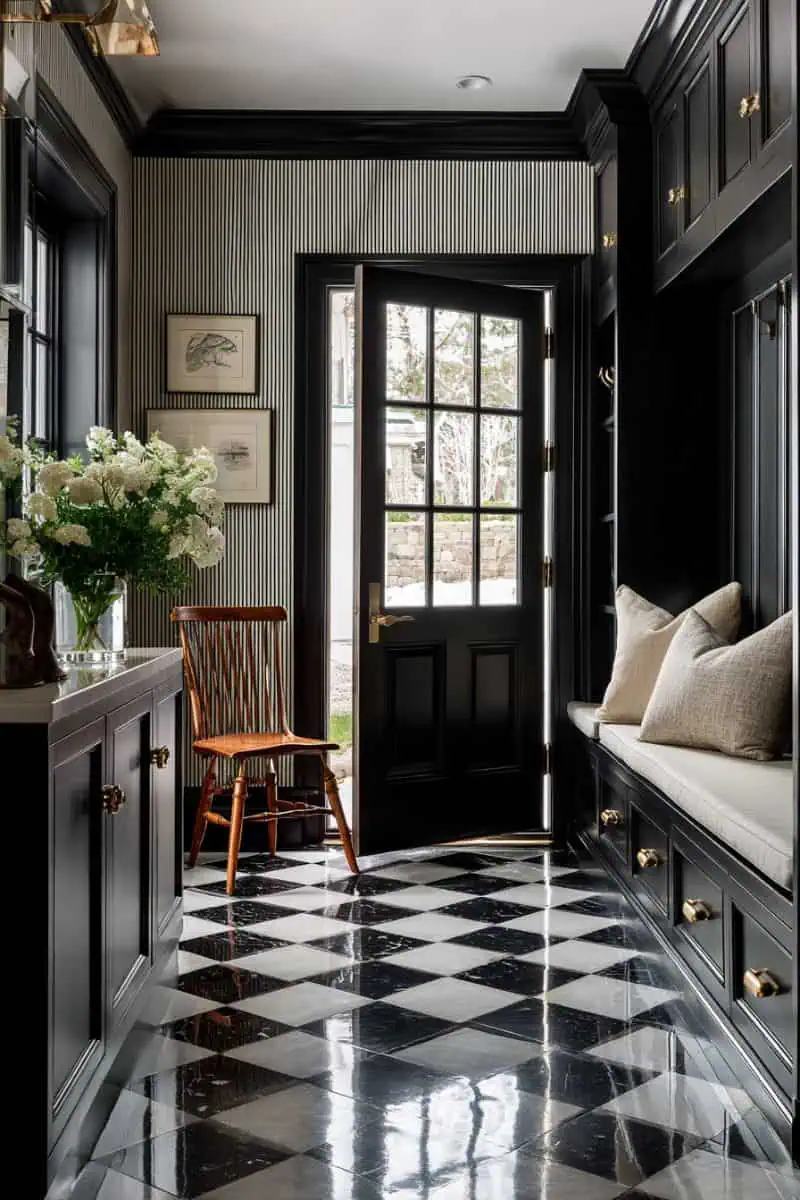
Go Bold With Black Built-Ins and Brass Hardware
Keep It Bright With White Cabinets and Wooden Accents
Hide Mudroom Storage Behind Shiplap Cabinet Doors
Work Around Original Windows With Custom-Fit Storage
Brighten the Entryway With Sunny Yellow Cabinets
Add Character With Reclaimed-Style Stone Flooring
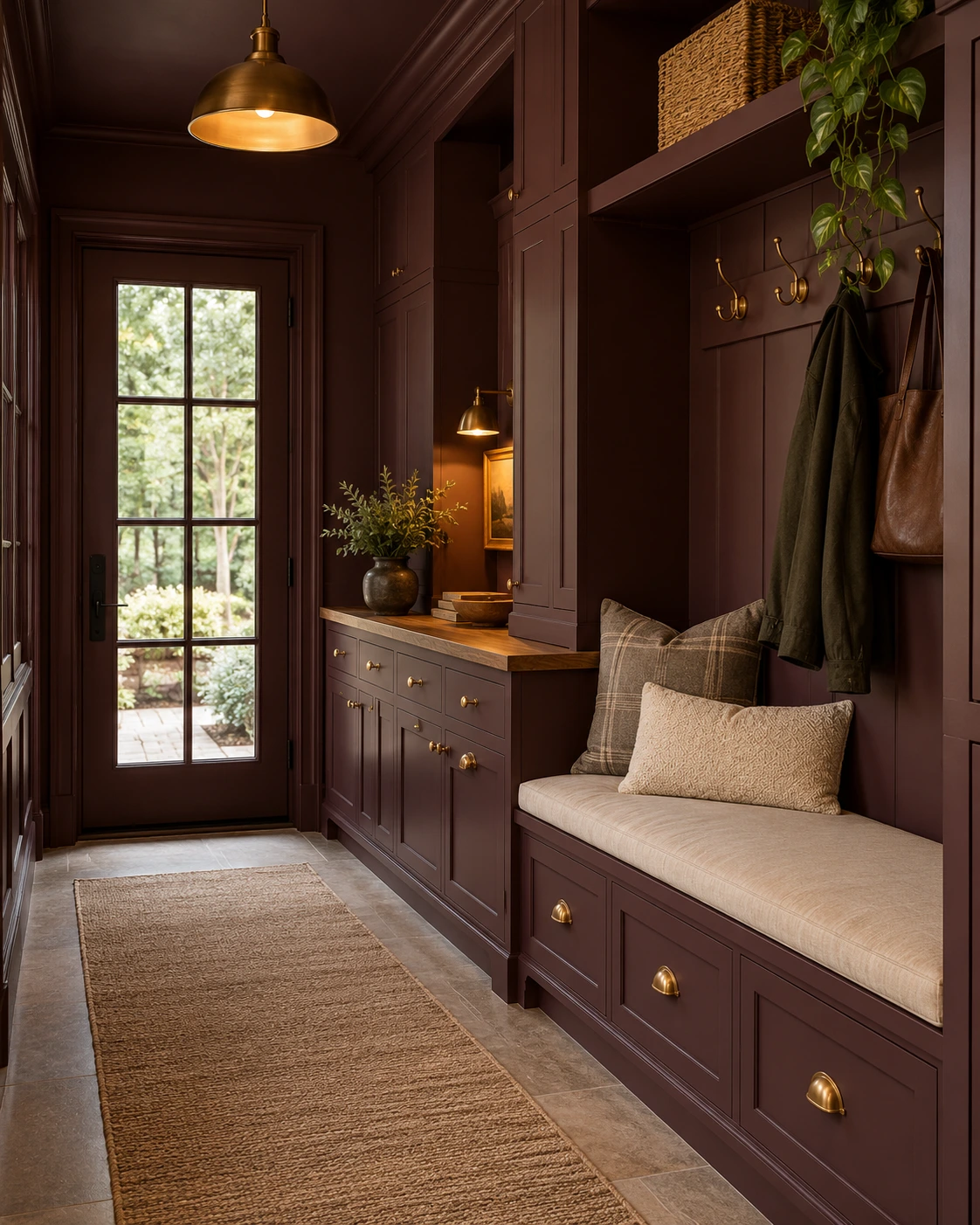
Try a Dramatic Color-Drenched Mudroom
Mix Patterns and Colors for a Personality-Filled Entryway
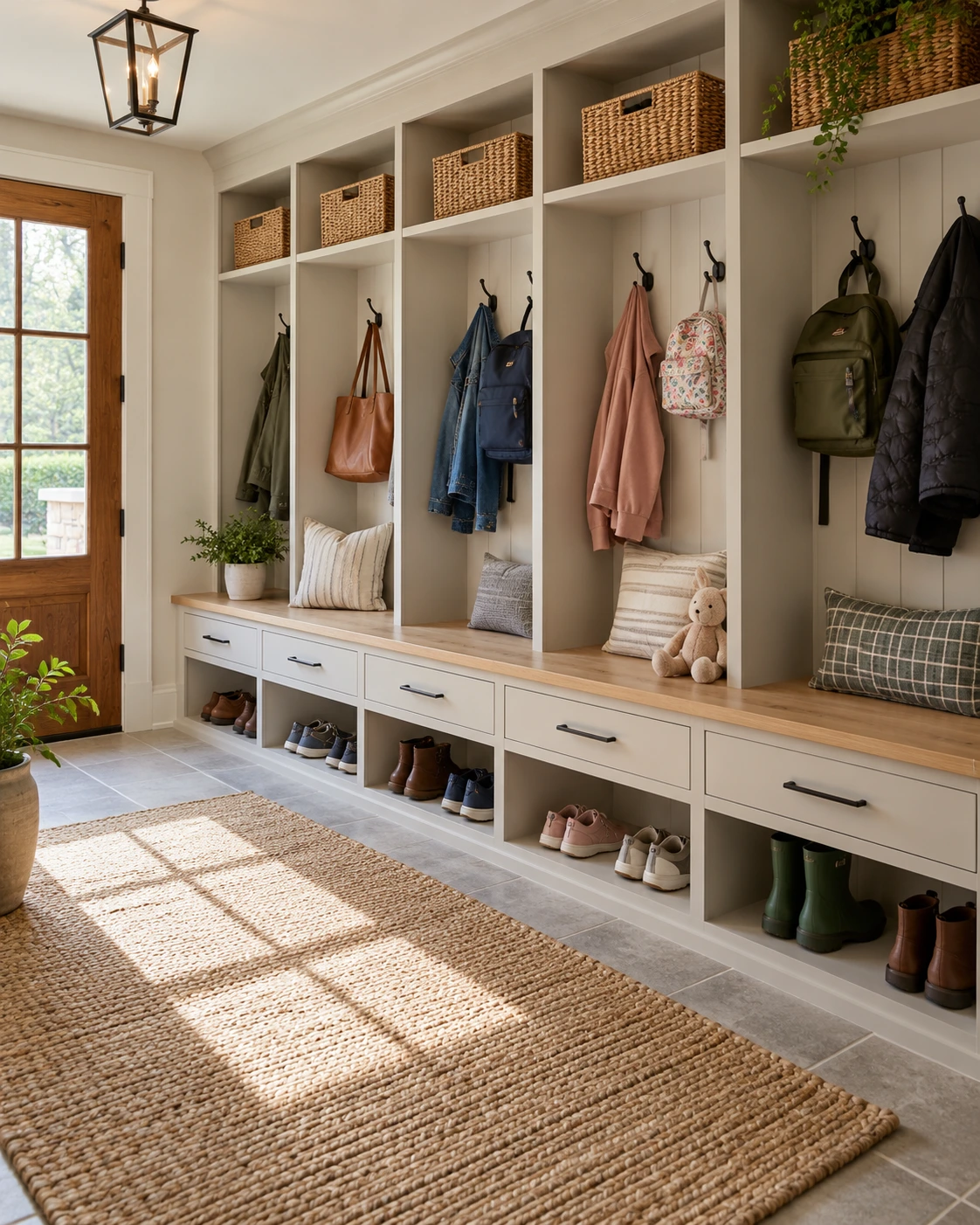
Give Every Family Member a Dedicated Storage Zone
Combine Hooks, Drawers, Shelves, and Baskets for Maximum Storage
How to Plan a Mudroom That Makes the Most of Your Space
The best mudroom layout starts with understanding what your family actually needs to store. Shoes, school bags, coats, umbrellas, dog leashes, and seasonal accessories can quickly overwhelm a small entryway when they don’t have designated places.
Begin by measuring the width and length of your entrance, noting where doors swing and how people move through the space. Decide whether you need a bench for putting on shoes, a row of hooks for everyday coats, or closed cabinetry to hide less attractive items.
In a narrow mudroom, shallow storage along one wall is often more practical than cabinets on both sides. In a larger entryway, a built-in bench with upper shelves, drawers, and tall cabinets can provide a more complete organization system.
Simple Mudroom Organization Formula
Easy-to-Reach Hooks + Comfortable Shoe Storage + One Seating Area + Closed Storage for Clutter + Durable Flooring + Clear Walking Space
For example, a small entryway can work beautifully with a 36-inch bench, a short row of wall hooks, and two shoe baskets underneath, provided the measurements suit your space.
Mudroom Layout and Storage Planning Guide
Mudroom Layout
Best Storage Features
Space-Saving Tip
Small Entryway
Wall hooks, shoe baskets, slim bench
Keep furniture shallow and use vertical wall space
Use matching finishes for a coordinated appearance
Large Dedicated Mudroom
Tall cabinets, drawers, cubbies, long bench
Combine hidden storage with a practical drop zone
16 Clever Mudroom Ideas to Maximize Your Entryway Space
1. Combine Crisp White Cabinets With a Warm Wooden Bench
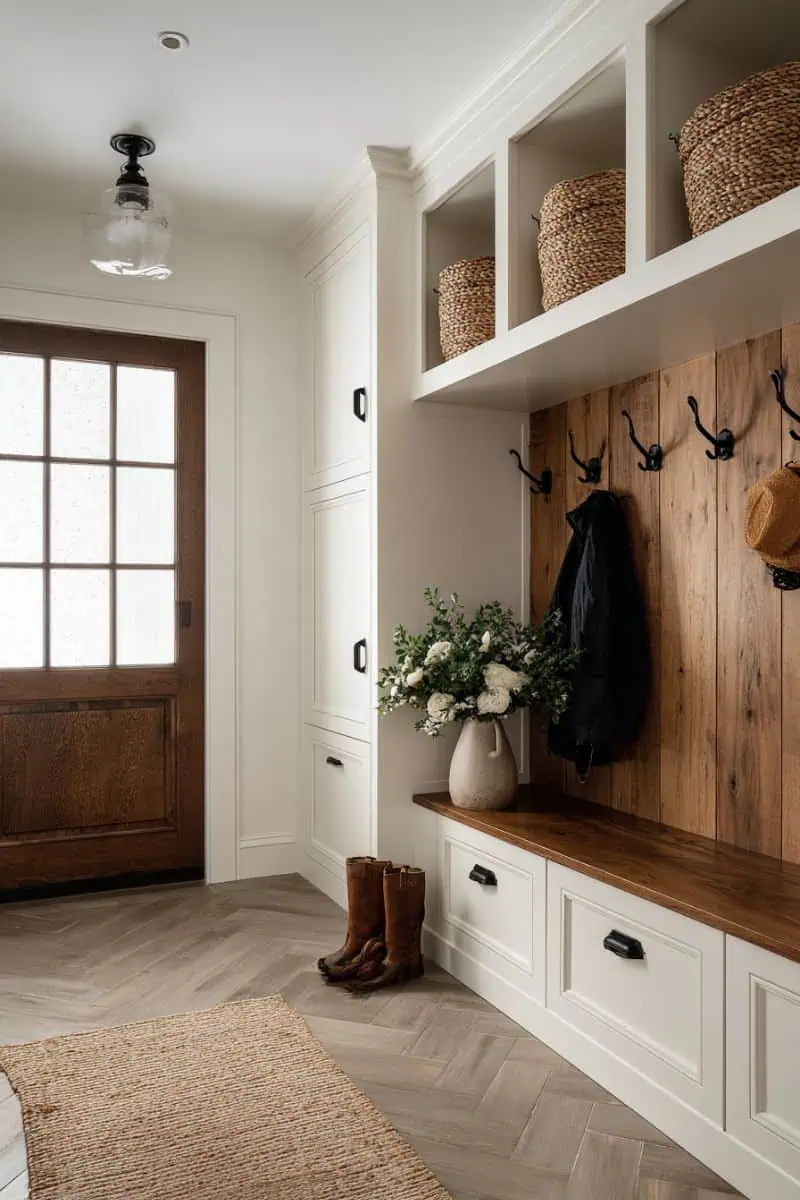
White cabinets and natural wood are a beautiful combination for a timeless mudroom. The bright cabinetry keeps the entryway looking clean, while a warm wooden bench creates a welcoming place to sit and remove shoes. This look works especially well in modern farmhouse homes and traditional entryways.
Install white shaker-style cabinets on either side of a wooden bench, leaving room for hooks on the back wall. Add black coat hooks and small cabinet handles to create contrast. A shiplap-style back panel can bring subtle texture, while woven baskets above the cabinets or beneath the bench provide extra storage for seasonal accessories.
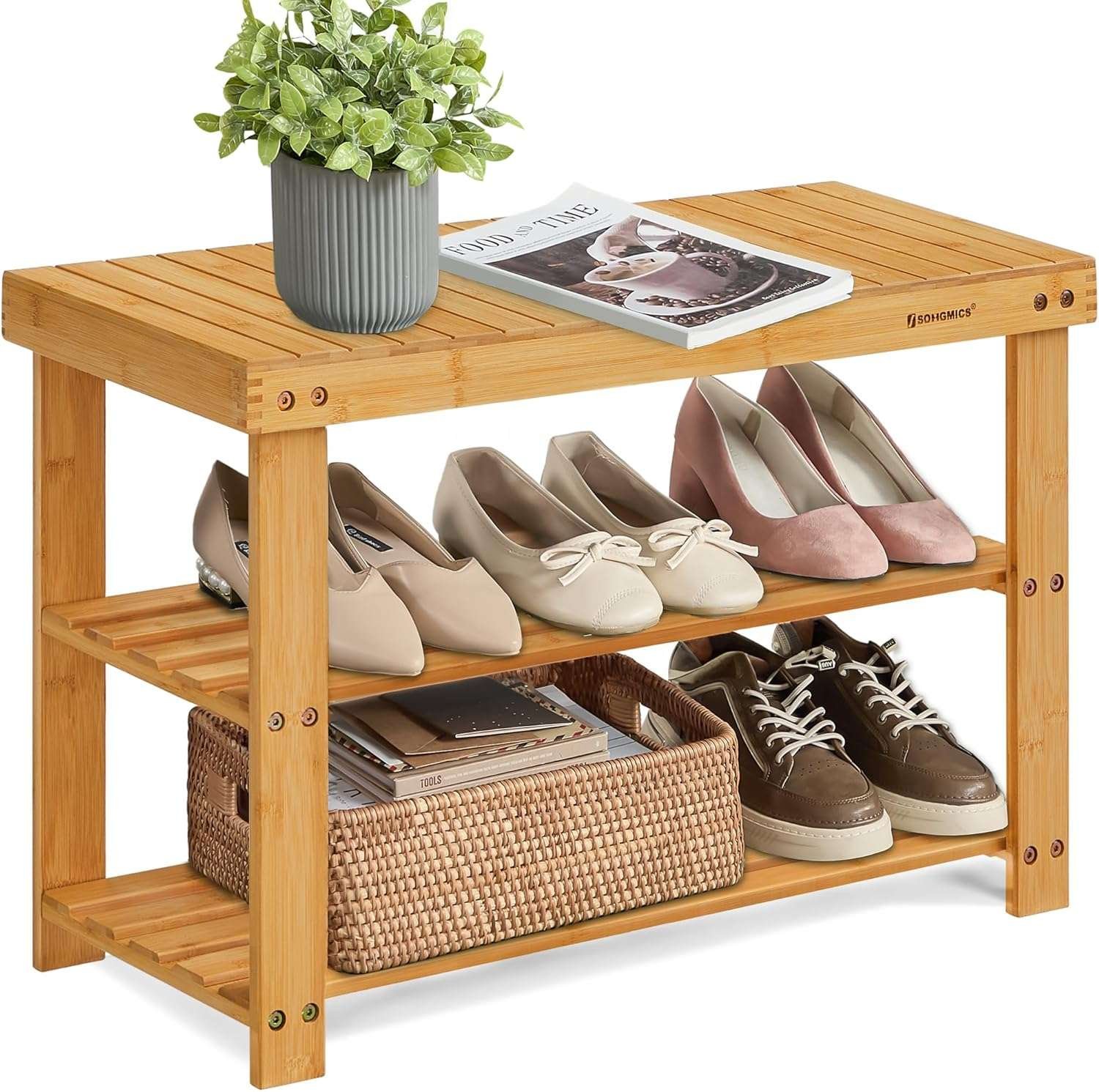
Budget tip: Skip custom cabinetry and recreate the look with a freestanding wooden bench, white storage cubbies, and a sturdy wall-mounted hook rail. Anchor furniture and install hooks according to their load requirements.
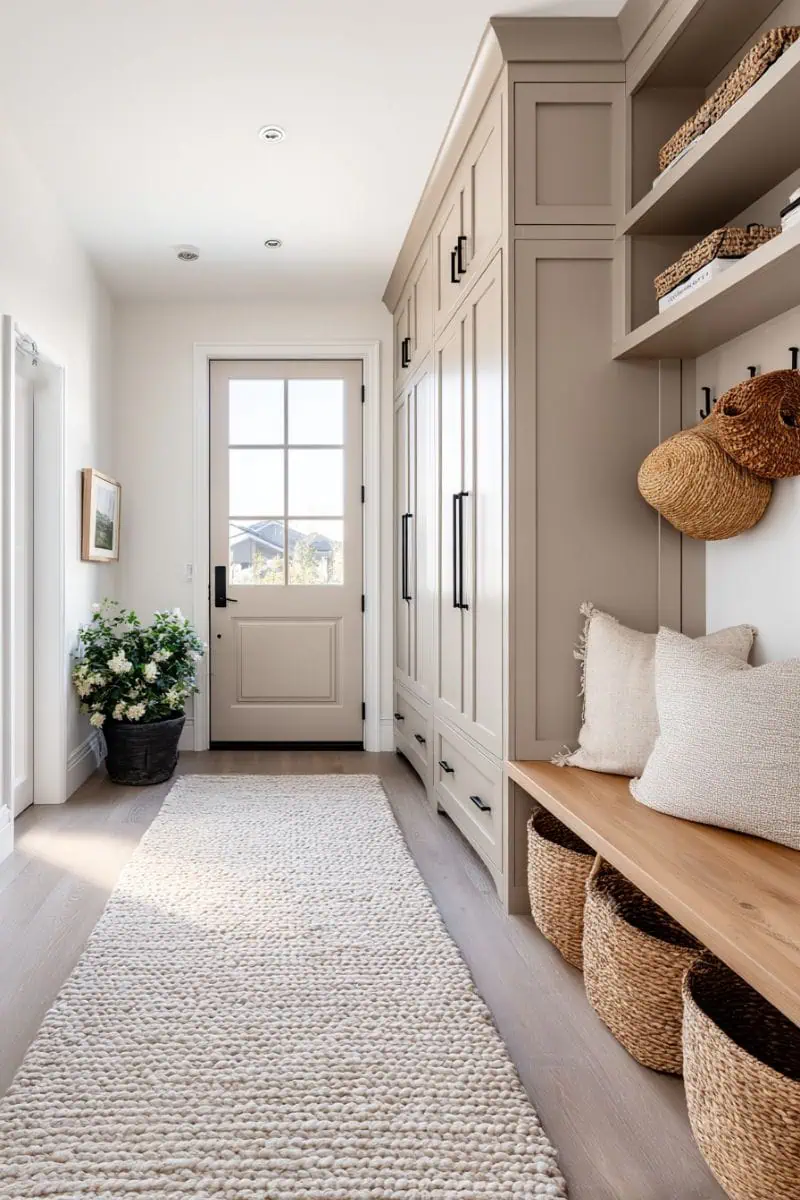
Soft taupe cabinetry creates a calming entryway that feels more relaxed than bright white but still looks light and welcoming. The neutral color pairs beautifully with natural wood floors, woven baskets, and soft fabrics, making the mudroom feel connected to the rest of a cozy home.
Choose taupe or warm greige cabinets with simple fronts and black handles. Use a built-in bench or compact freestanding seat between taller storage sections. Place woven baskets beneath the bench for shoes and gloves, then add one or two neutral pillows for comfort. A washable flatweave runner can finish the area without adding excessive bulk.
Styling tip: Keep the main palette limited to taupe, cream, natural wood, and a small amount of black. This helps the mudroom feel organized even when coats and bags are hanging in plain sight.
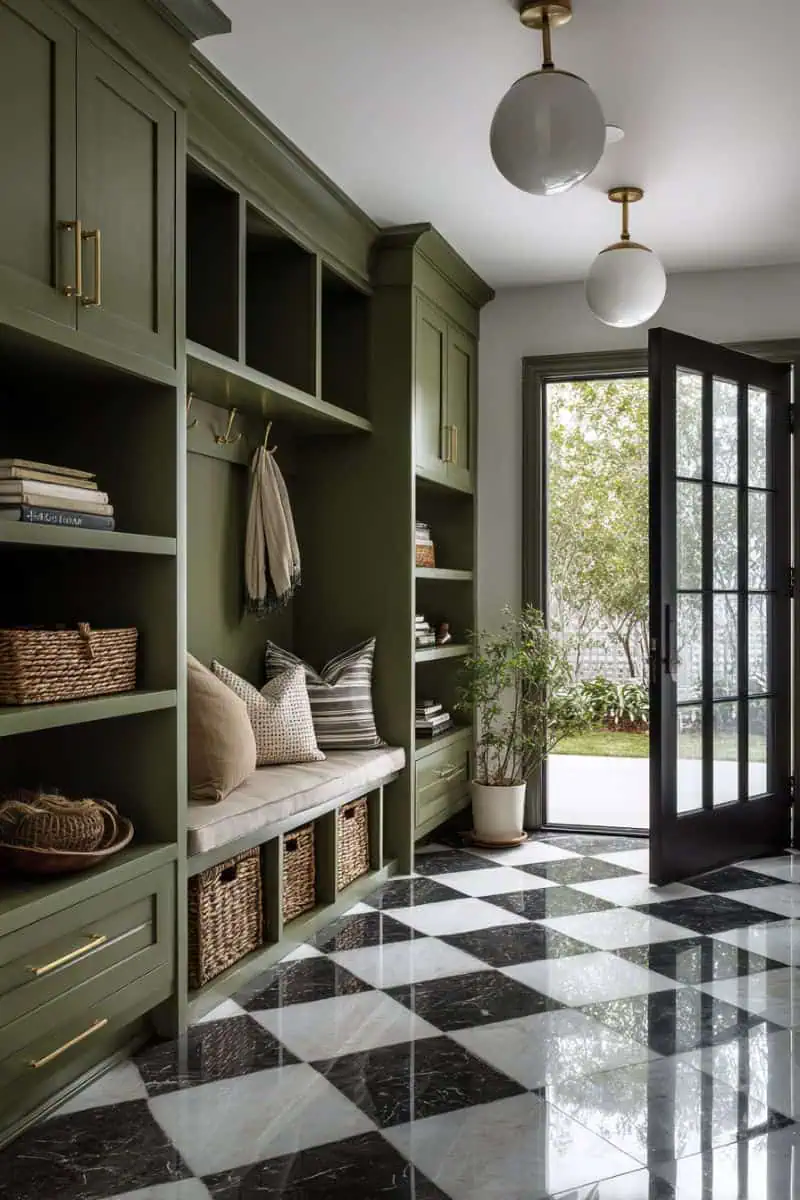
3. Make a Statement With Olive Green Cabinets and Checkered Floors
Deep olive green cabinetry adds character to a mudroom, especially when paired with classic black-and-white checkered flooring. The contrast creates a dramatic, vintage-inspired atmosphere while still allowing the entryway to function as a hardworking space for everyday storage.
Choose olive or moss green built-ins with brass hooks and coordinating handles. Add a wooden bench seat between the cabinets and use woven baskets for smaller belongings. A black-and-white checkerboard floor can become the main decorative feature, so keep the wall accessories restrained. Warm pendant lighting or a simple globe fixture can soften the darker cabinetry.
Practical tip: For a renovation, choose flooring designed for entryway traffic, moisture, and slip resistance. If you’re considering removable floor tiles, confirm that the material is suitable for the existing surface and local conditions.
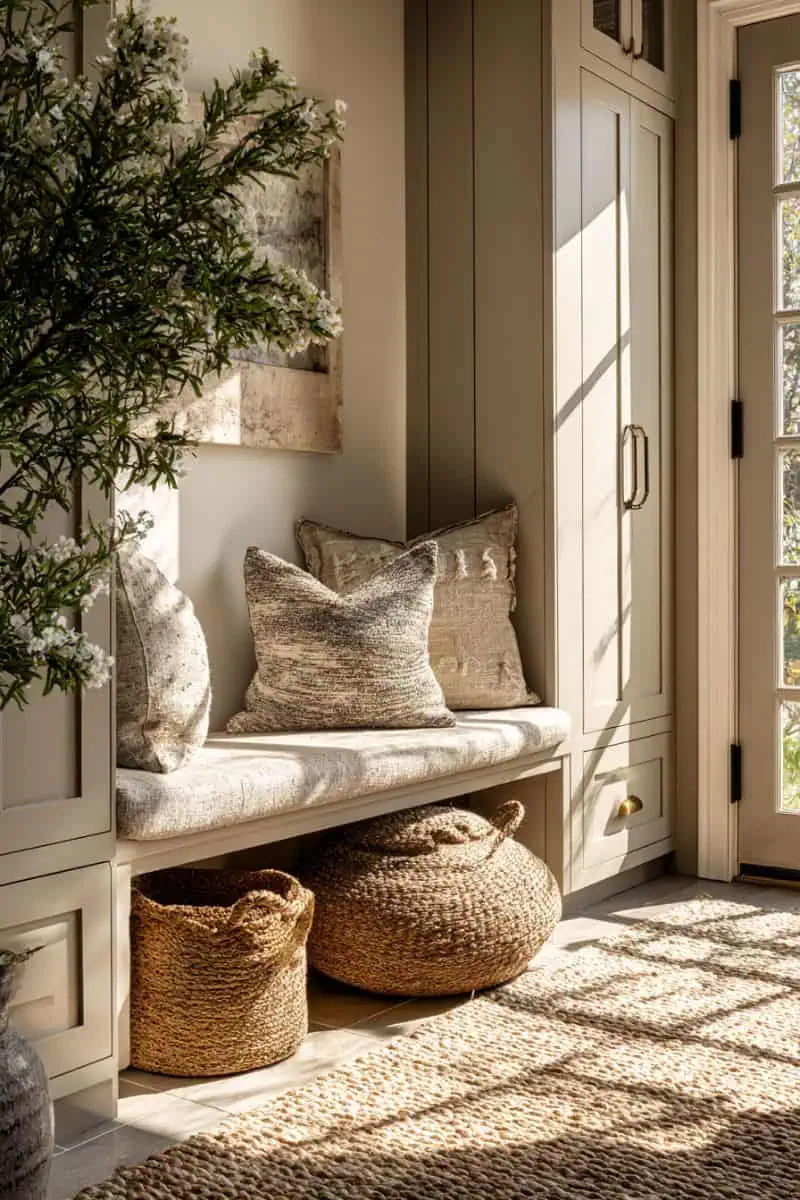
4. Design a Sunlit Neutral Mudroom With a Cushioned Bench
A small mudroom can feel cozy and welcoming when you use soft fabrics and natural light. Instead of relying on tall cabinetry, a simple cushioned bench creates a comfortable place to put on shoes while leaving the walls feeling open and airy.
Place a low bench along a suitable wall near a window, then add a fitted cushion in cream or oatmeal fabric. Arrange two small textured pillows at one end and place woven baskets underneath to hold shoes, hats, or reusable shopping bags. Use light curtains that provide privacy without blocking too much daylight.
Small-space tip: Choose a bench with a washable cushion cover and enough clearance underneath for practical baskets. Make sure furniture doesn’t block required window access or nearby doorways.
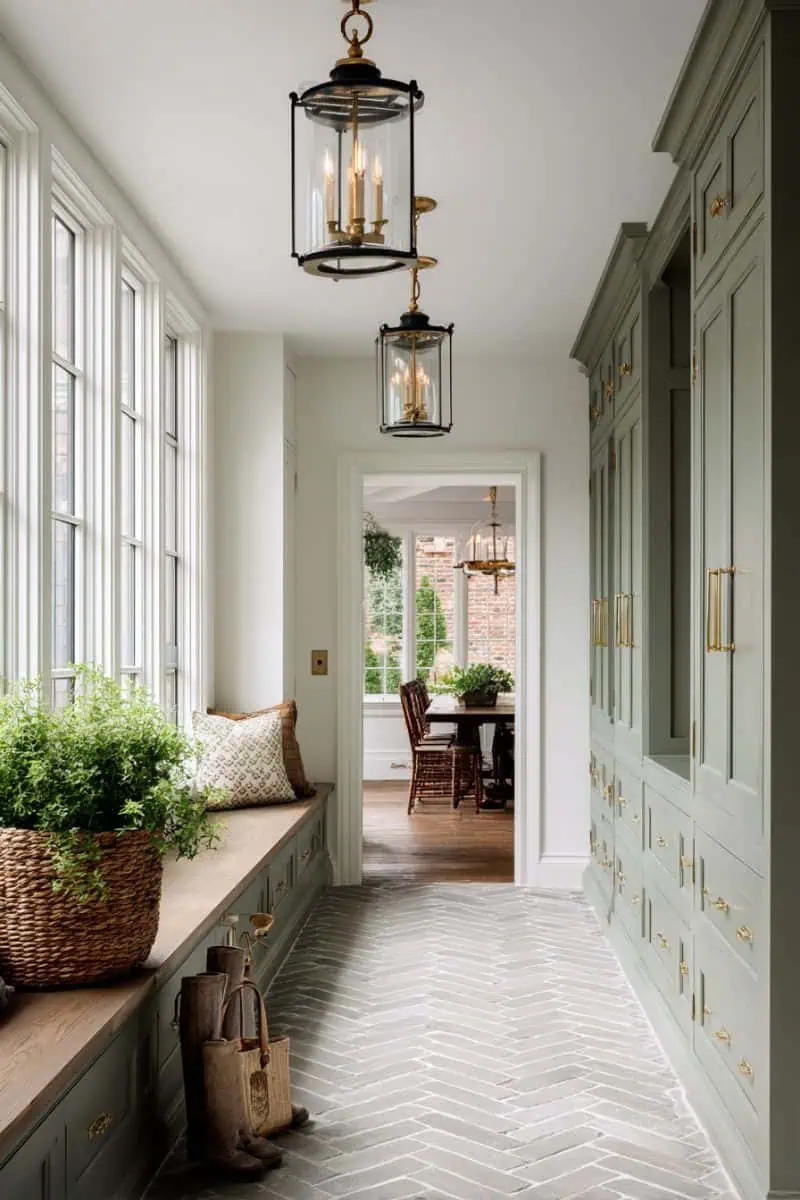
5. Use Sage Green Cabinets in a Long, Narrow Mudroom
Sage green cabinets are a beautiful choice for a long, narrow mudroom because the soft color introduces personality without making the space feel too dark. When paired with natural light, warm brick-look flooring, and brass hardware, the result has a charming cottage-inspired appearance.
Arrange shallow cabinets along one wall rather than installing deep storage on both sides. Use a muted sage finish and simple brass handles for a coordinated look. If the space has several windows, keep tall cabinetry away from them and position low storage beneath suitable sections of wall. A herringbone brick-look floor can add traditional texture, while lantern-inspired lighting creates a welcoming finish.
Layout tip: Measure the clear walkway with cabinet doors and drawers open. In narrow spaces, sliding cabinet fronts or open cubbies may be more convenient than deep hinged doors.
6. Layer Woven Baskets, Pillows, and Natural Wood Textures
A mudroom can look cozy without losing its practical purpose. Layering natural woven baskets, wooden hooks, soft pillows, and neutral fabrics creates a warm, collected appearance that works especially well in farmhouse and modern organic homes.
Start with a neutral storage bench and add a thick washable cushion. Place a few woven baskets on the shelves above or below the seating area, assigning one basket to gloves, another to hats, and another to small accessories. Choose wood or dark metal hooks for coats and bags, then add one simple vase with branches on a nearby shelf if space allows.
Organization tip: Use similar baskets in different sizes rather than buying many unrelated containers. A consistent material and color palette helps open storage appear tidier.
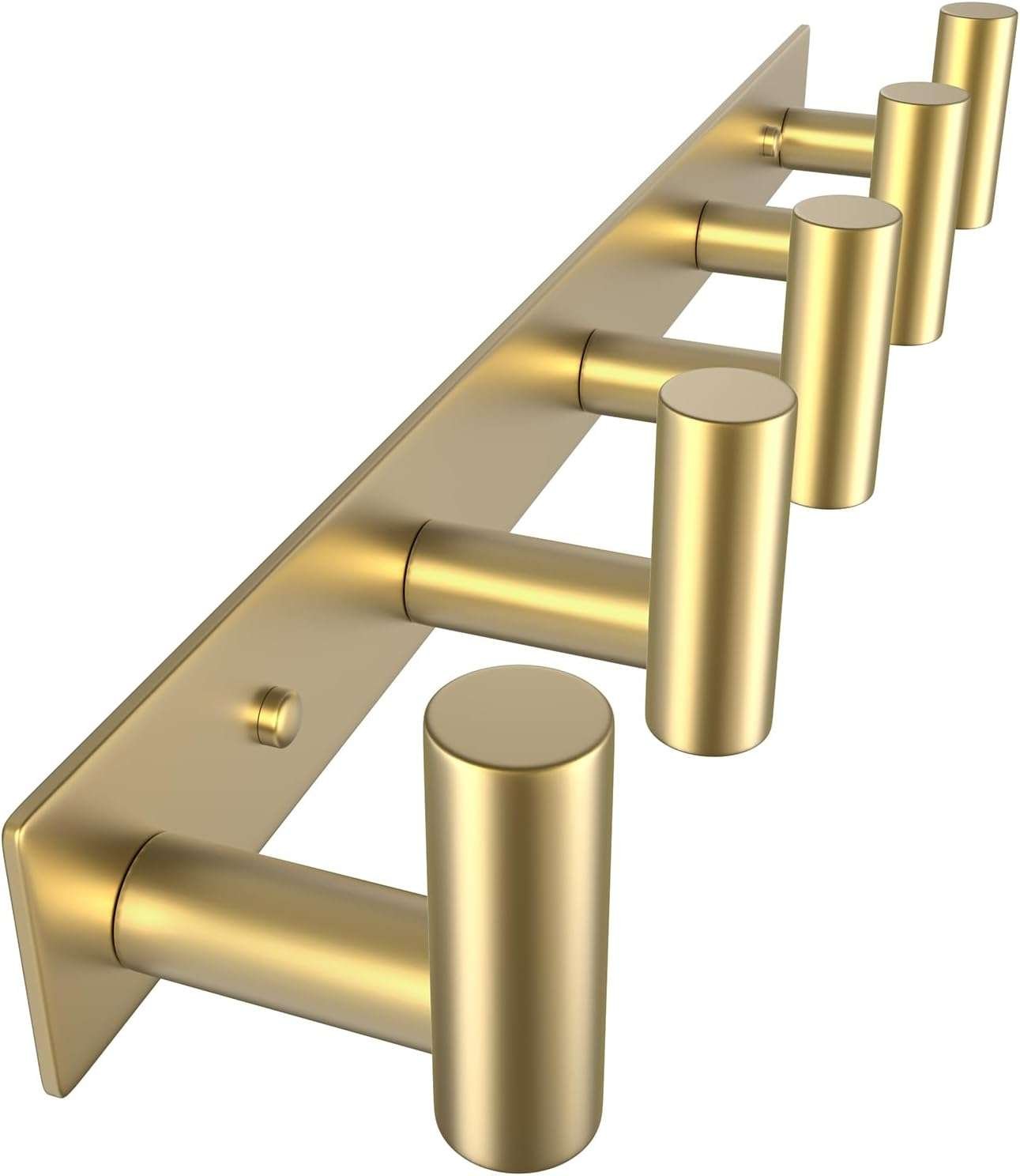
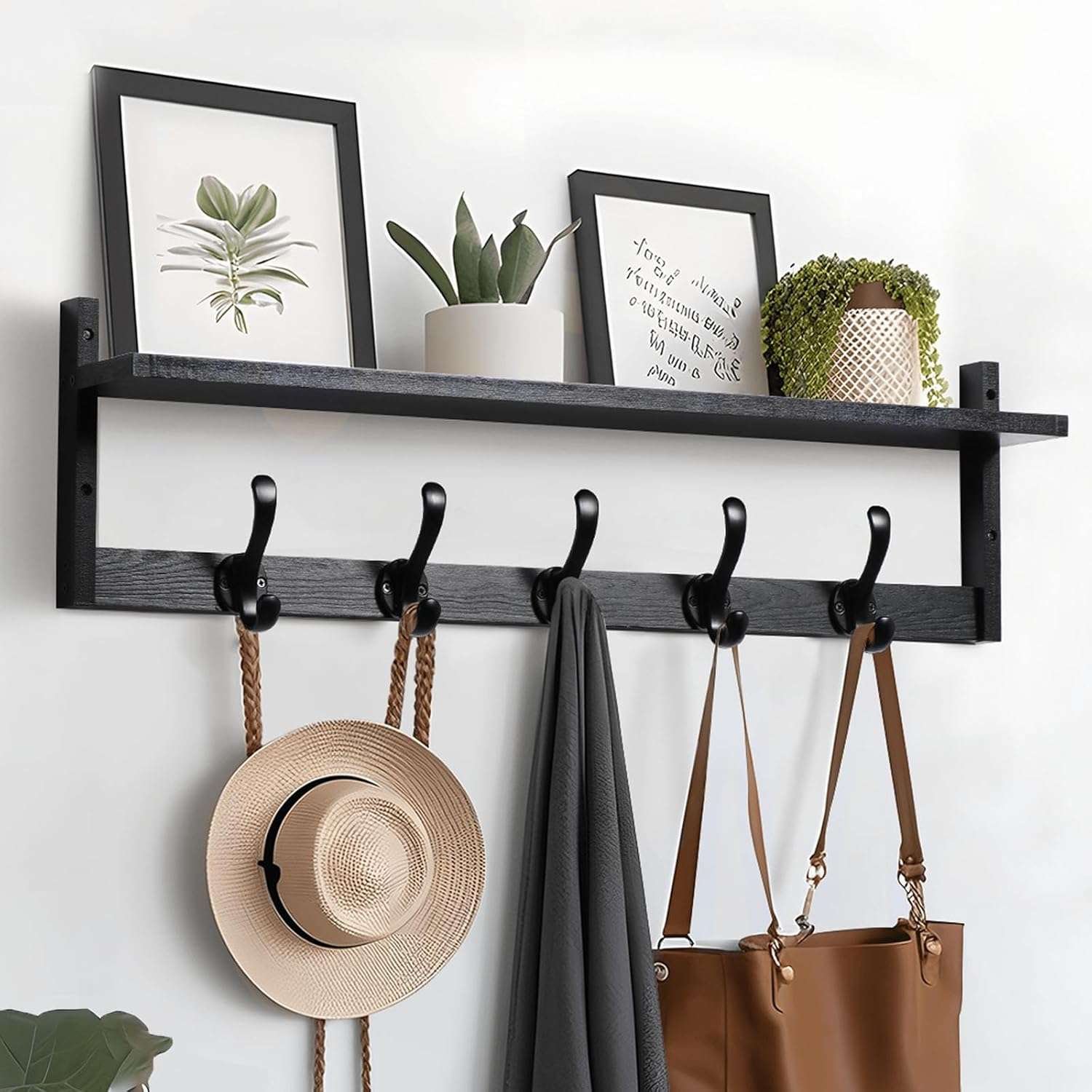
Strong wall hooks provide easy-to-reach storage for everyday coats, bags, and hats. Choose hooks with appropriate load ratings and installation hardware.
7. Go Bold With Black Built-Ins and Brass Hardware
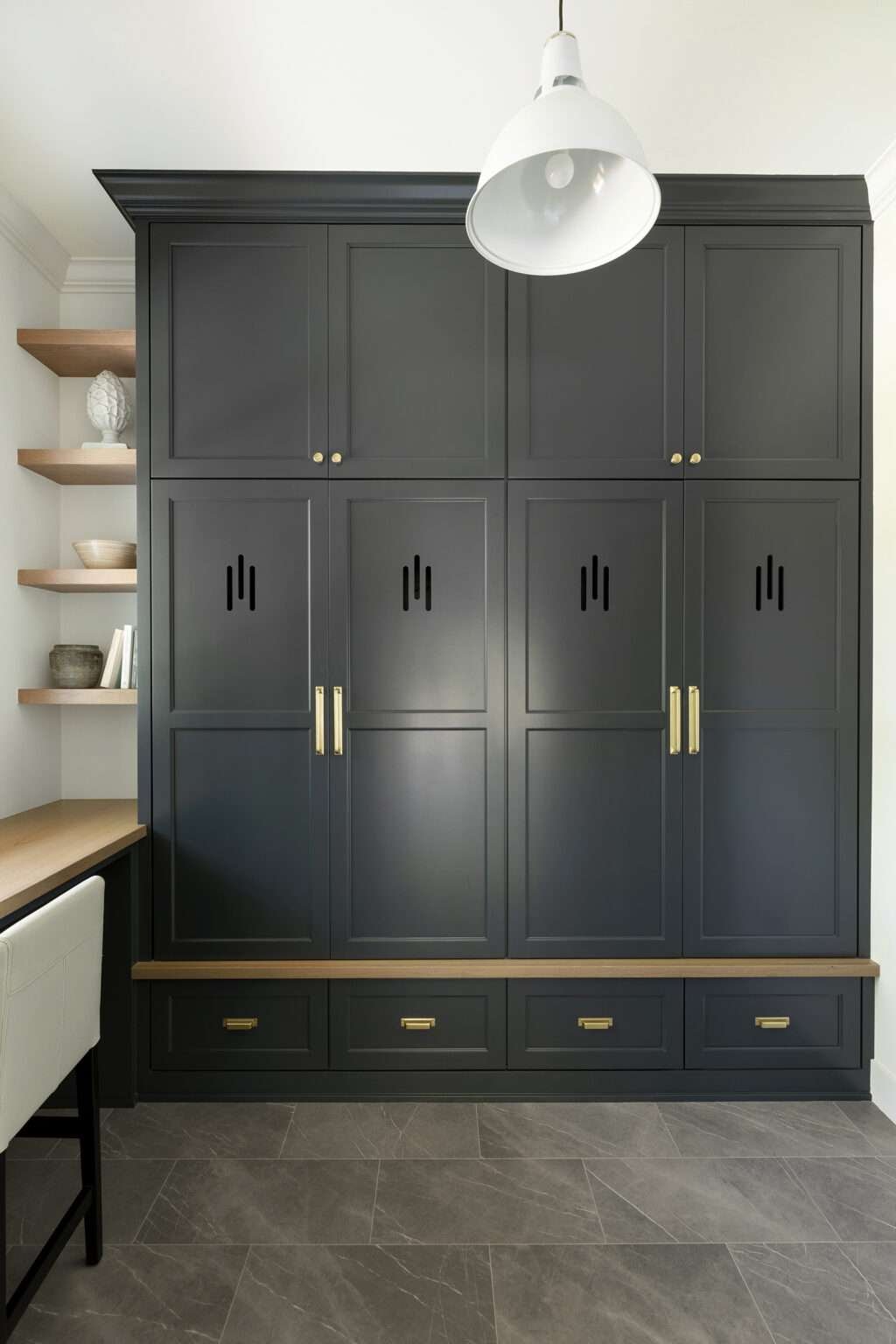
Black mudroom cabinets can create an elegant, tailored entryway that looks both practical and dramatic. The dark color works particularly well with brass hardware, checkered floors, and lighter upholstery, giving the mudroom a strong visual identity without requiring lots of decorative accessories.
Choose black or deep charcoal built-in cabinetry with a long bench seat. Add brushed brass hooks and drawer pulls, then soften the arrangement with cream cushions or a small striped pillow. A black-and-white floor introduces classic contrast, while subtle striped wallpaper on an adjacent wall can add a little extra character.
Budget alternative: Instead of replacing existing cabinets, consider refinishing compatible cabinet fronts with a suitable durable paint system. Test the finish first and keep door hinges and handles functioning properly.
8. Keep It Bright With White Cabinets and Wooden Accents
An all-white mudroom becomes much more inviting when you introduce a few wooden details. A rich wooden bench seat, natural wood door, or darker herringbone-style floor adds enough contrast to make the white cabinetry feel intentional rather than plain.
Install white storage cabinets with simple doors and a long wooden bench across the lower section. Add black hooks above the seat and arrange matching baskets in the upper cubbies. If the room has a large window, keep the surrounding wall light to maximize natural brightness. Choose a few practical accessories instead of filling the shelves with decoration.
Styling tip: Repeat the same wood tone in two or three places, such as the bench, door trim, and a small shelf. This creates a cohesive look without needing additional colors.
Shiplap-style wall paneling can make a mudroom feel bright and cohesive, especially when the cabinet fronts are finished to match the surrounding walls. Instead of seeing several separate storage units, the eye reads one continuous surface, helping a busy entryway appear calmer.
Choose a warm white or soft cream shiplap-inspired wall treatment and coordinate nearby cabinet doors in the same color. Incorporate concealed storage behind cabinet fronts for coats, cleaning accessories, or extra shoes. Use small matching handles to maintain the streamlined appearance. A simple wooden seat or dark floor mat can add contrast to the light background.
Budget tip: If full wall paneling isn’t practical, use a small section of painted vertical or horizontal trim behind a freestanding bench. Keep required ventilation, outlets, and utility access unobstructed.
10. Work Around Original Windows With Custom-Fit Storage
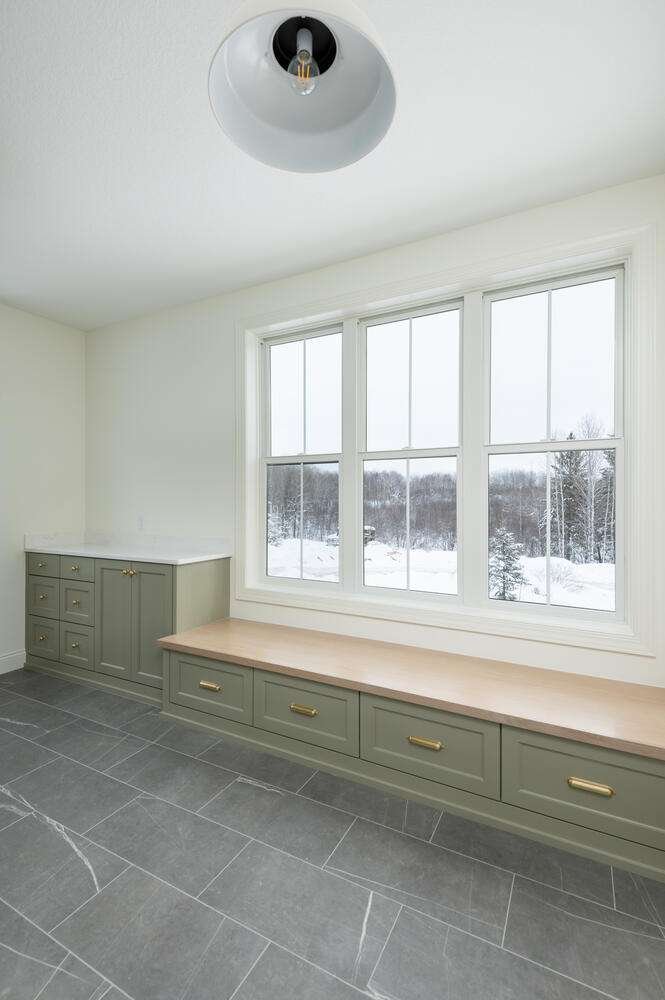
A mudroom with an existing window doesn’t need to sacrifice natural light for storage. Thoughtfully placed cabinetry can frame the window, preserve the room’s architectural character, and provide a functional place for shoes and coats without making the entrance feel enclosed.
Place tall cabinets on the solid wall sections beside the window and add a low bench underneath only where it is safe and practical. A rich mahogany-look shelf or paneled ceiling can introduce character in an older home. Choose storage dimensions that keep the window accessible and allow the room to remain bright.
Planning tip: Preserve required emergency escape openings and window operation. Avoid attaching furniture in ways that damage original woodwork, and consult a qualified professional when installing permanent cabinets around historic features.
11. Brighten the Entryway With Sunny Yellow Cabinets
A cheerful yellow mudroom brings personality to a space that’s usually treated as purely functional. Soft golden yellow works particularly well with traditional wall paneling, warm wooden floors, and crisp white textiles, creating an inviting entrance that feels full of character.
Paint one wall or a set of cabinet fronts in a warm butter-yellow shade. Add simple white curtains to conceal open storage or soften nearby windows where appropriate. Keep the floor and furniture relatively neutral, allowing the cabinetry to provide the main color. Black or aged brass hooks can add contrast without introducing another bright shade.
Small-space tip: If yellow cabinetry feels too bold, paint only the back panel behind the coat hooks. This adds a cheerful focal point without repainting the entire mudroom.
12. Add Character With Reclaimed-Style Stone Flooring
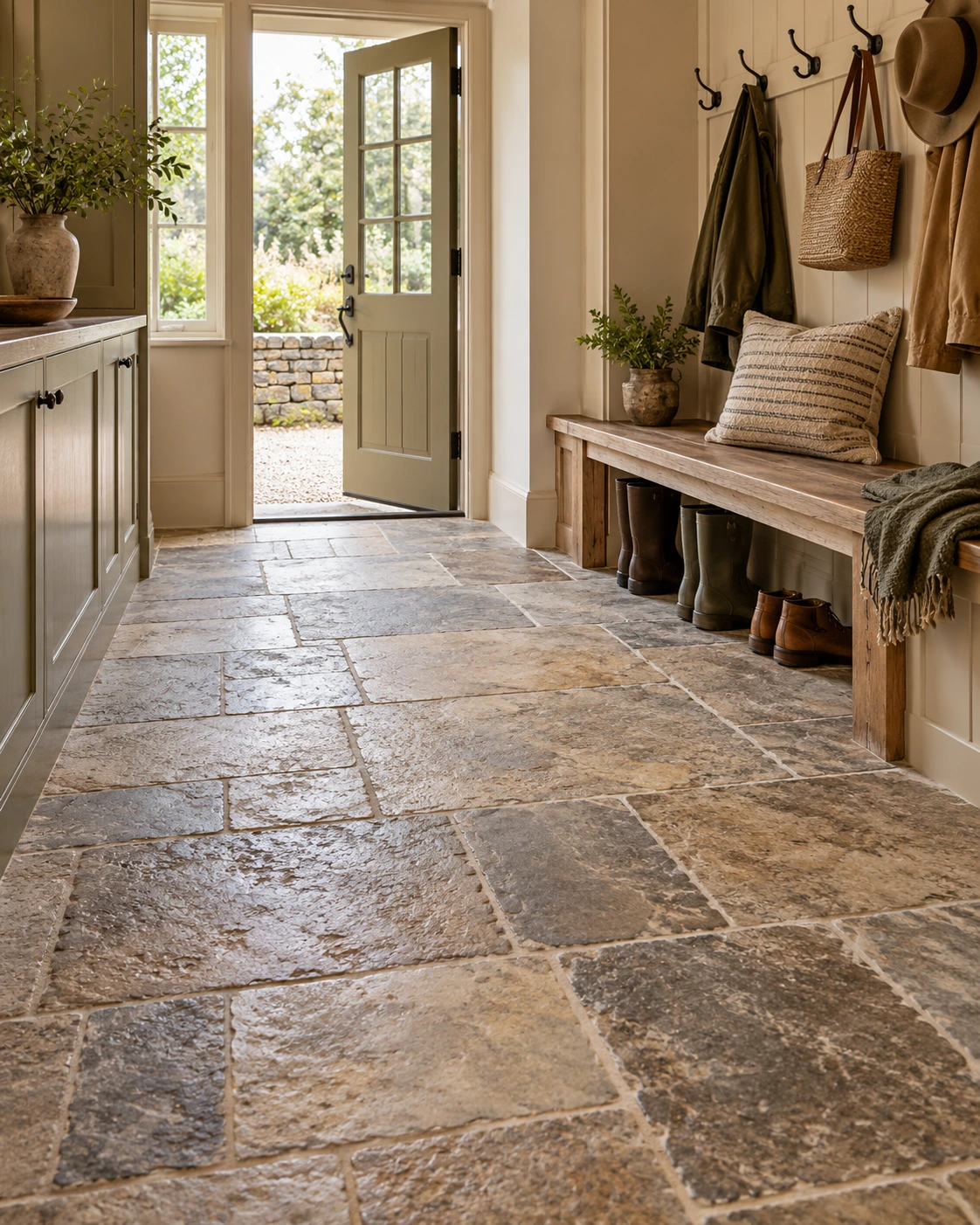
Stone flooring can make a mudroom feel grounded and connected to the outdoors. Its varied coloring and textured appearance work especially well in traditional, rustic, and cottage-inspired entrances where shoes and boots are regularly brought inside from the garden or driveway.
Choose an entryway-rated stone or stone-look flooring material in warm gray, sand, or weathered brown. Pair it with simple wooden benches and sturdy hooks so the floor remains the most noticeable feature. If you’re renovating an older home, reclaimed-looking pavers can introduce historical charm, while suitable porcelain alternatives may offer a different maintenance profile.
Practical tip: Confirm slip resistance, cleaning requirements, installation weight, and moisture suitability before choosing flooring. Keep uneven or rough surfaces out of areas where they could create a tripping hazard.
Color drenching is a beautiful way to make a small mudroom feel like a complete, thoughtfully designed space. By using the same rich shade on cabinets, trim, and surrounding walls, you can reduce visual interruptions and create a dramatic backdrop for functional storage.
Choose a deep plum, muted burgundy, forest green, or rich brown paint color and apply it to compatible surfaces using the correct primers and finishes. Add simple cabinetry and a comfortable bench seat in a coordinating shade. Brass hooks, a natural wood countertop, and a pale cushion can keep the darker color scheme from feeling too heavy.
Styling tip: Use good overhead and task lighting with darker walls. Color drenching often works best when the decorative objects remain simple and the furniture has clean lines.
14. Mix Patterns and Colors for a Personality-Filled Entryway
A practical mudroom can still feel playful and unique. Combining patterned wallpaper with colorful cabinetry brings personality to an entryway while allowing the room to function as a storage area. The key is selecting patterns and finishes that feel related rather than using several competing designs.
Choose a decorative wallpaper with a small repeating pattern and pair it with cabinets in a color drawn from the design. Deep green, blue, or warm clay tones can look beautiful with delicate botanical or geometric prints. For additional interest, add subtle trellis-style trim to cabinet fronts or use a decorative painted panel. Keep baskets and bench cushions relatively plain.
Budget idea: Wallpaper only the back wall behind a row of hooks rather than covering the whole room. Use a washable, moisture-appropriate material where wet clothing or shoes may splash nearby surfaces.
15. Give Every Family Member a Dedicated Storage Zone
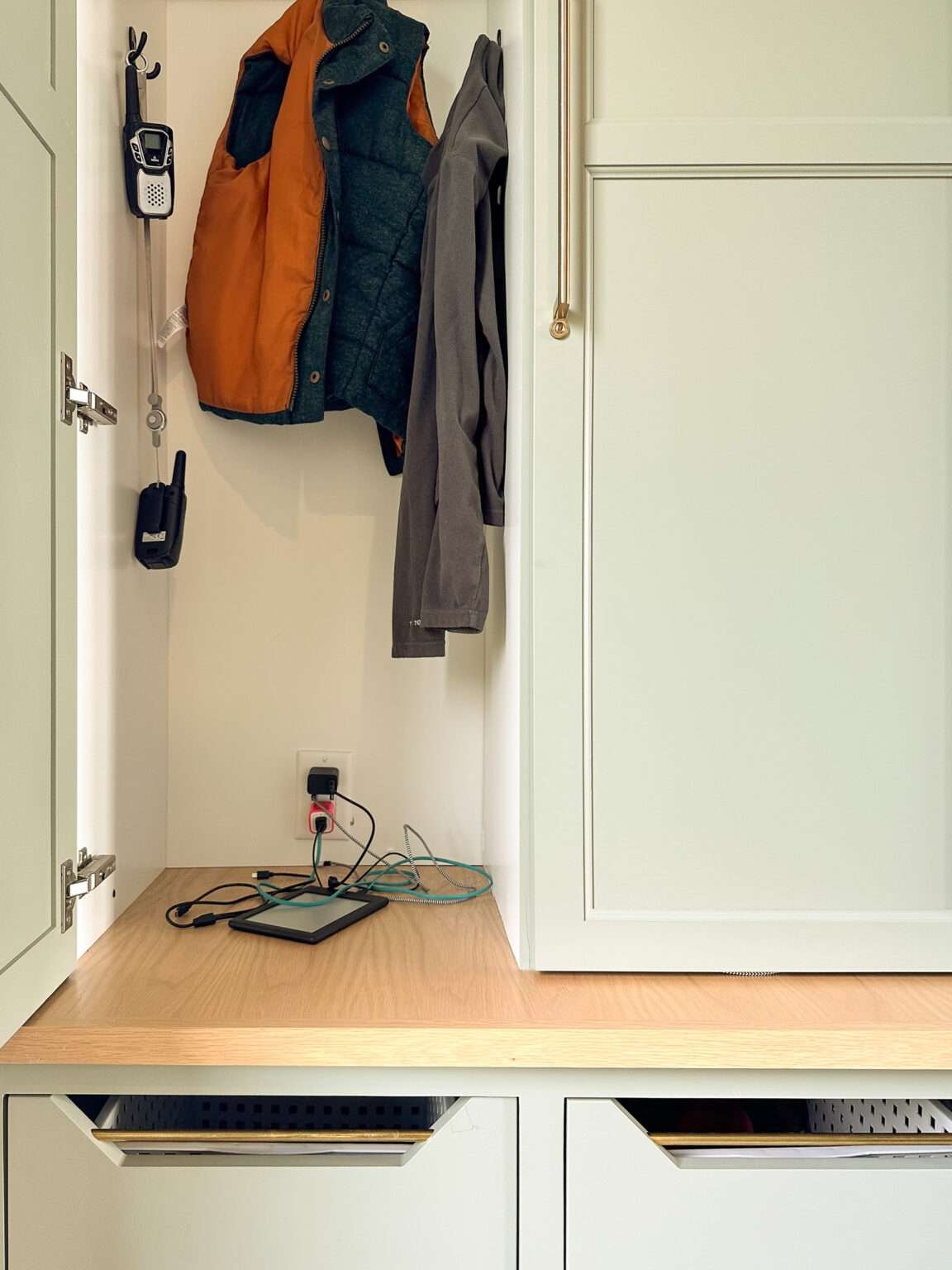
A family mudroom becomes easier to manage when each person has a clearly defined area for coats, bags, shoes, and accessories. Instead of sharing one overflowing row of hooks, individual storage sections help everyone find and put away their belongings.
Install a row of cubbies or separate hook sections along one wall. Assign each family member a hook, basket, and shoe compartment, placing children’s items at reachable heights. Use small removable name labels for organization and include a bench with slim drawers underneath for gloves, hats, or pet accessories. Keep the main floor area open so several people can use the space comfortably.
Family-friendly tip: Keep sharp tools, hazardous cleaners, and other unsafe items in secure storage rather than in open children’s cubbies. Reserve low compartments for shoes and appropriate everyday belongings.
16. Combine Hooks, Drawers, Shelves, and Baskets for Maximum Storage
Not every item in a mudroom needs the same type of storage. Coats are easiest to hang, shoes may be more convenient in open cubbies, and smaller belongings often need drawers or baskets. Combining several storage options creates a flexible mudroom that works with different routines and seasons.
Create a layout with sturdy wall hooks above a bench, drawers beneath the seat, and upper shelves for labeled storage baskets. Use hooks for daily jackets and bags, lower cubbies for shoes, and closed drawers for small accessories. If the room is narrow, concentrate the storage along one wall and choose shallow furniture to preserve circulation space.
Organization tip: Store frequently used items at comfortable reaching heights and reserve high shelves for lightweight seasonal belongings. Label baskets clearly and review their contents when the seasons change.
Small Mudroom Storage Hacks That Make a Big Difference
You don’t need a dedicated room or a full set of built-in lockers to create useful mudroom storage. A few thoughtful changes can make even a compact entrance more organized.
Install hooks at practical heights: Make everyday coats and bags easy to reach without requiring large wardrobes.
Use the area beneath a bench: Place shoe baskets or suitably sized storage drawers where they won’t block circulation.
Choose vertical storage: Add upper shelves for seasonal belongings while keeping frequently used items lower down.
Group shoes by household member: Use small baskets or labeled compartments to prevent piles near the front door.
Keep one catchall spot: A shallow tray or small wall organizer can collect keys, sunglasses, and other small essentials.
Use washable materials: Choose practical floor mats, durable bench cushions, and cleanable storage containers for muddy or wet seasons.
Limit the number of everyday items: Keep off-season coats and infrequently worn shoes elsewhere when possible.
Mudroom Shopping Checklist
Before buying furniture, check which storage pieces you already own. A spare bench, baskets, wall hooks, or narrow bookcase may work with a simple update.
Warm White + Natural Oak + Black: A timeless farmhouse combination that looks fresh and practical.
Soft Taupe + Cream + Walnut: Creates a cozy entryway with understated neutral storage.
Olive Green + Brass + Checkerboard: A dramatic, traditional palette with rich cabinetry and patterned flooring.
Sage Green + Light Wood + Ivory: Beautiful for cottage mudrooms and narrow entrances with natural light.
Charcoal Black + Warm Brass + White: An elegant, high-contrast option for a tailored mudroom.
Butter Yellow + White + Oak: A cheerful combination for a welcoming family entrance.
Deep Plum + Natural Wood + Beige: A sophisticated option for color-drenched cabinetry and cozy upholstery.
Color tip: Repeat one or two finishes from nearby rooms, such as flooring, wood furniture, or metal hardware. This helps the mudroom feel connected to the rest of your home.
Common Mudroom Decorating and Storage Mistakes to Avoid
Installing Cabinets That Are Too Deep
Deep cabinets can make a narrow mudroom difficult to walk through, especially when doors or drawers are open. Measure the available space before purchasing furniture and choose shallow storage when needed. Keep required exits and circulation routes unobstructed.
Providing Too Few Hooks and Shoe Compartments
A single hook or basket may work for one person, but a busy family needs more structured storage. Assign each person a suitable hook and shoe area, then include a shared compartment for accessories. Avoid overloading hooks beyond their rated capacity.
Choosing Delicate Materials for a High-Traffic Space
Mudrooms are exposed to dirty shoes, wet coats, and frequent movement. Choose easy-to-clean flooring, moisture-appropriate cabinet finishes, and washable textiles where practical. Protect natural wood surfaces from standing water and allow damp items to dry before placing them in enclosed storage.
Making the Mudroom Too Decorative
Too many pillows, signs, vases, and display pieces can reduce the room’s usefulness. Start with hooks, seating, and storage before adding decorative objects. One framed print or small vase may be enough to make the space feel welcoming.
Forgetting About Anchoring and Everyday Safety
Tall lockers, freestanding cabinets, and bookcases need appropriate anti-tip anchoring. Keep cleaning chemicals and hazardous supplies in secure storage away from children, and avoid hanging heavy bags where they may fall. Use a stable bench designed to support seated users rather than an ordinary shelf repurposed without structural support.
Frequently Asked Questions About Mudroom Ideas
How can I make a mudroom in a small entryway?
Start with a narrow shoe bench, a short row of wall-mounted hooks, and baskets for smaller accessories. Keep the furniture along one wall and preserve comfortable walking space. A washable floor mat and one simple decorative accent can make the entryway feel complete without needing a dedicated mudroom.
What should every mudroom have?
Most mudrooms benefit from a place to hang coats, an organized shoe area, practical storage for smaller belongings, and a durable floor surface. A bench can also be useful for putting on shoes. The exact features depend on the room size and how many people use the entrance.
How do I organize a mudroom for a large family?
Create individual storage zones with labeled baskets, hooks, or cubbies. Keep children’s everyday items at accessible heights and use upper storage for seasonal belongings. Combining drawers, shelves, and shoe compartments makes it easier to separate different items while maintaining a clear entrance.
What flooring works best in a mudroom?
Durable, moisture-resistant, and easy-to-clean flooring is helpful in a mudroom. Suitable porcelain tile, certain stone finishes, and other entryway-rated materials may work, depending on the installation. Consider slip resistance, maintenance, moisture exposure, and the flooring manufacturer’s recommendations before choosing.
How can I decorate a mudroom on a budget?
Use a bench you already own, install appropriate coat hooks, and organize shoes in simple baskets. A fresh paint color, coordinated hardware, and a washable runner can make a noticeable difference. Focus on functional storage first, then add a few decorative pieces that complement the rest of your home.
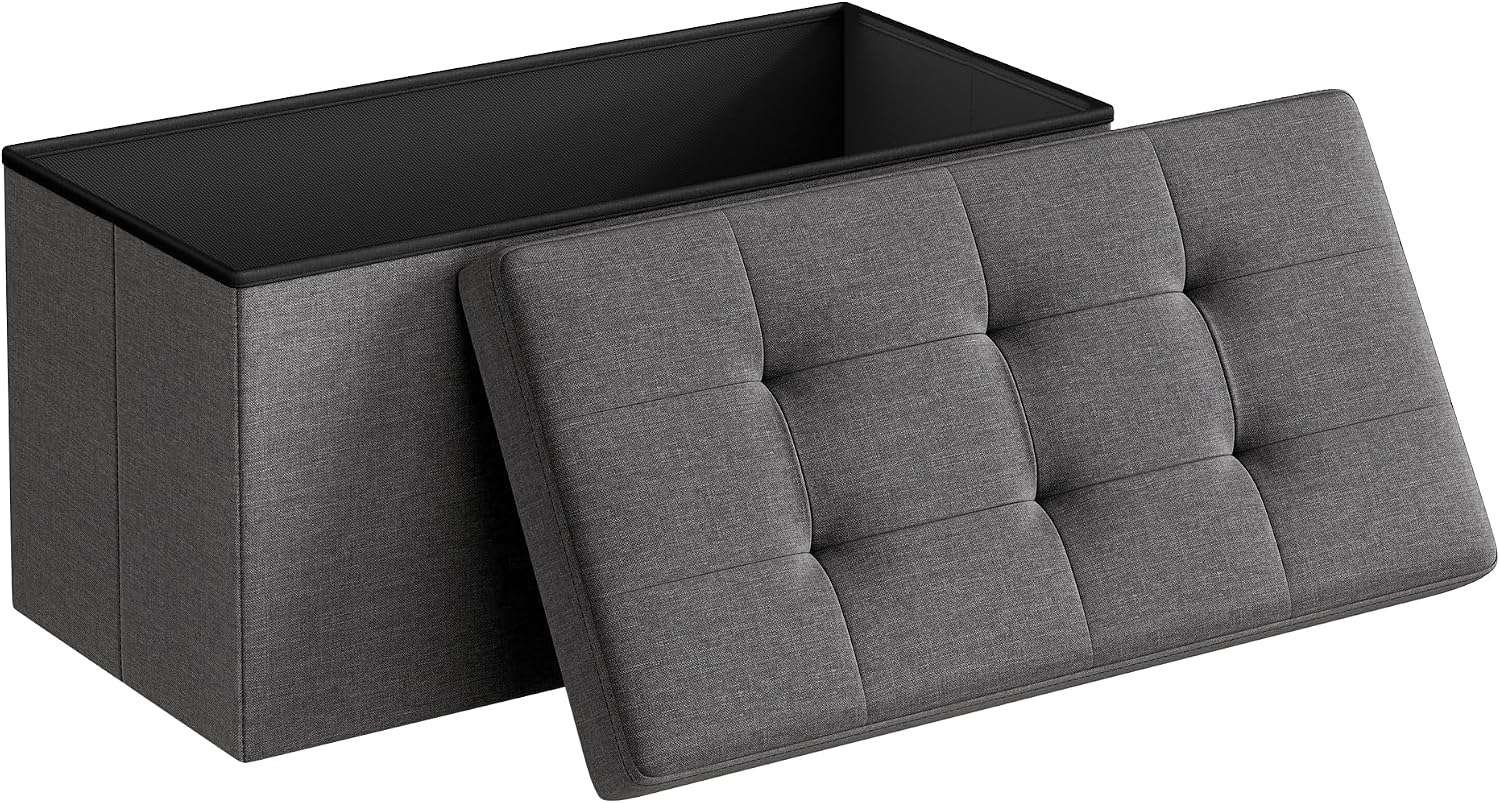
Recommended Finds for a Practical Mudroom
These simple storage pieces can make an entryway feel more organized without requiring a complete renovation.
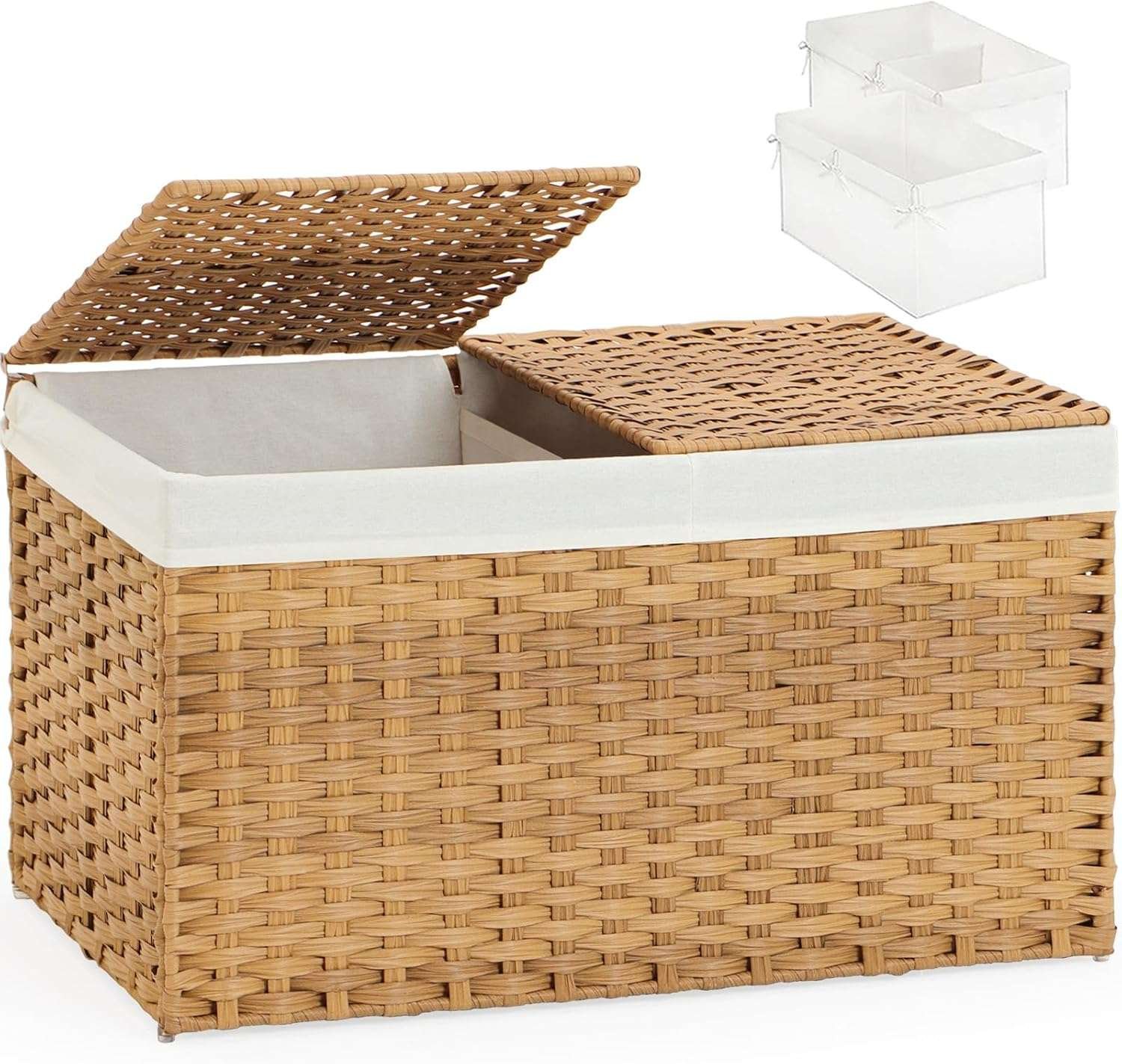
Woven Storage Baskets: Help organize smaller accessories while introducing a warm natural texture to the mudroom.
Final Thoughts: Create a Mudroom That Works for Your Home
A beautiful mudroom doesn’t have to be large or expensive. The right combination of storage, seating, and durable materials can turn a cluttered entrance into a comfortable, organized part of your home. From warm wooden benches and white cabinets to bold olive green built-ins and family-friendly cubbies, there are plenty of ways to make the space both practical and attractive.
Start with one of these 16 clever mudroom ideas that matches your entryway size and everyday routine. Add enough hooks for coats, create a dedicated place for shoes, and choose storage that keeps frequently used items accessible. Once the organization is working well, finish the room with a coordinated color palette, a washable runner, and a few welcoming details.