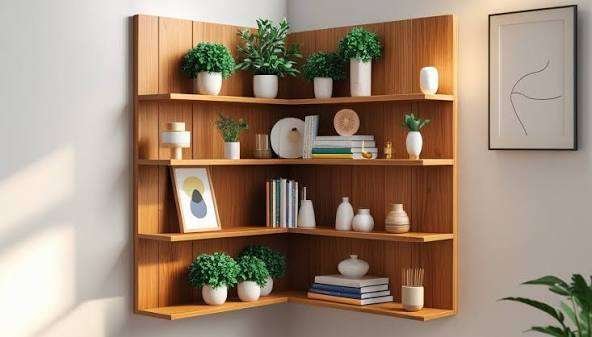
That awkward empty corner in your living room, bedroom, kitchen, or bathroom could become one of the most useful spots in your home. Instead of letting valuable space go unused, a simple corner shelf can give you extra storage for books, plants, toiletries, office supplies, and favorite decorations without taking over the room.
These 16 practical DIY corner shelf plans include rustic wooden shelves, floating triangular designs, narrow bathroom organizers, creative bookcases, and clever repurposed furniture. Whether you’re a beginner looking for an affordable weekend project or enjoy more detailed woodworking, you’ll find inspiration for making unused corners functional, organized, and beautiful. Plus, discover material suggestions, planning tips, styling ideas, and essential shelf-mounting safety advice.
Affiliate disclosure: As an Amazon Associate, I earn from qualifying purchases. This article contains affiliate links, which may earn us a commission at no extra cost to you.
More Smart Shelf and Small-Space Decorating Ideas
- 16 Picture Ledge Layout Ideas You’ll Love – Find inspiration for shallow shelves, framed artwork, and beautiful small-space displays.
- 13 Best Tiny Hallway Ideas – Discover ways to use narrow walls and corners while keeping walkways open.
- 16 Long Narrow Hallway Decorating Ideas – Explore practical vertical storage, slim ledges, and space-saving wall decor.
- 15 Clever Small Living Room Ideas With TV That Look Chic – See how floating shelves can organize and decorate tight living room layouts.
Quick List: 16 DIY Corner Shelf Ideas
- Build a Rustic Five-Tier Corner Shelf Unit
- Create a Tall Corner Bookshelf for Your Reading Collection
- Make a Compact DIY Corner Storage Cabinet
- Add a Narrow Corner Shelf Above the Bathroom Counter
- Install Simple Floating Wooden Corner Shelves
- Create a Decorative Corner Shelf With Rope Details
- Build a Small Corner Bookcase With Custom Compartments
- Try Rotating Corner Shelves for a Workshop or Craft Room
- Build Chunky Floating Corner Shelves With Hidden Supports
- Make Space-Saving Triangular Corner Shelves
- Combine Wood and Metal Pipes for a Rustic Corner Unit
- Repurpose an Old Door Into a Unique Corner Bookcase
- Create a Playful Rocket-Shaped Corner Shelf for Kids
- Use Natural-Edge Pine for Organic Corner Shelves
- Paint Minimalist Corner Shelves to Match Your Walls
- Install Small Triangle Shelves for an Easy Decorative Display
How to Plan a DIY Corner Shelf Before You Start
Corner shelving works best when the shape, size, and installation method are planned around the actual space. Most rooms have inside corners where two walls meet, but you can also build shelves around an outside corner or use a freestanding unit to fill an unused floor corner.
Begin by measuring both walls from the corner outward. Check whether the walls are square, because older homes don’t always have perfect 90-degree corners. Use a carpenter’s square, angle finder, or cardboard template to confirm the shape before cutting wood. Also check for nearby doors, window trim, switches, outlets, and furniture.
Choose the shelf depth based on what you plan to store. A shallow decorative shelf can hold small frames and light accessories, while books and larger storage baskets usually require more depth and stronger supports. Always select boards, brackets, and wall anchors according to the full expected load. Remember that the wall material and the quality of the installation matter just as much as the shelf itself.
Simple DIY Corner Shelf Formula
Measure Both Walls + Make a Corner Template + Choose Suitable Wood + Plan Load-Rated Supports + Sand and Finish + Mount Securely + Style Within Capacity
For example, use a cardboard template to plan a small triangular pine shelf, cut the wood to fit, sand its edges, apply a suitable finish, and install it with brackets rated for the intended decorative load and your specific wall construction.
Best DIY Corner Shelf Designs for Different Rooms
| Style / Area | Best Pieces | Why It Works |
|---|---|---|
| Small Living Room | Floating wooden corner shelves | Uses vertical space without adding bulky furniture |
| Reading Nook | Tall bookcase with multiple compartments | Keeps books and reading accessories together |
| Tiny Bathroom | Narrow moisture-resistant corner shelf | Adds storage without covering the counter |
| Home Office | Triangular shelves or custom corner unit | Organizes light supplies above a desk |
| Farmhouse Bedroom | Rustic wood-and-metal shelves | Introduces natural warmth and texture |
| Craft or Workshop Space | Rotating shelf or sturdy cubby unit | Keeps frequently used items organized |
| Kids’ Bedroom | Colorful fixed corner bookshelf | Adds personality with accessible storage |
| Narrow Entryway | Small triangle-shaped corner shelf | Provides a compact decorative surface |
16 Practical DIY Corner Shelf Plans for Efficient Use of Space
1. Build a Rustic Five-Tier Corner Shelf Unit
A tall rustic corner shelf unit is a beautiful way to add storage and character to an otherwise unused living room corner. With multiple open shelves arranged around a compact vertical frame, the design offers room for books, family photographs, small baskets, and plants. Dark metal accents and warm wooden shelves give the unit an industrial farmhouse feeling.
Build a sturdy freestanding corner frame using suitable wood or a properly designed metal-and-wood system. Plan five shelf levels with enough space for the items you intend to display, then finish the boards in warm oak or walnut. Use appropriate joints and supports rather than relying on decorative trim for structural strength. Secure the finished tall unit to suitable wall framing with anti-tip hardware, and arrange heavier objects on the lowest shelves.
DIY tip: Measure the overall height as well as the corner footprint. A tall shelf that looks narrow in photographs still needs adequate stability and room for safely accessing the upper levels.
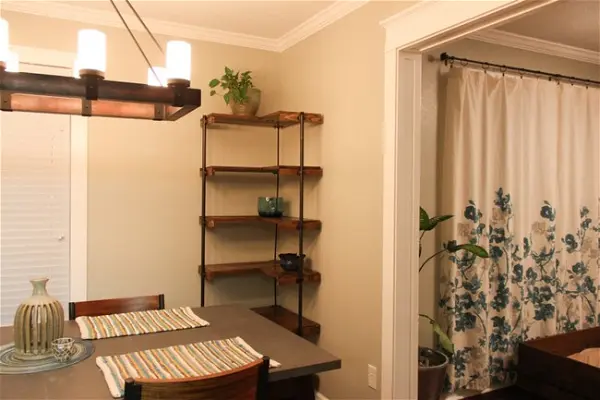
Image credit: @unknownbrewing.com
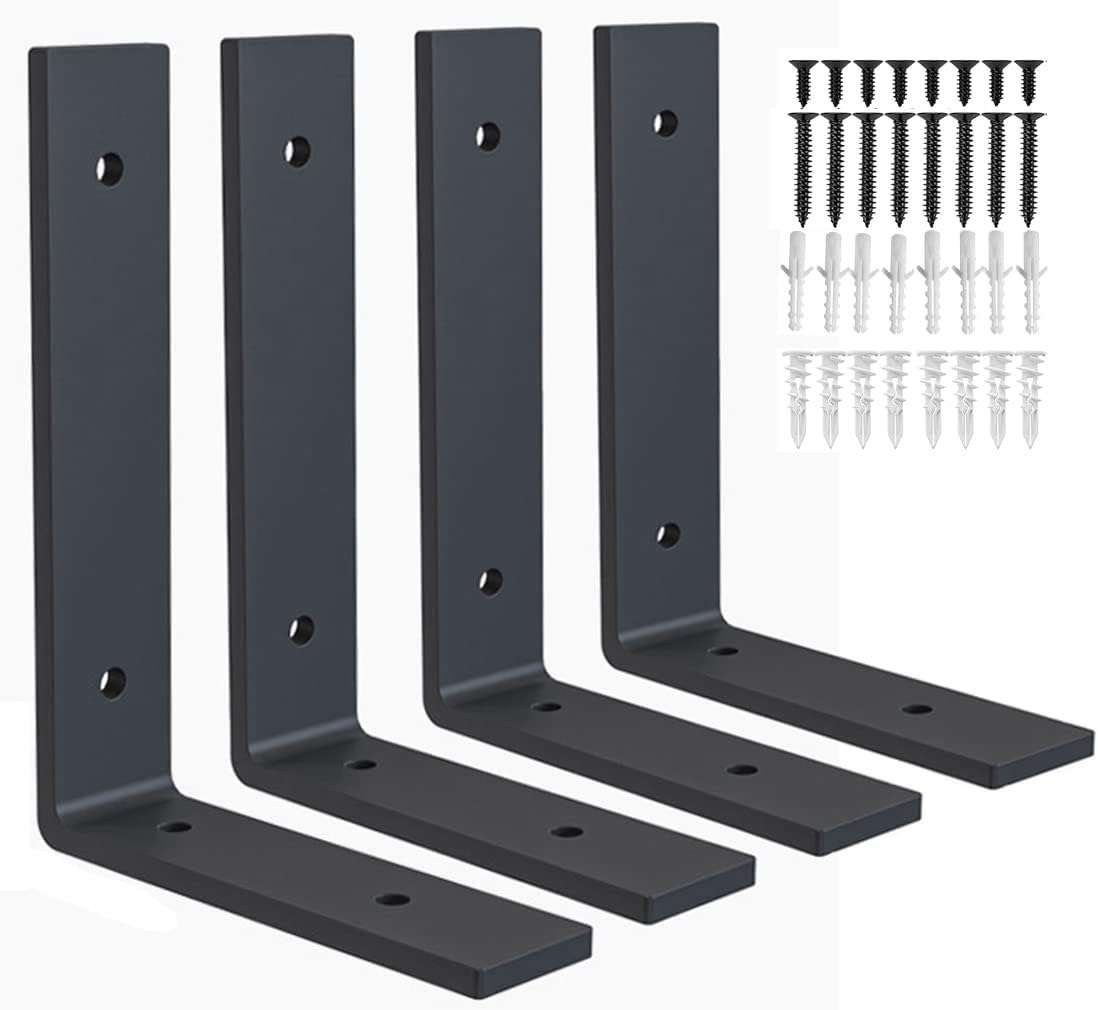
Amazon Find: Rustic Corner Shelf Hardware
Explore metal shelf brackets and anti-tip hardware for securely supported rustic corner storage projects.
2. Create a Tall Corner Bookshelf for Your Reading Collection
If you’re running out of space for books, a tall corner bookshelf can transform an empty corner into a charming mini library. Instead of spreading your book collection across multiple pieces of furniture, a custom bookcase lets you keep favorite novels, magazines, and smaller decorative objects in one vertical display.
Design a tall bookcase with shelves that fit the available corner. Use suitable plywood or furniture-grade boards and provide properly spaced supports for the expected book loads. Finish the unit in natural wood, warm white, or a muted green for a cozy reading-room appearance. Keep the lower compartments deep and strong enough for heavier books, and use the upper levels for lighter paperbacks or small accessories. Anchor the unit securely against tipping.
Styling tip: Mix vertical book rows with occasional horizontal stacks. Leave one or two small open spaces for a photograph or simple decorative object.
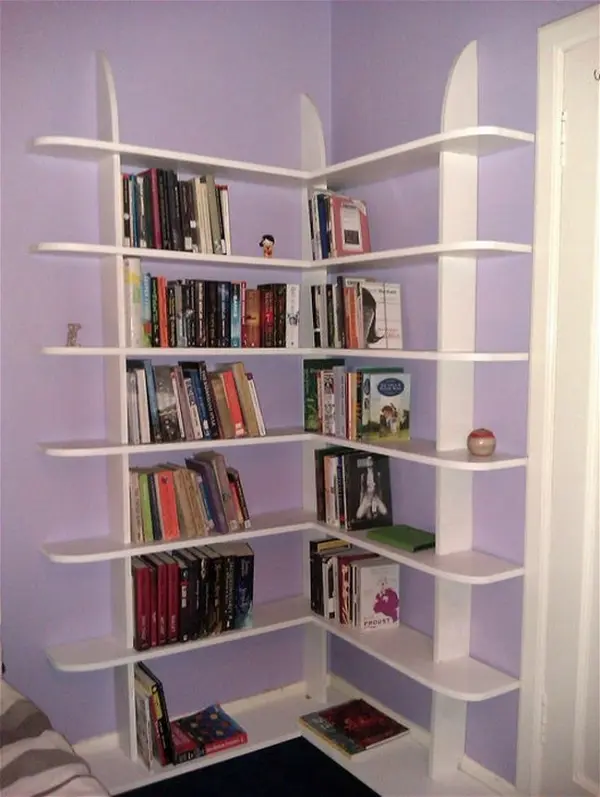
Image credit: @unknownbrewing.com
3. Make a Compact DIY Corner Storage Cabinet
A small corner cabinet offers a practical combination of display space and concealed storage. It’s particularly useful when you want to organize craft materials, office accessories, or bathroom essentials without leaving everything visible. The cabinet can make an awkward corner feel intentionally built into the room.
Start with a measured cabinet plan that suits the corner angle and intended contents. Build the box using appropriate panels and strong joinery, then add a door or open shelf section depending on your needs. Paint the exterior cream, sage green, or soft gray to coordinate with nearby furniture. If you include a door, allow sufficient clearance for it to open without hitting the adjacent wall. Secure the cabinet appropriately to the wall, particularly if it is tall or narrow.
Budget alternative: Use an existing structurally sound corner cabinet and refresh it with paint and new hardware rather than constructing the entire piece from scratch.
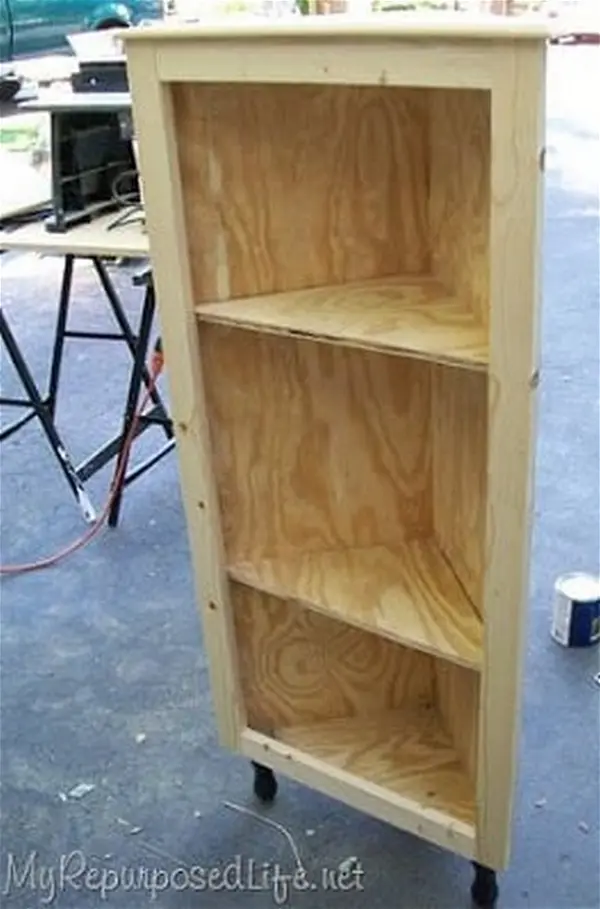
Image credit: @unknownbrewing.com
4. Add a Narrow Corner Shelf Above the Bathroom Counter
Small bathrooms often have unused corner space beside the sink or mirror. A narrow corner shelf can provide a convenient place for everyday toiletries while leaving valuable counter space open. Its slim shape makes it especially useful in apartment bathrooms and powder rooms where a large storage cabinet would feel overwhelming.
Measure the space beside your sink and choose a shallow shelf design that won’t interfere with the faucet, mirror, or cabinet doors. Use moisture-appropriate materials, such as suitably finished wood or another product designed for bathroom conditions. Install the shelf with supports compatible with the wall material and expected weight. Organize small skincare bottles, washcloths, or grooming accessories in lightweight containers and keep fragile items away from the shelf edges.
Practical tip: Never drill into a wall near bathroom plumbing or electrical fixtures without checking for concealed services. Avoid storing breakable glass containers where they could fall into a sink or onto the floor.
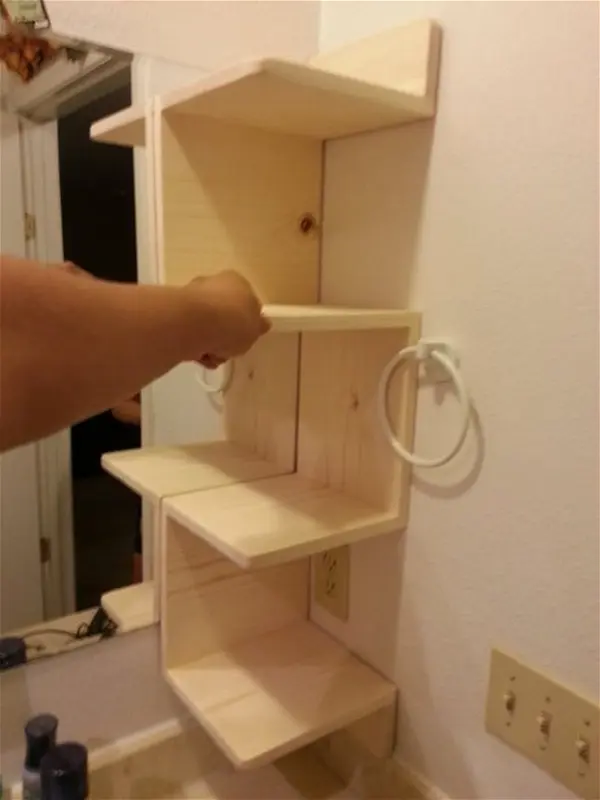
Image credit: @unknownbrewing.com
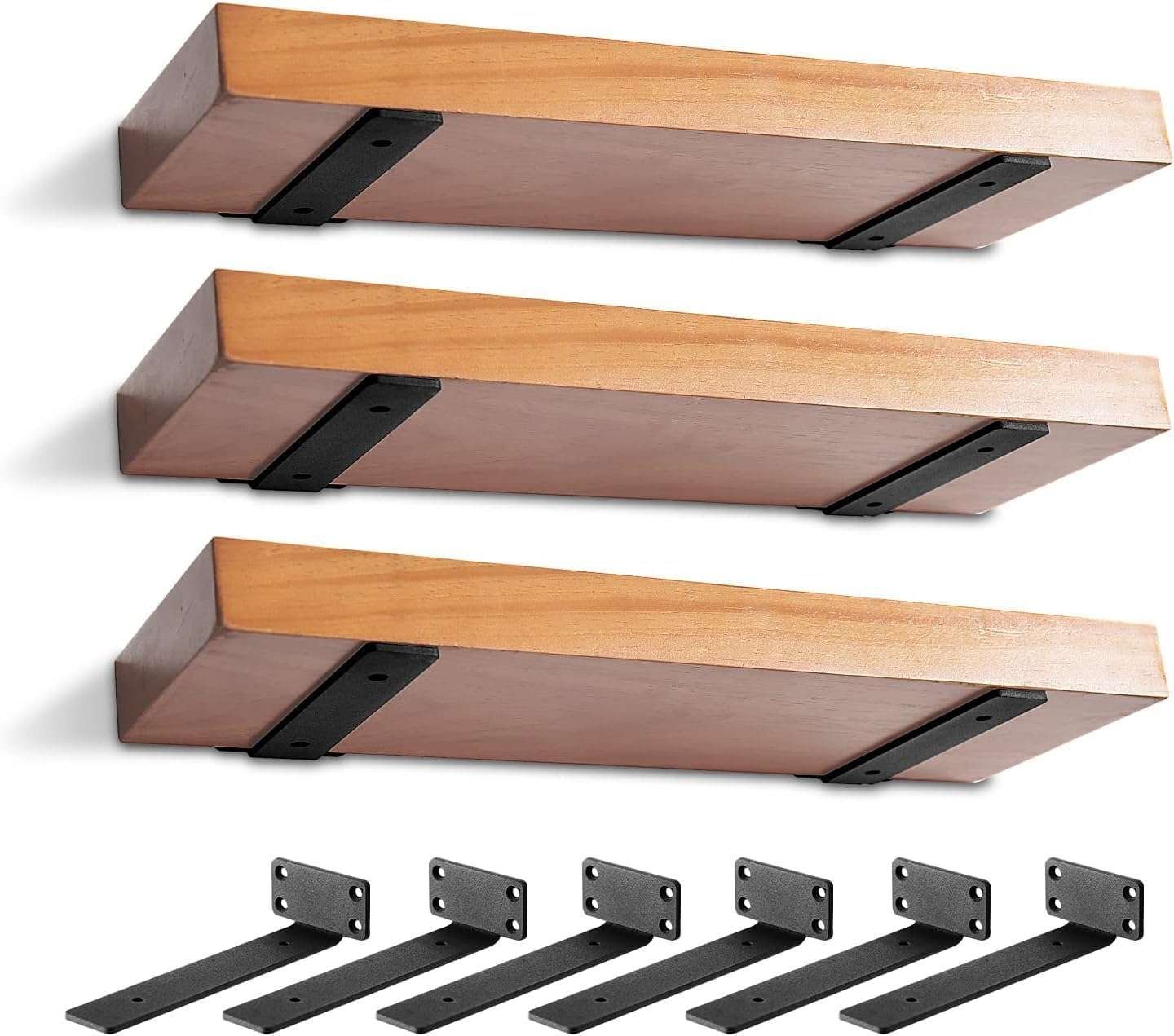
5. Install Simple Floating Wooden Corner Shelves
Floating wooden corner shelves are a timeless option for filling unused wall space. Their clean appearance works beautifully in living rooms, bedrooms, kitchens, and home offices. Because the supports can be concealed, the shelves appear to emerge from the corner, creating a light, uncluttered look.
Create a template for the corner shape and transfer the dimensions to a suitable wooden board. Cut the shelf, sand the edges, and apply a compatible paint or wood finish. Install a concealed cleat or bracket system specifically rated for the construction, wall material, and intended load. Repeat the process for two or three levels if you want a vertical display. Style the finished shelves with light ceramics, framed photographs, or small potted plants.
Beginner tip: A visible bracket-supported shelf may be easier to build securely than a fully concealed floating design. Choose the construction method that matches your woodworking and installation skills.
Amazon Find: Floating Corner Shelf Brackets
Find concealed brackets and shelf-support systems for custom wooden corner projects.
6. Create a Decorative Corner Shelf With Rope Details
A rope-accented corner shelf brings a relaxed, handmade appearance into a bohemian bedroom, creative space, or coastal-inspired room. The combination of wood and natural rope adds texture and personality, while the corner placement keeps the design compact. It’s especially attractive when used as a decorative feature rather than for storing heavy belongings.
Choose a small triangular wooden shelf and plan a securely supported wall-mounted design. Add rope details through carefully attached decorative loops or wrapped accents, using appropriate materials and keeping them separate from the shelf’s primary structural supports. If you want a truly rope-suspended shelf, the rope, knots, anchors, and load path must all be specifically designed and rated for that use. Finish with a small framed print or one lightweight decorative item.
Safety tip: Avoid using ordinary craft rope as an improvised structural suspension system. Keep long loops and hanging cords away from young children.
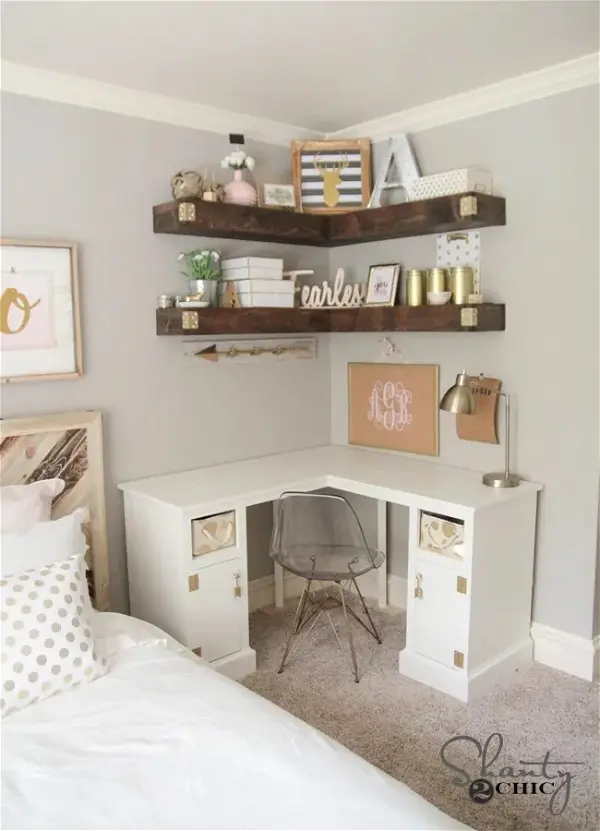
Image credit: @unknownbrewing.com
7. Build a Small Corner Bookcase With Custom Compartments
A compact corner bookcase can bring extra storage into a bedroom or living room without needing a full wall of cabinetry. Its smaller compartments create interesting geometric shapes, while the vertical arrangement keeps books and decorative objects neatly organized. This idea is ideal for a cozy reading nook or an apartment where floor space is limited.
Design the bookcase with several shelves that gradually increase or decrease in width to suit the corner. Choose panels with enough strength for the planned spans and book weight. Paint the finished unit warm white for a light appearance or use stained wood for a more traditional look. Keep frequently read books near the middle and store heavier items lower down. Add one small basket for notebooks or accessories, and secure the furniture against tipping.
Space-saving tip: If a full-height unit would feel too bulky, build a shorter corner bookcase that doubles as a decorative surface for a lamp or small plant.
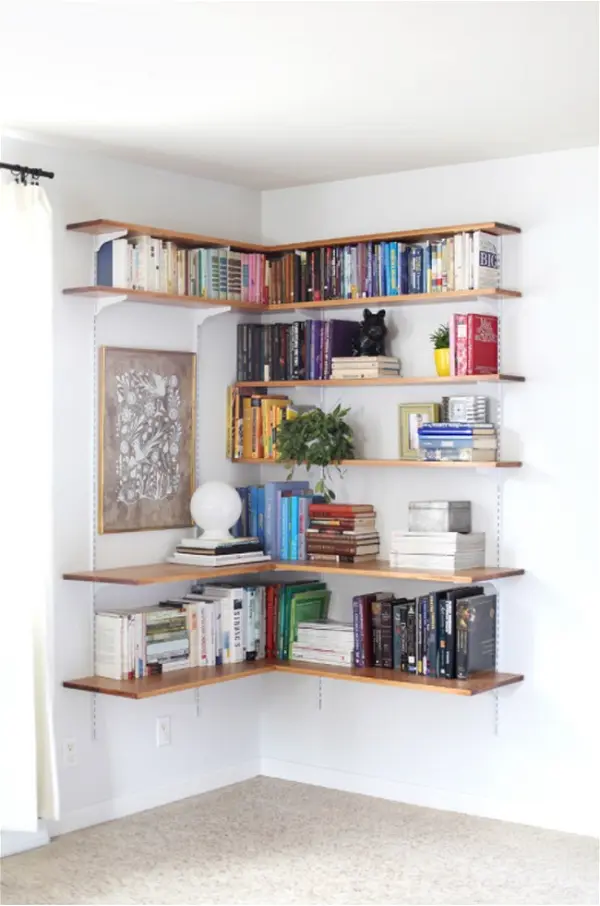
Image credit: @unknownbrewing.com
8. Try Rotating Corner Shelves for a Workshop or Craft Room
Rotating corner shelves can make frequently used tools or craft supplies easier to access in a small workspace. Rather than reaching into the back of a deep corner cabinet, a properly designed rotating shelf allows stored items to move toward you. This concept is especially useful for workshop organizers, hobby rooms, and corner storage units with limited access.
Plan a compact rotating shelf system using suitable plywood, a properly rated bearing or pivot mechanism, and a stable support structure. Choose shelf dimensions based on the objects you intend to store and ensure that movement won’t cause items to fall. Add retaining edges where needed, and keep heavier tools low or in fixed storage. For a beginner-friendly version, start with a purpose-made rotating organizer installed in a stable cabinet rather than building the mechanical assembly entirely from scratch.
Practical tip: Rotating shelves need appropriate load ratings, clearance, and secure attachment. Keep fingers away from pinch points, and check that stored items remain stable as the shelves turn.
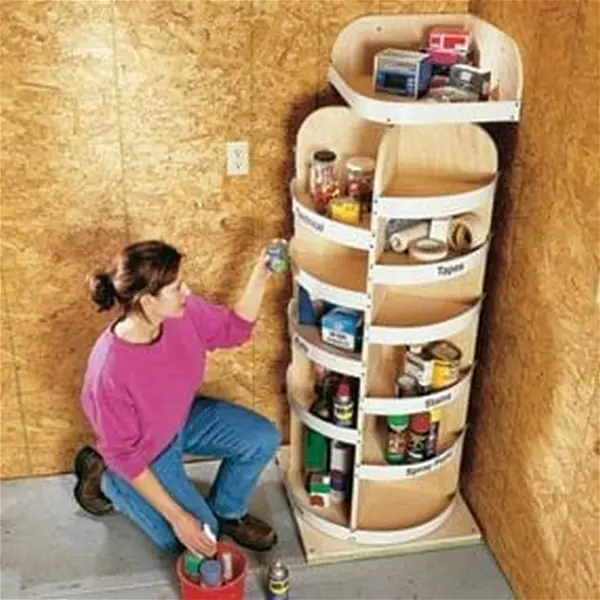
Image credit: @unknownbrewing.com
9. Build Chunky Floating Corner Shelves With Hidden Supports
Chunky floating shelves make a beautiful architectural statement in an unused corner. Their thick profile creates the appearance of solid wooden beams, but a properly built hollow shelf can deliver a similar look with less material. This design suits rustic living rooms, farmhouse kitchens, and rooms where you want shelving to feel substantial without installing a full cabinet.
Build a rigid internal frame sized for the two corner walls, then cover it with properly joined face and top panels. Use mounting supports suitable for the shelf’s design and expected load, with structural attachment points verified before installation. Finish the visible surfaces in walnut, honey oak, or natural pine. Keep the shelf arrangement simple with two or three levels and style each one with larger decorative pieces instead of many tiny objects.
Budget tip: Hollow box-style construction can create a thicker appearance without using expensive solid hardwood. The structural support and mounting hardware must still be properly designed.
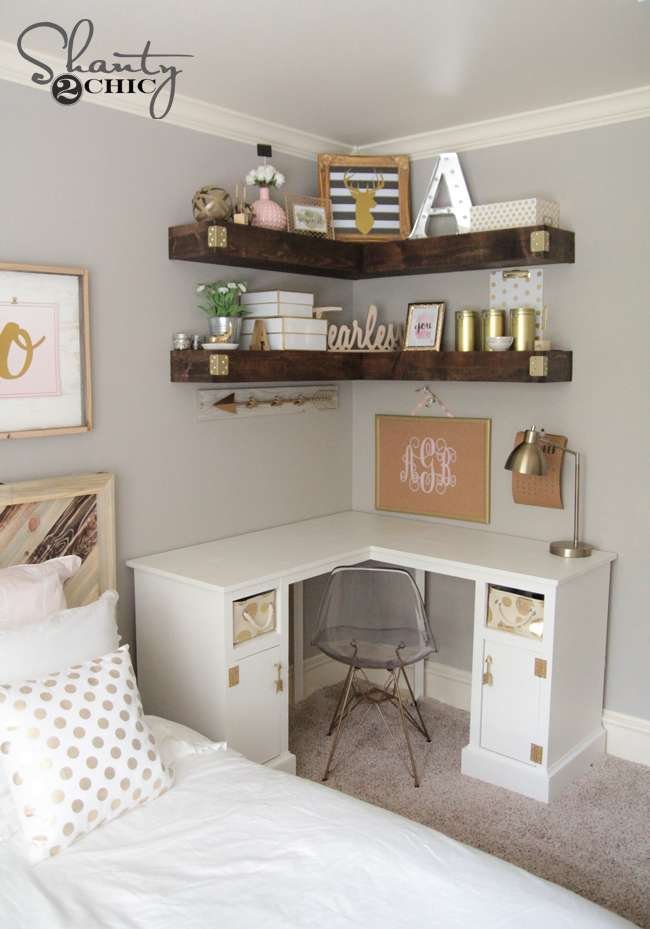
Image credit: @homedit.com
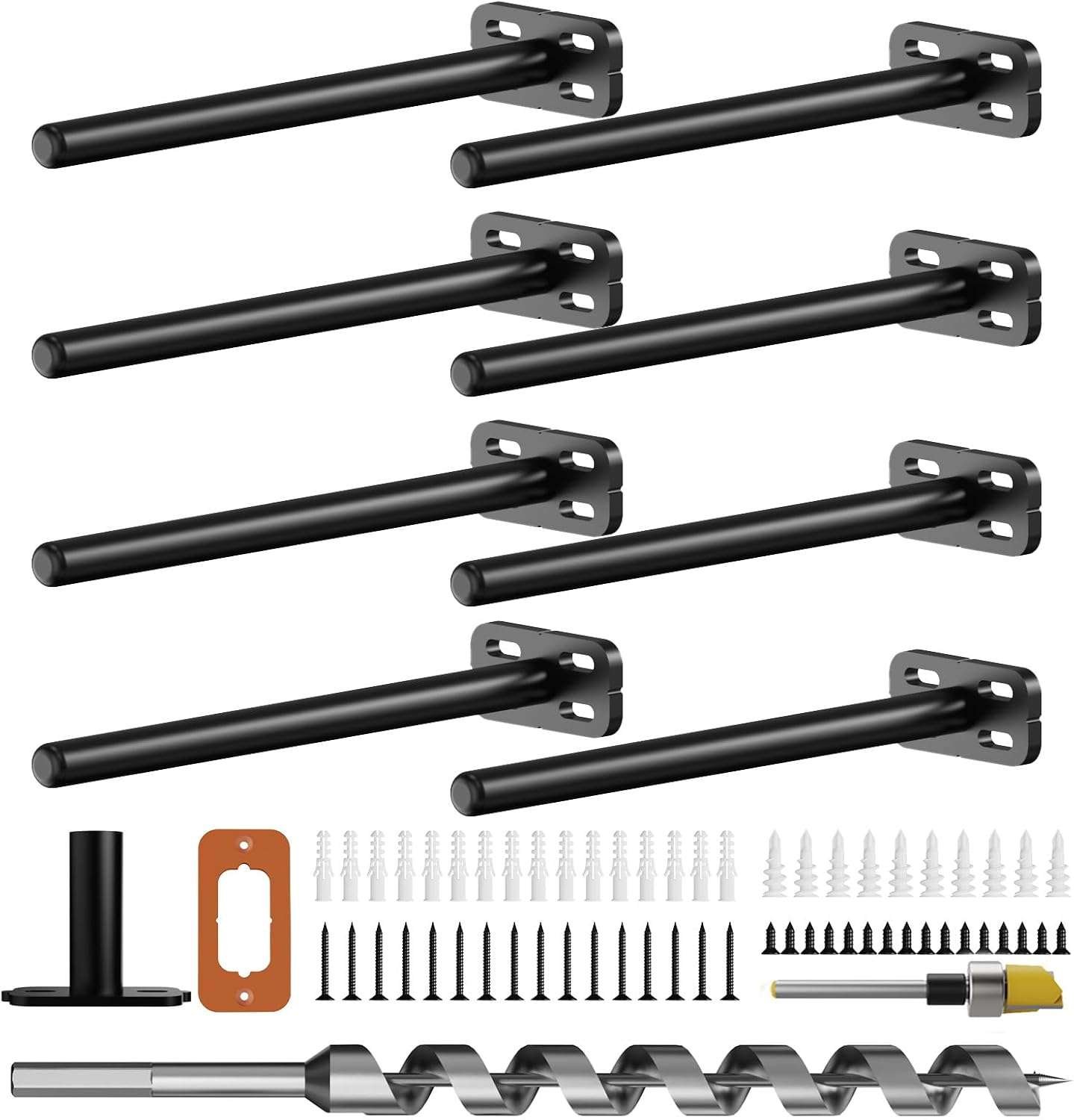
Amazon Find: Heavy-Duty Hidden Shelf Supports
Explore concealed shelf brackets and appropriate wall-mounting accessories for chunky floating shelf designs.
10. Make Space-Saving Triangular Corner Shelves
Triangular corner shelves are one of the simplest shapes for making good use of a tight room corner. Their two straight edges meet the walls while the front edge cuts across the unused space, creating a compact surface for a small plant, picture frame, or decorative object. They look especially lovely in narrow entryways and compact bedrooms.
Measure the distance you want each side of the shelf to extend along the walls and create a cardboard triangle template. Cut the shape from suitable wood, smooth the edges, and apply paint or stain. Install it using a structurally appropriate corner-support system, checking the fit carefully because the walls may not meet at an exact right angle. Try two or three shelves stacked vertically with consistent spacing for a tidy, modern appearance.
Beginner tip: A visible, properly rated bracket under each side may simplify installation. Keep the shelf depth modest so it doesn’t project into the walkway.
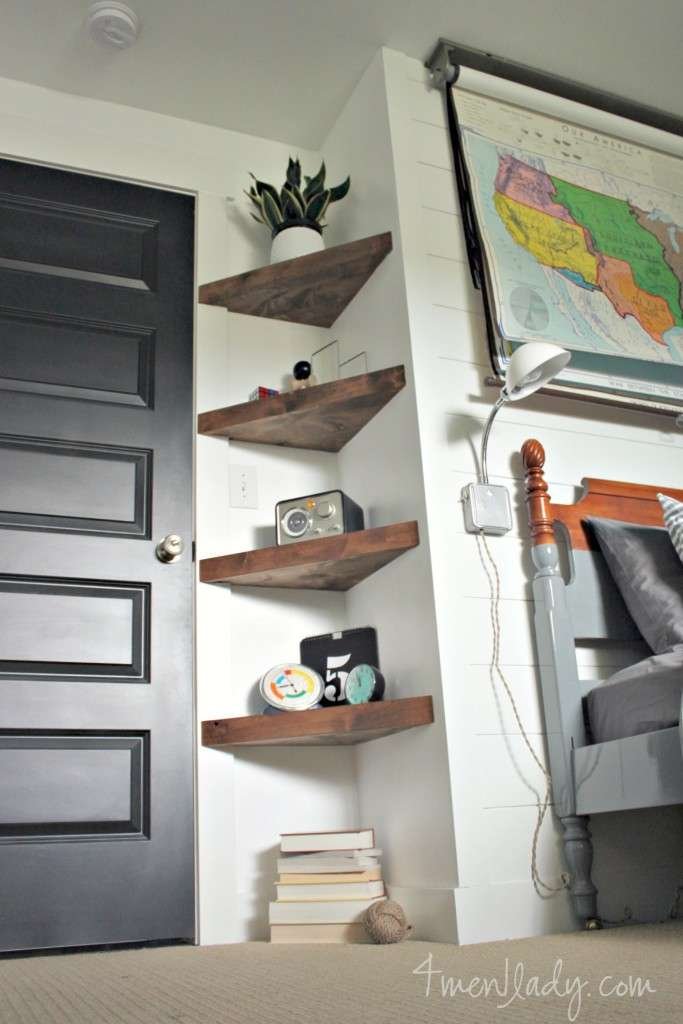
Image credit: @homedit.com
11. Combine Wood and Metal Pipes for a Rustic Corner Unit
A wood-and-metal pipe corner shelf creates a striking industrial farmhouse feature. Dark metal supports provide contrast against warm wooden boards, while the open shelves keep the design visually lighter than a traditional closed cabinet. This combination is particularly attractive in home offices, loft-inspired interiors, and living rooms with rustic accents.
Use suitable wooden shelves and purpose-made structural metal supports designed for furniture or wall shelving. Arrange several levels to fit the corner and plan the attachment points around the actual wall construction. Finish the wood in a warm medium-brown stain and coordinate the metal with nearby black hardware or lighting. Add books, simple ceramic vases, and small baskets. Avoid assuming ordinary plumbing-pipe connectors are automatically rated for furniture loads.
Styling tip: Keep the accessories fairly simple so the texture of the wood and dark pipe supports can stand out.
12. Repurpose an Old Door Into a Unique Corner Bookcase
An old wooden door can become a surprisingly creative corner bookcase. Its decorative panels, original handle, and worn paint finish give the shelving a collected, vintage personality that would be difficult to recreate with plain boards. This idea is perfect for farmhouse bedrooms, eclectic reading corners, or creative studios.
Choose a structurally sound door and evaluate its construction before making any cuts or modifications. A solid wood door may be suitable for certain projects, while hollow-core doors often require a completely different internal support method. Build a stable corner framework and attach suitable shelf boards, using the door as an approved structural or decorative component depending on its construction. Preserve the old doorknob as a visual detail if it doesn’t create a snagging hazard. Secure the finished unit against tipping.
Safety tip: Older painted doors may contain lead-based coatings. Have questionable finishes assessed before sanding or cutting, and avoid disturbing old paint without appropriate precautions.
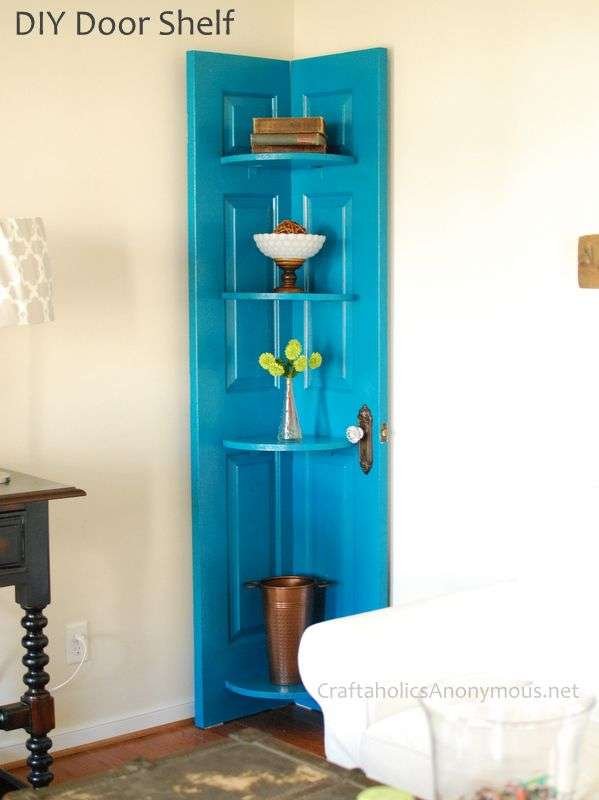
Image credit: @homedit.com
13. Create a Playful Rocket-Shaped Corner Shelf for Kids
A rocket-shaped corner shelf can turn a child’s bedroom or playroom into a fun little space-themed retreat. Rather than using a basic rectangular bookcase, the unit can feature a pointed top, colorful side panels, and rounded decorative details that suggest a rocket ship. It’s a creative way to add personality while keeping books and toys organized.
Design a compact corner bookshelf with a sturdy vertical body and shelves at child-accessible heights. Add a lightweight decorative rocket-shaped top and use non-toxic, child-appropriate paint in white, blue, red, or muted green. The main cabinet should remain structurally stable regardless of the decorative shape. Round sharp edges, secure the unit against tipping, and avoid detachable small parts that may present choking hazards for younger children.
Family-friendly tip: Keep favorite books and toys on lower levels so children can reach them without climbing the shelf.
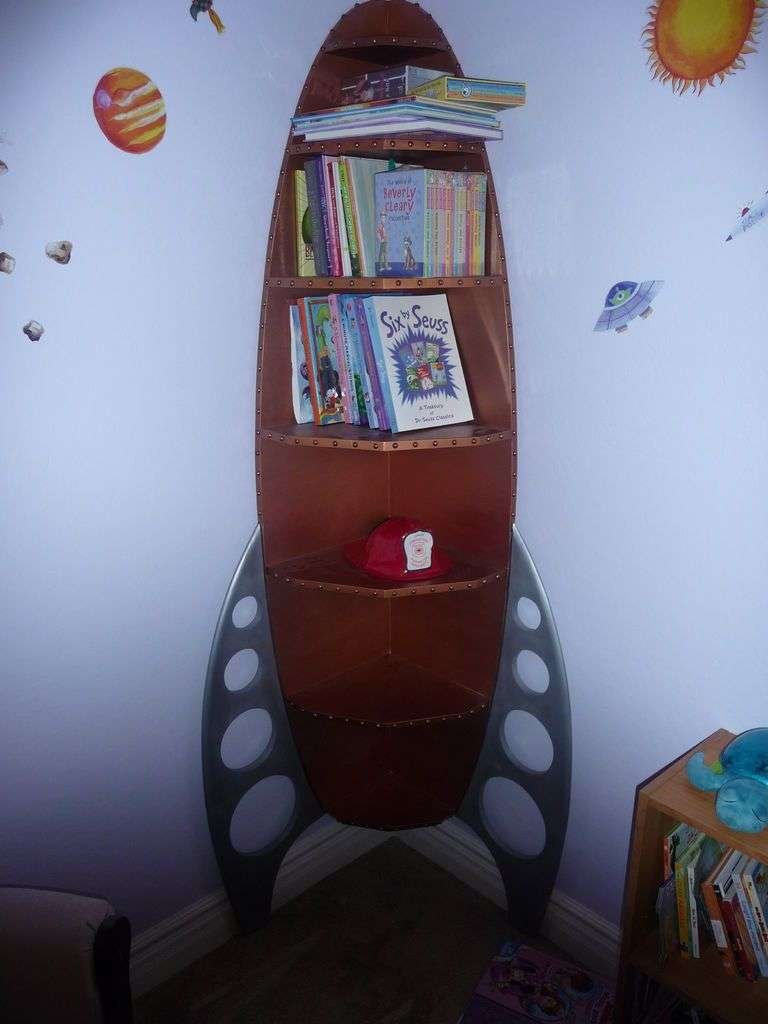
Image credit: @homedit.com
14. Use Natural-Edge Pine for Organic Corner Shelves
Natural-edge wooden shelves introduce beautiful organic character into a corner. Instead of a perfectly straight front edge, the shelf features an irregular outline that shows off the wood’s natural shape. This style looks especially appealing in earthy living rooms, rustic bedrooms, and interiors decorated with plants and handmade ceramics.
Choose an appropriately dried, structurally sound wood slab with a naturally irregular edge, or use a suitable finished board designed to create a similar look. Make a template for the corner and cut the rear edges to fit, preserving the attractive front outline. Sand any rough areas carefully, and apply a suitable protective finish. Install the shelf with supports designed for its size and load, then keep the styling simple with one small ceramic vase, plant, or framed photo.
Material tip: Check for cracks, loose bark, insect damage, and excessive warping before using natural-edge wood. The appearance should never come at the expense of a safe, stable shelf.
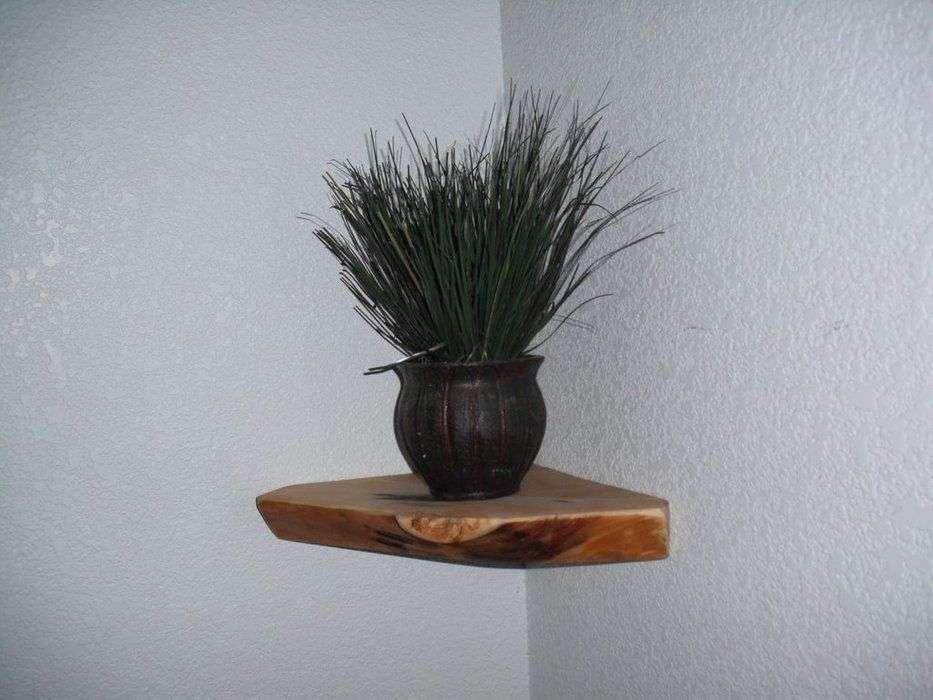
Image credit: @homedit.com
15. Paint Minimalist Corner Shelves to Match Your Walls
Minimalist corner shelves are ideal when you want practical storage without creating a strong decorative feature. By painting the shelves the same color as the surrounding walls, they blend into the room and allow books, artwork, or accessories to stand out. This simple look works beautifully in modern living rooms, bedrooms, and compact home offices.
Choose slim shelf boards and suitable hidden or discreet brackets, then finish the shelves with paint compatible with the materials. Match the wall color as closely as possible, or use one shade lighter for subtle contrast. Install two or three shelves with even spacing and keep the display restrained. A few books, a small planter, and one framed print can make the corner feel intentional without overwhelming the space.
Decorating tip: White-on-white shelves create an airy effect, while shelves painted deep olive or charcoal can make a moody wall feel sophisticated and cohesive.
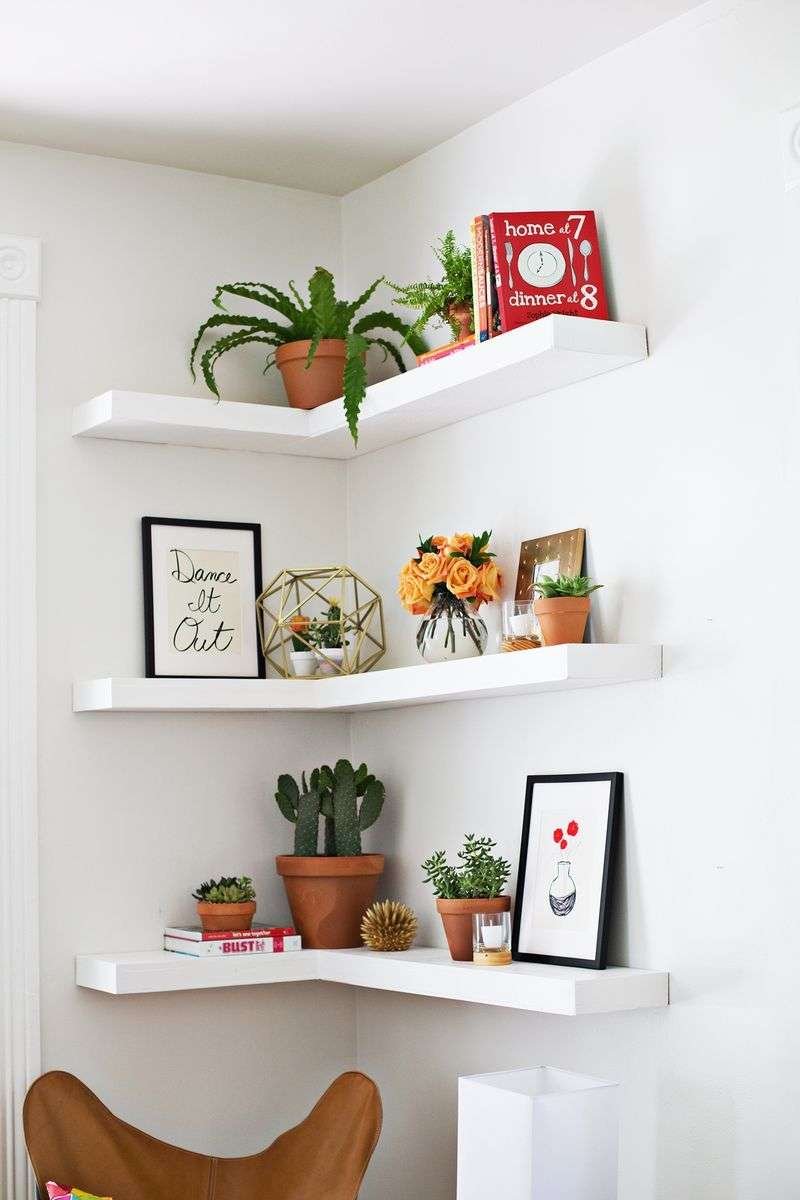
Image credit: @homedit.com
16. Install Small Triangle Shelves for an Easy Decorative Display
Small triangular shelves are a practical finishing touch for corners that don’t need much storage. Their compact design is perfect for displaying a small plant, framed artwork, or favorite keepsake without adding bulky furniture. This idea works particularly well in apartment bedrooms, reading nooks, and narrow entryways.
Cut two or three triangular pieces from suitable wood using a carefully measured template, then sand and finish them in a coordinating color. Install the shelves with properly rated supports at comfortable viewing heights, spacing them so objects on lower levels don’t crowd the shelves above. Choose natural oak for a warm look or matte white for a minimalist display. Keep the objects lightweight and leave some empty space so each item is easy to appreciate.
Budget tip: Small decorative shelves may be a good use for suitable leftover wood from a larger project, provided the offcuts are structurally sound and large enough for safe support.
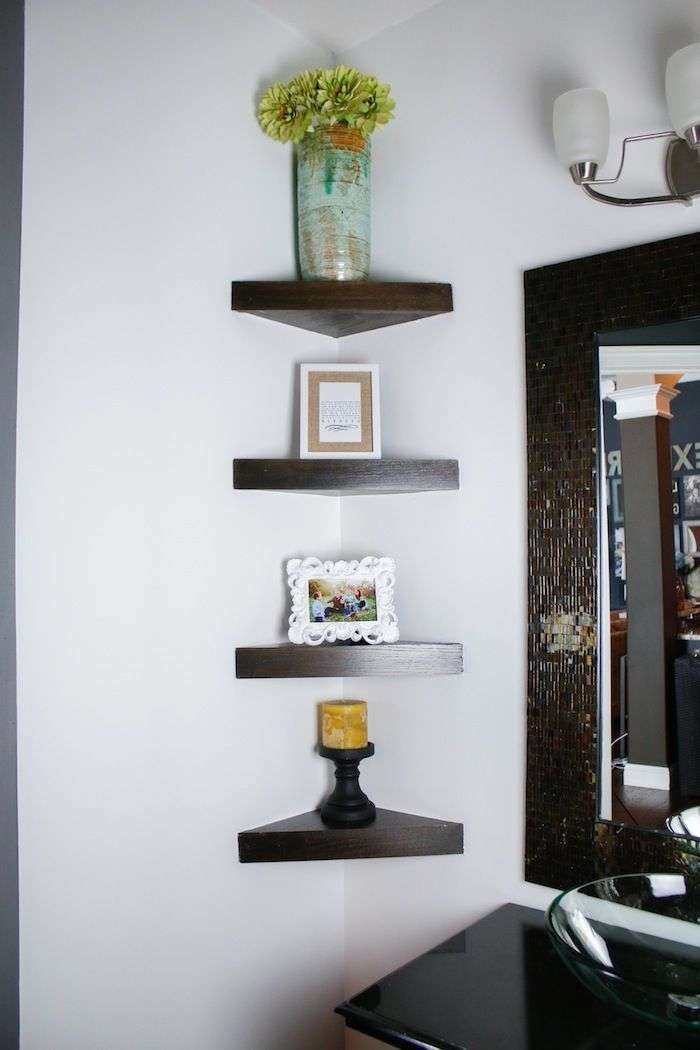
Image credit: @homedit.com
Basic DIY Corner Shelf Building Steps
While every corner shelf has its own construction requirements, this general process can help you organize a simple wall-mounted wooden project. More complex bookcases, pivoting shelves, and heavy storage systems require plans designed specifically for their loads and construction.
- Measure the corner: Record available width, depth, and height on both adjoining walls.
- Check the angle: Confirm whether the corner is square and make a cardboard template where needed.
- Choose the shelf purpose: Decide whether it will hold lightweight decorations, books, toiletries, or other items.
- Select suitable materials: Use shelf boards and supports appropriate to the intended load and room conditions.
- Plan mounting locations: Identify suitable structural support and check for hidden electrical or plumbing services.
- Cut and prepare: Make accurate cuts, smooth rough edges, and drill pilot holes where appropriate.
- Finish the wood: Apply compatible paint or stain and allow the product to cure according to the label.
- Install securely: Follow the mounting system’s instructions and verify alignment with a level.
- Check stability: Confirm that the shelf is secure and that doors, drawers, and walkways remain clear.
- Style carefully: Add items gradually without exceeding the complete shelf system’s rated capacity.
Essential DIY Corner Shelf Tools and Materials
- Measuring tape: For checking corner dimensions and shelf spacing.
- Square or angle finder: Helps you plan shelves for corners that aren’t perfectly square.
- Cardboard template: Useful for testing shelf shapes before cutting wood.
- Suitable wood boards: Pine, plywood, or furniture-grade materials depending on the project.
- Saw: Choose a tool appropriate for the wood type and planned cuts.
- Drill and suitable bits: For assembly and mounting where required.
- Shelf brackets or cleats: Must be rated for the shelf construction and intended load.
- Appropriate screws and fasteners: Select them based on the wall or structural backing.
- Level: Helps align each shelf during installation.
- Sandpaper: Smooths edges and prepares surfaces for finishing.
- Paint or wood stain: Personalizes the shelf and may help protect suitable wood surfaces.
- Personal protective equipment: Use proper eye, hearing, and dust protection as appropriate to the work.
How to Measure for Triangular Corner Shelves
A triangular corner shelf usually has two rear edges that sit along the adjoining walls and one front edge that runs diagonally between them. If the room corner is a perfect right angle and the two rear edges are equal, the shelf forms a right isosceles triangle.
For example, with each rear edge measuring 12 inches, the straight diagonal front edge is approximately 17 inches. You can calculate it using the Pythagorean theorem, but a cardboard template is often the most useful way to confirm the real-world fit before cutting.
Example: Equal-Sided Right Corner Shelf
Wall-side depth: 12 inches on each wall
Approximate straight front edge: 17 inches
Shelf shape: Right triangle with a diagonal front edge
Important: Real walls may not meet at 90 degrees, and decorative curved-front shelves follow different geometry. Use actual measurements and an appropriate template before cutting; dimensions alone do not determine structural capacity.
How to Style Corner Shelves Without Making Them Look Cluttered
Corner shelving can be a decorative feature as well as practical storage. The key is to avoid filling every inch with small objects. Choose a few useful or meaningful items and leave enough open space for the arrangement to feel balanced.
- Start with one focal object: A framed photograph, small planter, or simple vase can anchor the display.
- Mix heights: Combine one taller object with a few shorter items for visual interest.
- Repeat colors: Coordinate the display with nearby furniture, pillows, or artwork.
- Use lightweight baskets: Keep small accessories neatly grouped in suitable containers.
- Leave empty space: A shelf that is partly clear often looks more polished than an overcrowded one.
- Place books carefully: Keep heavy collections on shelves specifically built and rated for their weight.
- Keep plants manageable: Choose small planters with appropriate drip protection and enough light.
- Decorate in layers: Let taller pieces sit toward the back while shorter items remain visible in front.
For extra inspiration, explore these picture ledge layout ideas and adapt their simple artwork arrangements to shallow corner shelves.
Budget-Friendly Ways to Build Corner Shelves
- Use suitable leftover wood: Small shelves may require less material than full-width shelving.
- Choose standard board sizes: Planning around available dimensions can reduce unnecessary cuts and waste.
- Start with one shelf: Test a single corner shelf before adding a larger stacked arrangement.
- Refresh an existing unit: Repaint or repair a structurally sound corner bookcase instead of starting from scratch.
- Use simple brackets: Basic supported shelves can be easier and less expensive to construct than elaborate hidden-support designs.
- Paint to match the wall: An inexpensive wood shelf can feel built-in with a coordinated paint finish.
- Shop secondhand carefully: Look for usable wood and furniture, checking for structural damage or questionable old paint.
- Reuse decorative accessories: Style new shelves with books, frames, and baskets you already own.
Best Color Palettes for DIY Corner Shelves
- Natural Oak + Cream + Sage Green: A calm, earthy combination for cozy bedrooms and reading corners.
- Walnut + Matte Black + Warm White: Perfect for rustic-industrial corner units.
- Soft White + Pale Gray + Light Wood: A bright minimalist palette for smaller rooms.
- Terracotta + Honey Pine + Oatmeal: Creates warmth in bohemian and farmhouse interiors.
- Deep Olive + Natural Wood + Brass: Adds sophisticated character to traditional rooms.
- Powder Blue + White + Pale Oak: Lovely for coastal bedrooms and compact bathrooms.
- Charcoal + Walnut + Cream: Creates a dramatic backdrop for books and decorative objects.
- Muted Pink + Ivory + Birch: A soft option for creative rooms and decorative shelves.
Common DIY Corner Shelf Mistakes to Avoid
Assuming Every Room Corner Is Perfectly Square
Walls may meet at slightly different angles, especially in older houses. A shelf cut for a perfect 90-degree corner may leave gaps or fail to fit properly. Check both walls and use a cardboard template before cutting your final material.
Using Supports That Aren’t Rated for the Load
The load capacity of a shelf depends on the complete system, including its board, supports, fasteners, and underlying wall structure. Decorative brackets aren’t automatically suitable for heavy books, tools, or pottery. Follow manufacturer guidance and consult a qualified installer for uncertain or heavy-load applications.
Drilling Without Checking for Hidden Services
Walls can conceal electrical wiring, water pipes, or ventilation equipment. Assess the location before drilling and use appropriate detection methods where applicable. Ask a qualified professional for help if you’re uncertain about what lies behind the wall.
Letting Shelves Project Into Narrow Walkways
A deep shelf can make a hallway or entryway difficult to use, even if it technically fits the corner. Choose shallow dimensions in tight locations and keep necessary circulation routes clear. Avoid installing sharp protruding corners at head or shoulder height where people frequently pass.
Failing to Secure Tall Freestanding Shelf Units
Tall, narrow bookcases and corner cabinets can tip when loaded unevenly or when children climb on them. Use appropriate anti-tip anchoring to suitable structural support, place heavier items low, and follow the furniture or hardware manufacturer’s guidance.
Using Unsuitable Wood in Humid Bathrooms
Regular unfinished wood can swell, warp, or deteriorate when exposed to persistent moisture. Use materials and finishes suited to bathroom conditions and avoid placing shelves where water can repeatedly collect. Maintain adequate ventilation and inspect installations for moisture damage.
Using Rope or Moving Hardware Without Proper Engineering
Rope-suspended shelves and rotating workshop organizers have additional structural and mechanical requirements. Use properly rated systems and ensure that moving parts cannot pinch fingers or release stored objects unexpectedly. Decorative rope and ordinary household hooks are not substitutes for engineered supports.
Placing Heavy or Fragile Objects Above People
Avoid heavy glassware, unsecured ceramics, or overloaded shelving directly above beds, chairs, and frequently used seating areas. Store heavier objects lower down and add appropriate retaining features where necessary. Check that all decorative objects remain stable.
Frequently Asked Questions About DIY Corner Shelves
What is the easiest DIY corner shelf for beginners?
A small triangular wood shelf installed with suitable visible brackets is often a beginner-friendly project. It uses a straightforward shape and relatively simple materials. Accurate measuring and secure mounting are still essential, so choose appropriate supports and avoid heavy loads.
What wood is best for DIY corner shelves?
Pine, suitable plywood, and other furniture-grade boards are common choices. The best material depends on the shelf’s span, thickness, load, moisture exposure, and desired finish. For heavy book storage, choose a structural design with adequate support rather than relying on a thin decorative board.
How do I make a corner shelf fit properly?
Measure both adjoining walls, check the corner angle, and make a cardboard template before cutting the final material. Test the template in place and adjust for uneven walls. Mark mounting positions only after confirming the shelf shape and installation clearances.
Can I use corner shelves in a small bathroom?
Yes. Shallow corner shelves can provide useful space for washcloths, suitable toiletries, and small accessories. Choose moisture-resistant materials, use mounting hardware appropriate to the wall, and avoid drilling near hidden pipes or electrical services.
How can I make DIY corner shelves look more expensive?
Choose a coordinated wood finish, keep the edges neatly sanded, and use consistent shelf spacing. A simple color palette and carefully arranged decor can make affordable shelves look polished. Leave some empty space and avoid overcrowding the display.
Final Thoughts: Make Every Corner Work Harder
An empty corner doesn’t have to remain wasted space. With the right DIY shelf design, it can become a useful storage area, a charming book display, or a beautiful home for plants and decorative accessories. From rustic corner bookcases and bathroom shelves to triangular floating designs and playful children’s storage, there are practical solutions for nearly every room.
Start with one of these 16 practical DIY corner shelf plans that fits your space, budget, and skill level. Measure the corner accurately, choose materials suited to the intended load, and prioritize secure construction before decorating. A well-planned shelf can make your home feel more organized, spacious, and personal while turning an overlooked corner into a feature you’ll enjoy every day.
