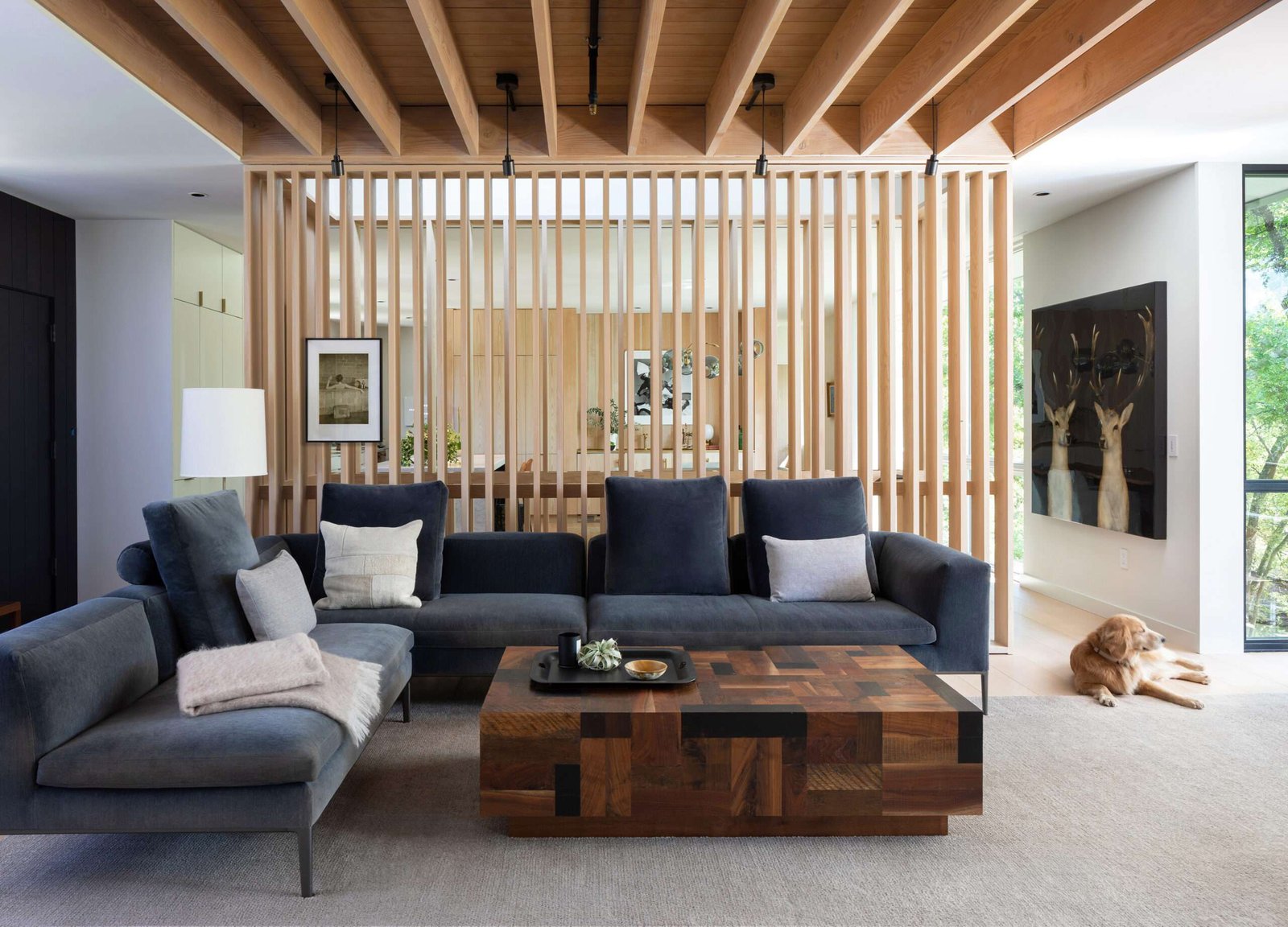
Creating separate spaces in your home doesn’t always require building walls or spending a fortune. A simple DIY room divider can turn one large room into comfortable areas for sleeping, working, relaxing, or entertaining. With a little creativity, even inexpensive materials and furniture you already own can become beautiful, practical partitions.
These 13 DIY room divider ideas on a budget include bookshelf partitions, ceiling curtains, plant arrangements, folding screens, reclaimed wood projects, and creative upcycled doors. Whether you’re decorating a studio apartment, shared bedroom, or open-plan living room, you’ll find affordable ways to create privacy and organization without sacrificing style or natural light.
Affiliate disclosure: As an Amazon Associate, I earn from qualifying purchases. This article contains affiliate links, which may earn us a commission at no extra cost to you.
Quick List: 13 Affordable DIY Room Divider Ideas
- Divide a room with an open bookshelf
- Hang floor-to-ceiling curtains for flexible privacy
- Create a natural divider with tall indoor plants
- Define a sleeping area with a raised platform bed
- Use your sofa and a narrow console table as a divider
- Make a Japanese-inspired folding privacy screen
- Hang a beautiful macramé or rope partition
- Repurpose sliding wardrobe doors into a room divider
- Build a rustic partition from reclaimed wooden pallets
- Hang an old window frame as a decorative divider
- Create an airy partition with vertical jute rope
- Build a modern slatted divider from reclaimed wood strips
- Give secondhand bifold doors a beautiful makeover
How to Choose a Budget-Friendly Room Divider
Before building your divider, decide what you actually need it to do. A bookshelf is useful when you want separation and storage, while curtains and fabric screens work better when privacy is the main concern. If your space already feels small, an open partition made from rope, wooden slats, or plants can divide the room without blocking too much light.
Measure the area you want to separate and leave enough clearance around furniture, doors, and walkways. Choose materials that complement your existing decor rather than adding an entirely different style. If you’re renting, prioritize removable solutions and check your lease before making holes in walls or ceilings.
Simple planning formula: Define the purpose + measure the available space + choose a suitable material + plan safe support + add coordinated finishing touches.
Budget Room Divider Materials and Best Uses
| Divider Material | Best Use | Budget-Saving Approach |
|---|---|---|
| Open Bookcase | Living room and bedroom separation | Reuse existing shelving |
| Curtain Panels | Flexible bedroom privacy | Use ready-made curtains |
| Indoor Plants | Soft visual separation | Group plants you already own |
| Fabric and Wood | Folding privacy screens | Repurpose old frames and fabric |
| Reclaimed Pallets | Rustic home office partitions | Use safe, clean salvaged lumber |
| Jute Rope | Airy decorative boundaries | Buy rope in bulk |
| Old Doors and Windows | Vintage or farmhouse partitions | Shop salvage stores |
13 DIY Room Divider Ideas on a Budget to Try at Home
1. Turn an Open Bookshelf Into a Stylish Two-Sided Room Divider
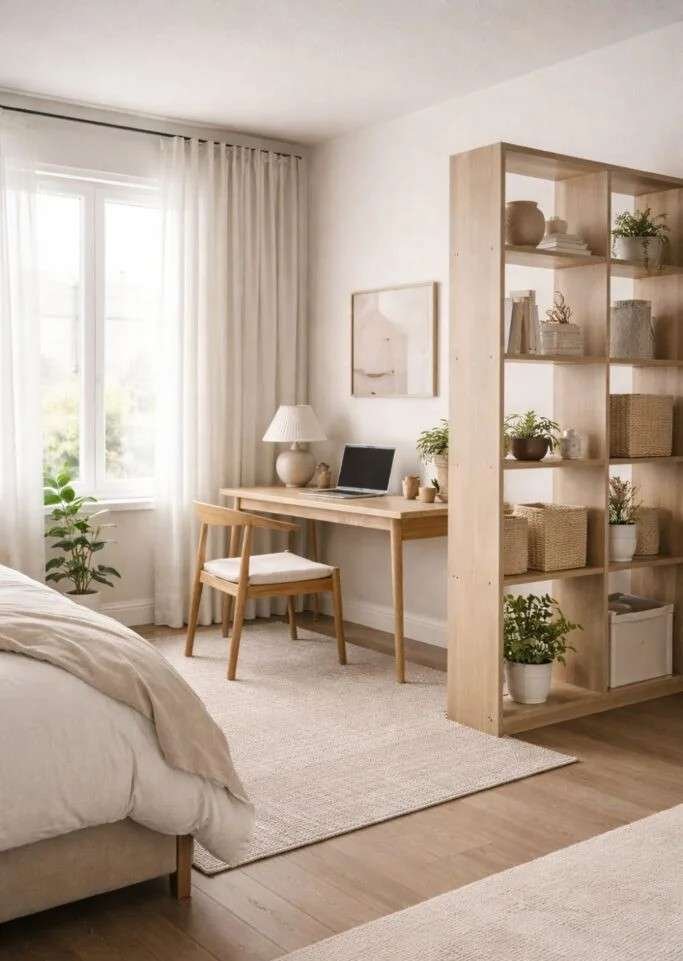
An open bookshelf is one of the most practical ways to divide a room because it creates a visual boundary while giving you additional storage. This idea works especially well in studio apartments where the living room and sleeping area share one open space.
Choose an open-backed shelving unit with a simple design and position it to define the two areas. Use the shelves for books, small baskets, framed photographs, and decorative objects. Leave several compartments empty so daylight can continue passing through the unit.
For a modern look, choose white or pale oak shelving with cream storage baskets. A darker wood finish can create a warm, traditional atmosphere. Follow the furniture manufacturer’s orientation, anchoring, and anti-tip requirements; many bookcases cannot safely stand perpendicular to a wall without appropriate fixing.
Budget tip: Refresh an existing bookshelf with suitable furniture paint rather than buying a new one. Keep heavier objects on lower shelves and secure the unit properly.
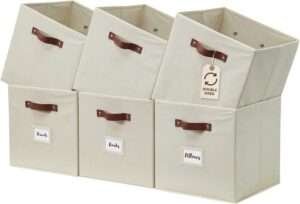
Amazon Find: Neutral Cube Storage Baskets
Matching storage baskets can help conceal clutter and give an open bookshelf divider a more coordinated appearance. Choose baskets that fit the shelf compartments without overloading them.
2. Hang Floor-to-Ceiling Curtains to Create Instant Privacy
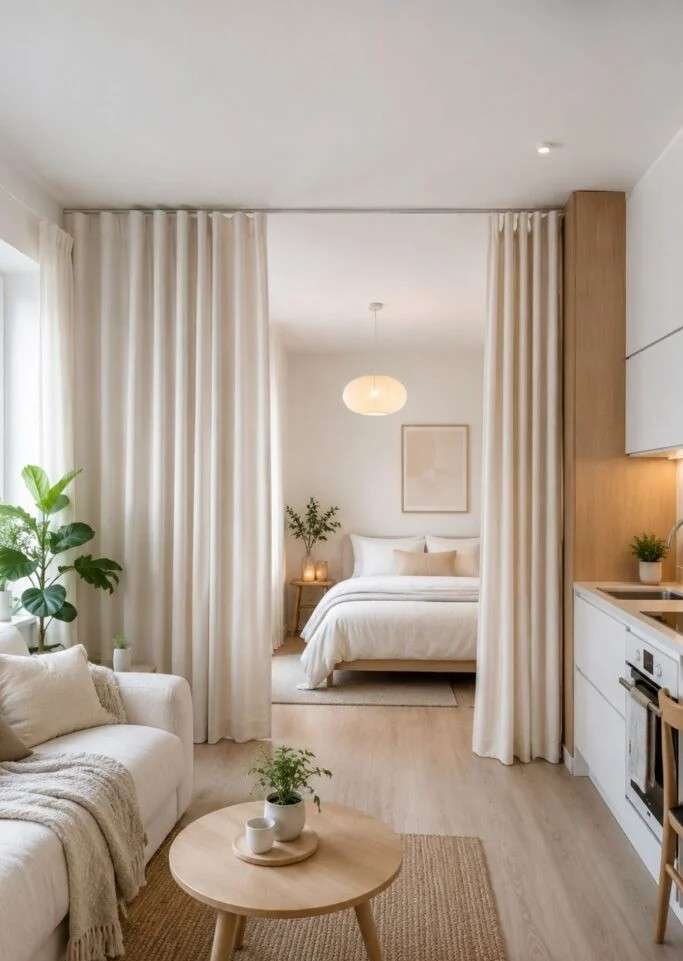
Curtains are an affordable and flexible room divider solution, especially when you want to create a private sleeping corner in an open apartment. Unlike a solid partition, curtains can be opened during the day to make the room feel spacious and closed whenever you need separation.
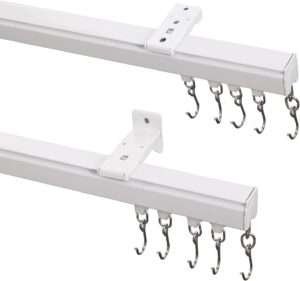
Install a ceiling-mounted curtain track where permitted, or use a properly rated tension system suitable for your room dimensions. Choose long panels that reach close to the floor. Linen-look curtains in ivory, oatmeal, or light gray create a soft appearance, while thicker fabric offers better visual privacy.
Position the curtain between your bed and main seating area, then add simple tiebacks so the fabric can be gathered neatly when not needed. For a more finished design, select curtain fabric that complements your bedding or living room rug.
Small-apartment tip: Use light-colored curtains when natural light is limited. Curtains may soften sound slightly, but they do not provide meaningful soundproofing.
Amazon Find: Ceiling Curtain Track System
A ceiling curtain track can support a smooth, flexible fabric partition for a bedroom or studio apartment. Check the installation surface and weight requirements before purchasing.
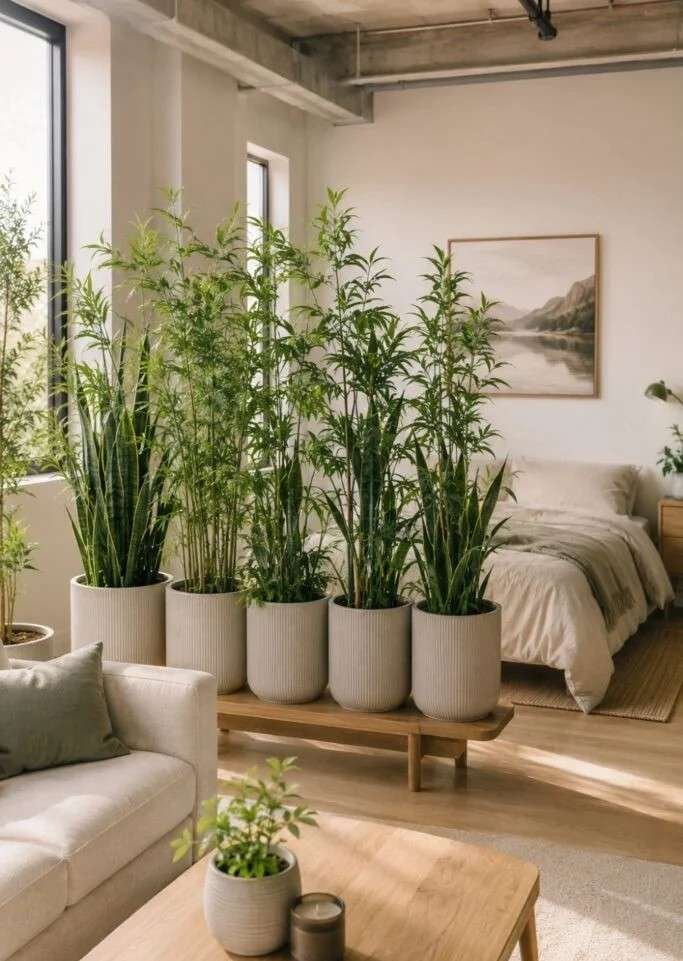
3. Create a Natural Privacy Divider With Tall Indoor Plants
If you prefer a softer alternative to solid furniture, tall indoor plants can form a beautiful living partition. Their natural shapes introduce a gentle boundary between spaces while keeping the room feeling open and relaxed.
Arrange several plants in a row along the edge of your living or sleeping area. Consider upright plants such as snake plants, dracaenas, or palms, depending on available light. Use matching planters or place smaller pots on stable plant stands to vary the heights.
For a cohesive look, choose terracotta, cream, or matte black pots. A narrow console table can support smaller plants behind a sofa, while larger floor planters create height. Check plant toxicity if you have pets, use drainage trays, and keep heavy pots away from unstable furniture.
Budget tip: Begin with two or three plants and allow them to grow rather than purchasing an entire mature display at once. A few realistic artificial plants can supplement the arrangement in low-light rooms.
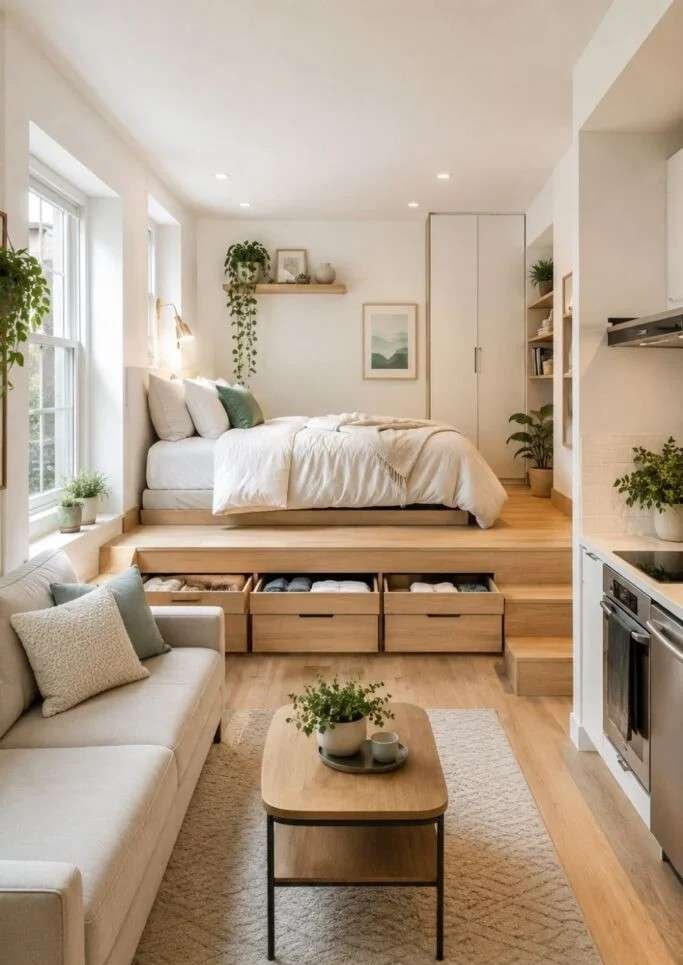
4. Define a Sleeping Zone With a Low Platform Bed
A platform bed can help distinguish the sleeping area in a studio apartment without requiring a tall divider. The subtle change in height creates a visual boundary, making the bedroom feel like a separate part of the home even though it remains open to the living space.
Choose a low-profile platform bed with a simple wood or upholstered finish. Models with built-in drawers are especially useful because they provide hidden storage for bedding, seasonal clothes, and other essentials. Place a small bedside lamp and a neutral rug nearby to strengthen the feeling of a dedicated bedroom corner.
If you’re considering a homemade raised platform, plan its structural support and safe access carefully. A commercially designed storage bed is often a simpler budget option than building an elevated floor from scratch. Avoid unguarded height changes that create trip hazards, especially in dark rooms.
Styling idea: Pair a natural wood bed frame with cream bedding and one low upholstered headboard for a calm, modern sleeping area.
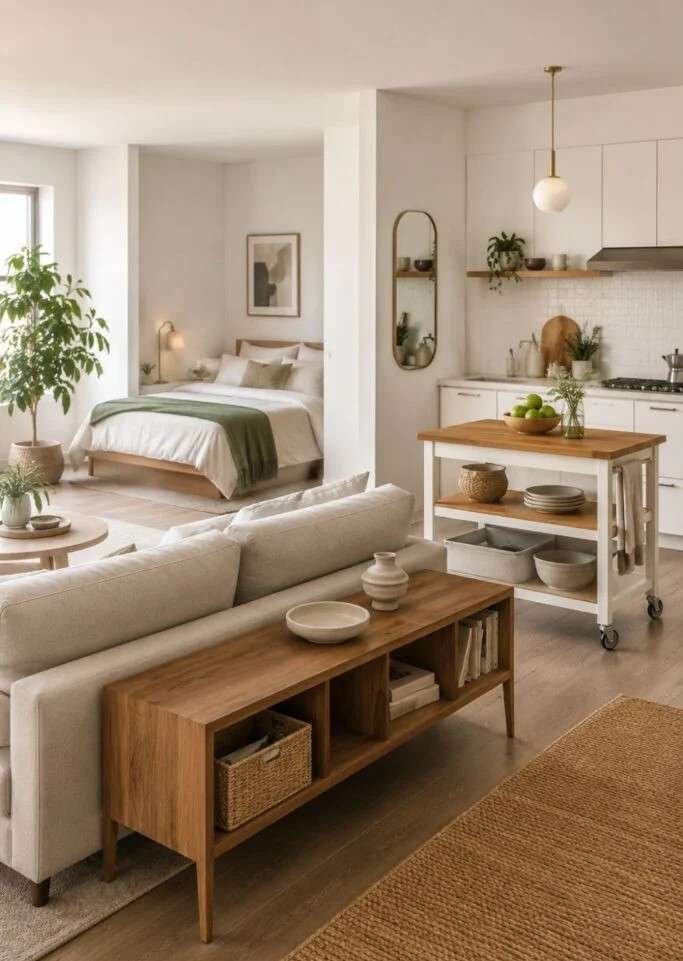
5. Use Your Sofa and a Narrow Console Table as a Divider
One of the easiest ways to divide an open room is to rearrange the furniture you already own. Positioning a sofa away from the wall can create a clear boundary between a living room and another functional area, such as a bedroom, dining space, or home office.
Place the sofa so its back faces the area you want to separate. Add a narrow console table behind it to give the arrangement a more finished appearance and provide a practical surface for small decorative objects, books, or a lamp. Choose a table no taller than the sofa back for a clean look.
A simple wooden console pairs beautifully with a beige sofa, while slim black metal furniture suits modern interiors. If the room is narrow, skip the table and allow the sofa itself to define the boundary.
Free decorating trick: Try turning your existing sofa before buying any new divider. You may achieve the separation you need without spending anything.
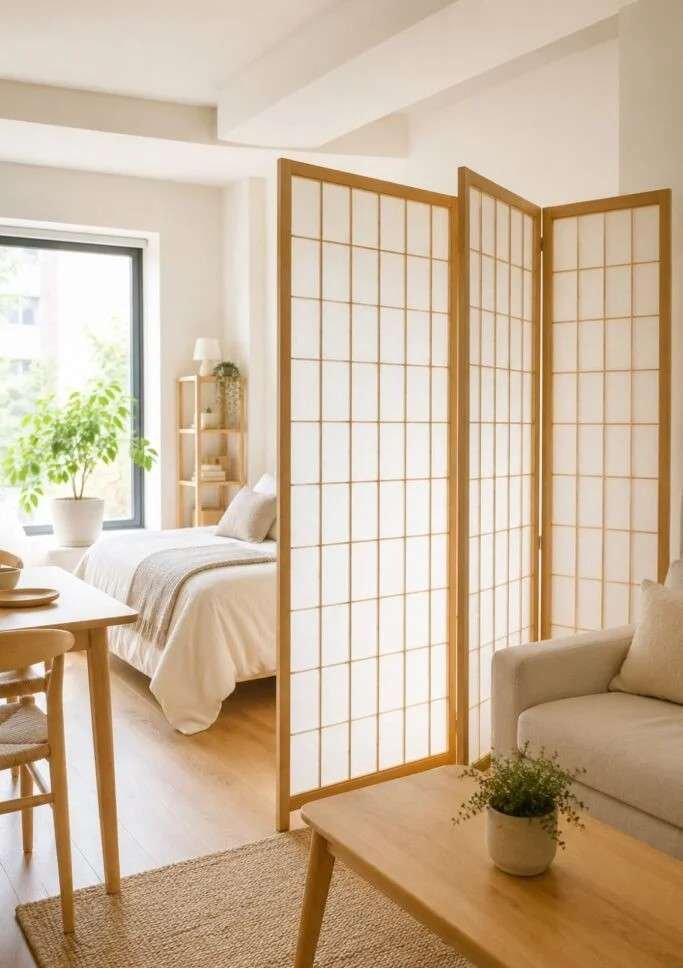
6. Make a Japanese-Inspired Folding Privacy Screen
A Japanese-inspired folding screen is a beautiful option for creating privacy without building a permanent wall. Its lightweight visual design makes it especially appealing in small bedrooms, apartments, and peaceful reading corners.
Create the appearance of a shoji screen using lightweight wooden frames and translucent, durable panel material. Arrange three or four rectangular panels with evenly spaced wood strips across each section. Connect the frames with suitable folding hinges, allowing them to stand in a stable zigzag arrangement.
Choose a pale natural wood finish with warm-white panels for a simple Scandinavian or Japanese-inspired aesthetic. Use shatter-resistant material rather than fragile glass, particularly in busy households. Ensure the finished frames, hinges, and feet are designed to prevent tipping.
Budget tip: Lightweight translucent polypropylene panels can be worth considering instead of delicate paper, provided the chosen material is suitable for the frame.
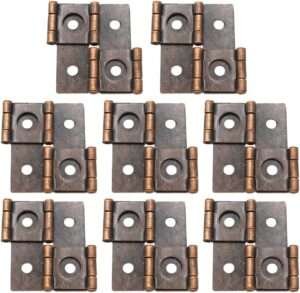
Amazon Find: Folding Screen Hinges
Suitable hinges help connect wooden frame panels for a custom folding divider. Match the hardware to the panel weight, thickness, and intended folding direction.
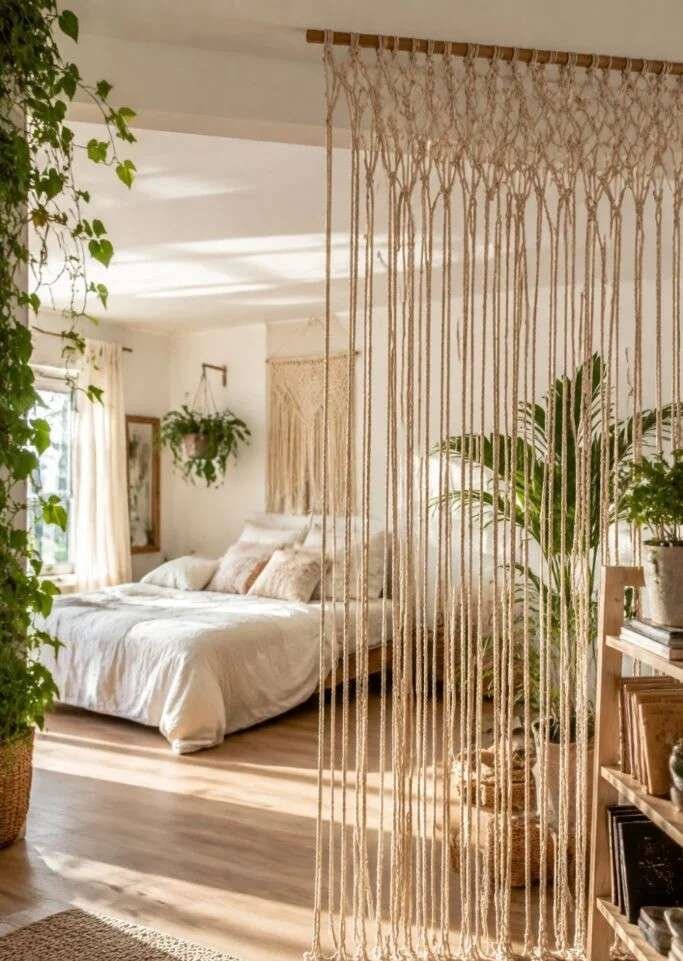
7. Hang a Textured Macramé Divider for a Relaxed Boho Look
A macramé divider is ideal when you want a decorative boundary rather than complete privacy. Its open knots and flowing cotton cords add texture while allowing light and air to move through the room. This makes it especially attractive in bohemian living rooms, bedrooms, and home offices.
Choose thick cotton macramé cord in natural cream, warm beige, or muted terracotta. Tie the strands around a sturdy wooden dowel and create a repeating pattern with simple square knots and diagonal knotting. Leave the lower cords hanging straight or finish them with a neat fringe.
Install the dowel using properly rated ceiling or wall supports suited to the structure. Position the divider beside a desk or at the edge of a bedroom zone, where it won’t interfere with walking paths. You can add a few lightweight decorative details, but keep the design simple so the knot pattern remains visible.
DIY tip: Use a single cord color and one repeating knot pattern if you’re a beginner. A restrained design is easier to complete and looks beautifully coordinated.
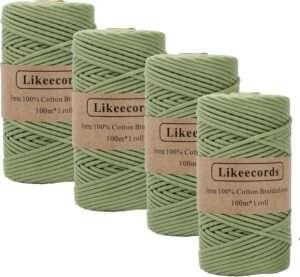
Amazon Find: Natural Cotton Macramé Cord
Thick natural cotton cord is suitable for creating decorative knot patterns, fringes, and soft hanging partitions. Choose a consistent thickness for a neat finished design.
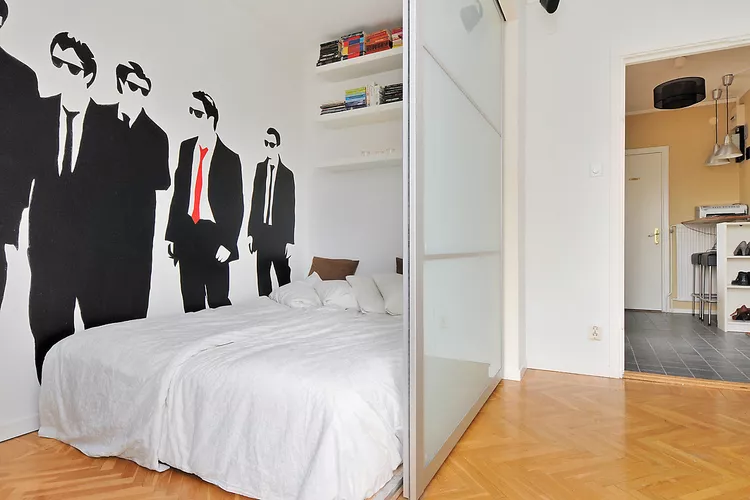
8. Repurpose Sliding Wardrobe Doors Into a Modern Partition
Sliding wardrobe doors can become an attractive room divider when you need more privacy than an open shelving unit provides. Their sleek surfaces and sliding movement are particularly useful in studio apartments where a conventional swinging door would consume valuable floor space.
Look for compatible secondhand wardrobe door panels or an existing sliding door system that can be adapted through a properly designed installation. Frosted or translucent panels are especially appealing because they allow some natural light to pass through while partially screening the sleeping area.
A ceiling-to-floor sliding partition can provide a clean, modern appearance when installed with a suitable track, guide, and anti-derailment hardware. Wardrobe doors are not automatically approved as architectural partitions, so verify the panel weight, track compatibility, overhead support, and safe operation before attempting this project. Professional installation may be necessary.
Budget idea: Explore architectural salvage stores for compatible sliding panels before purchasing a complete new system. Avoid used tempered-glass panels with chipped edges or unknown condition.
9. Build a Rustic Divider Using Reclaimed Wooden Pallets
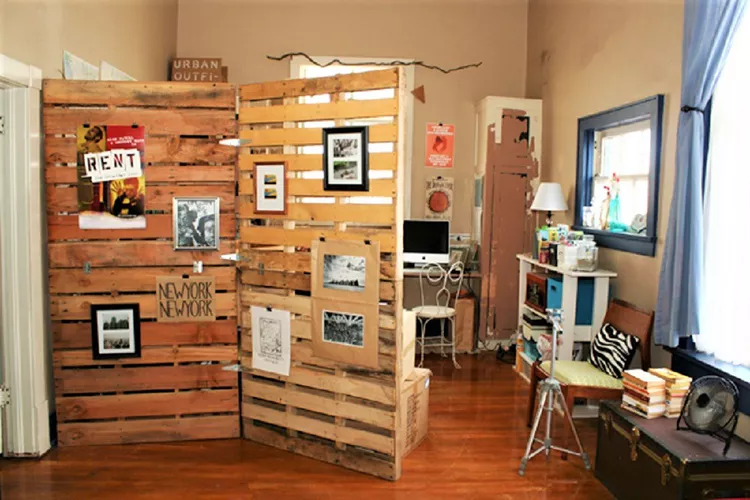
Reclaimed pallet wood can create a charming divider with plenty of rustic character. Its imperfect grain, natural knots, and varied tones work beautifully in farmhouse, industrial, and vintage-inspired rooms. This project is especially useful for separating a small home office from a bedroom or living space.
Source clean, undamaged, heat-treated pallet wood from a trustworthy supplier. Remove nails carefully, inspect the lumber, and sand rough surfaces to reduce splinters. Arrange the reclaimed boards across a properly supported wooden frame, leaving small gaps between boards if you want some light to pass through.
Finish the wood with a suitable clear protective coating or stain to bring out its natural texture. A simple vertical layout creates a modern rustic appearance, while horizontal boards feel more traditional. Avoid chemically treated, contaminated, moldy, or unknown-origin pallets, and anchor the finished partition securely.
Creative touch: Add a few lightweight framed photographs or small decorative clips to a properly finished section for a personalized display.
10. Turn a Salvaged Window Frame Into an Airy Room Divider
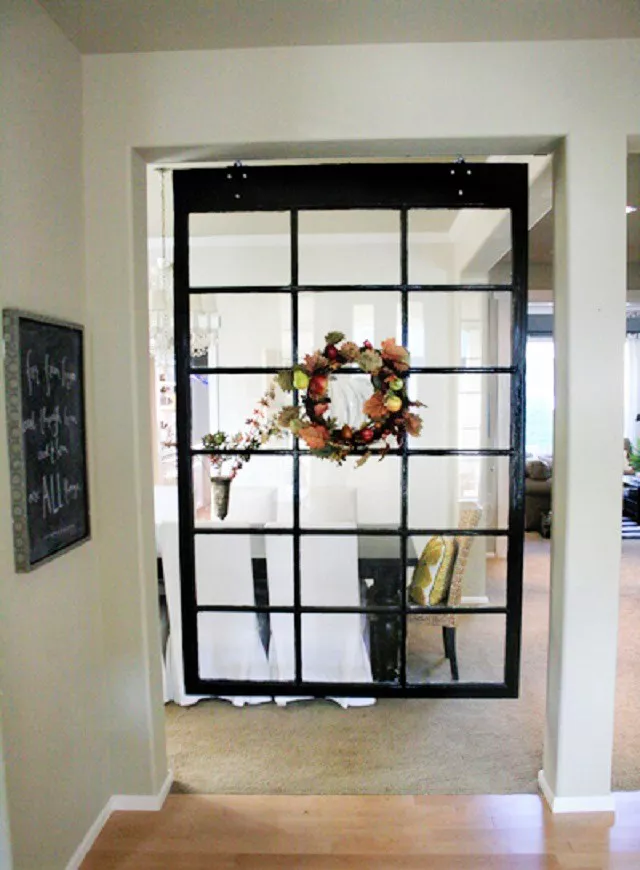
An old window frame can become a beautiful divider that brings vintage charm into an open living space. Unlike a solid panel, its framed openings allow light to travel through the room, making the idea particularly attractive when you want separation without creating a dark corner.
Look for an architectural window sash with an interesting shape, such as multiple rectangular panes or a simple farmhouse grid. After checking its condition, clean and refinish the wood in soft white, warm gray, or natural wood tones. A properly engineered suspension system can allow the frame to hang between a dining area and living room.
Old painted windows may contain lead-based paint, and their glass may not be safety-rated. Have suspicious finishes assessed, and consider replacing glazing with suitable shatter-resistant panels. Use structural ceiling supports and rated hardware rather than ordinary decorative hooks.
Vintage styling tip: Keep surrounding furniture simple and let the aged window frame become the main decorative feature.
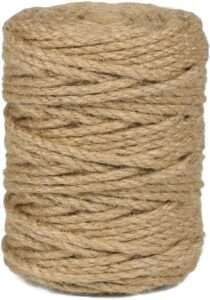
11. Make a Light and Airy Divider With Vertical Jute Rope
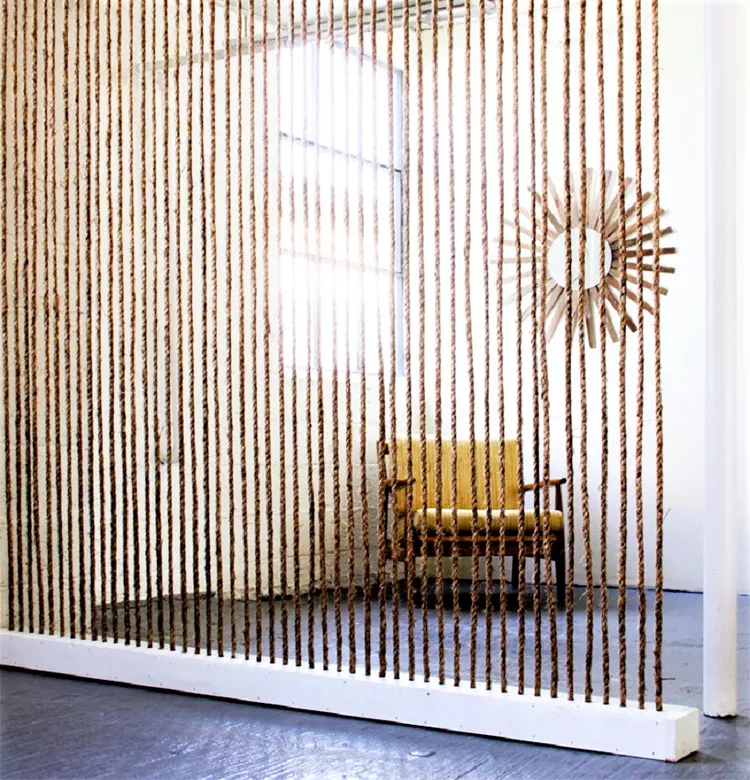
A jute rope partition gives a room a warm, textured appearance without closing off the space. The vertical strands provide a gentle visual boundary while leaving generous gaps for natural light, making this idea suitable for living rooms, dining areas, and spacious entryways.
Start with a properly supported top and bottom wooden rail. Mark evenly spaced positions for the rope, then thread or secure the strands through the designated openings. Keep the rope straight and consistently tensioned for a neat architectural appearance. Use natural jute for an earthy look or cream cotton rope for a softer modern style.
The completed partition should have securely fixed rails and should not create loose loops or climbing hazards for children. Jute offers visual texture rather than privacy, so it works best where you simply want to distinguish one area from another.
Design tip: Pair natural rope with pale wooden furniture, cream walls, and neutral textiles for an organic modern appearance.
Amazon Find: Natural Jute Rope for DIY Decor
Natural jute rope introduces organic texture to decorative partitions. Compare rope thickness and quantity before starting your project, and use securely installed supports.
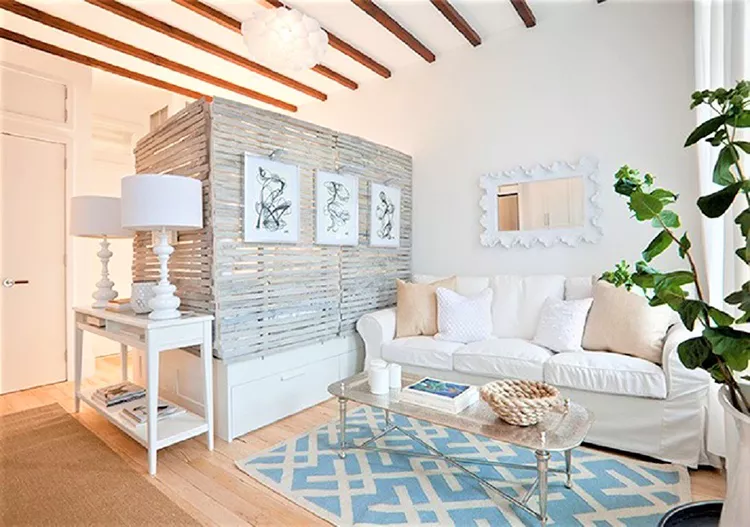
12. Create a Modern Slatted Room Divider From Reclaimed Wood Strips
Thin reclaimed wooden strips can be arranged into a decorative partition that feels architectural without requiring solid wall construction. The evenly spaced slats give a room a sense of structure while retaining the openness that makes this style attractive in modern and Scandinavian interiors.
Use straight, structurally sound reclaimed wood strips or new inexpensive battens if salvaged pieces aren’t suitable. Sand the edges and cut the boards to match your planned divider height. Arrange them vertically or in a simple geometric pattern with consistent gaps between the pieces. Secure the decorative slats within an independently supported frame designed for the installation.
For a contemporary look, stain the wood in a warm walnut tone or use a clear matte finish. Natural pine works well in light, minimalist rooms. Avoid using cracked or potentially lead-painted salvaged lath, and ensure the completed structure cannot tip or detach.
Budget tip: Check lumber offcut bins at home improvement stores for matching wooden strips before buying full-length decorative panels.
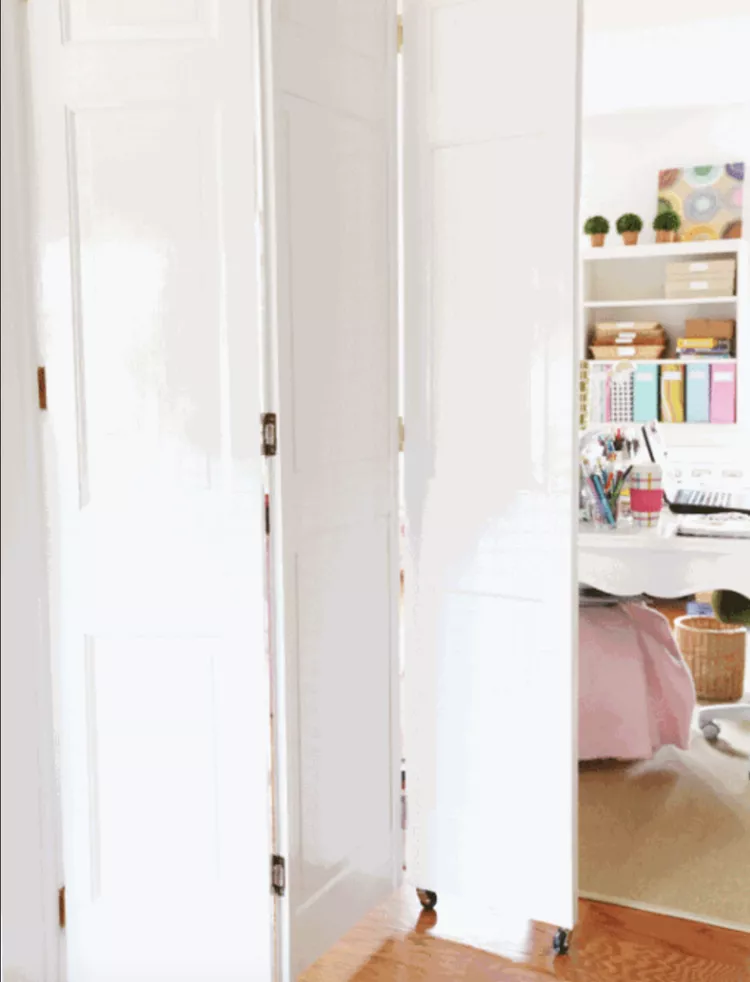
13. Refresh Secondhand Bifold Doors Into a Beautiful Folding Divider
Old bifold closet doors are a clever starting point for a budget room divider. Their hinged panels already offer a folding structure, and a simple paint makeover can help them suit farmhouse, traditional, or modern interiors.
Look for a pair of lightweight bifold doors at a salvage shop or secondhand marketplace. Clean the surfaces, repair minor imperfections, and apply an appropriate primer before painting. Soft white gives the doors a classic appearance, while charcoal or muted sage can create a more distinctive feature.
A decorative handle can add character, but pay close attention to the door’s support. Closet doors are usually designed to operate within a track and are not necessarily stable as freestanding screens. Use a properly engineered hinged installation or add professionally designed stabilizing supports instead of relying on the original hinges alone.
Styling tip: A soft satin paint finish can make old wooden doors look freshly updated without drawing excessive attention to surface imperfections.
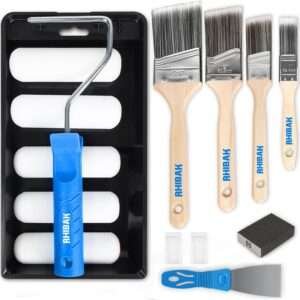
Amazon Find: Furniture Painting Supplies
A basic painting kit with brushes, small rollers, and sanding supplies can help refresh secondhand doors and wooden divider frames for a coordinated finish.
Best Color Palettes for DIY Room Dividers
A room divider looks more intentional when its color and material connect with the surrounding furniture. Choose a palette that suits your existing room rather than treating the partition as a separate decorating project.
- Warm Scandinavian: Pale oak, creamy white, oatmeal, and soft gray. Ideal for open shelving and wood-frame screens.
- Modern Natural: Walnut, beige, charcoal, and warm brass. Beautiful for slatted wood and rope partitions.
- Relaxed Bohemian: Ivory, terracotta, natural jute, and muted olive green. Works well with macramé and indoor plant dividers.
- Vintage Farmhouse: Soft white, weathered wood, sage green, and antique black. Perfect for salvaged doors and old window frames.
- Contemporary Minimalist: Matte black, light oak, warm white, and stone gray. Suitable for sliding panels and geometric partitions.
DIY Room Divider Shopping Checklist
The supplies you need will depend on the type of divider you choose. Begin with materials required for safe construction, then add decorative details once the basic structure is complete.
Essential DIY Supplies
- Measuring tape and level
- Suitable wooden frames, panels, or furniture
- Correct screws, brackets, hinges, and anchors
- Sandpaper and suitable finishing products
- Primer and paint for painted projects
- Appropriate cutting and drilling equipment where needed
- Safety glasses, gloves, and protective work materials
- Professional guidance for heavy or ceiling-mounted dividers
Optional Decorative Extras
- Decorative curtain panels
- Cotton macramé cord or natural jute rope
- Coordinated storage baskets
- Indoor plants and matching pots
- Lightweight translucent screen panels
- Decorative cabinet or door handles
- Framed prints or lightweight accessories
- Warm ambient lighting
Money-saving tip: Look for supplies you can reuse before visiting the hardware store. Unused curtain panels, leftover paint, wooden boards, and older furniture may already provide much of what you need for a simple divider project.
Common DIY Room Divider Mistakes to Avoid
- Choosing a divider that’s too large: Measure the available space before building. Oversized partitions can make a compact room feel crowded and interfere with furniture movement.
- Blocking windows: Tall solid dividers may reduce natural light. Consider open shelving, translucent panels, or rope partitions when daylight matters.
- Forgetting stability: Heavy bookshelves, wooden screens, and salvaged doors need appropriate structural support. Follow manufacturer instructions and use professional guidance when necessary.
- Using unsafe reclaimed materials: Old paint may contain lead, and reclaimed lumber can have hidden nails, splinters, mold, or contamination. Inspect and prepare materials carefully.
- Overloading shelves: Keep heavier belongings low and within the furniture’s stated weight limits.
- Creating tripping hazards: Floor tracks, raised platforms, trailing cords, and unstable screen feet can make walking areas unsafe.
- Blocking required exits: Room dividers should never obstruct doors, escape routes, ventilation openings, or access to essential building systems.
- Ignoring lease restrictions: Some curtain tracks, structural anchors, and sliding installations require drilling. Get permission before making changes to a rental.
- Mixing too many materials: Too many unrelated finishes can make a DIY divider look visually busy. Repeat a few materials and colors already present in the room.
- Assuming a divider is soundproof: Curtains, screens, and open shelving offer varying levels of visual separation but generally provide little acoustic isolation.
Frequently Asked Questions About Budget DIY Room Dividers
1. What is the cheapest way to divide a room without building a wall?
Rearranging existing furniture is often the most affordable solution. Positioning a sofa or bookshelf strategically can create separate zones without buying new materials. Curtains are another budget-friendly choice, particularly if you already own panels and can install them using suitable mounting hardware.
2. How can I make a DIY room divider for a small studio apartment?
Choose a divider that provides privacy without consuming too much floor space. A properly installed ceiling curtain, folding screen, or open shelving unit can create a bedroom boundary. Measure the room carefully, preserve a clear walkway, and choose light colors or partially open materials to maintain brightness.
3. Can I make a renter-friendly room divider without drilling?
Yes. Stable purpose-built folding screens, furniture arrangements, and freestanding plant groupings can provide separation without permanent alterations. Some tension-mounted curtain systems may also work if properly rated for the space. Avoid using furniture that requires wall anchoring unless your lease permits safe installation.
4. What DIY room divider lets the most natural light through?
Open rope partitions, slatted wooden screens, transparent or translucent panels, and lightly decorated open shelves allow more daylight through than solid walls. If privacy is important, a translucent screen offers a useful compromise by reducing direct visibility while keeping the room relatively bright.
5. How do I make an inexpensive DIY room divider look stylish?
Use a limited color palette, repeat materials from your existing furniture, and pay attention to the quality of the finish. Smooth wood edges, consistent spacing, neatly fitted fabric, and coordinated accessories make a simple project appear more polished. Avoid overcrowding the divider with unnecessary decorations.
Recommended Amazon Finds for DIY Room Divider Projects
These versatile supplies can help with several affordable divider projects, whether you prefer a fabric screen, natural rope partition, or upcycled wooden furniture.
- Neutral Linen-Look Curtain Panels: A simple option for creating soft, adjustable separation between sleeping and living areas.
- Natural Jute Rope: Adds organic texture to decorative hanging screens and open partitions.
- Decorative Folding Room Screens: Useful as a ready-made alternative or inspiration for a custom wooden and fabric divider.
Final Thoughts on DIY Room Divider Ideas on a Budget
These DIY room divider ideas on a budget show that creating separate spaces doesn’t have to involve expensive renovations. From bookshelves and curtains to salvaged window frames and wooden partitions, simple materials can help organize open rooms while bringing character and personality into your home.
Start with the easiest option that solves your main problem. Rearrange your sofa if you only need a visual boundary, hang curtains for flexible privacy, or create a decorative screen if you enjoy hands-on projects. With thoughtful planning, safe construction, and a few coordinated details, even a modest DIY divider can make your home feel more comfortable, organized, and beautifully styled.
