
Starting college is exciting, but packing for a small dorm can quickly become overwhelming. The most useful dorm products are not necessarily the trendiest ones—they are the items that support sleep, hygiene, laundry, organization, studying, and everyday campus life.
This edited list includes 25 practical dorm room essentials for guys starting college. It removes optional and overlapping products from a longer checklist so students and parents can focus on the items most likely to be used throughout freshman year.
Affiliate disclosure: This article contains affiliate links. HowItSee may earn a small commission from qualifying purchases at no additional cost to you.
A college dorm is a bedroom, study area, storage space, and sometimes a small food station in one room. Products should therefore be durable, compact, easy to clean, and useful more than once a week.
Before buying appliances, bed risers, power strips, decorative lights, or anything that attaches to the walls, check the college housing rules. Coordinate larger or shared products with the roommate to avoid duplicates.
Buy first: Prioritize bedding, shower supplies, towels, laundry products, basic storage, cleaning supplies, an approved power strip, a desk lamp, and a first aid kit. Add optional products only after seeing the room.
Quick Navigation
Quick Picks: Most Important Dorm Essentials For Guys
| Essential | Most Useful For | Why It Matters |
|---|---|---|
| Mattress Topper | Better sleep | Adds comfort to a basic residence hall mattress. |
| Shower Caddy | Communal bathrooms | Keeps grooming products together and easy to carry. |
| Under-Bed Bins | Small-room storage | Uses space that would otherwise remain empty. |
| Laundry Backpack | Laundry trips | Makes carrying clothes between floors or buildings easier. |
| Approved Power Strip | Charging devices | Helps manage limited outlets safely when permitted. |
For a broader checklist that is not specific to guys, see our guide to dorm room essentials every college freshman needs.
25 Dorm Room Essentials For Guys Starting College
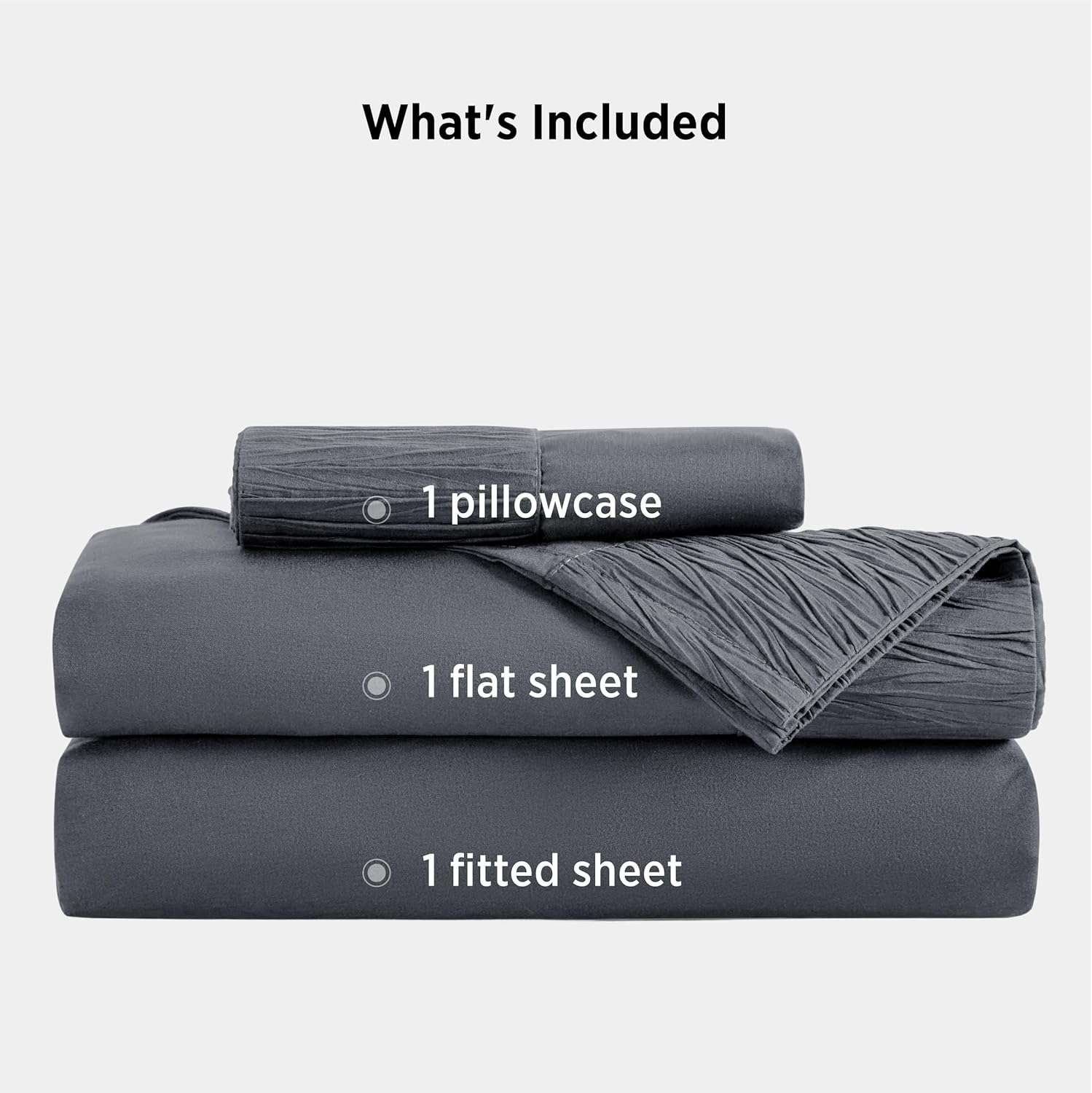
1. Twin XL Sheet Set
Most college residence halls use Twin XL mattresses, which are longer than standard twin beds. Regular twin sheets may pull loose or fail to cover the mattress properly.
Bring two sets so one can be used while the other is being washed. Darker neutrals, navy, grey, olive, and simple patterns are easy to coordinate and maintain.
2. Twin XL Comforter
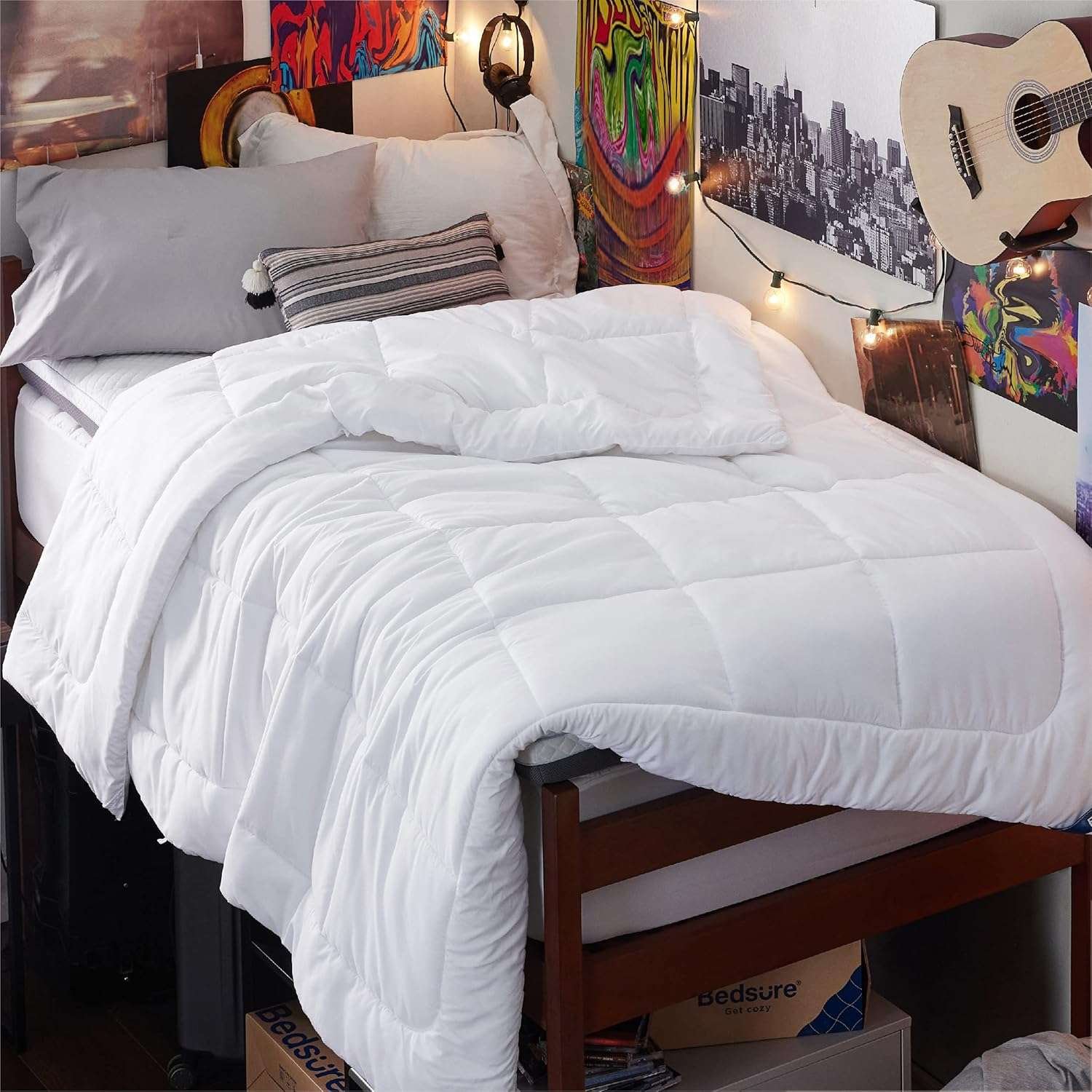
A washable comforter gives the bed warmth and helps the room feel more put together. Since dorm temperatures can change, a medium-weight option is usually easier to use than an extremely heavy one.
A simple solid color or reversible design works well because it can stay in place even if the rest of the room changes during the year.
3. Mattress Topper
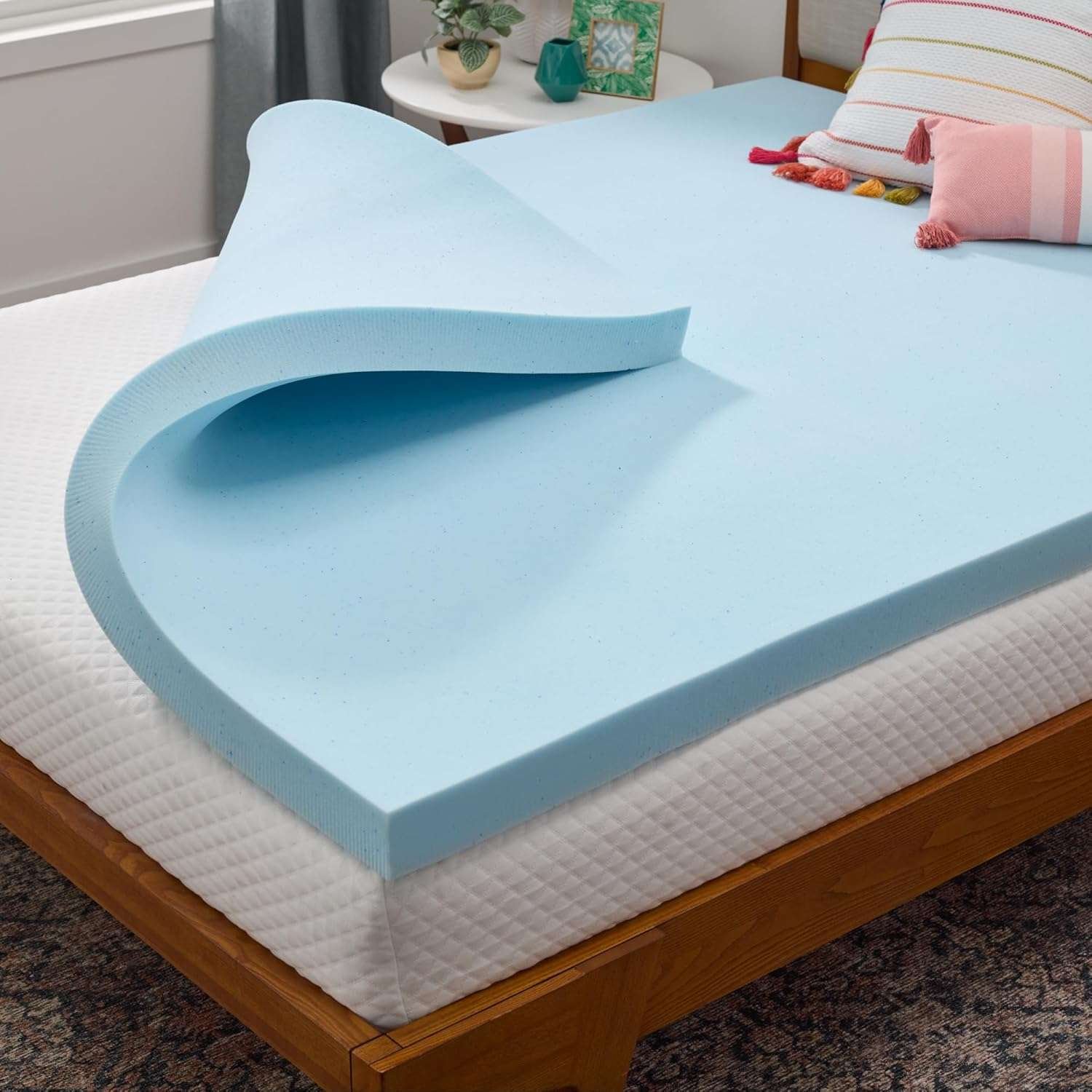
Dorm mattresses are built for durability and can feel firmer than the bed used at home. A topper adds cushioning and can make sleep more comfortable during a demanding college schedule.
Memory foam, gel foam, and other supportive materials are common choices. The right option depends on personal comfort and whether the room tends to feel warm.
4. Mattress Protector
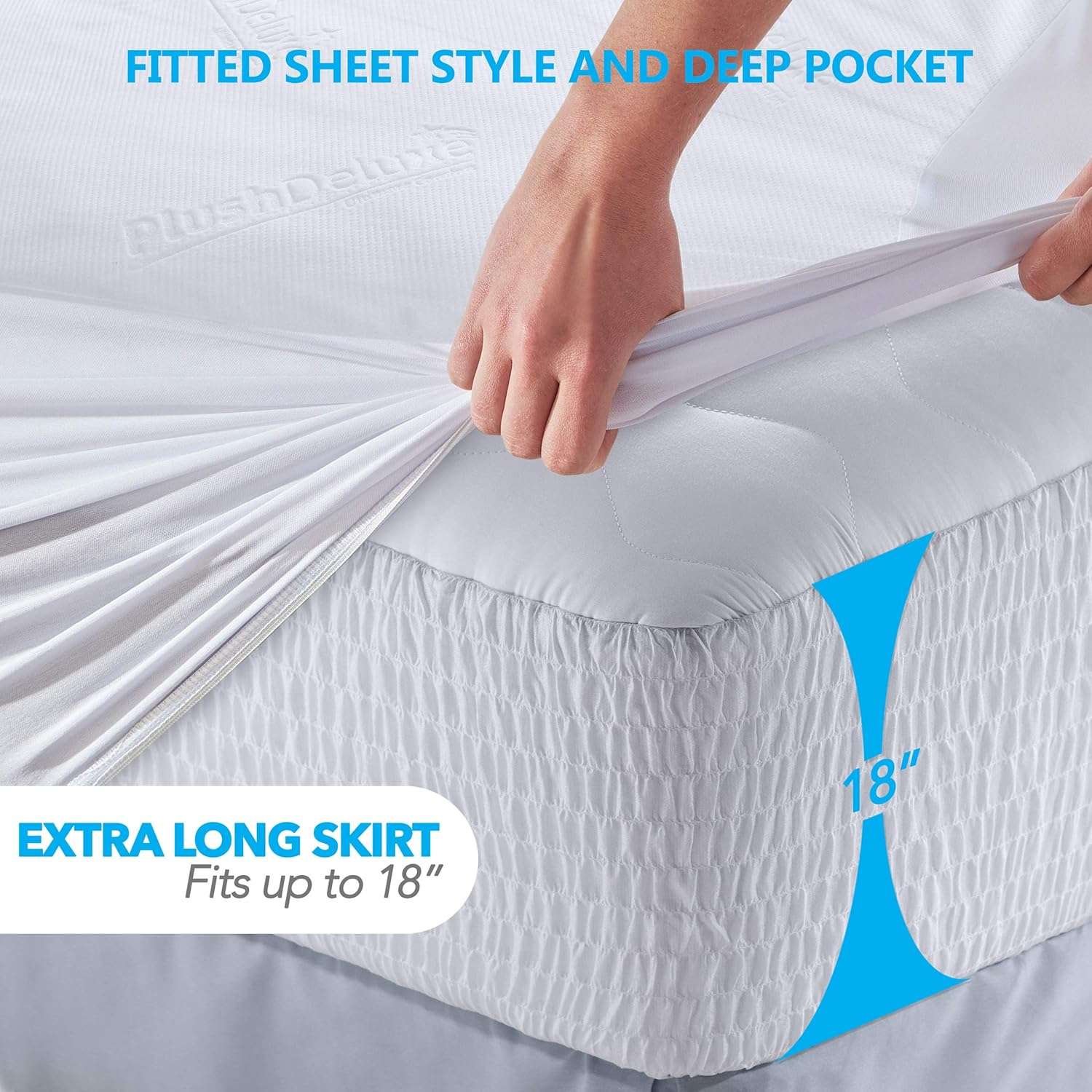
A mattress protector creates a washable barrier between the student, topper, and residence hall mattress. It also helps protect against sweat, crumbs, and accidental spills.
A fitted waterproof protector is generally easier to manage than a loose pad and should be deep enough to cover both the topper and mattress.
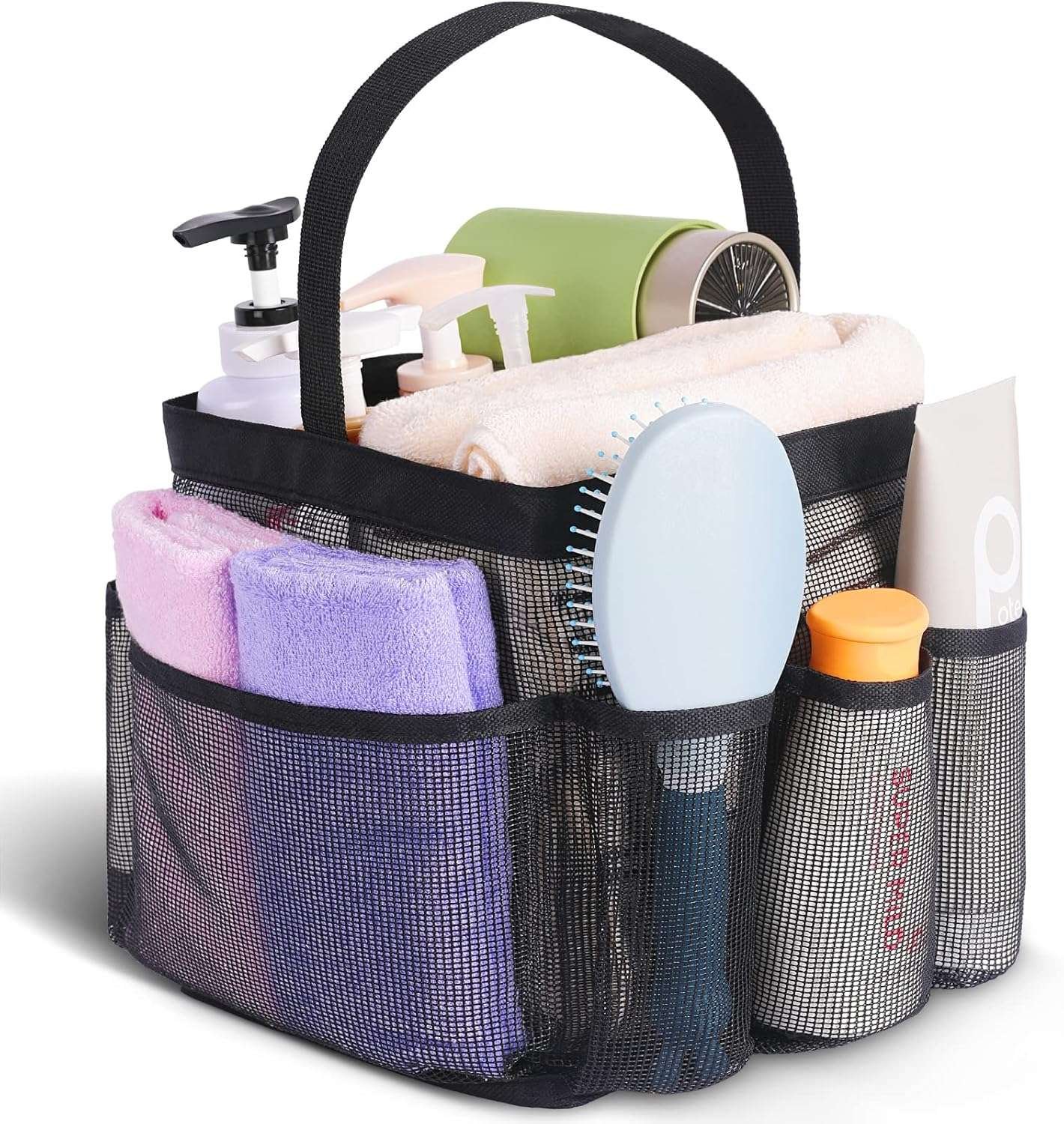
5. Shower Caddy
A shower caddy keeps shampoo, body wash, face wash, shaving supplies, deodorant, and other toiletries together for trips to a communal bathroom.
Mesh versions dry quickly, while plastic caddies are easy to wipe clean. Several compartments make smaller grooming items easier to find.
6. Shower Shoes
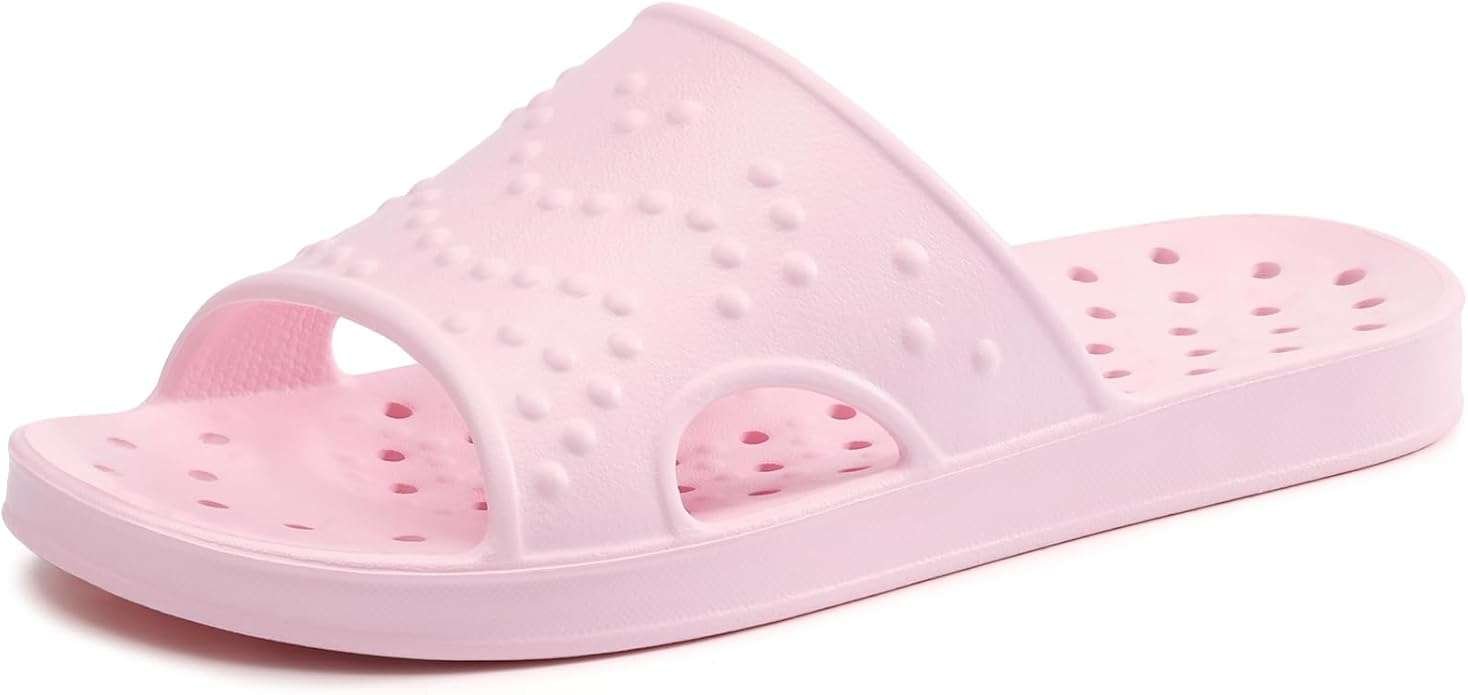
Shower shoes are a basic necessity in shared bathrooms. They provide dedicated footwear for walking through wet communal areas and can be rinsed after use.
A lightweight slide with drainage holes is practical because it dries more quickly and is easy to store beside the shower caddy.
7. Quick-Dry Towels
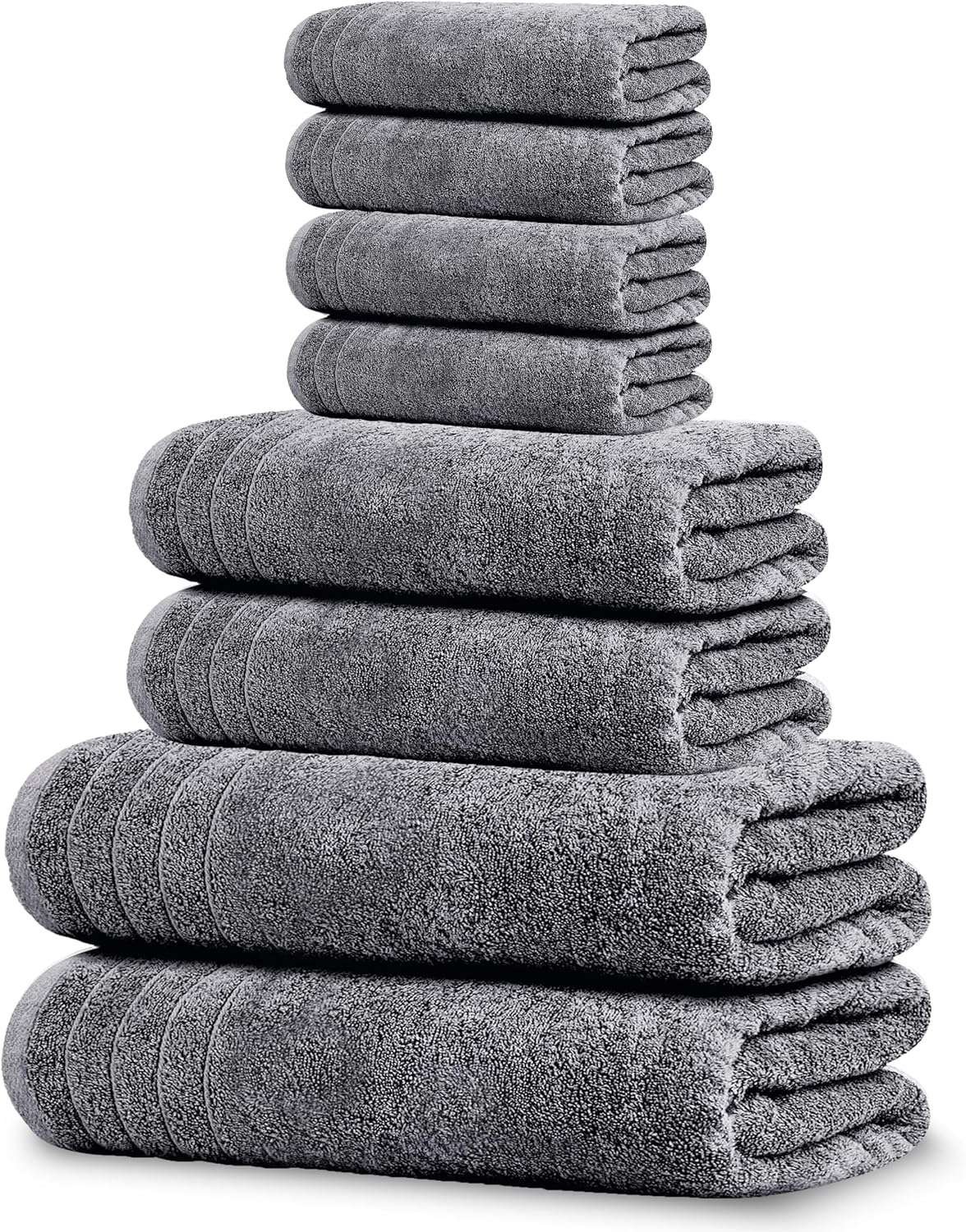
Thick towels can remain damp in a room with limited airflow. Quick-dry towels use less storage space and are easier to carry between the dorm, bathroom, and laundry room.
Two bath towels and one hand towel provide a practical starting point, allowing one set to remain available while the other is being washed.
8. Hanging Toiletry Bag
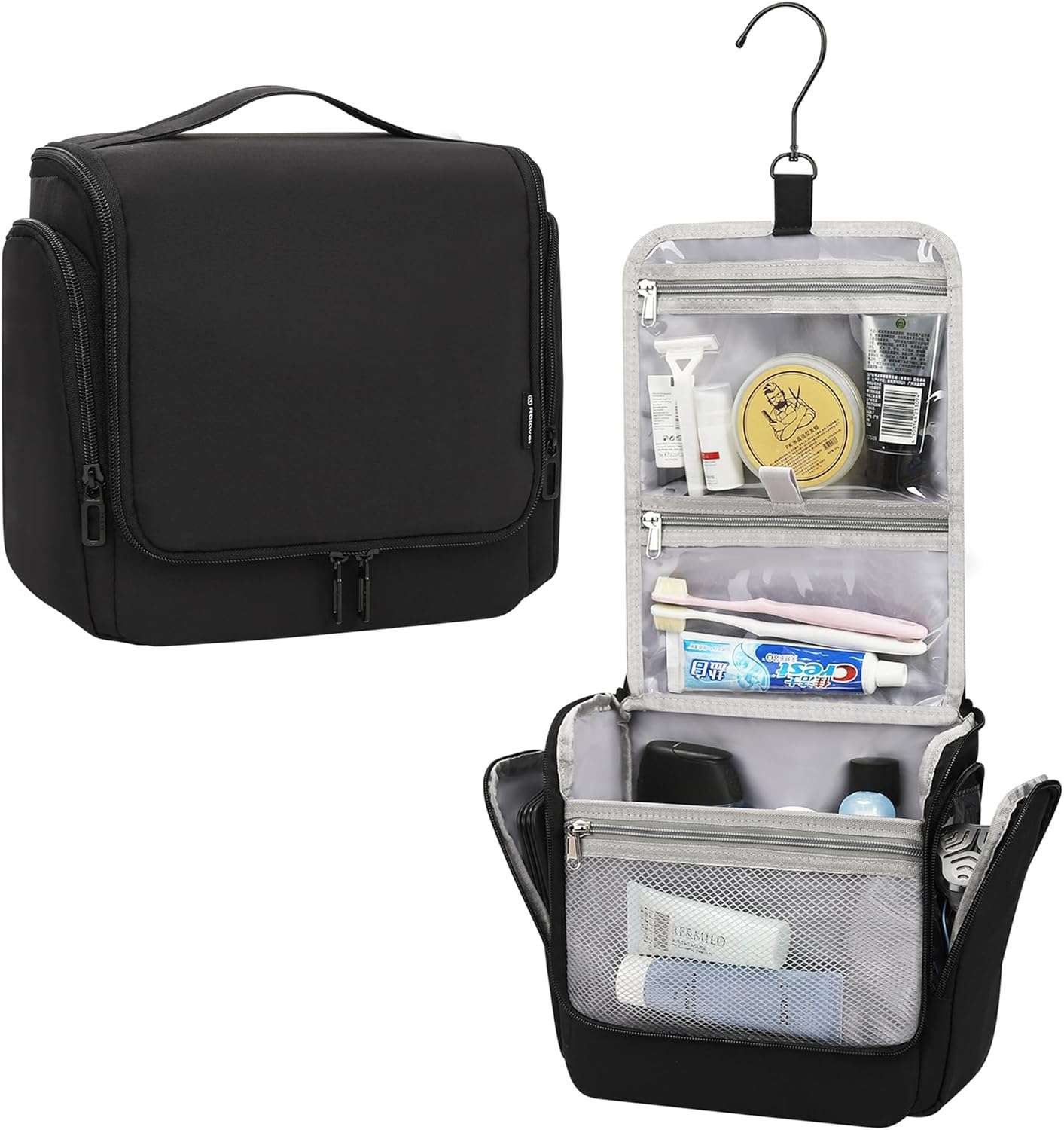
A hanging toiletry bag is useful for daily grooming, gym visits, weekend trips, and travel home. Separate compartments keep small products from becoming mixed together.
When opened, it can hang from an approved hook and keep grooming supplies off a wet counter. When closed, it stores neatly in a drawer or closet.
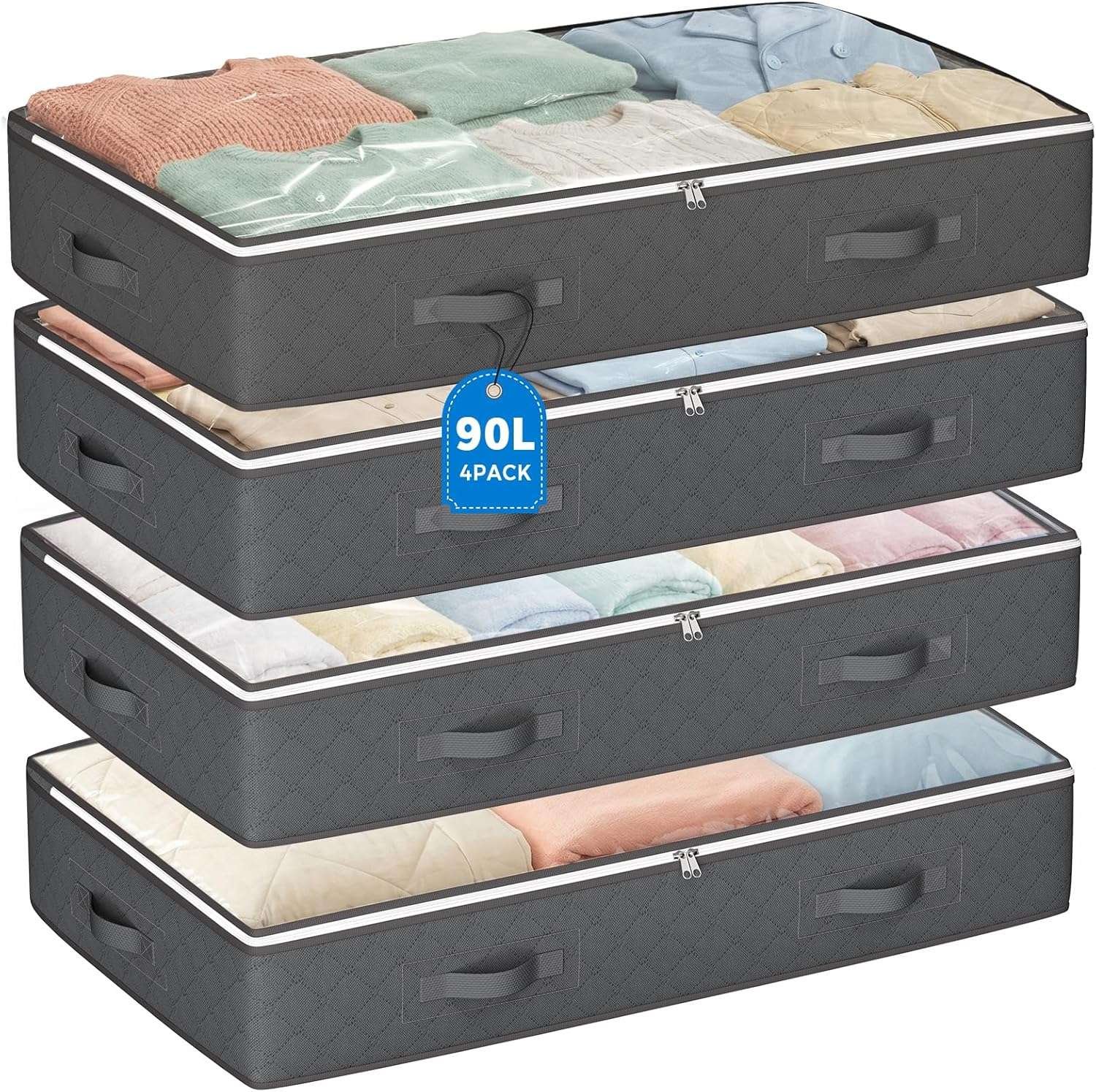
9. Under-Bed Storage Bins
The area beneath the bed is often the largest unused storage zone in a dorm. Bins can hold seasonal clothes, extra towels, shoes, hoodies, snacks, and backup supplies.
Clear containers make the contents easy to identify, while fabric bags can compress when they are not full. Measure the available clearance before ordering.
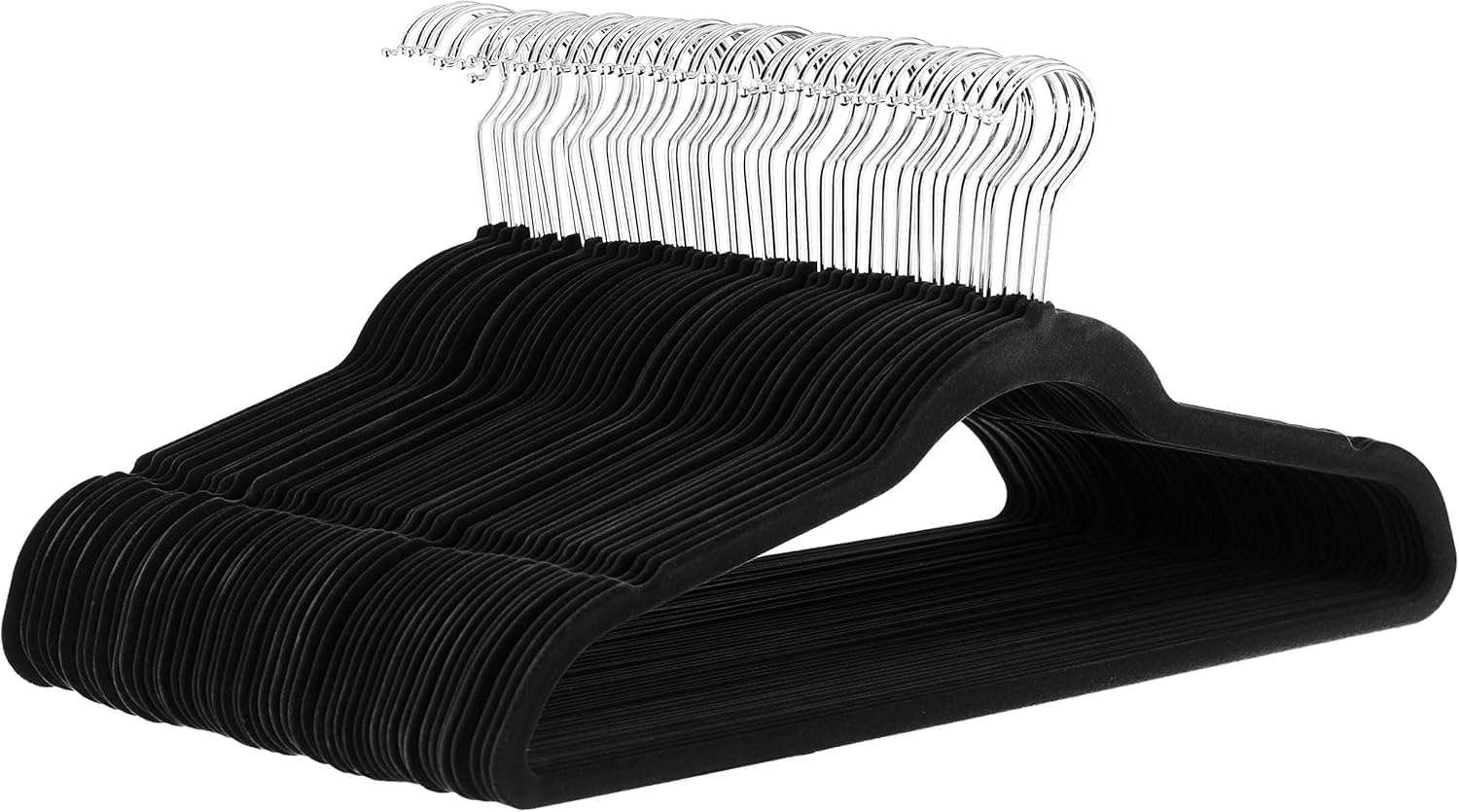
10. Slim Hangers
A small dorm closet can fill quickly when bulky hangers take up too much rod space. Slim hangers create a more efficient row and help clothing stay organized.
Using one consistent hanger style also makes the closet easier to scan and reduces tangling between shirts, jackets, and trousers.
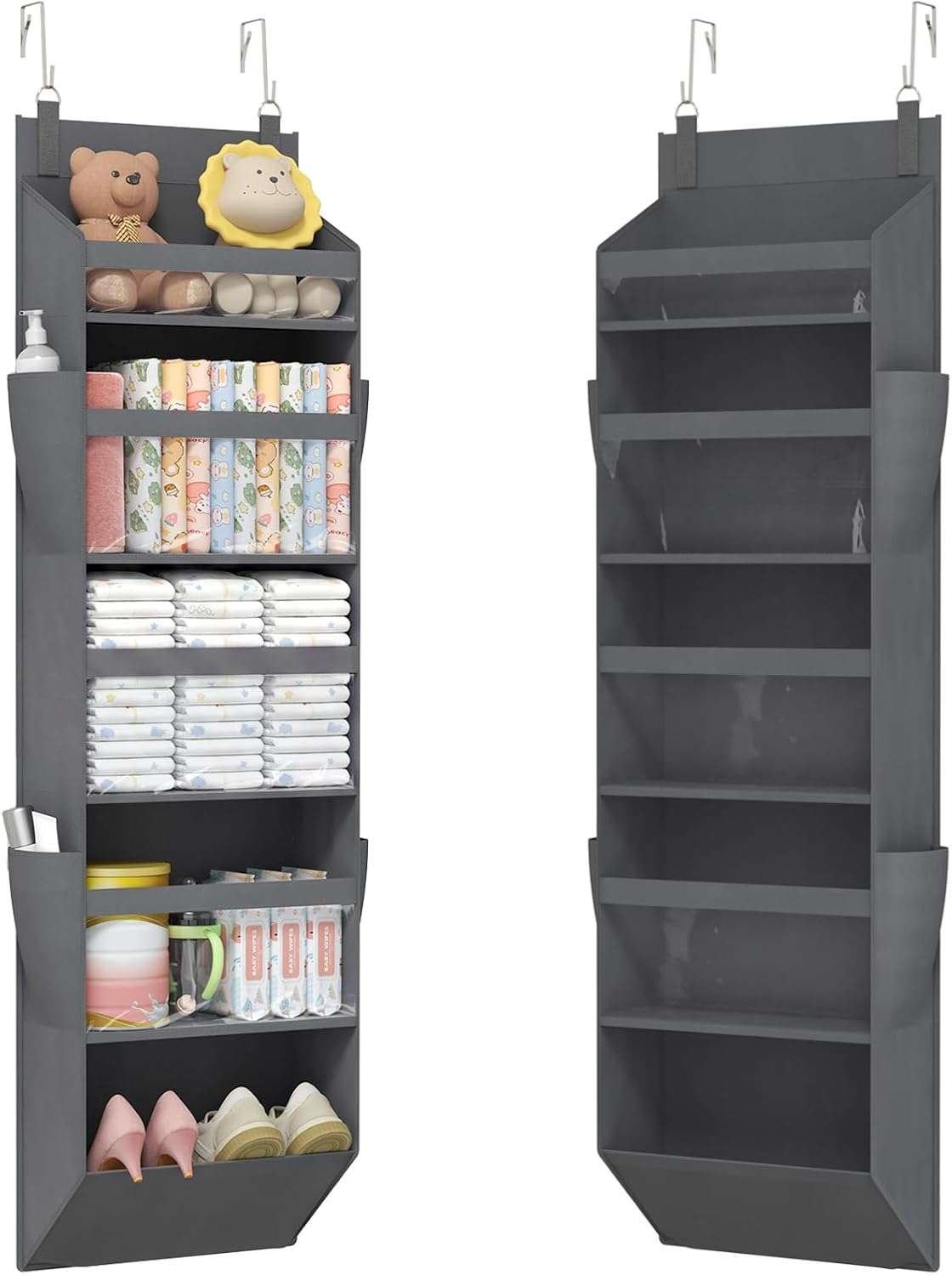
11. Over-The-Door Organizer
The back of a door can hold shoes, toiletries, snacks, hats, cords, cleaning products, or small accessories without using floor space.
Clear pockets are helpful for locating small items quickly. Make sure the hooks do not prevent the door from closing or damage the frame.
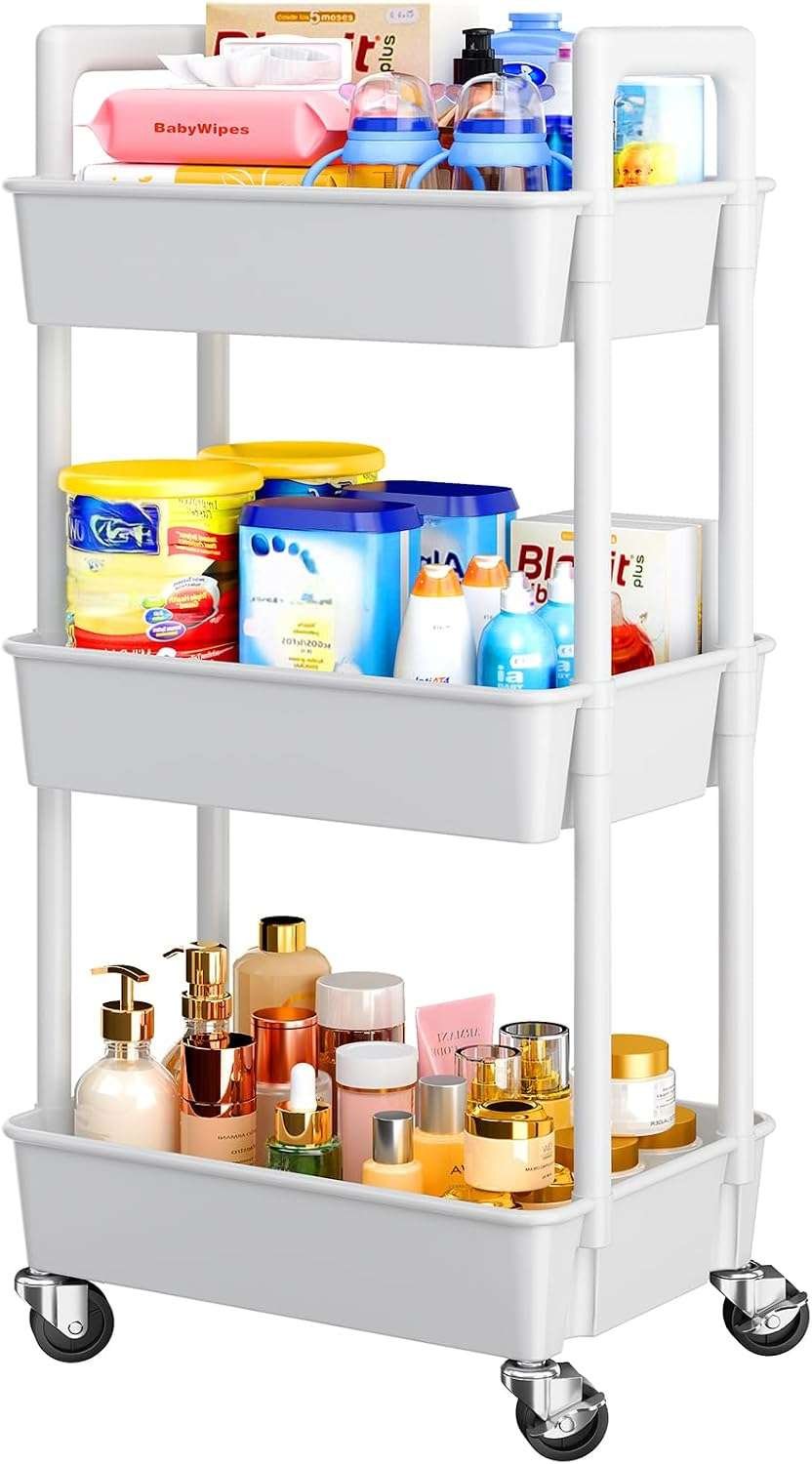
12. 3-Tier Rolling Cart
A rolling cart can serve as snack storage, a grooming station, a school-supply organizer, or a place for cleaning products. It can change purpose as the semester progresses.
The vertical design provides several levels of storage without occupying the width of a cabinet, and wheels make it easier to move while cleaning.
13. Microwave-Safe Containers
Microwave-safe containers are useful for leftovers, oatmeal, soup, noodles, and other simple meals. They are also better for storing opened food than leaving it in disposable packaging.
A small stackable set is generally enough for one student and takes up less room than a complete kitchen collection.
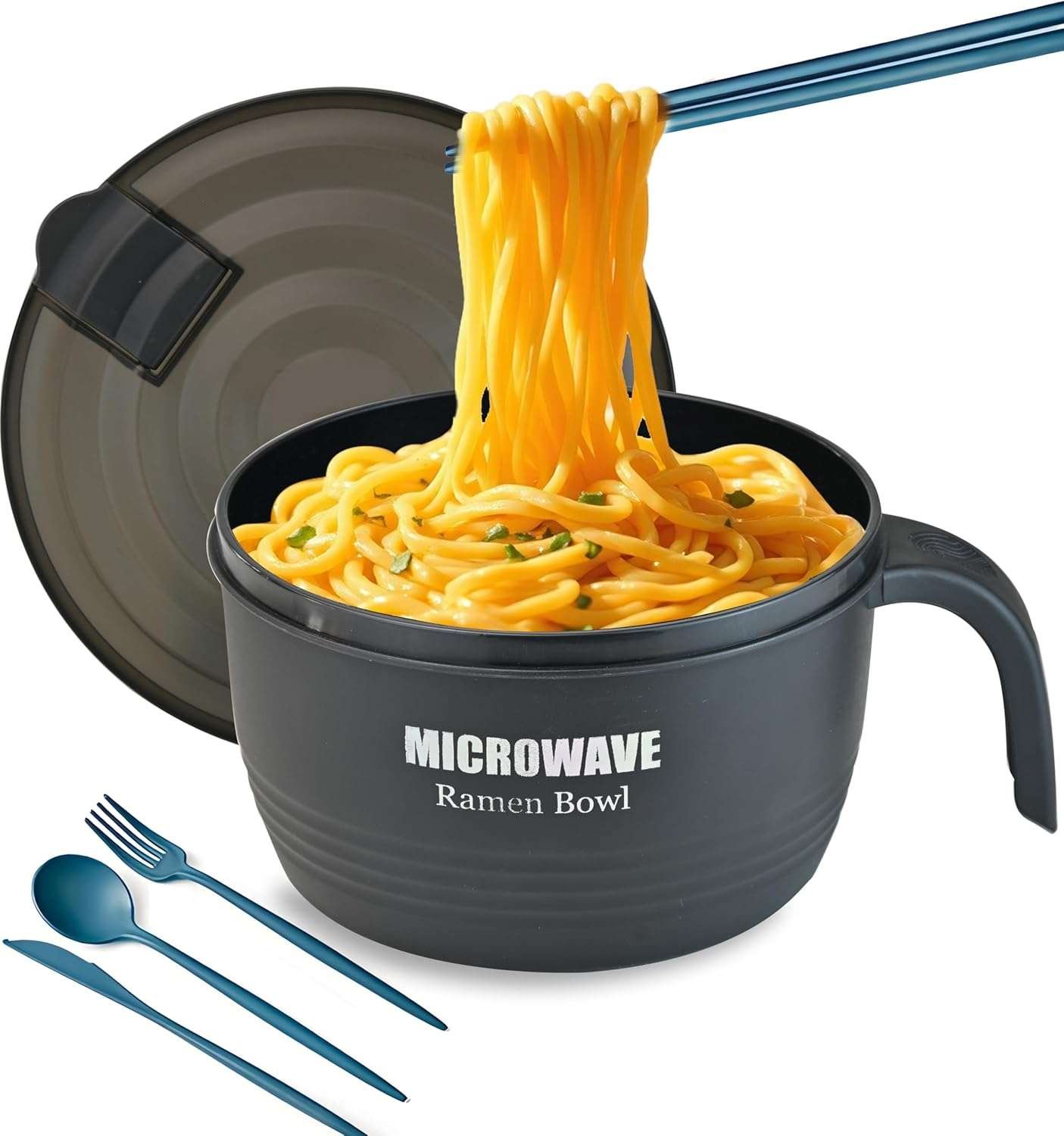
14. Plate, Bowl And Silverware Set
A simple reusable dinnerware set is useful for snacks, takeout, leftovers, and quick dorm meals. It reduces dependence on disposable plates and utensils.
One plate, one bowl, one cup, and a basic utensil set are usually sufficient when storage is limited.

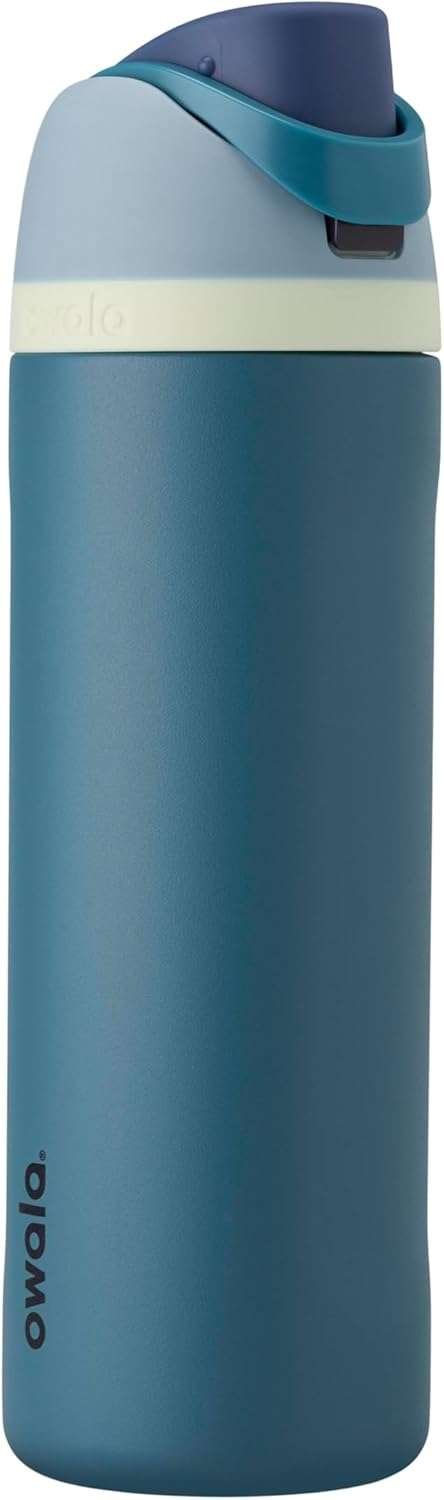
15. Reusable Water Bottle
A reusable bottle is useful for classes, the gym, the library, campus walks, and long study sessions. It can be refilled throughout the day instead of relying on disposable bottles.
The best size is one that fits the backpack pocket without becoming too heavy to carry when full.
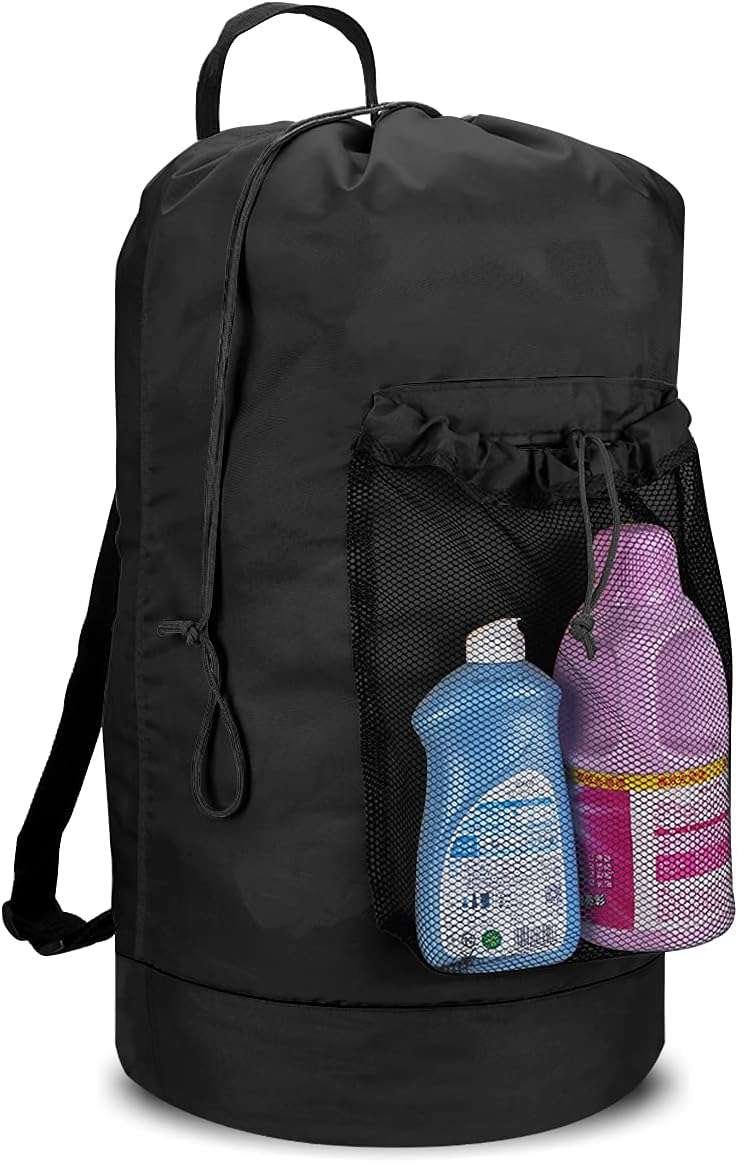
16. Laundry Backpack Or Hamper
A backpack-style laundry bag leaves both hands free and is easier to carry when the laundry room is on another floor or in another building.
A collapsible hamper also works well when the machines are nearby. Choose a capacity that holds one manageable load instead of encouraging laundry to pile up.
17. Laundry Detergent Pods
Detergent pods are compact, pre-measured, and easier to carry than a large liquid bottle. They also reduce the risk of spills in a small room.
Keep them in their original closed container and use the quantity recommended for the machine and load size.

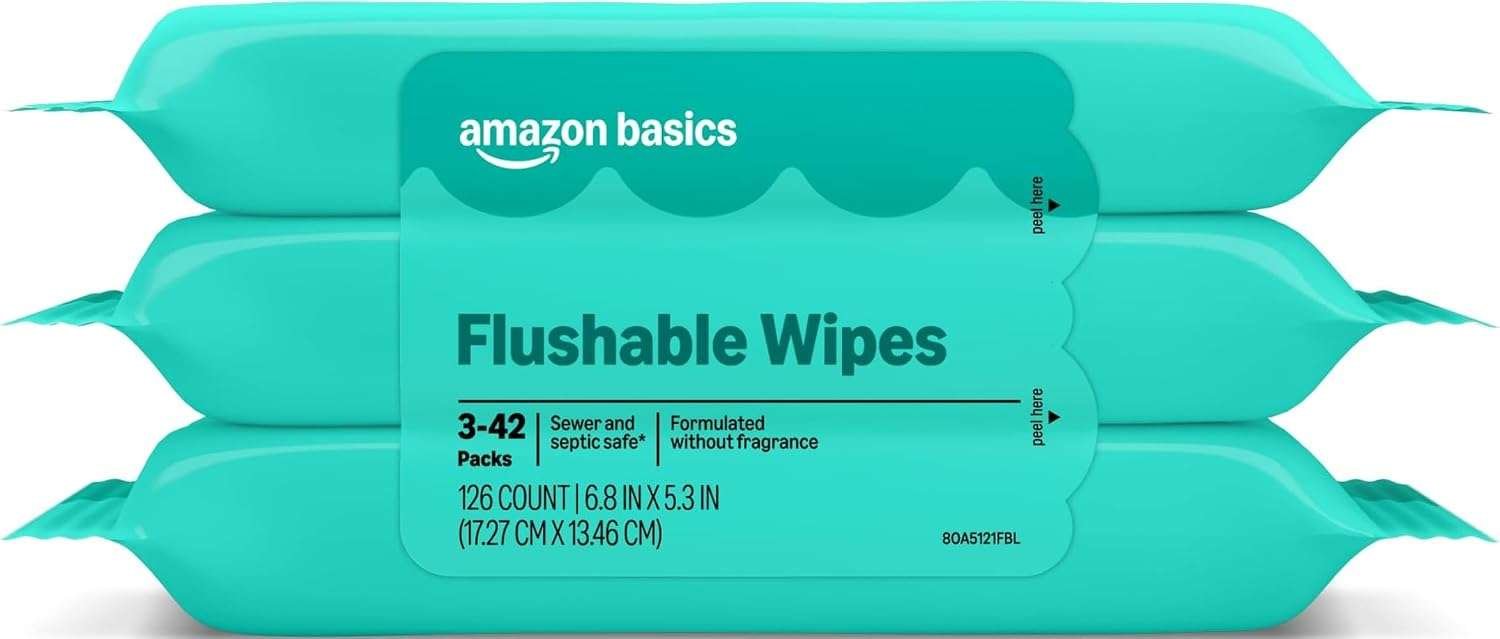
18. Cleaning Wipes
Cleaning wipes make it easy to handle dust, spills, and grime on suitable hard surfaces. They are particularly useful during move-in and for quick weekly cleaning.
Use them on approved surfaces such as the desk, shelves, door handles, and the exterior of a mini fridge, following the product directions
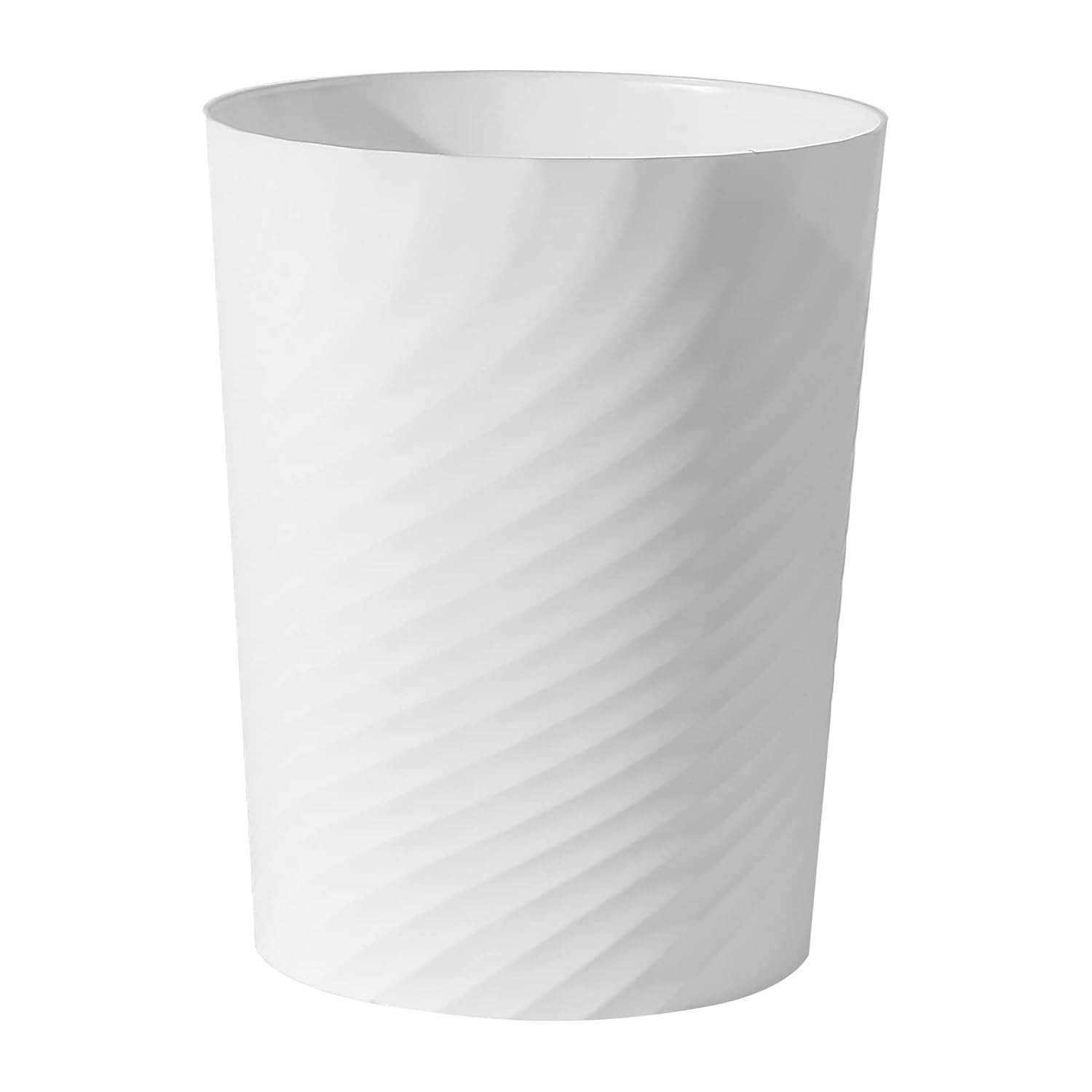
19. Small Trash Can
A small trash can prevents tissues, receipts, snack wrappers, and packaging from collecting on the desk or floor.
A compact model fits beneath a desk or beside a dresser and is easier to empty regularly than a large bin.
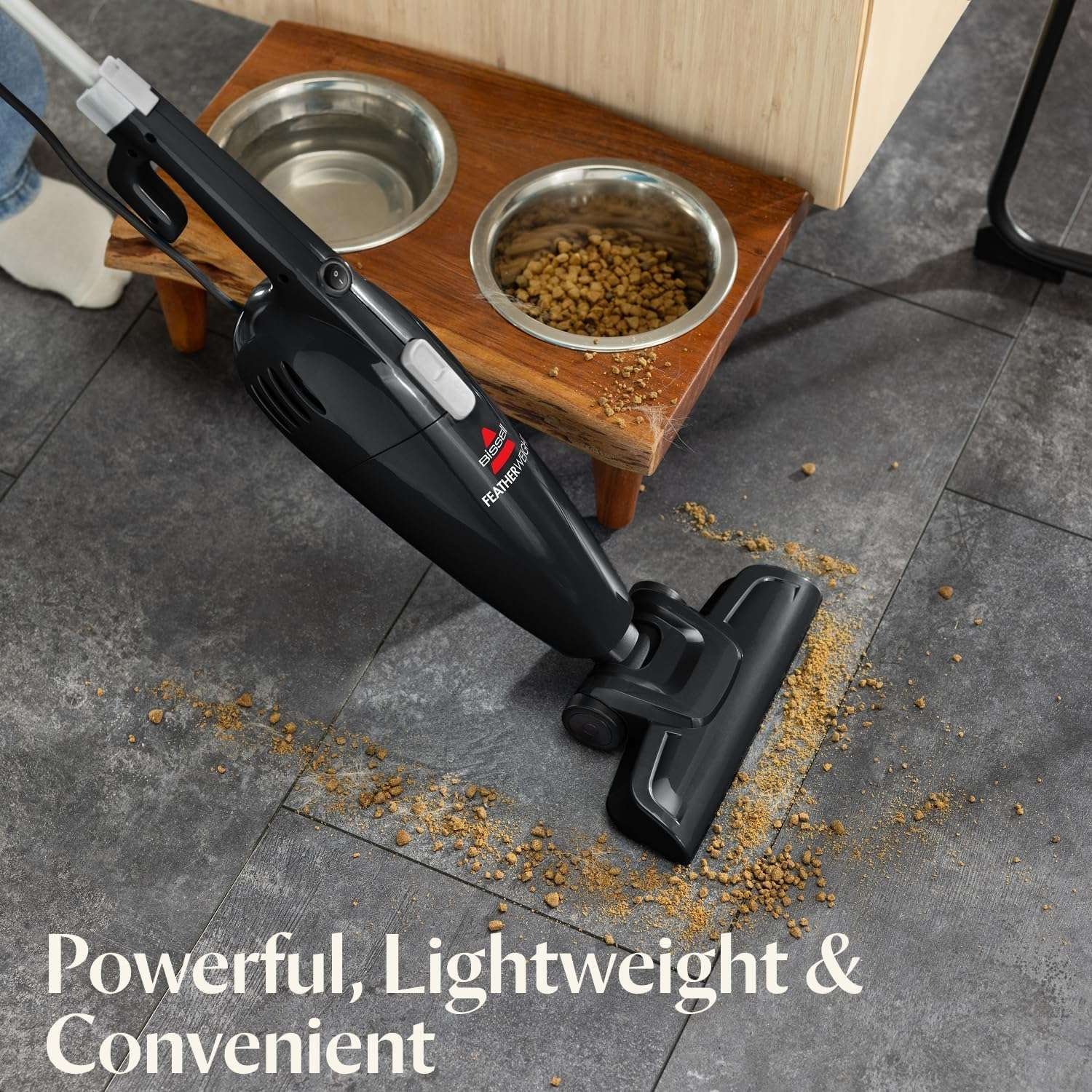
20. Compact Vacuum
Dust, crumbs, hair, and tracked-in dirt become noticeable quickly in one small room. A lightweight handheld or stick vacuum makes quick cleaning easier.
The vacuum should be small enough to store under the bed or in the closet while still including a crevice tool for tight areas.
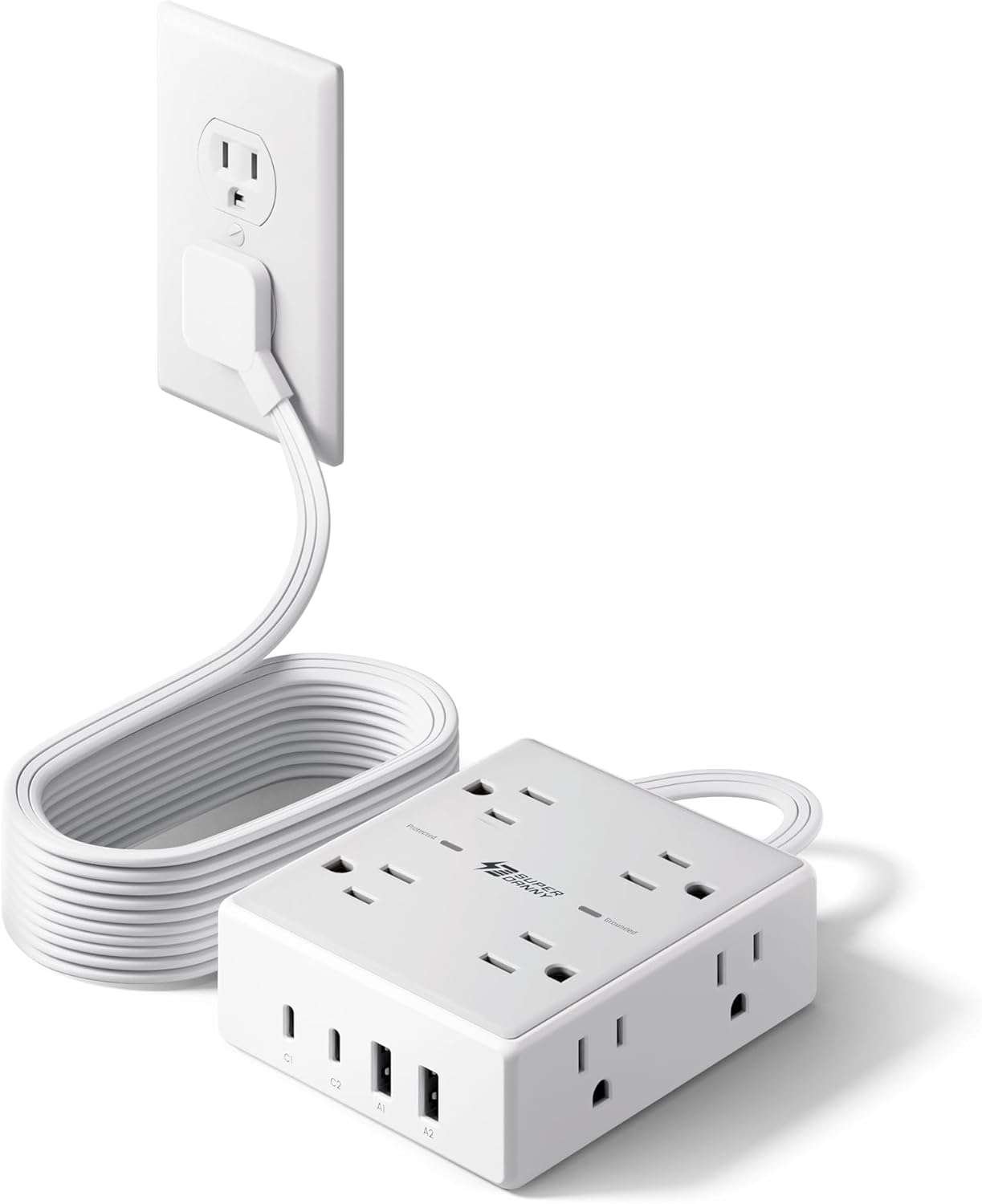
21. Power Strip With USB Ports
Dorm outlets may be limited or positioned far from the desk and bed. An approved power strip can make charging a phone, laptop, headphones, watch, and lamp more manageable.
Residence halls often have specific electrical rules and may prohibit ordinary extension cords, so check the policy before ordering.
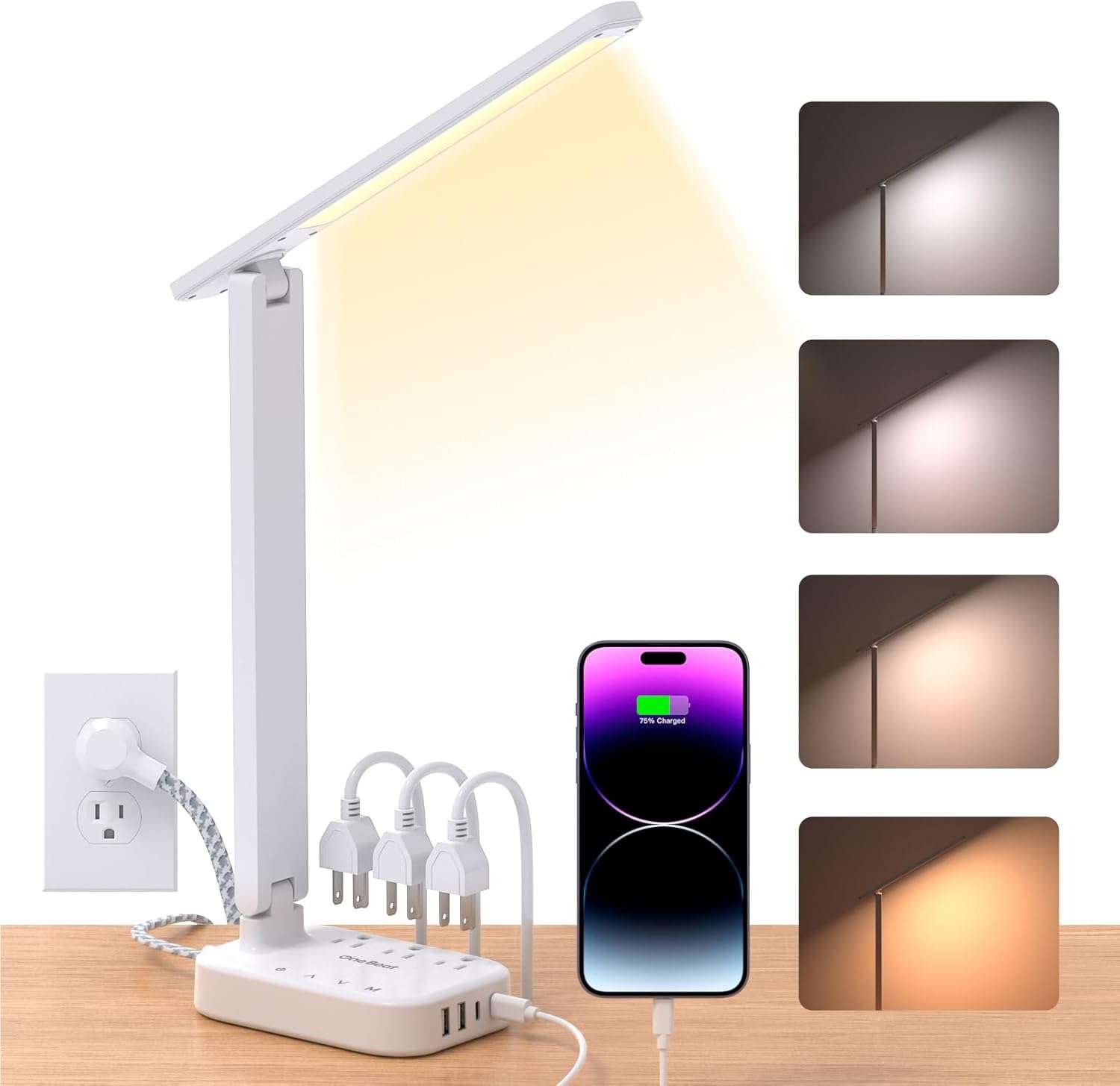
22. Desk Lamp
A desk lamp provides focused light for reading and late-night studying without turning on the brightest overhead fixture while a roommate is sleeping.
A compact base, adjustable brightness, and a flexible neck make the lamp more useful in a small study area.
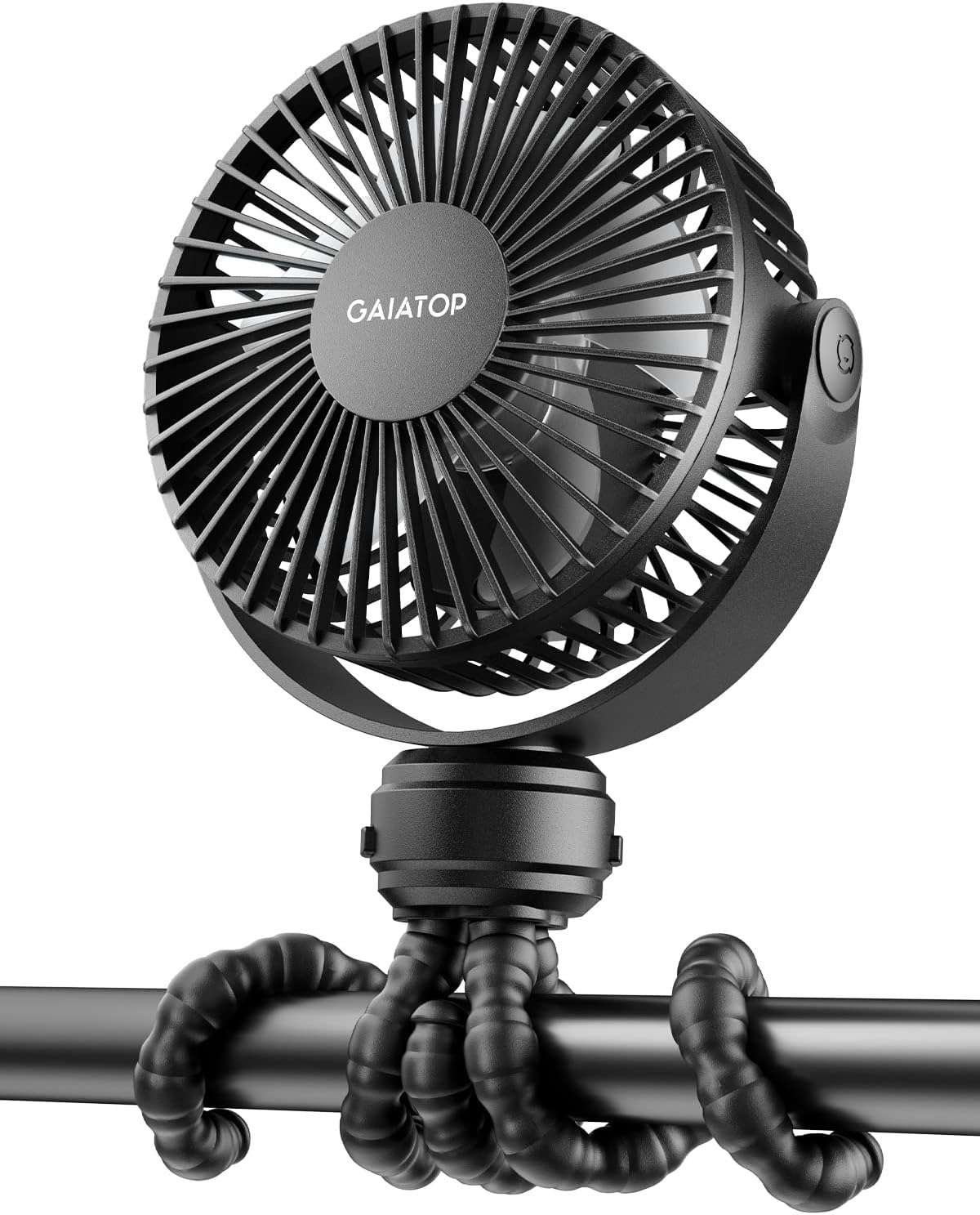
23. Desk Fan Or Clip-On Fan
Residence halls can feel warm or poorly ventilated, particularly during move-in and early fall. A compact fan provides personal airflow without taking up much floor space.
A clip-on model can attach to a bed frame or shelf, while a desk fan is easy to reposition between the study area and bedside.
24. Sturdy Backpack
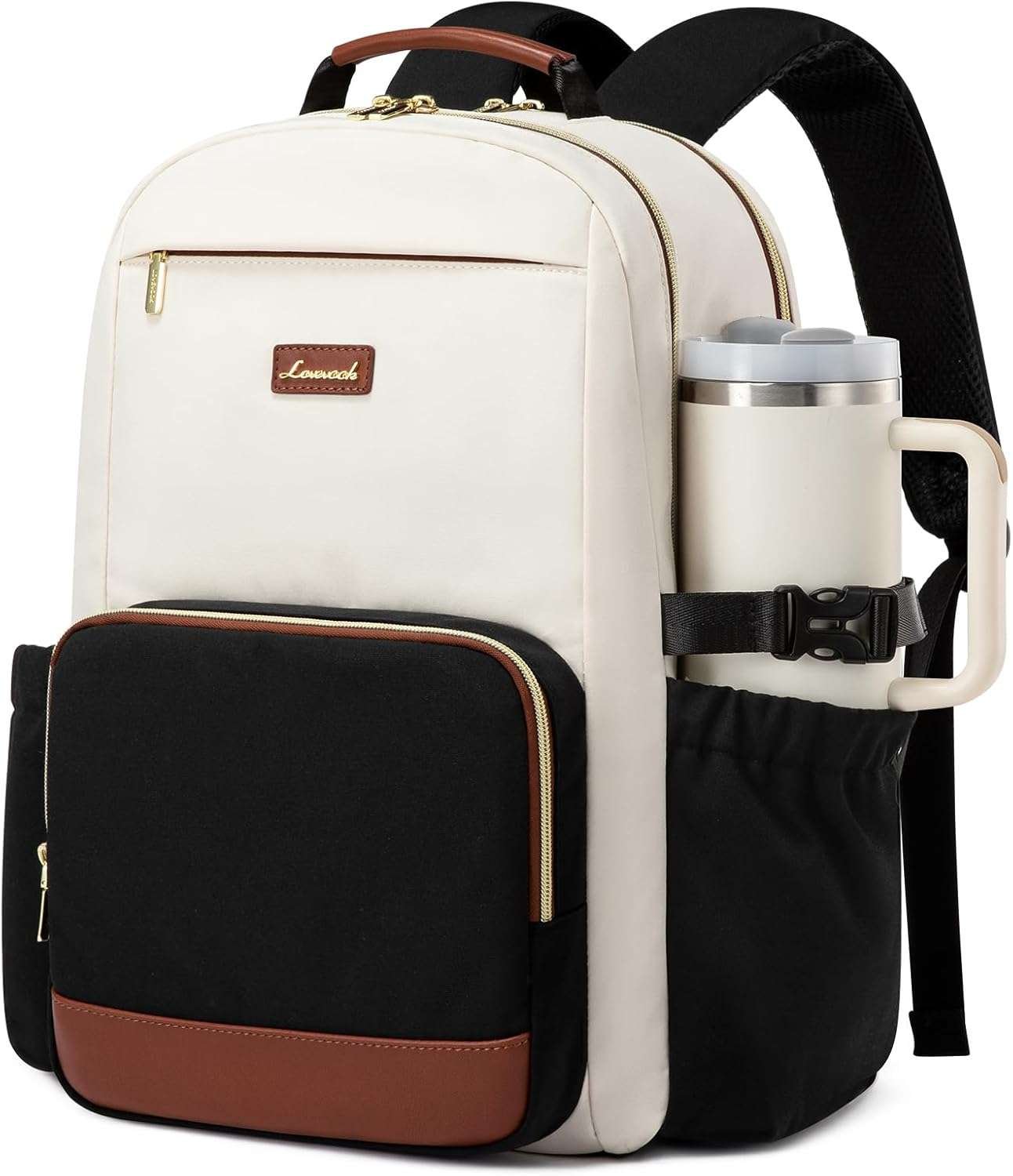
A dependable backpack carries a laptop, charger, notebooks, water bottle, and daily supplies across campus. It is used far more often than most decorative dorm products.
The right size should hold class essentials without becoming too bulky for lecture halls, buses, and crowded walkways.
25. First Aid Kit
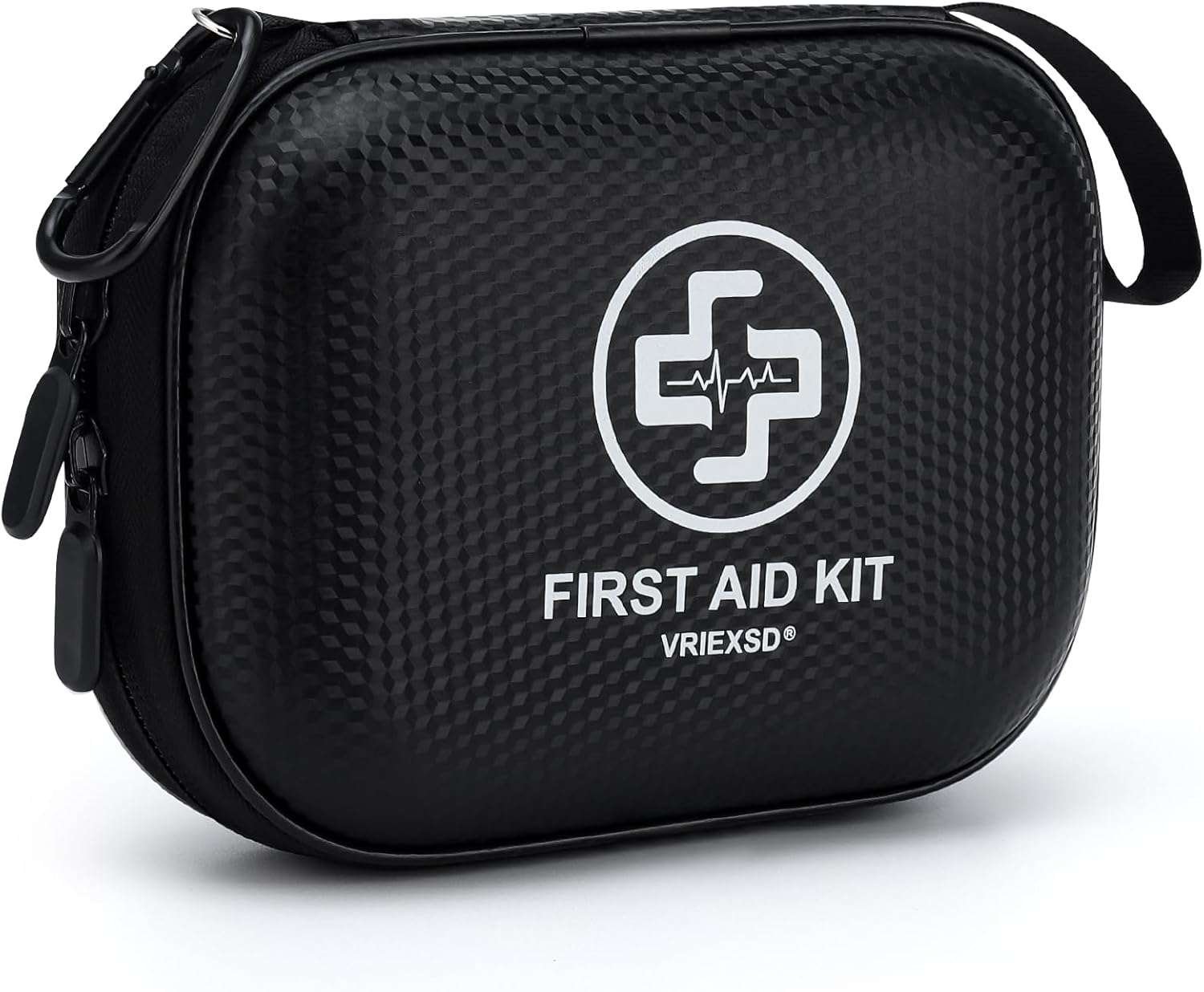
A compact first aid kit is useful for minor cuts, scrapes, and blisters. Keep it in a clearly marked drawer where it can be reached quickly.
Review the contents before move-in and add personal medications, allergy supplies, or other items recommended for the student.
What Should Be Purchased First?
Start with the items used every day: bedding, towels, shower shoes, toiletries, a laundry bag, cleaning products, storage bins, charging equipment approved by the college, and school supplies. Optional furniture and decor should wait until the room has been measured.
Dorm Packing Priorities By Category
| Category | Prioritize |
|---|---|
| Bedding | Twin XL sheets, comforter, topper, and mattress protector |
| Bathroom | Shower caddy, shower shoes, towels, and toiletry bag |
| Storage | Under-bed bins, slim hangers, door organizer, and rolling cart |
| Food | Microwave-safe containers, basic dinnerware, and reusable bottle |
| Laundry & Cleaning | Hamper, detergent, wipes, trash can, and shared vacuum |
| Study, Tech & Safety | Approved power strip, desk lamp, fan, backpack, and first aid kit |
Products To Wait On Until After Move-In
- Mini fridge: The roommate, college, or rental program may already provide one.
- Bed risers: Some beds are adjustable and some colleges prohibit third-party risers.
- Large storage furniture: Wait until the closet, desk, and floor space are measured.
- TV or monitor: Confirm there is enough room and that it will be used regularly.
- Blackout curtains: Check the window size and housing rules before choosing a hanging system.
- Decorative lighting and posters: Functional basics should come first, and attachment rules vary.
More Dorm Room Guides
FAQs About Dorm Room Essentials For Guys
What does a freshman guy really need for a dorm?
The most important items are Twin XL bedding, shower supplies, towels, laundry products, storage, cleaning supplies, school equipment, safe charging accessories, and a basic first aid kit.
Should parents buy everything before move-in?
No. Buy daily necessities first and wait on bulky storage, appliances, curtains, and decor until the room has been seen and measured.
Do guys need a mattress topper for college?
A topper is not mandatory, but it is one of the most useful comfort upgrades when the provided mattress feels firm or thin.
Which dorm products should roommates share?
Roommates can usually coordinate larger products such as a mini fridge, microwave when allowed, vacuum, rug, mirror, or cleaning kit. Personal bedding, towels, toiletries, and medication should remain separate.
What should not be brought to a dorm?
Avoid prohibited appliances, candles, unsafe extension cords, oversized furniture, too much decor, and duplicate products that the roommate is already bringing.
Final Thoughts
A useful dorm checklist should make freshman year easier without filling the room with products that are rarely used. Sleep, hygiene, laundry, storage, cleaning, study, and safety should come before entertainment and decor.
These 25 essentials provide a practical starting point for guys moving into college. Once the room layout and daily routine are clear, additional products can be purchased only where they solve a real problem.
Packing less—but packing the right items—usually creates a more organized move-in and a dorm room that is easier to maintain throughout the year.

Meet Monty, the visionary founder of How It See, being an engineering student, he’s fueled by an insatiable curiosity about the world around him. He is captivated by an eclectic correlation between animal groups, science, and nature, and this fascination drives his quest for understanding.
After completing his degree, he’s set on a mission to delve deep into the realm of nature, accumulating knowledge to share with you through his writing. In the meantime, he loves to watch anime and read anime.