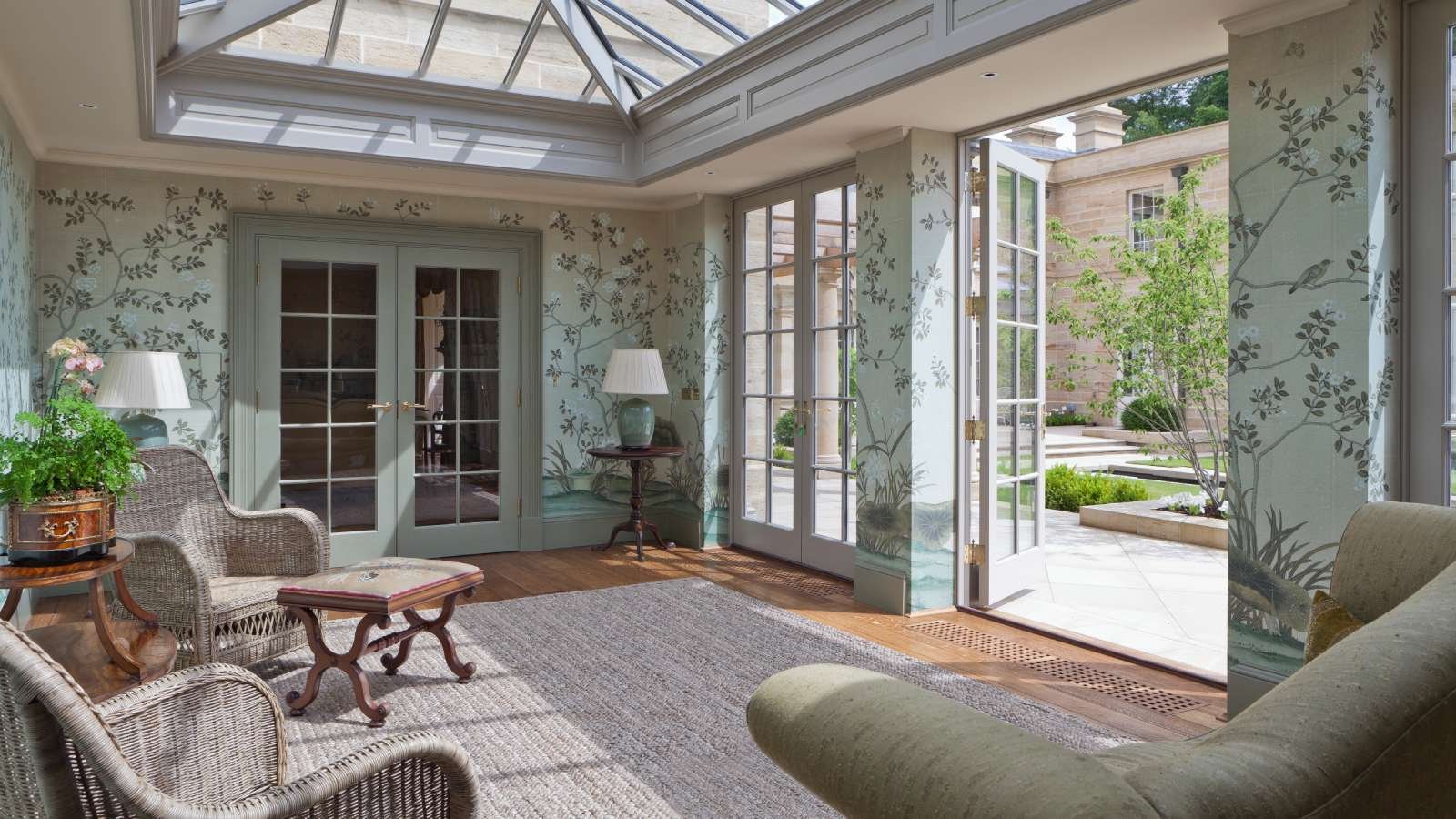
A sunroom at the back of your house can become one of the most peaceful and inviting places to spend your time. Imagine sipping morning coffee while looking over your garden, relaxing with a book surrounded by natural light, or enjoying family dinners with beautiful backyard views. With the right design, a back-of-house sunroom creates a comfortable connection between your home and the outdoors.
These 12 sunroom ideas for the back of your house include cozy coastal retreats, farmhouse-style spaces, modern glass enclosures, plant-filled sitting rooms, beautiful dining nooks, and creative small sunroom layouts. Whether you’re decorating an existing sunroom, enclosing a back porch, or planning a new addition, you’ll find practical furniture arrangements, decorating tips, color combinations, and budget-friendly ideas to inspire your space.
Affiliate disclosure: As an Amazon Associate, I earn from qualifying purchases. This article contains affiliate links, which may earn us a commission at no extra cost to you.
More Backyard and Cozy Home Inspiration
Explore these related decorating and layout ideas from Howitsee.com:
- 15 Charming Back Screened-In Porch Ideas for a Cozy Retreat – Discover beautiful ways to create a comfortable indoor-outdoor sitting and dining area.
- 14 Earthy Room Decor Ideas for a Natural Oasis – Explore warm wood furniture, botanical accents, and relaxing natural colors.
- Must-Try Small Living Room Layout Ideas for Better Flow – Find smart seating arrangements that can also work in compact sunrooms.
- 14 Afro Bohemian Style Decor Ideas for Your Home – Get inspiration for expressive textiles, handcrafted accents, and cozy layered interiors.
Quick List: 12 Beautiful Back-of-House Sunroom Ideas
- Create a Relaxing Coastal Sunroom Overlooking the Backyard
- Design a Modern Minimalist Sunroom With Large Glass Windows
- Give Your Back Sunroom a Cozy Rustic Farmhouse Look
- Turn Your Sunroom Into a Bohemian Plant Paradise
- Keep It Timeless With Wicker Furniture and White Decor
- Create a Peaceful Sunroom Reading Nook
- Wrap Your Sunroom in Warm Natural Wood Paneling
- Add Character With a Beautiful Wood-Paneled Ceiling
- Create a Cozy Custom Dining Nook With Garden Views
- Connect the Sunroom to Your Patio With Retractable Openings
- Make Your Sunroom Stand Out With Bold Paint Colors
- Add Creative Coastal Details to Sunroom Window Treatments
How to Plan a Sunroom at the Back of Your House
Before choosing furniture and decor, decide how you want to use your sunroom. Some families need an extra sitting area, while others dream of a breakfast nook, reading retreat, or plant-filled relaxation space. The main purpose should guide the furniture, windows, flooring, and lighting.
Next, consider how the sunroom connects to your home and backyard. A sunroom attached to the kitchen might work beautifully as a dining area, while one beside the living room can become an additional family lounge. Think about the doors you use to reach the garden, whether the space receives intense afternoon sun, and how you will keep it comfortable during different seasons.
If you are planning a new addition rather than decorating an existing room, consult qualified local building professionals about foundations, permits, structural connections, glazing, drainage, insulation, and heating or cooling requirements. A three-season sunroom may have different construction and comfort needs from a fully conditioned four-season addition.
Simple Back Sunroom Design Formula
Natural Light + Comfortable Seating + Backyard Views + Temperature Control + Durable Materials + Soft Decorative Layers
For example, combine a light-colored loveseat, two wicker chairs, a washable area rug, adjustable window shades, and a compact wooden coffee table to create a bright, welcoming garden-facing lounge.
Best Sunroom Layouts for Different Needs
| Style / Area | Best Pieces | Why It Works |
|---|---|---|
| Small Back Sunroom | Loveseat, nesting tables, woven rug | Keeps the space comfortable without overcrowding |
| Garden-Facing Lounge | Wicker chairs, low sofa, side table | Preserves backyard views |
| Farmhouse Sunroom | Wood table, linen cushions, vintage details | Creates a warm, lived-in appearance |
| Sunroom Dining Area | Banquette, compact dining table, pendant | Makes family meals feel connected to the outdoors |
| Plant-Filled Retreat | Plant stands, wicker seating, easy-clean floor | Brings greenery into a bright space |
| Reading Nook | Comfortable chair, ottoman, book storage | Creates a quiet place to relax |
| Indoor-Outdoor Sunroom | Wide doors, adaptable seating, practical flooring | Improves the connection to the back patio |
12 Sunroom Ideas for Back of House That You’ll Love
1. Create a Relaxing Coastal Sunroom Overlooking the Backyard
A coastal-inspired sunroom can make the back of your house feel like a peaceful vacation retreat. Light colors, natural textures, and comfortable furniture create an easygoing atmosphere that pairs beautifully with views of trees, flowers, or a backyard patio. You don’t need to live near the ocean to enjoy this style; its relaxed palette works in many homes.
Start with warm white walls and a soft beige or pale blue loveseat positioned where it won’t obstruct the windows. Add two natural wicker chairs, a whitewashed wooden coffee table, and a woven indoor-outdoor rug. Use faded blue cushions and lightweight white curtains for a gentle coastal touch. Keep the decorations simple with a ceramic vase, a few plants, and perhaps one subtle piece of coastal artwork.
Styling tip: Avoid filling the room with nautical signs and seashell decorations. Pale blue, weathered wood, airy fabrics, and natural textures can establish the coastal feeling on their own.
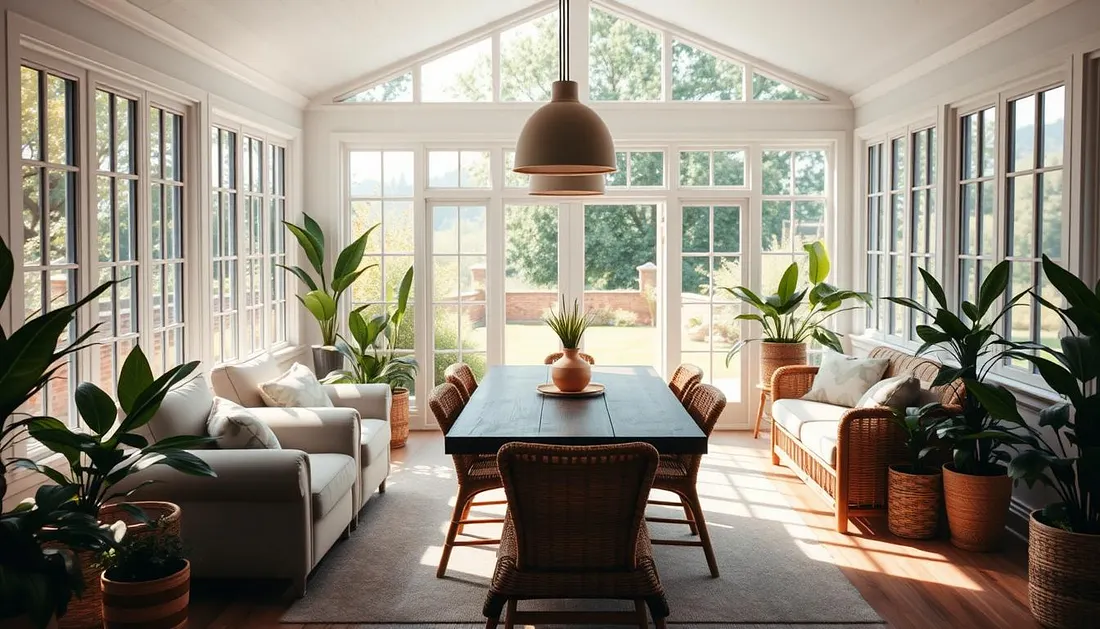
Image credit: @medium.com
Amazon Find: Coastal Sunroom Decor
Explore neutral woven rugs, pale blue cushion covers, and natural-look accents for a bright coastal sunroom.
2. Design a Modern Minimalist Sunroom With Large Glass Windows
A minimalist glass sunroom emphasizes natural light, clean lines, and uninterrupted garden views. Instead of decorating with lots of furniture and accessories, the windows and surrounding landscape become the main feature. This approach is especially beautiful at the back of a modern home where you want a seamless visual connection to a landscaped yard.
Choose slim-framed glazing suitable for your climate and a neutral interior palette of ivory, warm gray, and light oak. Furnish the room with a simple upholstered loveseat, one sculptural accent chair, and a low wooden table. Add a flatwoven rug and one large planter for softness. Consider adjustable solar-control shades so you can reduce glare and heat gain without permanently blocking the view.
Design tip: Large glass areas require careful consideration of energy performance, summer overheating, condensation, and safe glazing. Review those details with qualified professionals when planning a new enclosure.
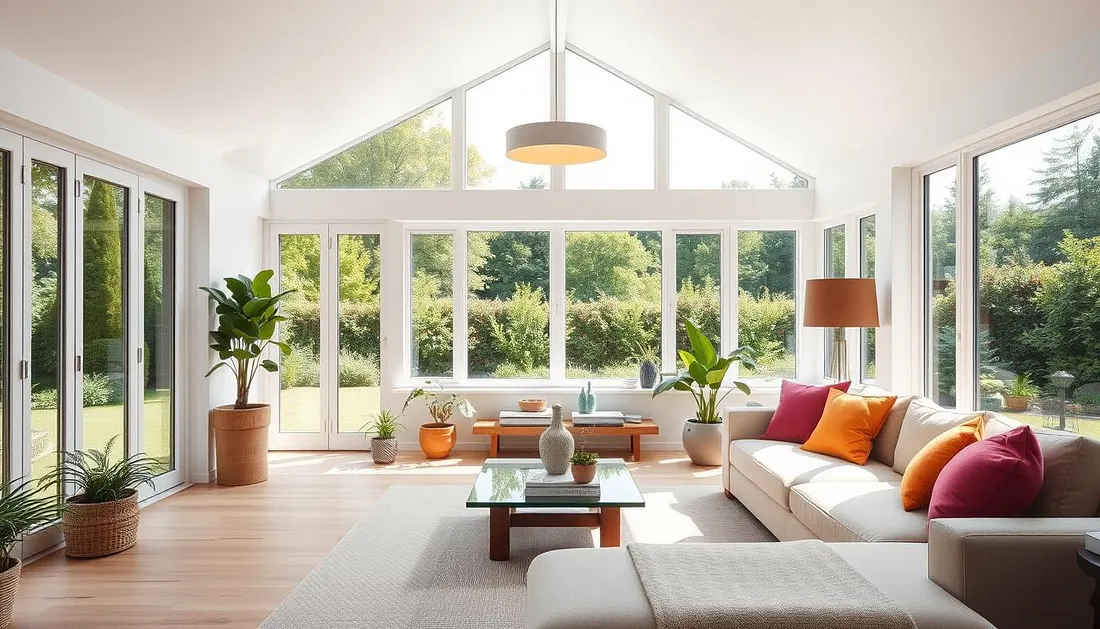
Image credit: @medium.com
3. Give Your Back Sunroom a Cozy Rustic Farmhouse Look
A farmhouse-style sunroom is perfect if you love warm wood, comfortable furniture, and the feeling of an old-fashioned back porch. Rustic textures create character, while large windows keep the room bright and welcoming. It’s a lovely option for homes with gardens, mature trees, or a country-inspired backyard.
Choose a simple wooden coffee table, a linen-look sofa, and a pair of vintage-inspired chairs. Add a woven rug in beige or faded rust, then introduce reclaimed-look wood shelving or a weathered sideboard if space allows. Soft gingham or striped cushions can bring a little pattern to the room. Keep the walls cream or warm white and use pottery, baskets, and simple greenery for decoration.
Budget tip: Refinish an existing wooden table or look for secondhand accent furniture instead of purchasing an entire new farmhouse set. Check the condition and stability of older furniture before use.
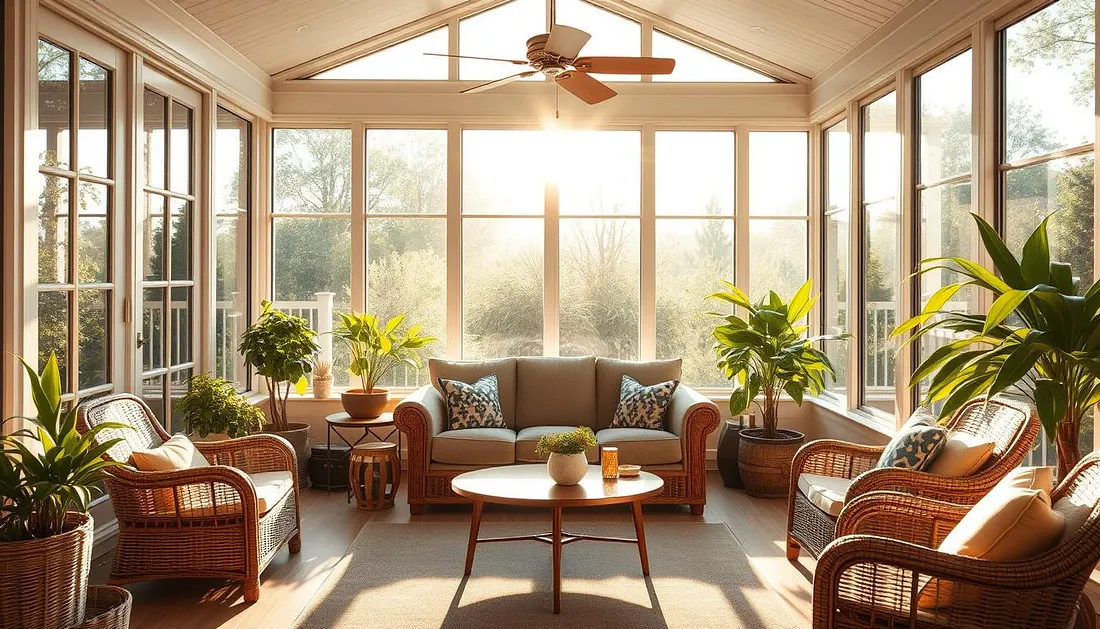
Image credit: @medium.com
4. Turn Your Sunroom Into a Bohemian Plant Paradise
A plant-filled bohemian sunroom is a beautiful way to make the back of your home feel like a small indoor garden. Lush greenery, woven materials, colorful fabrics, and relaxed furniture create a welcoming retreat. The abundance of natural light can support a range of indoor plants, provided you choose varieties suited to the actual sun exposure and temperature.
Arrange a comfortable rattan chair beside a low wooden table and add a simple cotton or patterned rug. Use sturdy plant stands at different heights to display greenery without filling every windowsill. Terracotta pots, a few earthy cushions, and a macramé wall hanging can complete the bohemian appearance. Keep the windows accessible and leave open space for moving between the furniture and garden door.
Plant care tip: Sunroom glazing can intensify heat and sunlight. Choose plants appropriate for those conditions, protect furniture from water damage, and check plant toxicity if children or pets use the space.
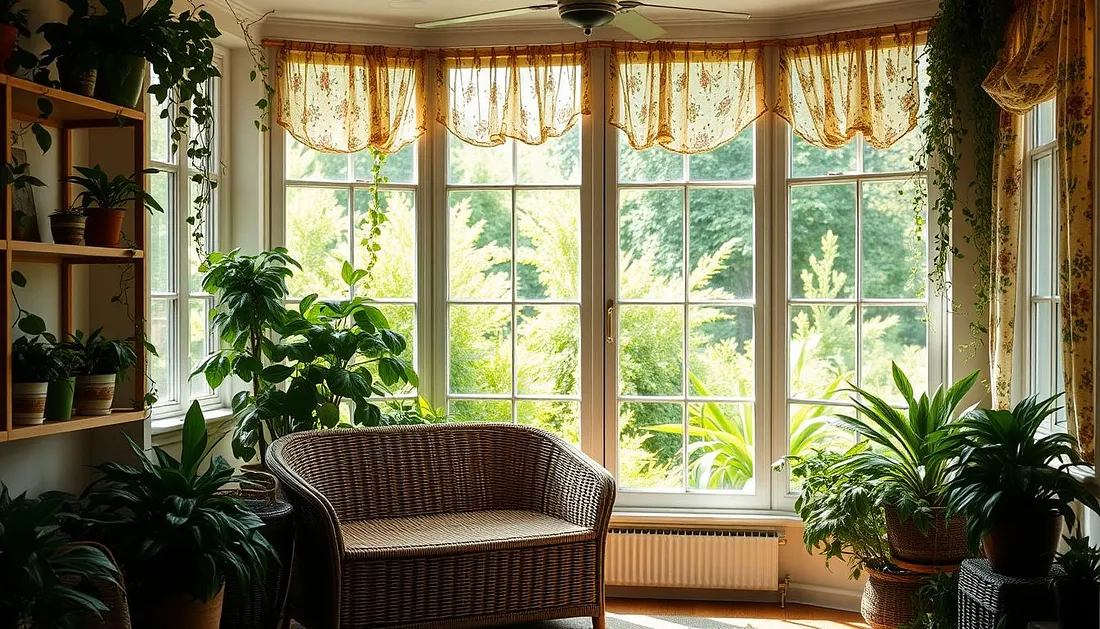
Image credit: @medium.com
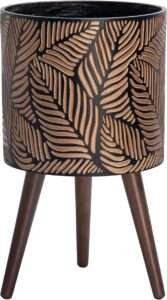
Amazon Find: Boho Sunroom Planters and Plant Stands
Natural-look plant stands, terracotta-style planters, and woven accessories help create a relaxed garden-inspired sunroom.
5. Keep It Timeless With Wicker Furniture and White Decor
Wicker furniture and soft white decor are a timeless sunroom combination. The woven material introduces natural texture, while the pale color palette makes the room feel open and cheerful. This style works beautifully in both traditional houses and modern homes where the sunroom overlooks a green backyard.
Choose two wicker armchairs with thick cream cushions and pair them with a white or pale oak loveseat. Add a simple round coffee table and a light beige area rug to connect the seating. A small olive or sage throw can introduce color without distracting from the garden view. If your sunroom is not climate controlled, look for furniture and cushion materials suitable for fluctuating heat, humidity, and sun exposure.
Styling tip: Mix different cream textures, such as woven chair cushions, a cotton throw, and a flatwoven rug, so the mostly white palette doesn’t feel plain.
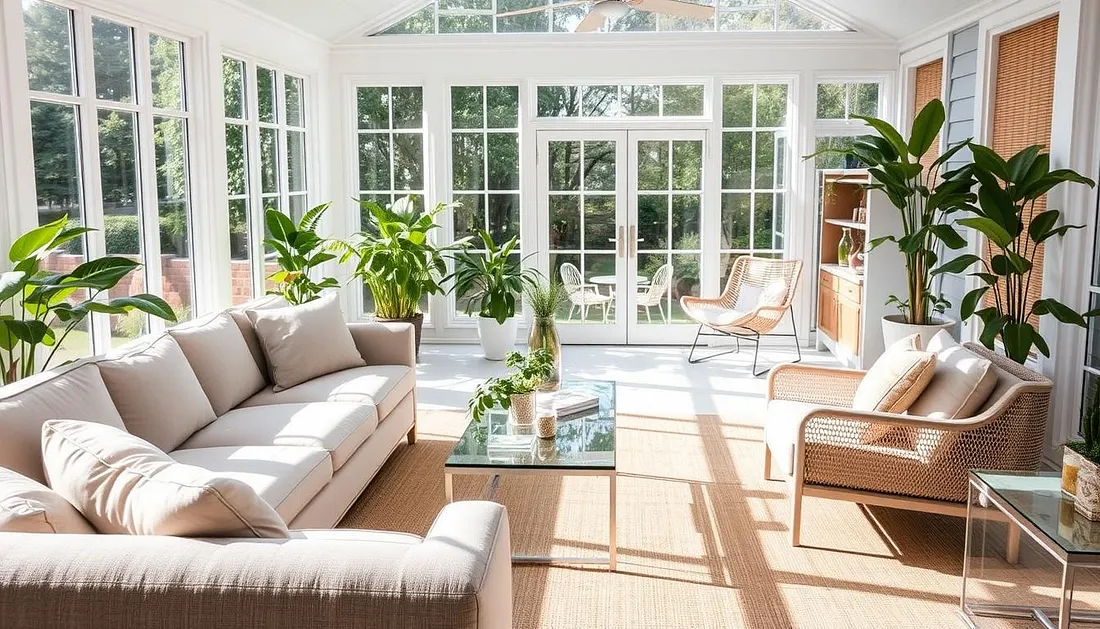
Image credit: @medium.com
6. Create a Peaceful Sunroom Reading Nook
A sunroom reading nook offers a quiet place to enjoy natural light and backyard scenery without leaving home. You don’t need a large room to make the idea work. A comfortable chair beside a window, a small table for tea, and a few books can transform a narrow back sunroom into a relaxing personal retreat.
Position a cushioned lounge chair or compact loveseat where you can look toward the garden while reading. Add a small side table, a supportive ottoman, and a washable rug. A slim bookshelf or low storage cabinet can hold favorite books without blocking the windows. Include an adjustable reading lamp for evenings and a suitable window shade to control direct sunlight on bright afternoons.
Small-space tip: Choose a chair with open legs and a slim side table to maintain an airy feeling. Keep books and fabric away from damp window areas and intense direct sunlight.
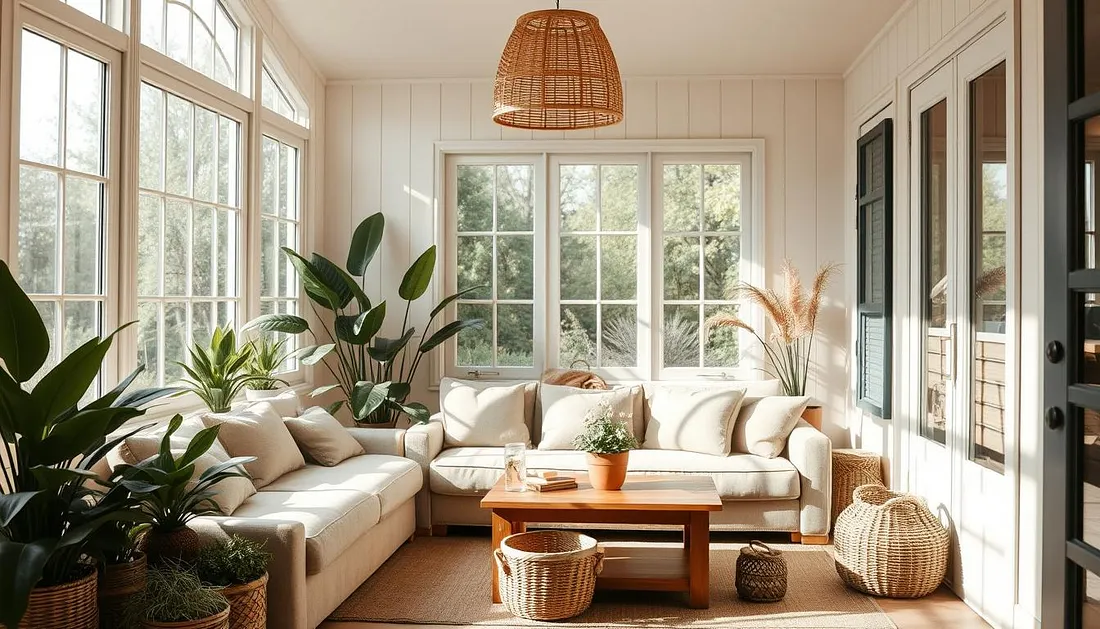
Image credit: @medium.com
Amazon Find: Cozy Sunroom Reading Nook Accessories
Explore compact side tables, soft cushion covers, and adjustable reading lamps for a peaceful sunroom corner.

7. Wrap Your Sunroom in Warm Natural Wood Paneling
Natural wood paneling can make a sunroom feel wonderfully warm and connected to the backyard. Instead of decorating with many different accessories, the grain and color of the wood become part of the room’s personality. This look is especially beautiful for a garden-facing sunroom surrounded by trees, where the indoor finishes echo the landscape outside.
Choose suitable wood paneling in a pale oak, honey, or warm cypress-inspired finish and use it along one or more walls. Pair the wood with a cream upholstered sofa, a low round coffee table, and a simple textured rug. Keep the window frames and larger furniture pieces understated so the beautiful wood grain remains visible. A few botanical prints or soft green pillows can connect the interior with the garden view.
Material tip: Sunrooms can experience strong ultraviolet light, humidity, and temperature changes. Choose stable, appropriately finished materials and allow for any movement or installation requirements specified by the manufacturer.
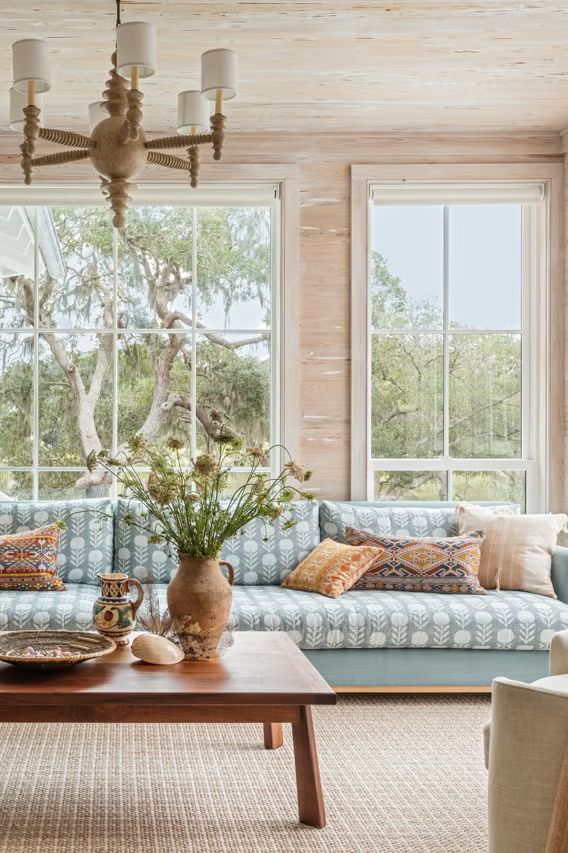
Image credit: @housebeautiful.com
8. Add Character With a Beautiful Wood-Paneled Ceiling
A wood-paneled ceiling is a lovely way to add architectural warmth without filling your sunroom with extra decorations. The ceiling becomes a subtle feature that frames the windows and connects the room with natural surroundings. This design works well in farmhouse, cottage, and traditional sunrooms with white walls and large garden-facing windows.
Choose light-toned wood planks or a suitable wood-look ceiling product for a bright and relaxed appearance. Keep the surrounding window trim a simple white or cream, then introduce a patterned loveseat, wood side table, and small vase of flowers. If the ceiling is low, use pale wood rather than a very dark finish to maintain an open feeling. A simple ceiling fan can provide airflow if the mounting and electrical installation are designed for it.
Styling tip: Let the ceiling provide the rustic detail and keep the rest of the sunroom relatively light. The contrast between warm wood overhead and daylight from the windows can make the room feel especially welcoming.
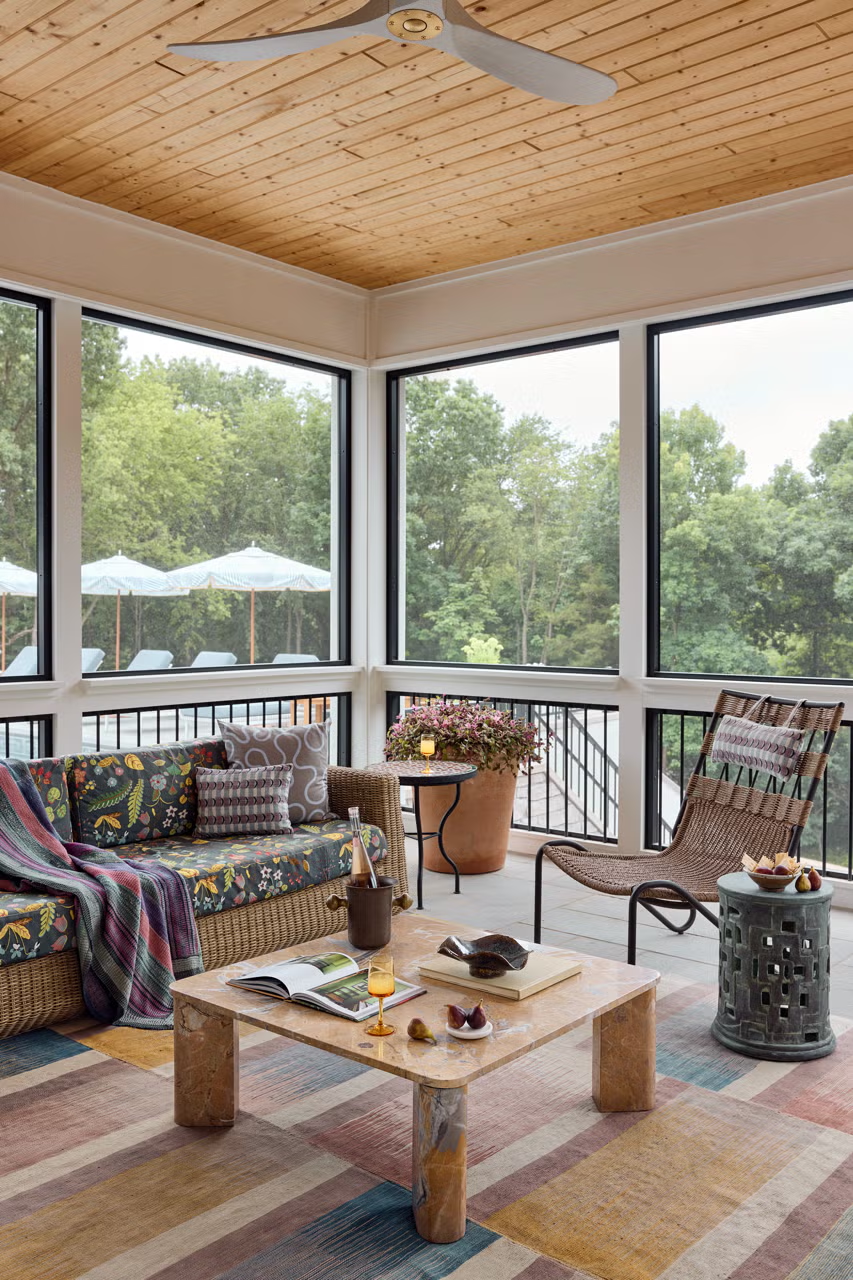
Image credit: @housebeautiful.com
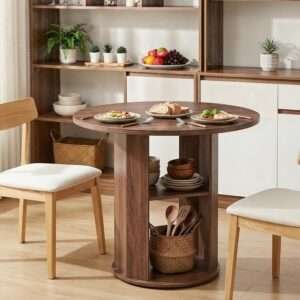
9. Create a Cozy Custom Dining Nook With Garden Views
A dining nook can make a back-of-house sunroom feel like an extension of the kitchen and garden. Imagine eating breakfast surrounded by daylight or enjoying a family dinner with views of flowers and trees. Built-in banquette seating adds a cozy, custom-designed appearance while making practical use of an awkward corner or angled wall.
Choose a compact rectangular or round dining table and position it beside a comfortable upholstered bench. Add two lightweight dining chairs on the open side for flexible seating. Use washable cushions, a soft neutral color palette, and a decorative pendant light installed at a suitable clearance. Keep a few plants nearby without blocking the windows or the path to the backyard door.
Layout tip: Measure table clearance and seating access before installing a built-in banquette. Leave enough space to pull out chairs, move comfortably, and access nearby doors.
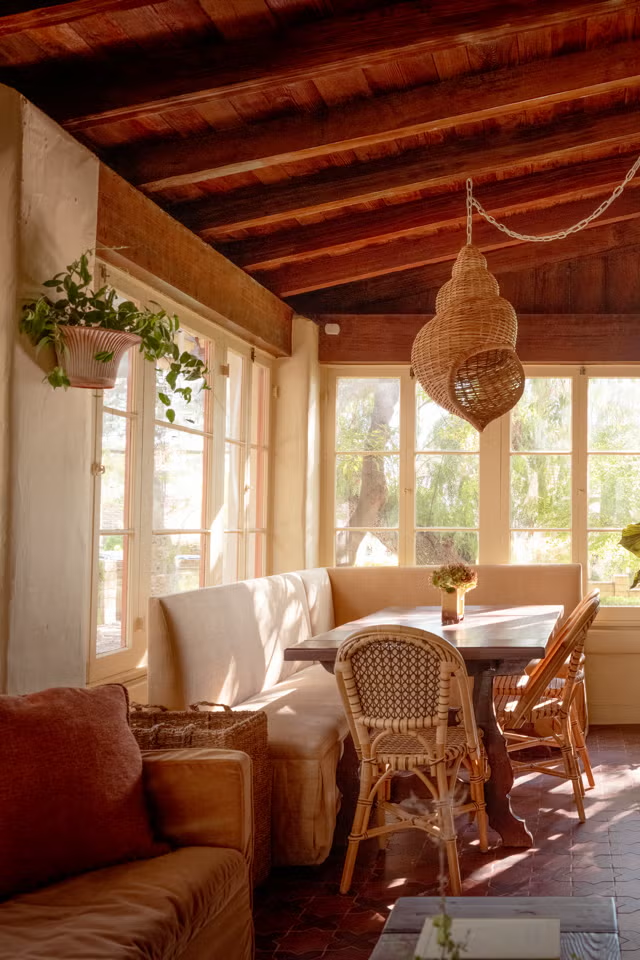
Image credit: @housebeautiful.com
Amazon Find: Small Sunroom Dining Furniture
Compact dining tables and comfortable bench cushions can help create a beautiful breakfast nook with backyard views.
10. Connect the Sunroom to Your Patio With Retractable Openings
One of the most appealing features of a back sunroom is its connection to the patio or garden. Retractable glass panels, wide sliding doors, or other professionally designed opening systems can make the transition between indoors and outdoors feel more natural. On suitable days, the room can open toward the patio and become part of a larger entertaining area.
Position comfortable seating near the garden-facing side of the room and choose flooring that visually complements the adjoining patio. Keep the furniture layout open so people can move easily through the doorway. Simple neutral upholstery, a wooden coffee table, and a few potted plants help connect the two spaces. When planning retractable openings, consider insect protection, drainage, security, wind resistance, weather sealing, and temperature control.
Renovation tip: Large sliding or retractable openings require proper structural support and weatherproof detailing. Work with qualified professionals and verify local permit and safety requirements before modifying an exterior wall.
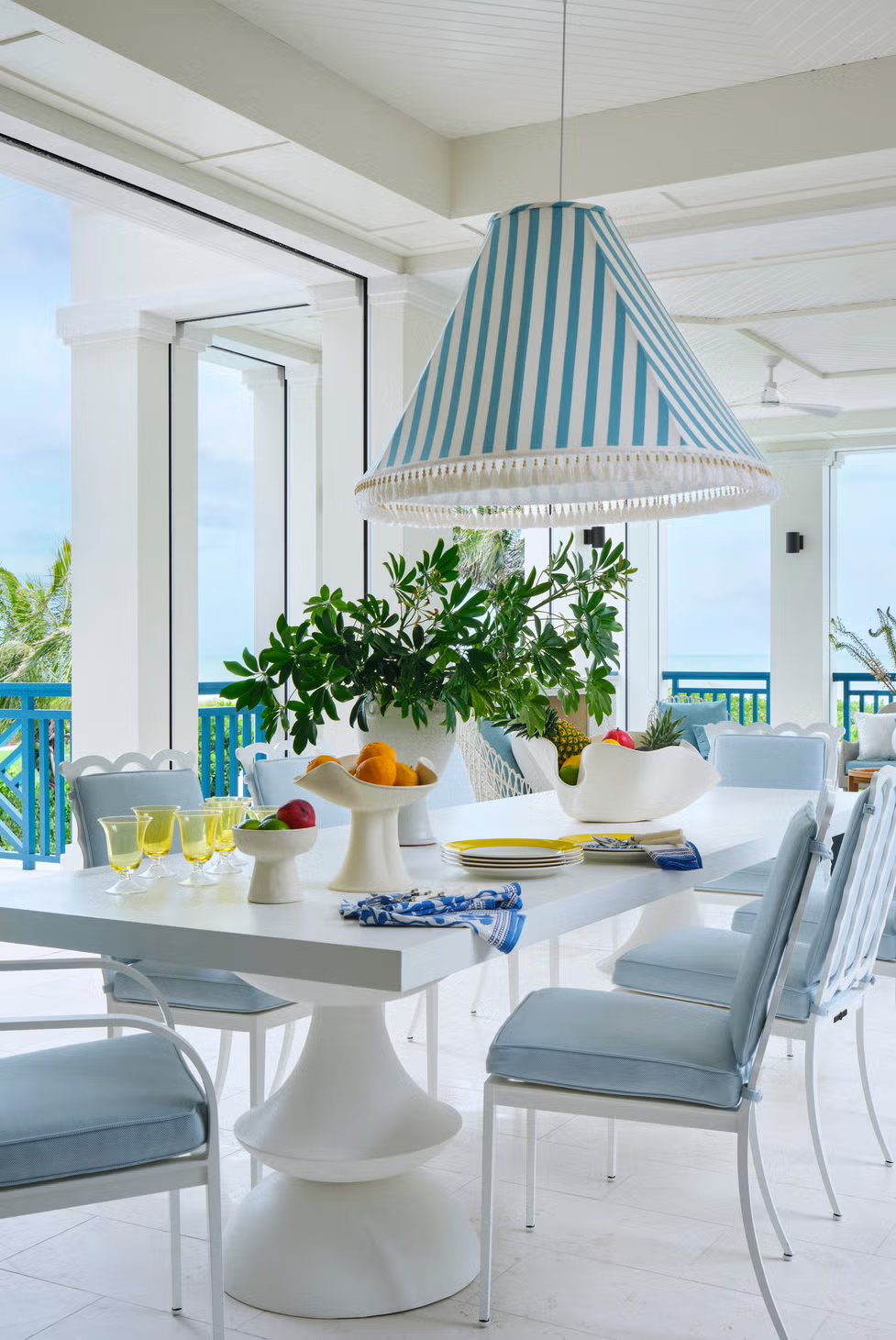
Image credit: @housebeautiful.com
11. Make Your Sunroom Stand Out With Bold Paint Colors
A sunroom doesn’t always need to be white or beige. Strong colors can look beautiful in a light-filled space because the windows provide plenty of visual contrast. Deep oxblood, muted burgundy, forest green, or a rich blue can make a back sunroom feel sophisticated and cozy while still celebrating the natural views.
Choose one rich paint color for a suitable feature wall, built-in cabinetry, or interior woodwork. Pair deep burgundy with cream upholstery, warm wood, and antique-brass-look accessories for a dramatic but inviting appearance. If you prefer green or blue, repeat a small amount of the color in cushions or an upholstered chair. Test paint samples under morning and afternoon sunlight before committing to a large surface.
Color tip: A gloss or satin finish can reflect additional light, but it will also highlight surface imperfections. Choose a finish appropriate for the material, moisture conditions, and desired maintenance.
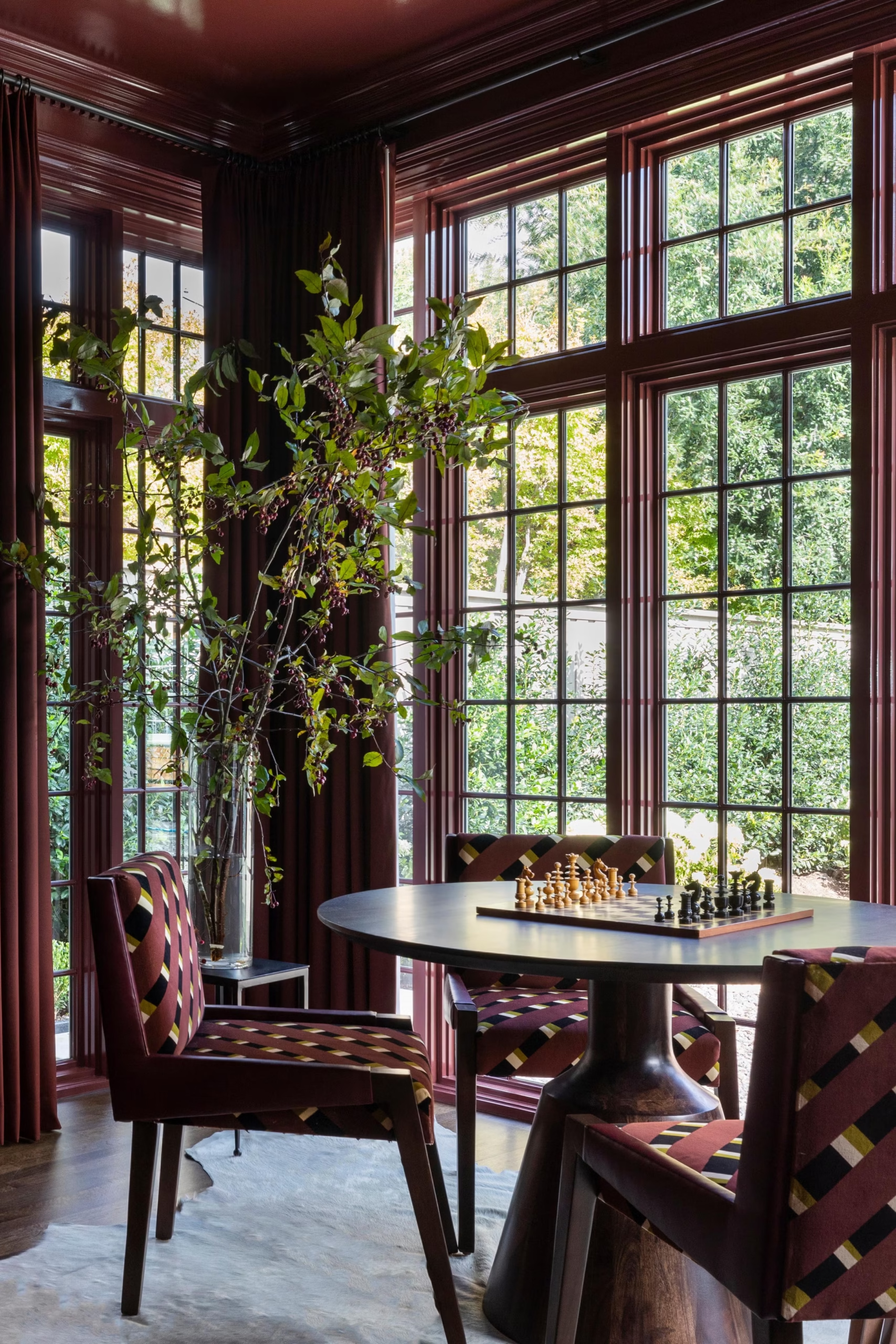
Image credit: @housebeautiful.com
12. Add Creative Coastal Details to Sunroom Window Treatments
Small decorative details can make a sunroom feel more personal without requiring expensive new furniture. Striped curtains, natural-looking hardware, and coastal-inspired fabrics are particularly charming in a back sunroom that opens toward a deck or garden. The right window treatments can soften the room while preserving views and helping control bright sunlight.
Choose light blue-and-white striped curtain panels and pair them with warm wooden furniture and cream cushions. For an unusual coastal detail, consider a decorative rope-and-cleat-inspired treatment that is specifically designed and safely secured for curtain use. Alternatively, choose simple wood or brass curtain hardware for a similar relaxed appearance. Keep fabric away from heaters and door mechanisms, and use appropriate privacy or solar-control shades where needed.
Styling tip: A striped fabric adds enough pattern to make the windows interesting. Let the natural view remain the main attraction by choosing relatively simple furniture and a neutral rug.
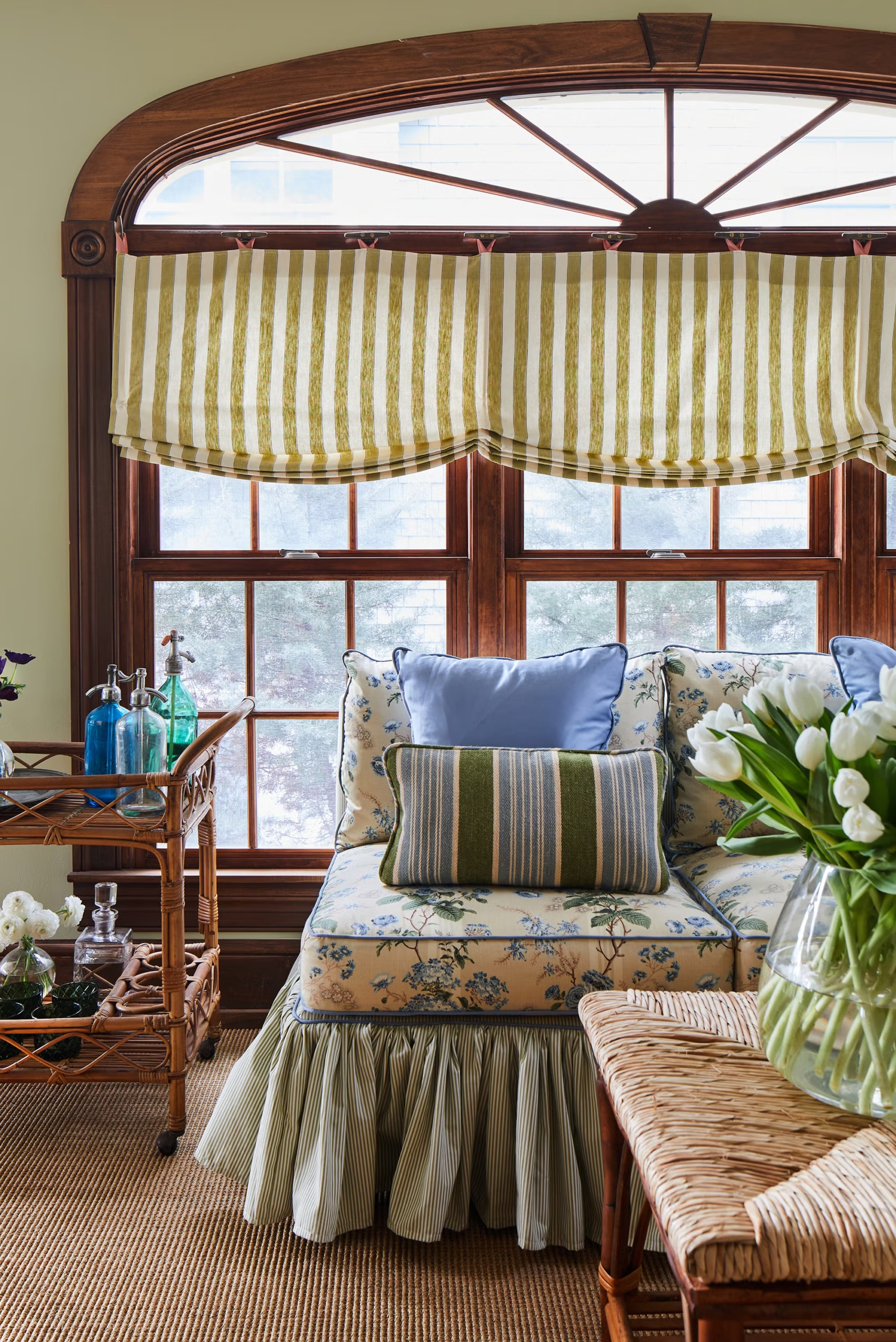
Image credit: @housebeautiful.com
Three-Season vs. Four-Season Sunrooms: Which Is Right for You?
Before planning a new sunroom at the back of your house, understand how you intend to use it throughout the year. The right enclosure depends on your climate, construction budget, comfort expectations, and local building requirements.
| Feature | Three-Season Sunroom | Four-Season Sunroom |
|---|---|---|
| Typical Use | Comfortable during suitable weather | Designed for broader year-round comfort |
| Insulation | May have limited thermal protection | Typically requires stronger thermal performance |
| Heating and Cooling | May not be fully conditioned | Usually planned for appropriate climate control |
| Furniture | Select for temperature and humidity changes | More choices when conditions are controlled |
| Building Planning | Must meet relevant local requirements | May require more extensive energy and building compliance |
Important: The terms three-season and four-season can be used differently by builders and jurisdictions. Confirm the actual construction specifications, permitted use, and heating or cooling performance before starting the project.
How to Arrange Furniture in a Small Back Sunroom
Small sunrooms feel more spacious when furniture is positioned to support the main activity and preserve views. Avoid filling every wall with tall cabinets or pushing large furniture directly against the windows.
- Choose low-profile seating: A loveseat or two slim chairs can preserve the view toward your garden.
- Use nesting tables: Small movable tables provide flexibility without taking up permanent floor space.
- Try an L-shaped seating arrangement: Place a loveseat along one wall with an accent chair perpendicular to it.
- Keep the backyard door clear: Arrange furniture around the main walking route rather than across it.
- Choose multi-purpose furniture: Storage ottomans and benches provide extra function in a small room.
- Use a proportional area rug: A suitable rug can visually connect the seating without overwhelming the floor.
- Limit tall furniture: Keep bookcases and plant stands away from important windows when possible.
- Consider sunlight: Position chairs where glare and heat won’t make them uncomfortable at the times you usually use the room.
For more compact furniture arrangements, these small living room layout ideas offer useful principles that can also be adapted to a narrow sunroom.
How to Make a Back Sunroom Feel Cozy on a Budget
You don’t need a major renovation to improve an existing sunroom. If the structure is already suitable for use, a few decorating changes can make it feel more comfortable and coordinated.
- Reuse indoor furniture where suitable: Move a compact side table or accent chair into a properly conditioned sunroom.
- Refresh cushions: New washable cushion covers can change the entire color palette.
- Add a practical rug: An indoor-outdoor rug can provide texture in spaces exposed to fluctuating conditions.
- Use simple window shades: Suitable shades can improve comfort during bright hours without expensive decorative panels.
- Shop secondhand: Look for wicker chairs, small wooden tables, and vintage accessories in good condition.
- Paint one wall: A warm neutral or earthy shade can make the space feel more inviting.
- Group a few plants: Choose greenery suited to the temperature, sunlight, and available space.
- Layer lighting: An appropriate table or floor lamp can make the sunroom welcoming in the evening.
Best Sunroom Color Palettes for the Back of Your House
- Warm White + Pale Blue + Natural Wicker: A breezy palette for coastal sunrooms with garden views.
- Sage Green + Cream + Light Oak: Perfect for a calm, nature-inspired retreat.
- Terracotta + Oatmeal + Warm Brown: Adds earthy warmth to a bohemian sunroom.
- Ivory + Honey Wood + Olive: A welcoming combination for rustic farmhouse spaces.
- Muted Navy + White + Brass: Creates a classic and slightly polished sitting room.
- Deep Burgundy + Warm Cream + Walnut: Beautiful for a dramatic sunroom with plenty of daylight.
- Soft Yellow + White + Natural Greenery: A cheerful palette for breakfast nooks and family sunrooms.
- Warm Greige + Pale Oak + Charcoal: Ideal for minimalist glass-enclosed sunrooms.
Color planning tip: Let the backyard view influence your palette. A room overlooking lush greenery can look beautiful with cream and natural wood, while a sunroom beside a paved patio may benefit from sage, terracotta, or other soft earthy colors.
Sunroom Lighting, Flooring, and Window Treatment Tips
Sunrooms are designed around natural light, but daylight alone doesn’t guarantee comfort. The right floor, window coverings, and evening lighting can help make the room enjoyable for more hours of the day.
- Flooring: Consider suitable porcelain tile, sealed concrete, or other flooring rated for the room’s temperature and moisture conditions.
- Area rugs: Choose fade-resistant, easy-care rugs when the room receives strong sunlight.
- Window shades: Use adjustable, appropriate solar-control shades to help manage glare and privacy.
- Sheer curtains: Lightweight fabric softens the room, but additional coverings may be required for nighttime privacy or heat control.
- Evening lighting: Add suitable LED table lamps, sconces, or ceiling fixtures to create a welcoming glow.
- Airflow: Consider properly installed ceiling fans, operable windows, or professionally designed climate-control systems.
- Furniture fabrics: Select upholstery suitable for strong light, temperature changes, and humidity exposure.
Common Sunroom Design Mistakes to Avoid
Ignoring Summer Heat and Winter Cold
Large glass surfaces can create uncomfortable heat gain in summer and heat loss during colder months. Choose glazing, shading, insulation, and ventilation suitable for the climate. For a new sunroom, consult qualified professionals about its intended seasonal use and energy performance.
Blocking the Best Backyard Views
Tall shelving and bulky furniture placed directly in front of large windows can make a sunroom feel crowded. Choose low-profile seating where possible and use the main garden view to guide the furniture arrangement.
Choosing Furniture That Fades Easily
Bright sun can fade certain textiles, wood finishes, and decorative items over time. Look for suitable fade-resistant materials, choose appropriate window shading, and follow care instructions. Be especially cautious with valuable artwork and delicate fabrics near glass.
Crowding the Space With Plants
Greenery is beautiful in a sunroom, but too many planters can obstruct windows, doors, and pathways. Select a manageable number of plants, use stable stands and drip trays, and avoid creating damp spots on flooring or furniture.
Overlooking Moisture and Condensation
Poor drainage, leaks, or condensation can damage flooring, furniture, and wall finishes. Maintain seals and ventilation, address moisture promptly, and use materials appropriate for the room’s exposure conditions.
Using Unsafe Electrical Equipment
Sunrooms may experience moisture and significant temperature changes. Select lighting and electrical products rated for the actual environment. Keep extension cords away from wet areas, and have permanent electrical installations completed by qualified professionals.
Skipping Structural and Permit Planning
Adding a sunroom can involve foundations, roof connections, glazing, drainage, fire safety, and local zoning requirements. Don’t assume an enclosed porch can automatically be converted into a conditioned living space. Confirm approvals and structural suitability before construction.
Frequently Asked Questions About Back-of-House Sunrooms
What is the best use for a sunroom at the back of a house?
A back sunroom can become a cozy sitting area, reading nook, breakfast space, dining room, indoor garden, or family lounge. Choose the purpose based on the available floor area, connection to the home, views, and how comfortably the room can be used throughout the year.
How do I make a small sunroom look bigger?
Use light colors, compact furniture, low-profile seating, and simple window treatments. Leave the main garden view unobstructed and avoid filling the room with tall cabinets or too many planters. A coordinated color palette and properly sized area rug can help the space feel more balanced.
What furniture is best for a sunroom?
Wicker chairs, compact sofas, wooden tables, storage ottomans, and cushioned benches can work beautifully. Choose materials suited to the room’s temperature, humidity, and sunlight. Three-season spaces may require more durable fabrics and finishes than fully conditioned rooms.
Can a sunroom be used all year round?
A properly designed four-season sunroom may offer year-round comfort with suitable insulation, glazing, heating, and cooling. Three-season sunrooms may be uncomfortable during very hot or cold weather. Performance depends on the actual construction and local climate.
How can I decorate an existing sunroom on a budget?
Start with furniture you already own if it is suitable for the space. Add washable cushion covers, a practical rug, a small side table, and a few carefully chosen plants. Repainting an existing wall, updating window shades, or adding suitable evening lighting can also refresh the room without a major renovation.
Final Thoughts: Create a Beautiful Sunroom at the Back of Your House
A sunroom at the back of your house is a wonderful opportunity to enjoy natural light, backyard views, and the comfort of an additional living space. Whether you prefer an airy coastal retreat, a cozy farmhouse lounge, a minimalist glass room, or a colorful plant-filled sanctuary, the right design can make the sunroom feel connected to both your home and garden.
Start with one of these 12 sunroom ideas for the back of your house that suits your available space and lifestyle. Focus on comfortable seating, clear access to the backyard, appropriate temperature control, and materials that work with the room’s actual conditions. Then add your favorite colors, textures, lighting, and personal details. With thoughtful planning, your back sunroom can become a bright, cozy retreat you’ll enjoy spending time in.
