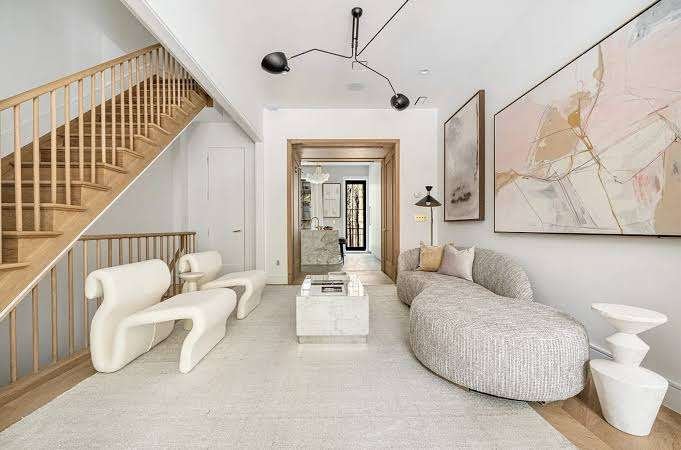
A small living room doesn’t have to feel cramped, cluttered, or difficult to decorate. With the right combination of neutral colors, modern furniture, natural textures, and thoughtful layouts, even the smallest living space can feel open, elegant, and incredibly cozy.
Modern neutral living rooms are especially beautiful because they combine simplicity with warmth. Cream sofas, soft beige walls, light oak furniture, textured rugs, and subtle stone accents create a peaceful atmosphere without making the room feel boring. The secret is balancing different shades and materials while choosing furniture that makes the most of your available space.
These 14 modern neutral living room ideas will help you transform a compact apartment, cozy family room, or small sitting area into a stylish and functional retreat. From elegant feature walls and floating shelves to multifunctional furniture, statement mirrors, and layered lighting, these ideas offer inspiration for a variety of budgets and decorating styles.
You’ll also discover practical furniture placement tips, beautiful neutral color combinations, space-saving accessories, and affordable decorating suggestions that make your living room feel thoughtfully designed without a complete renovation.
Affiliate disclosure: This article contains Amazon shopping links. We may earn a commission from qualifying purchases made through eligible affiliate links at no additional cost to you.
More Modern Living Room Decorating Ideas
If you love warm neutrals, sophisticated furniture, and practical small-space decorating, explore these related articles from HowitSee for more inspiration.
- 21+ Brown and Cream Living Room Ideas for cozy neutral palettes, layered textures, and beautiful brown furniture combinations.
- Must-Try Small Living Room Layout Ideas for Better Flow for arranging sofas, chairs, coffee tables, and storage furniture.
- 15 Elegant Living Room Wainscoting Ideas for Timeless Walls for decorative molding, modern panels, and architectural wall details.
- 14 Earthy Room Decor Ideas for a Natural Oasis for natural wood, organic materials, soft greenery, and warm living room accents.
- 15 Moody Blue Living Room Decor Ideas for adding sophisticated contrast when you want to introduce a richer accent color.
What Makes a Modern Neutral Living Room Feel Beautiful?
Modern neutral living room decor is built around a balanced combination of simple furniture, timeless colors, comfortable textures, and useful everyday features. Instead of relying on bright decorative accents, this style creates visual interest through different materials, subtle color variations, and carefully selected furniture shapes.
Popular neutral shades include ivory, cream, beige, taupe, greige, oatmeal, mushroom, and warm white. Natural wood, stone-look surfaces, linen, woven rugs, and matte ceramics can introduce depth without making the room feel visually busy.
In small spaces, the layout matters just as much as the colors. A beautifully designed sofa can still overwhelm the room if it’s too deep, while too many small tables can interrupt the walking path. Choosing fewer, well-proportioned pieces often creates a better result than filling every corner with furniture.
Simple modern neutral living room formula: Warm neutral walls + appropriately sized seating + natural wood or stone accents + layered textures + practical lighting + clear walking space.
You can adapt this formula to modern minimalist, Scandinavian, Japandi, contemporary, organic modern, and transitional decorating styles.
Best Neutral Color Combinations for Small Living Rooms
| Neutral Palette | Best Style | Suggested Details |
|---|---|---|
| Cream + Beige + Oak | Organic Modern | Linen Sofa, Oak Table, Woven Rug |
| Ivory + Taupe + Walnut | Modern Luxury | Taupe Seating, Walnut Furniture, Cream Curtains |
| Warm White + Greige + Black | Contemporary | Simple Furniture, Black Frames, Subtle Texture |
| Oatmeal + Sand + Light Wood | Scandinavian | Pale Rug, Open-Leg Sofa, Natural Wood |
| Mushroom + Ivory + Brass | Elegant Transitional | Soft Walls, Brass Lamp, Textured Cushions |
| Mocha + Cream + Camel | Warm Minimalist | Brown Accent Chair, Cream Sofa, Low Table |
| Stone Gray + White + Walnut | Modern Urban | Gray Rug, Wooden Table, Neutral Artwork |
| Warm Beige + Sage + Ivory | Soft Natural | Sage Cushion, Cream Upholstery, Ceramic Vases |
How to Plan a Modern Neutral Living Room in a Small Space
Before choosing decorations, measure the living room and identify where the largest furniture pieces will go. Include windows, doors, radiators, built-in cabinets, electrical outlets, and the space required to move comfortably around the furniture.
Choose the main purpose of the room. If you enjoy watching television, organize the seating around a comfortable viewing position. If you frequently entertain, a sofa with one or two chairs may be more suitable. For a compact apartment, flexible furniture and concealed storage can provide additional everyday function.
As a general planning starting point, leaving approximately 14–18 inches between a sofa and coffee table can provide comfortable reach and legroom. Aim for generous, unobstructed main walking paths, commonly around 30–36 inches where space permits, and preserve any greater clearance required for accessibility or building regulations. These measurements are guidelines rather than universal minimums.
Once the furniture placement works, choose a neutral color palette and introduce textures through rugs, pillows, curtains, and decorative accessories. Try not to purchase new furniture until you’ve tested the arrangement with your existing pieces.
14 Modern Neutral Living Room Ideas to Transform Small Spaces
1. Create a Soft Neutral Statement Wall
A neutral statement wall can give a small living room a sophisticated focal point without introducing a busy pattern or bright color. Soft beige, warm white, pale greige, and light stone finishes provide subtle depth while keeping the room calm. Modern wall treatments can also make a simple sofa or small coffee table feel more intentional within the space.
Choose the wall behind the sofa or television and consider a restrained treatment such as matte neutral paint, simple picture-frame molding, or a light stone-look surface. Large-format porcelain wall cladding can create a continuous appearance, but it requires the correct substrate, structural support, and professional installation. For a budget-friendly alternative, paint one wall a slightly deeper shade than the surrounding cream walls. Pair it with a linen-look sofa, natural wood table, and minimal artwork. The small variation between wall colors will create visual interest without making the room feel crowded.
Small-space tip: Choose one feature wall rather than decorating every wall differently. A consistent neutral backdrop helps the furniture arrangement feel more connected.
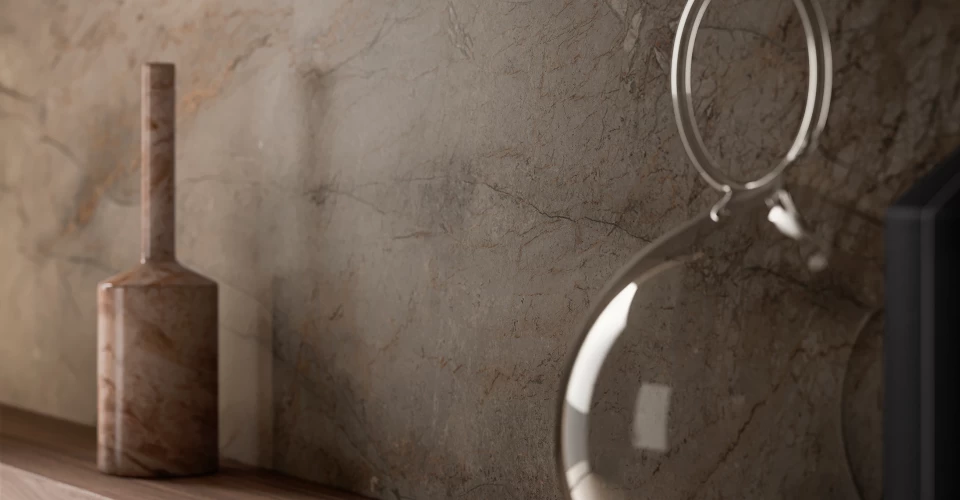
Image credit: @atlasplan.com
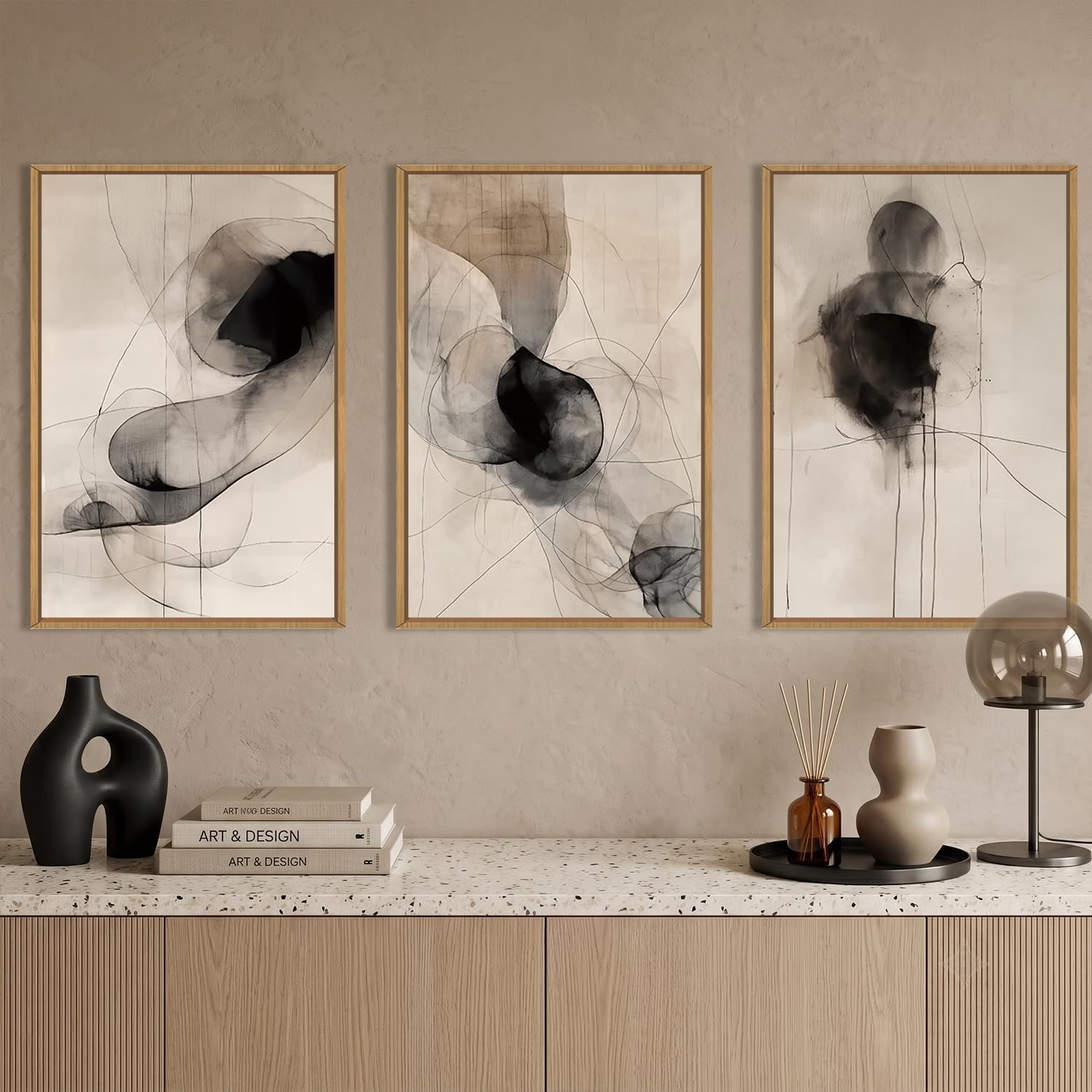
Amazon Find: Neutral Textured Wall Art
If you’re not ready to change the wall finish, textured neutral artwork can introduce a subtle statement above the sofa.
2. Combine Warm Neutral Colors With Layered Lighting
Neutral colors become much more inviting when they are paired with beautiful lighting. Cream, beige, warm gray, and greige can look different throughout the day, and the right lamps can bring out their softer undertones. Instead of relying on one ceiling light, create a more comfortable atmosphere with several carefully positioned light sources.
Start with a warm neutral wall color and choose a comfortable sofa in a slightly different shade. Place a small table lamp beside the seating area and add an appropriate reading light if needed. Use a simple ceiling fixture for general illumination and select compatible bulbs that provide pleasant light without uncomfortable glare. A warm brass or natural wood lamp can bring subtle contrast to cream and taupe furniture. If the room receives limited natural light, pale curtains and reflective surfaces can help distribute available daylight. Always follow electrical safety instructions and keep lamp cords clear of walkways and rugs.
Styling tip: Coordinate the lamps through one repeated material, such as brushed brass, matte white ceramic, or light oak. They don’t need to be identical to look connected.
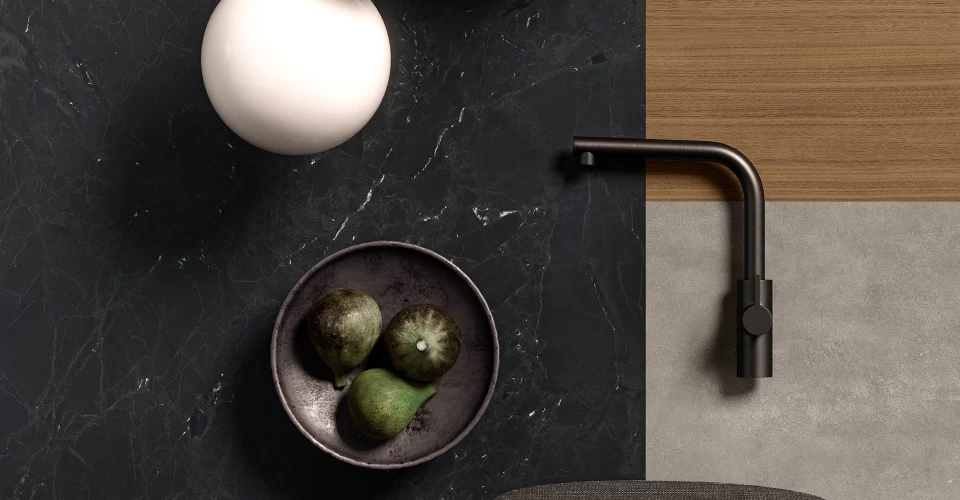
Image credit: @atlasplan.com
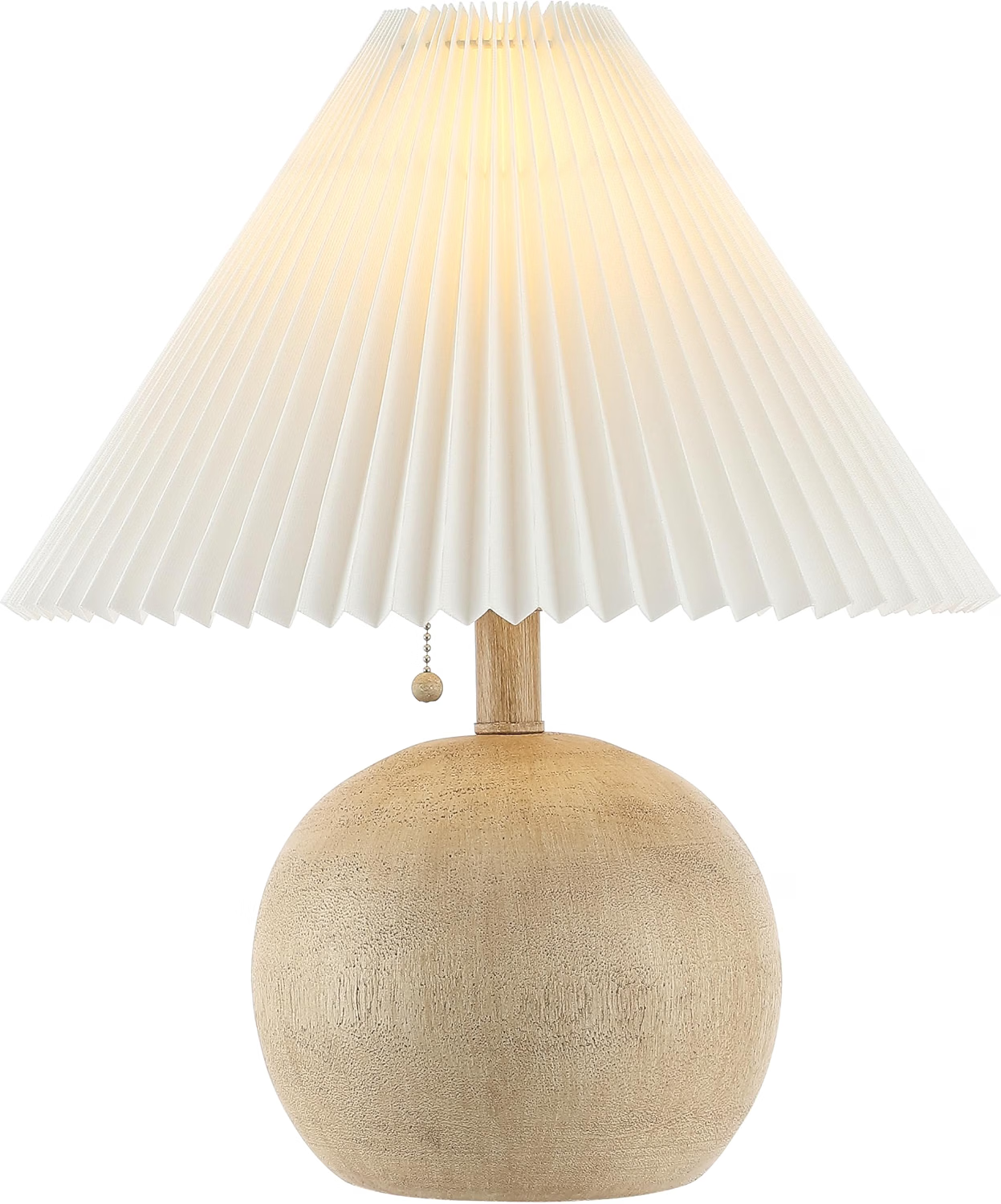
Amazon Find: Warm Minimalist Table Lamps
A compact ceramic or wooden table lamp can add gentle ambient lighting to a modern neutral room.
3. Install Minimalist Floating Shelves
Floating shelves are a useful decorating solution when your living room has limited floor space. Instead of adding another bookcase or storage cabinet, you can display a few favorite books, framed photographs, and ceramic accessories on the wall. Their simple horizontal lines work particularly well in contemporary, Scandinavian, and Japandi-inspired neutral interiors.
Choose two or three shelves in light oak, walnut, or a finish that coordinates with the wall. Install them where they won’t interfere with seating, door operation, or movement. Arrange books in small stacks and add one ceramic vase or framed print to create an appealing mix of shapes. Keep some sections open rather than covering every inch of the shelves. Floating shelves must be fastened with hardware suited to the wall material and expected weight, and heavy objects should not be placed above frequently occupied seating where they could fall.
Styling formula: A few books + one sculptural ceramic piece + a small framed photograph + open space between objects.
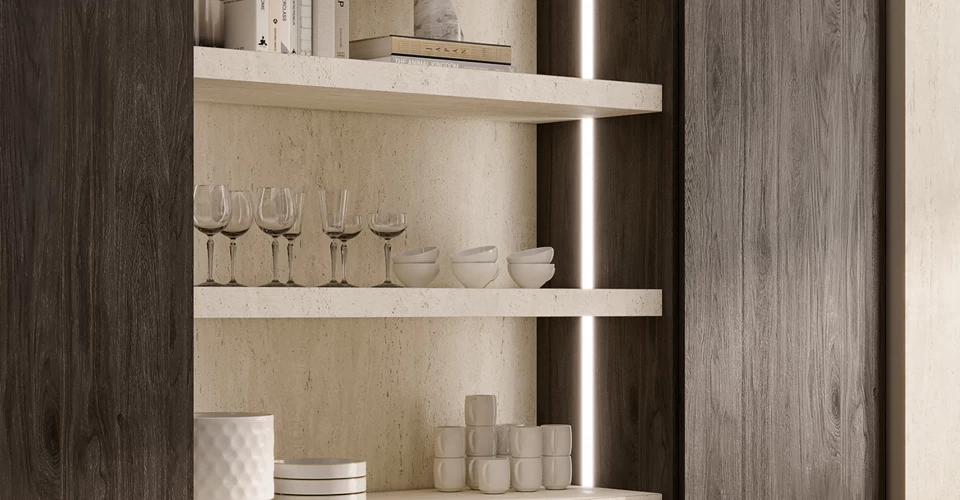
Image credit: @atlasplan.com
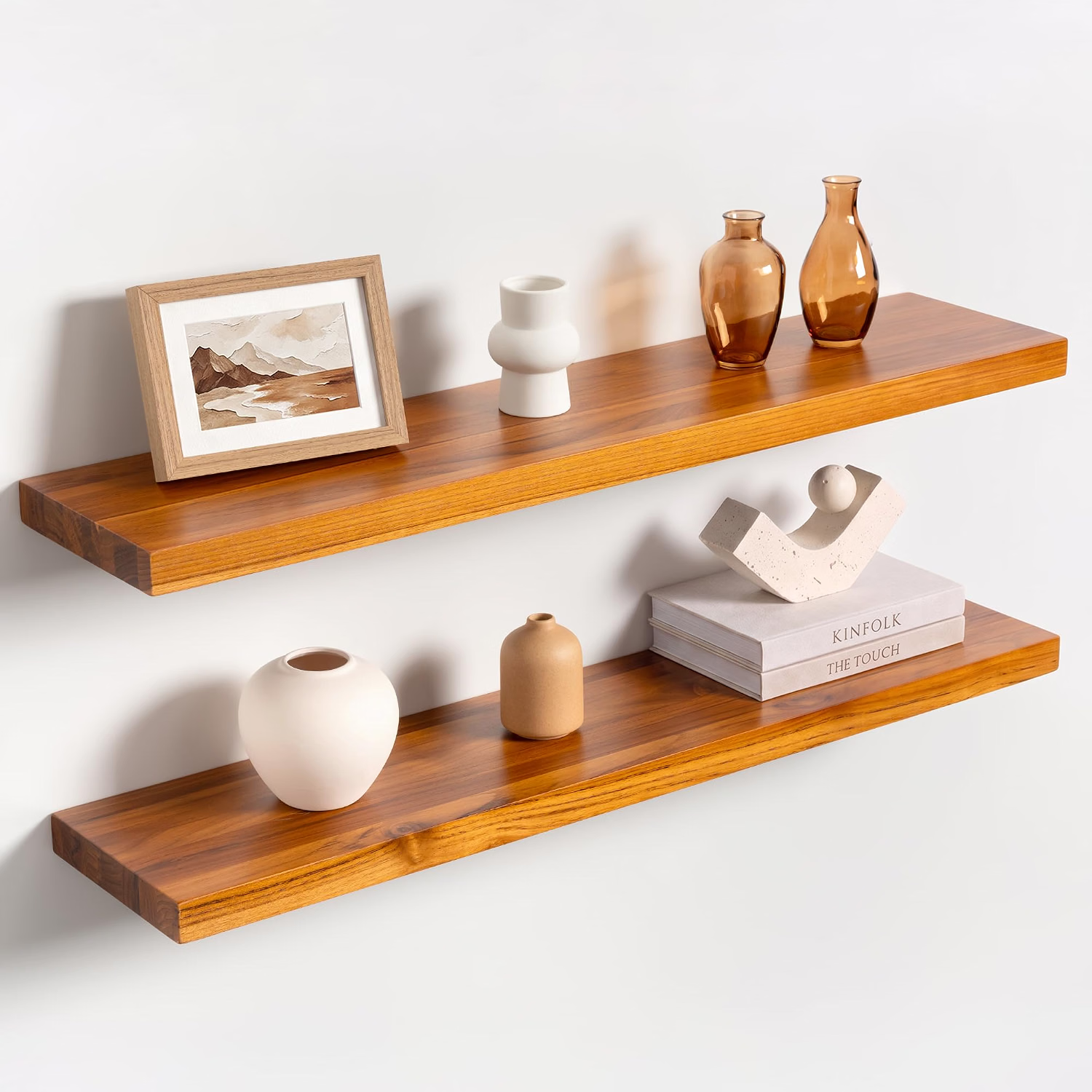
Amazon Find: Minimalist Wood Floating Shelves
Floating shelves can introduce warm wood while providing useful display space in compact rooms.
4. Choose Furniture That Keeps the Floor Visible
One of the easiest ways to make a compact living room feel visually lighter is to choose furniture that exposes more of the floor. Sofas with raised legs, slim accent chairs, and open-frame coffee tables can create a more spacious appearance than bulky furniture with solid bases. This approach works particularly well with pale rugs and uninterrupted neutral flooring.
Choose a sofa with appropriately sized seating and visible wooden or metal legs. Pair it with a compact coffee table that has an open base and one comfortable accent chair if the room allows. Keep the central walking area clear and avoid crowding the sofa with unnecessary side tables. Furniture doesn’t always need to sit directly against the walls, but pulling it inward is helpful only when adequate circulation remains. In a narrow room, the best arrangement may still be a sofa close to one wall with a slim table opposite. Prioritize comfort, stability, and usable floor space rather than following one fixed layout rule.
Small-room tip: A sofa with slim arms and visible legs often feels less bulky than an oversized model with deep arms, even when both provide similar seating space.
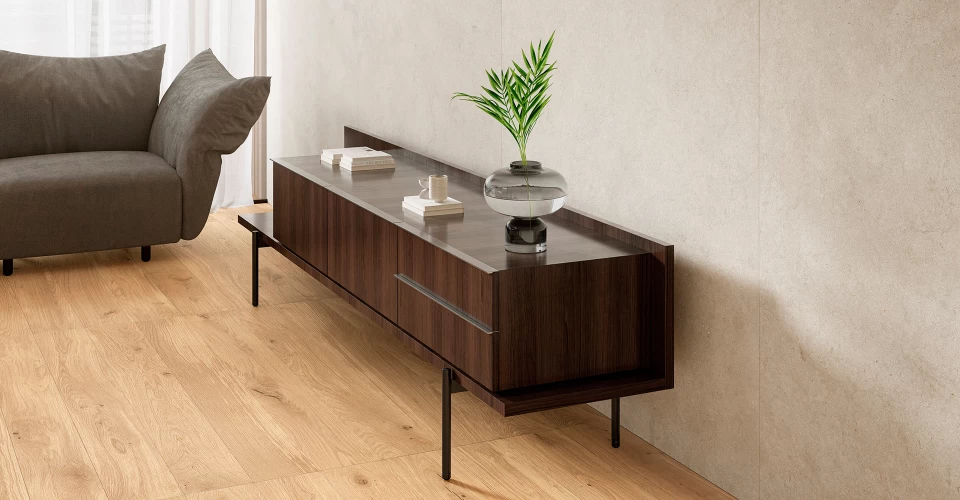
Image credit: @atlasplan.com
5. Make a Stone-Look Coffee Table Your Focal Point
A sculptural coffee table can transform a simple neutral living room without requiring expensive artwork or dramatic wall treatments. Stone-look surfaces, gently rounded shapes, and warm cream finishes create a sophisticated focal point that complements modern furniture. The table becomes an attractive centerpiece while remaining useful for everyday activities.
Choose a round or oval coffee table with a suitable stone-look, ceramic, or composite finish. Light travertine-inspired surfaces work beautifully with beige seating, while subtle marble-look patterns can add understated luxury. Make sure the table is proportional to your sofa and leaves enough room for comfortable movement. A round shape may be particularly useful near busy walkways because it avoids sharp projecting corners. Keep the styling simple with one decorative tray, a small stack of books, or a ceramic bowl. Check the table’s actual weight, stability, finish durability, and cleaning requirements before purchasing.
Designer tip: If your sofa is straight and structured, a softly curved coffee table can introduce a beautiful contrast in shape.
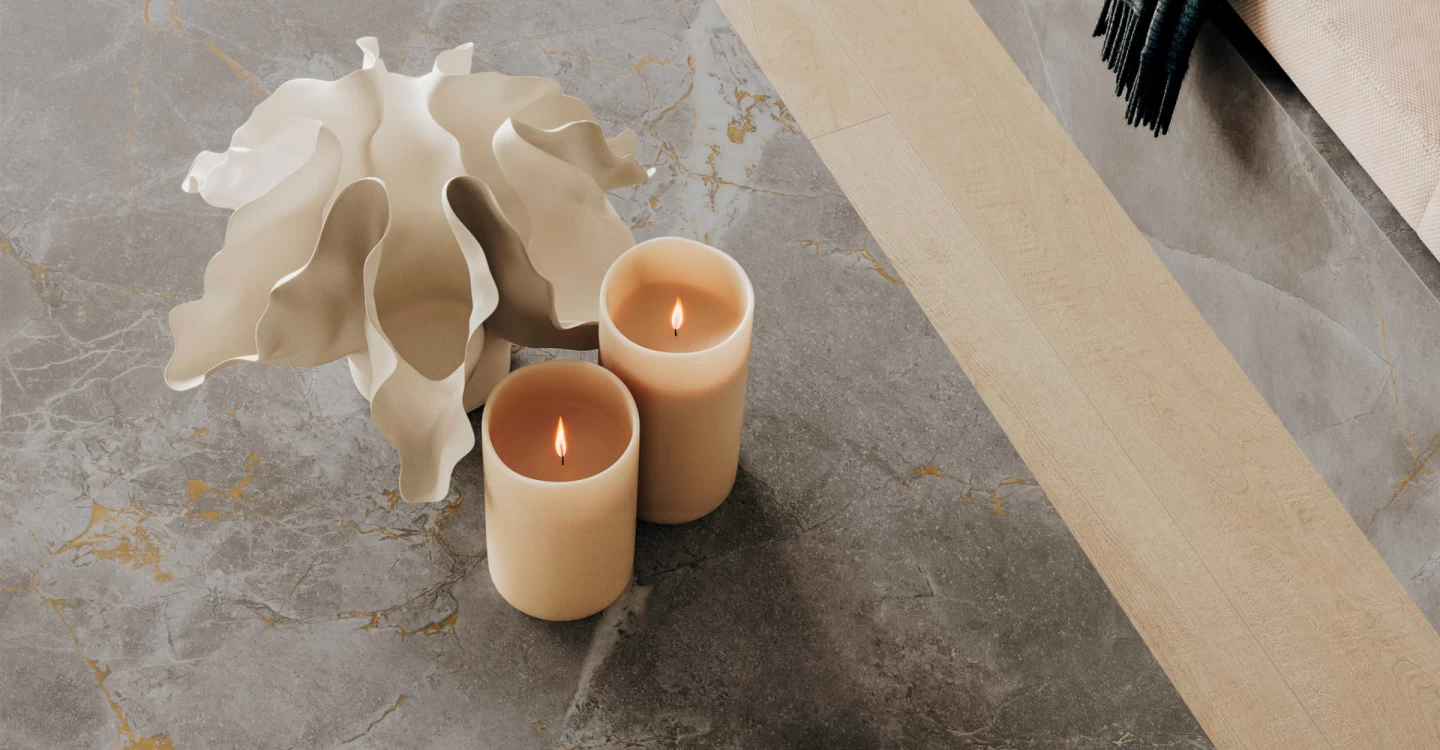
Image credit: @atlasplan.com
Amazon Find: Travertine-Look Coffee Tables
A compact stone-look table can create a modern organic focal point without requiring a heavy natural stone slab.

6. Use Large-Format Neutral Flooring for a Seamless Look
The flooring has a major influence on how open and cohesive a living room feels. Large-format flooring in soft cream, warm gray, beige, or stone-inspired finishes can create a continuous visual foundation. Fewer visible joints and a restrained pattern may help a compact space feel calmer, especially when paired with simple furniture and coordinated walls.
If you’re renovating, consider porcelain floor tiles or another suitable flooring material with subtle variation and a finish designed for residential floors. Choose a shade that complements the walls and main seating rather than introducing an unrelated color. For example, warm beige flooring with cream furniture and pale wood accents can produce a relaxed organic modern atmosphere. Large-format tiles require the right substrate, appropriate slip resistance, and professional installation techniques. If replacing the flooring isn’t in your budget, use a generously sized neutral rug over the existing surface to create a more unified appearance without renovation.
Budget alternative: A low-pattern cream or oatmeal rug can provide the visual calm of a continuous floor surface while adding comfort and texture.
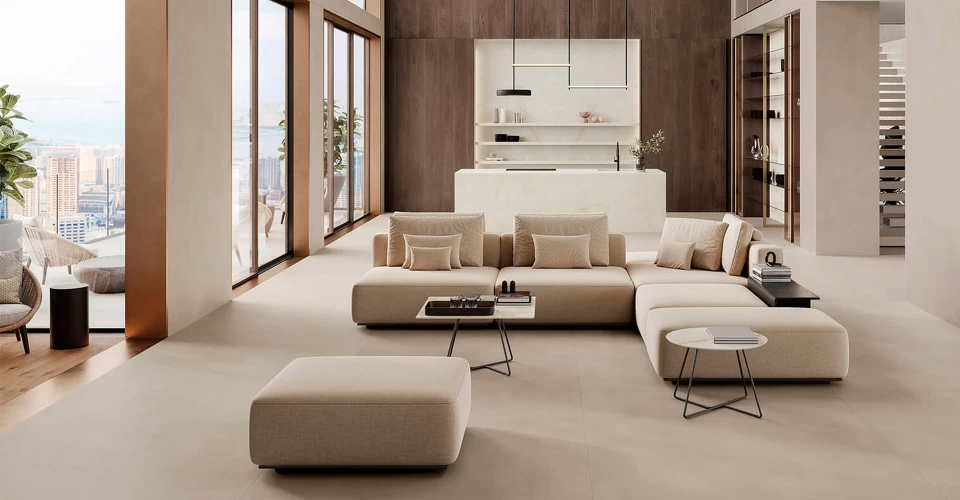
Image credit: @atlasplan.com
7. Define an Open Living Area With Coordinated Floor Zones
Open-plan apartments often need one room to support several activities, such as relaxing, dining, and working. Instead of adding bulky partitions, define different areas through flooring, rugs, and furniture placement. A carefully planned arrangement can give each function its own space while preserving the overall openness of the room.
Place a neutral area rug beneath the main seating group and position the sofa and coffee table around it. Keep the dining table on the exposed flooring or use another subtle floor treatment if the layout allows. Repeat similar neutral tones across both areas to create continuity. If you are renovating, coordinating floor finishes can help visually distinguish zones without introducing competing patterns. For a small rental apartment, rugs provide a simpler and more flexible option. Make sure the edges are secure and that chairs and walking paths remain functional. Avoid creating abrupt flooring changes that introduce tripping hazards.
Layout tip: Use furniture orientation as part of the zoning plan. A sofa can visually separate the sitting area from dining or working space without requiring a physical wall.
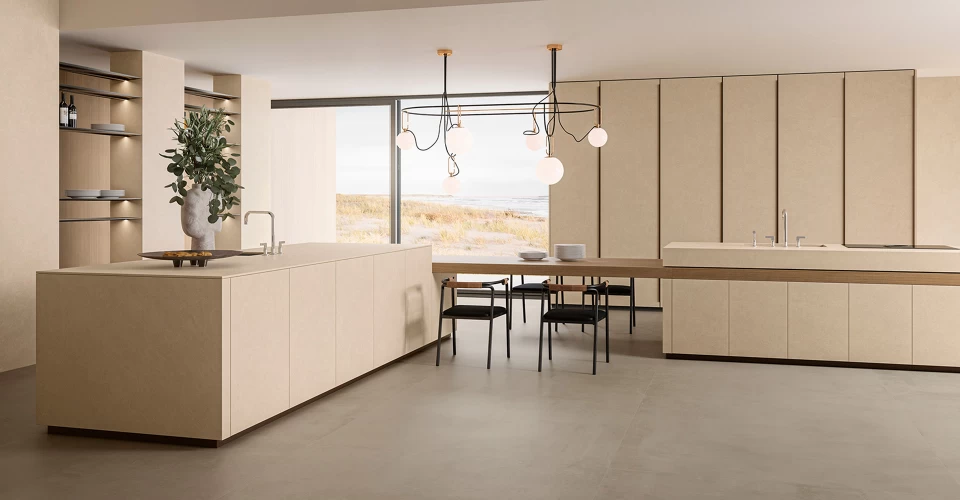
Image credit: @atlasplan.com
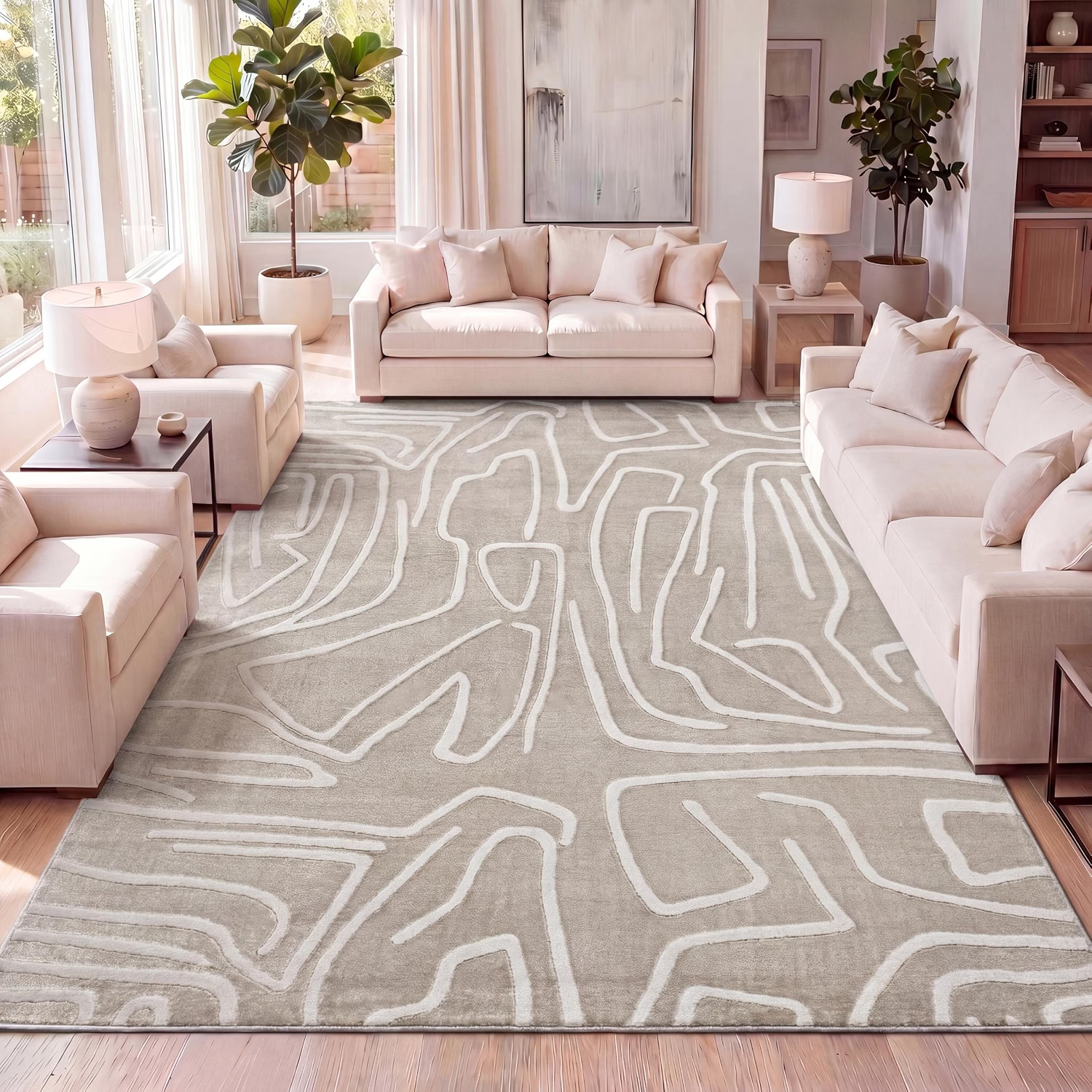
Amazon Find: Neutral Area Rugs for Small Living Rooms
A properly sized neutral rug can define the seating area and introduce softness to an open-plan living room.
Seven More Beautiful Neutral Living Room Ideas for Small Spaces
8. Stick to a Cohesive Cream, Beige, and Taupe Palette
A limited neutral palette can make a small living room feel more coordinated and peaceful. Instead of using numerous competing colors, choose two or three related shades and repeat them through your main furniture, curtains, rug, and accessories. Cream, beige, and taupe create a beautiful combination because they introduce gentle contrast without disrupting the overall calm appearance.
Start with warm cream walls and choose a sofa in light beige or oatmeal. Add taupe cushions, a softly patterned rug, and one wooden table in a medium-brown finish. This creates subtle variation while keeping the room visually connected. To prevent the palette from looking flat, mix materials such as linen, bouclé, cotton, wool-look textiles, ceramics, and natural wood. Introduce one small dark detail through a frame or lamp for contrast. Check paint and fabric samples together under the room’s actual lighting because some neutrals have yellow, gray, or pink undertones.
Styling formula: One light neutral foundation + one medium neutral shade + one darker accent + two or three complementary textures.
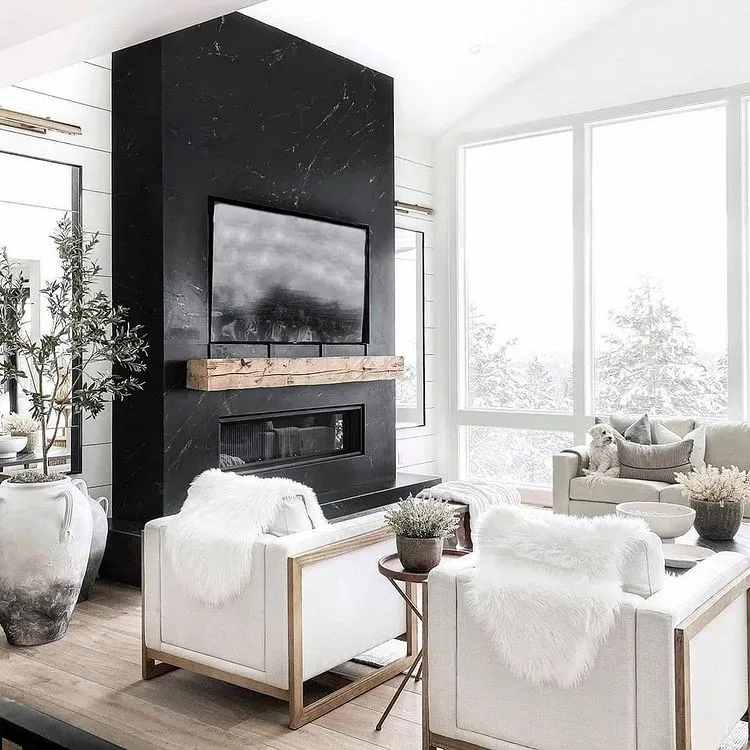
Image credit: @thespruce.com
9. Anchor the Room With One Comfortable Statement Sofa
A small living room doesn’t necessarily need miniature furniture. Sometimes, one comfortable, correctly sized sofa creates a better layout than several smaller chairs and tables. The sofa becomes the main anchor of the seating arrangement and helps the rest of the furniture feel purposeful rather than scattered.
Choose a compact sectional or two- to three-seat sofa based on the available measurements. A cream or warm gray design with clean lines can provide a timeless foundation for the room. Place it facing the main focal point and add only the seating you genuinely need. If the sofa has a chaise, make sure the longer section doesn’t block a doorway or narrow passage. Keep the coffee table proportionate to the sofa and use a rug to connect the furniture. Consider performance upholstery if the living room receives heavy everyday use, and compare actual product dimensions before ordering.
Small-space tip: A compact sectional may provide more useful seating than several separate chairs, but only when its shape fits the room and preserves comfortable circulation.
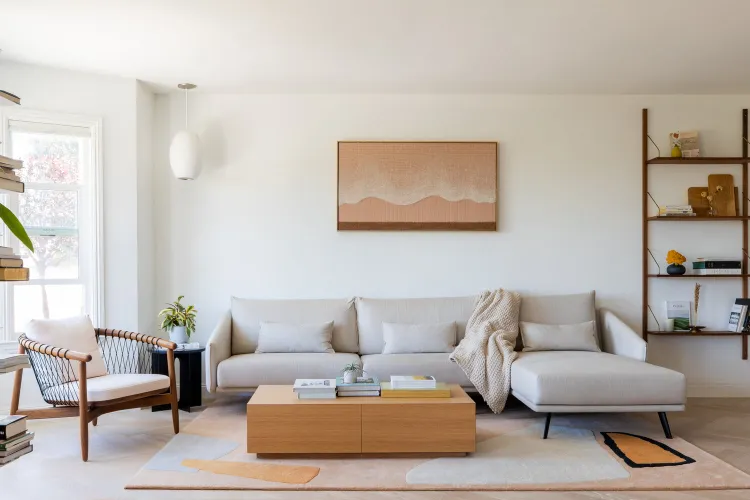
Image credit: @thespruce.com
10. Layer Ambient, Task, and Accent Lighting
Modern neutral living rooms feel especially inviting when lighting is designed for different activities. Soft ambient light creates a comfortable atmosphere, task lighting helps with reading or working, and subtle accent lighting highlights artwork or architectural details. Together, these layers make a small room feel more flexible and thoughtfully planned.
Begin with the main ceiling fixture or other general room lighting. Add a suitable floor lamp beside the sofa for reading and a small table lamp on a sideboard or console for softer evening illumination. If you’re updating the room more extensively, consider appropriately installed wall lights or adjustable fixtures where they suit the layout. Choose lamp shades and finishes that coordinate with your neutral palette, such as cream fabric, matte white ceramic, or brushed brass. Use compatible bulbs and avoid running cords through walking areas. The goal is to create comfortable light for different activities rather than making every fixture decorative.
Designer tip: Position lights at different heights. A floor lamp beside a chair and a smaller table lamp across the room can create visual depth without adding large furniture.
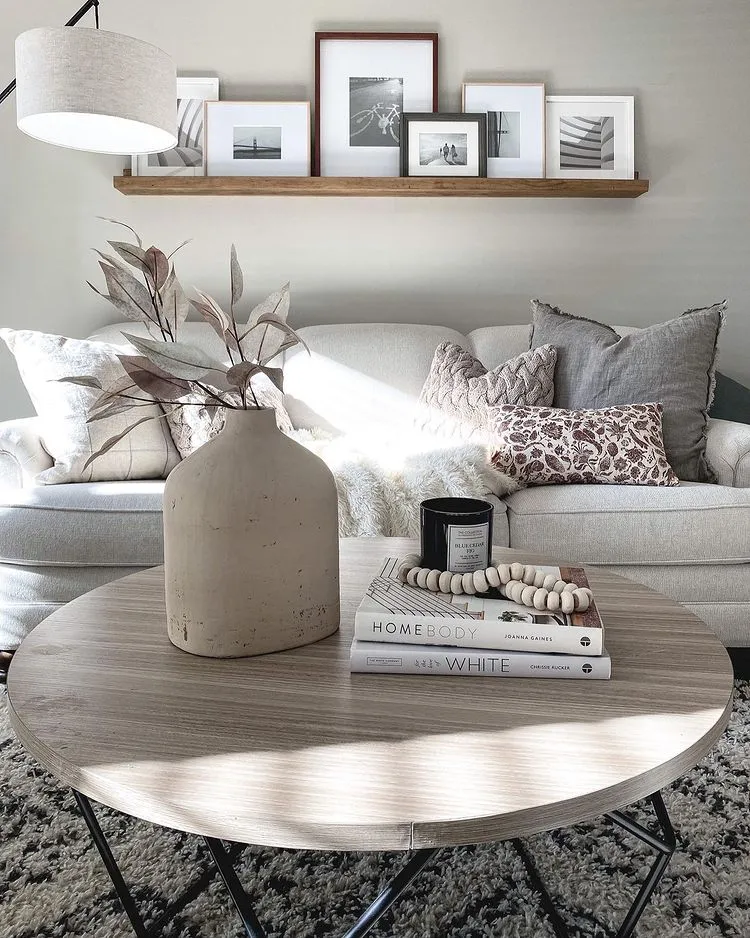
Image credit: @thespruce.com
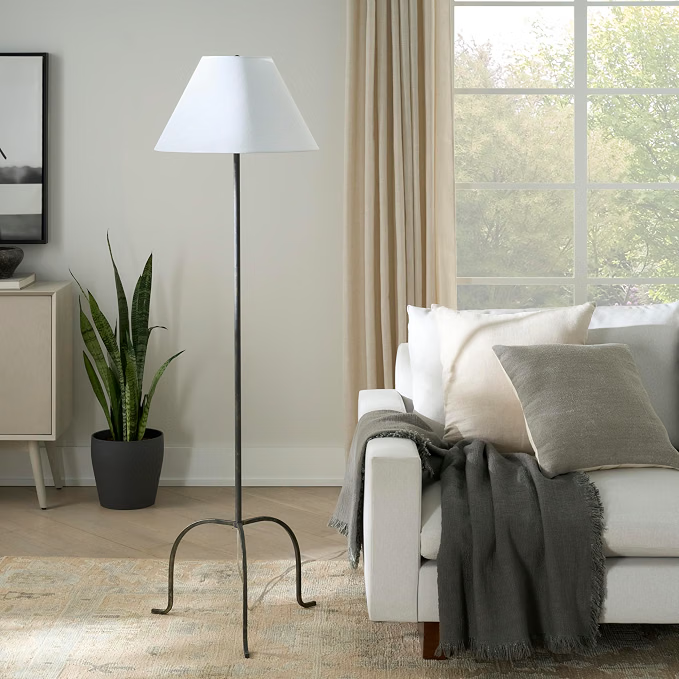
Amazon Find: Minimalist Floor Lamps
Slim floor lamps can provide useful reading light without requiring a large side table.
11. Create a Sophisticated Tonal Beige Living Room
A tonal beige living room uses several related shades of one color to create a soft, harmonious appearance. Rather than choosing identical beige furniture and accessories, combine lighter and deeper versions of the shade across different surfaces. This creates depth while maintaining the simplicity associated with modern neutral interiors.
Begin with pale beige or warm ivory walls. Add a medium-beige sofa and a slightly deeper taupe accent chair or rug. Introduce a small walnut or oak coffee table for natural contrast, then finish with cream curtains and textured cushions. If the room feels too plain, use subtle differences in material rather than bright patterned accessories. A nubby bouclé pillow, woven rug, linen curtain, and smooth ceramic vase can create a layered result. Keep decorative pieces limited so the various tones remain easy to appreciate.
Styling tip: Choose three clearly different depths of beige, such as ivory, oatmeal, and mushroom. Small tonal changes are often more effective than using the exact same shade everywhere.
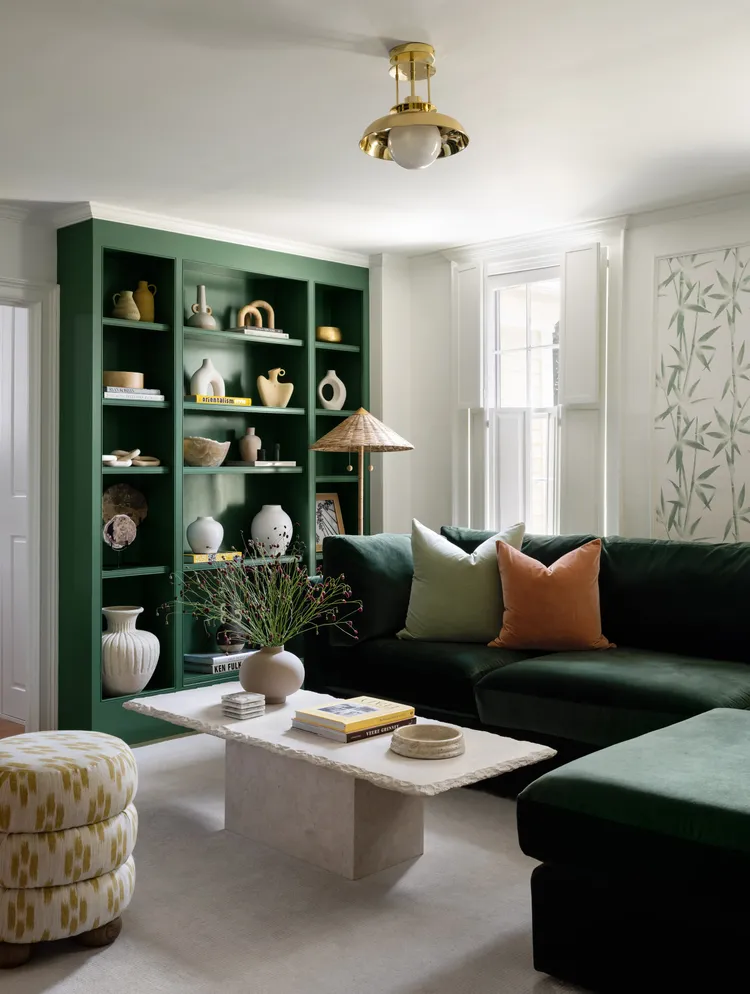
Image credit: @thespruce.com
12. Choose Minimal Artwork With Plenty of Breathing Room
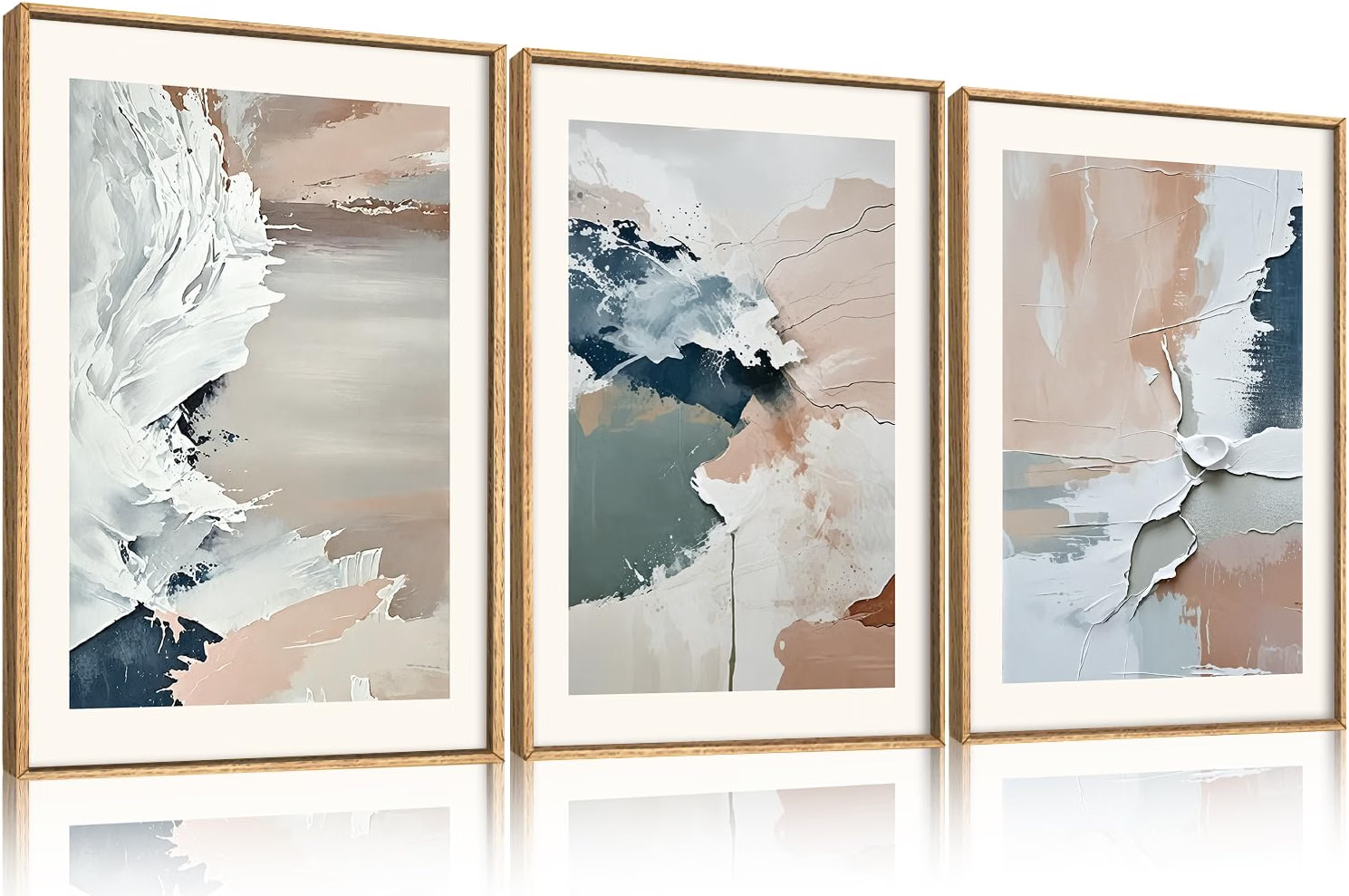
Wall art can make a modern neutral living room feel finished without overwhelming its proportions. In a small room, a restrained collection of meaningful artwork often creates a calmer appearance than covering every wall with decorative prints. Abstract line drawings, textured neutral art, landscape photographs, and soft botanical illustrations can all work beautifully.
Choose one or two pieces that relate to the sofa and nearby furniture. For a modern minimalist look, use a black-framed abstract line drawing on a warm white wall. If the room has earthy colors, a framed landscape print with beige, taupe, and muted brown tones can create a softer effect. Arrange the artwork at a comfortable viewing height and avoid crowding it with small decorations. You can also choose a single larger artwork above the sofa if the proportions suit the room. Secure frames with hardware appropriate for their weight and wall material, and avoid placing heavy glass pieces where they could fall onto seating.
Budget tip: Use simple frames for your own photographs, original abstract paintings, or appropriately licensed printable artwork. Thoughtful framing can make affordable art look more polished.
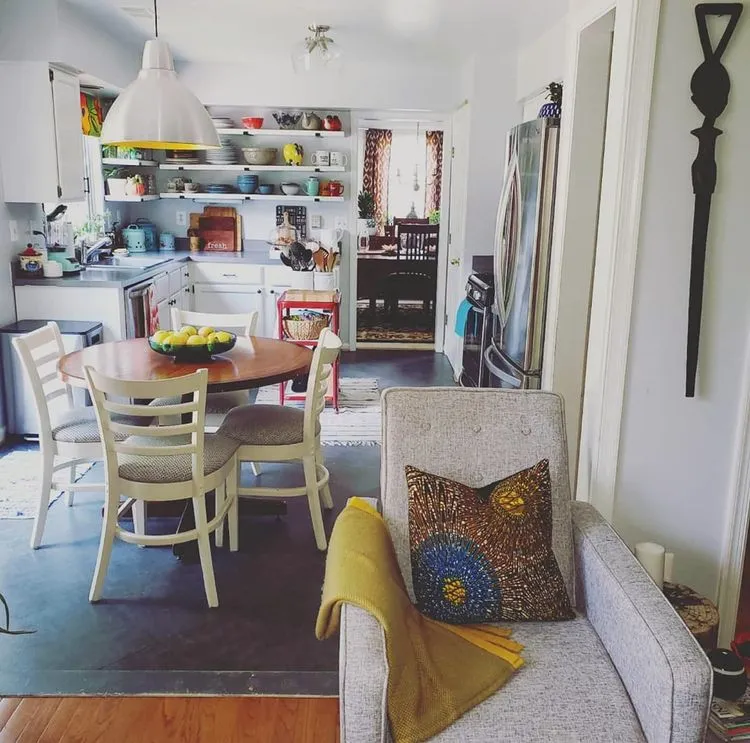
Image credit: @thespruce.com
Amazon Find: Neutral Minimalist Wall Art
Browse abstract and textured neutral prints that complement cream, beige, and taupe living room palettes.
13. Invest in Beautiful Multifunctional Furniture
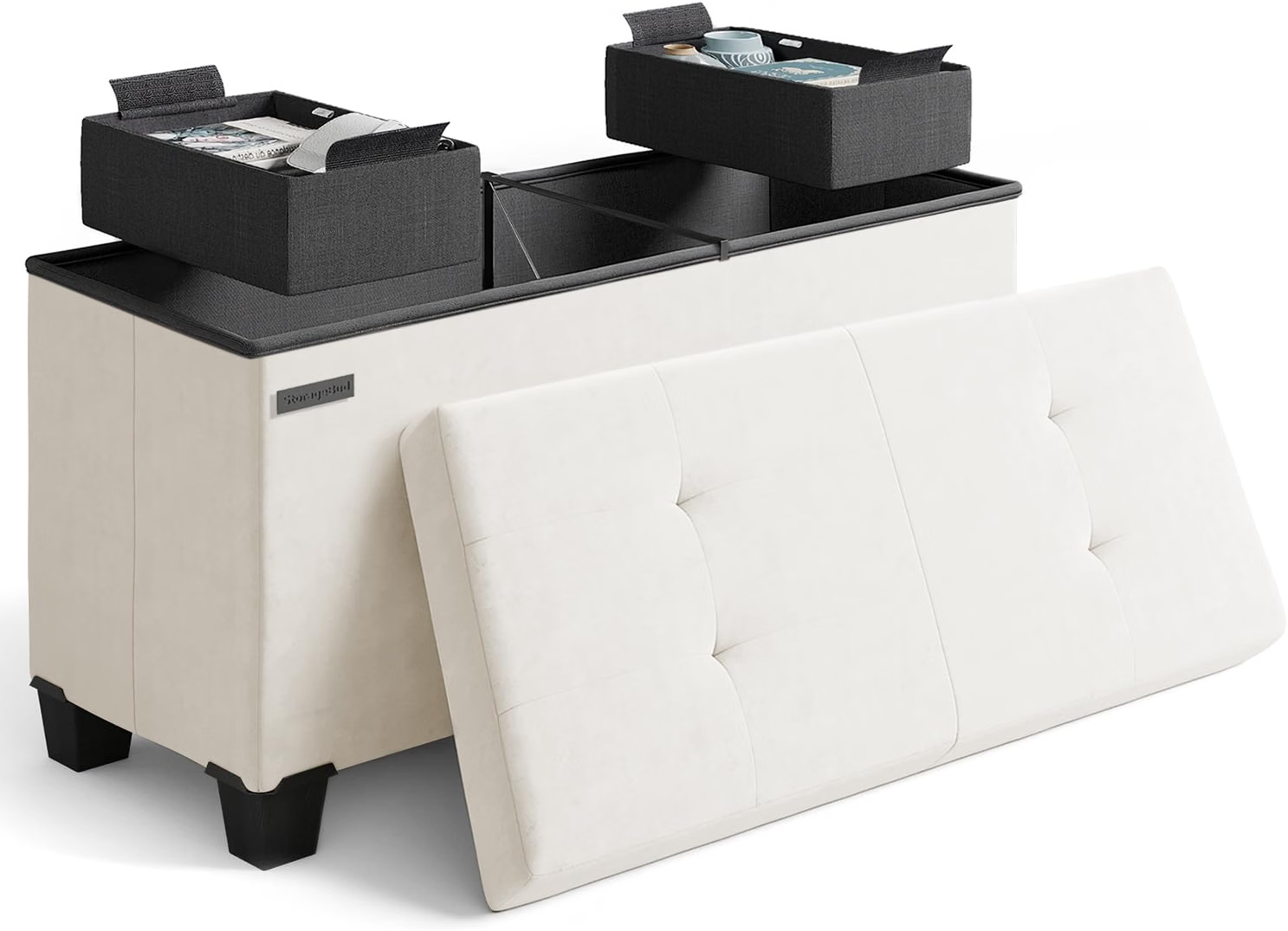
Multifunctional furniture is especially valuable in a small neutral living room because it allows you to preserve useful space without sacrificing comfort. A storage ottoman can function as a footrest and concealed storage compartment, while a lift-top coffee table can provide a temporary work surface. Furniture that serves more than one purpose may also reduce the number of separate cabinets and tables needed in the room.
Choose one multifunctional piece that solves a genuine everyday problem. If blankets, remote controls, and games are always left on the sofa, a cream upholstered storage ottoman may be a practical addition. If you occasionally work from the living room, a compact lift-top coffee table could be more useful. Choose simple finishes that coordinate with the main furniture, and measure all opening and extended positions carefully. Check stability, hinge operation, load ratings, and whether the item is suitable for sitting on if it will be used as extra seating. Avoid filling the room with multiple storage pieces when one well-designed item will do.
Small-space tip: A storage ottoman in a similar color to the sofa can visually blend into the seating area while providing a useful place for blankets and accessories.
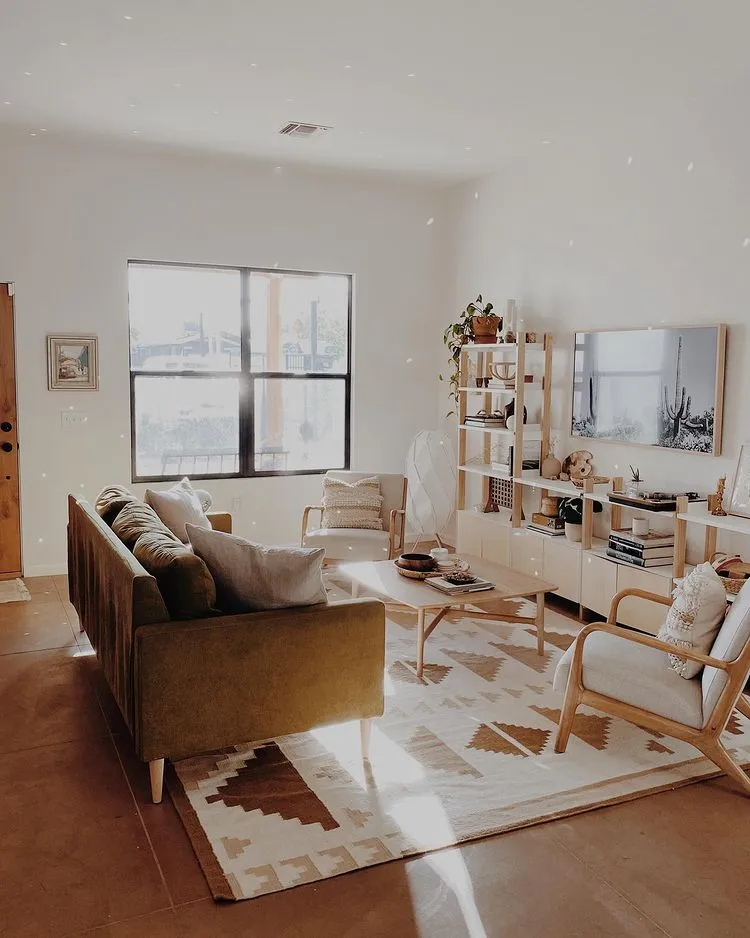
Image credit: @thespruce.com
Amazon Find: Neutral Storage Ottomans
Storage ottomans can combine a footrest, concealed storage, and occasional seating when specifically rated for it.
14. Use an Oversized Mirror to Reflect Natural Light
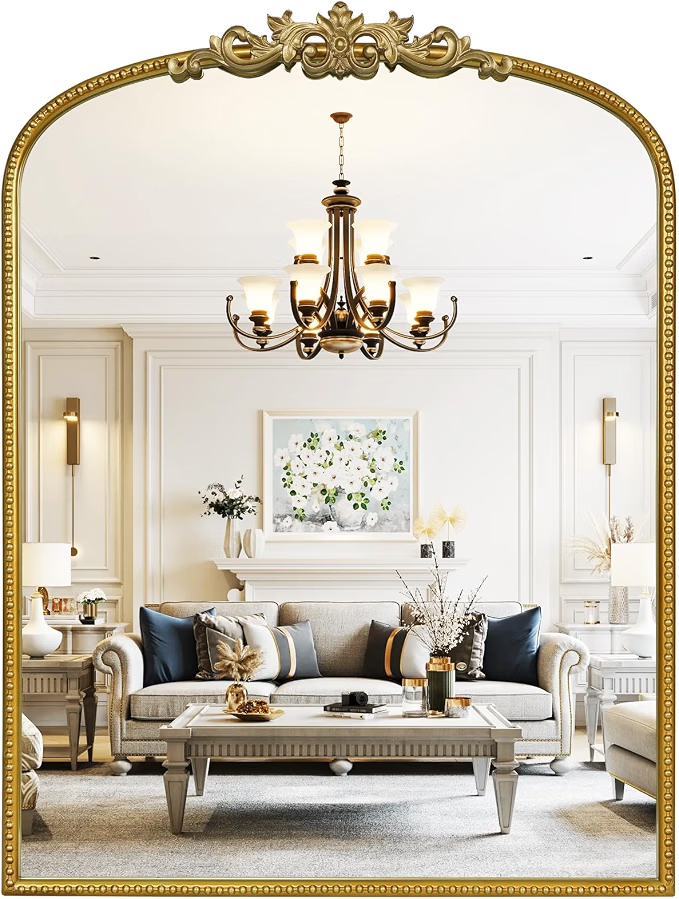
A well-positioned mirror can help a small living room feel brighter and visually more open. Instead of adding several small decorations, choose one beautiful mirror that becomes part of the room’s overall composition. Round, arched, and simple rectangular mirrors work particularly well with modern neutral furniture and soft natural materials.
Position the mirror where it reflects daylight, an attractive view, or a thoughtfully styled part of the living room. An arched mirror with a thin wood frame can soften a compact apartment, while a round brass-look design brings warmth to a greige or cream wall. If you have a narrow entry connected to the living room, a tall mirror may help visually connect the two areas. Avoid placing a mirror where it reflects a cluttered storage zone or creates uncomfortable glare. Large mirrors must be mounted or anchored according to their weight and the manufacturer’s instructions, including freestanding designs intended to lean against a wall.
Styling tip: Pair a simple arched mirror with an oak console and one ceramic vase for a sophisticated neutral arrangement that doesn’t require much additional decoration.
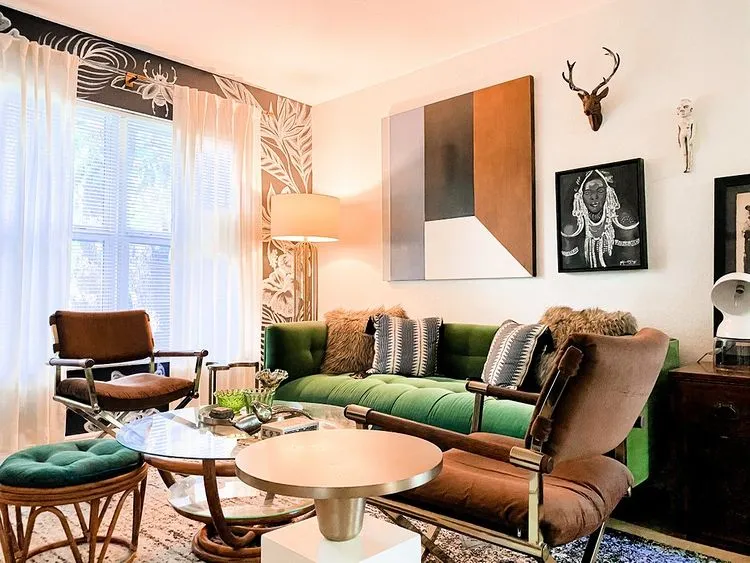
Image credit: @thespruce.com
Amazon Find: Large Arched Living Room Mirrors
An arched mirror can create a beautiful statement while reflecting natural light. Compare size, weight, and mounting requirements.
Best Modern Neutral Living Room Layouts for Small Spaces
A beautiful neutral palette works best when the furniture layout also feels comfortable. The ideal arrangement depends on whether your living room is narrow, square, open-plan, or connected to another area of the home.
| Room Shape | Recommended Arrangement | Neutral Decorating Tip |
|---|---|---|
| Small Square Room | Compact Sofa and One Angled Chair | Use a Round Table and Soft Beige Rug |
| Narrow Rectangle | Sofa Along Main Wall and Slim Table | Keep Furniture Legs Visible |
| Studio Apartment | Floating Sofa With Rug-Defined Seating | Repeat Neutral Tones Across Zones |
| Living and Dining Combination | Separate Areas With Furniture and Rugs | Choose Coordinated Flooring Colors |
| Small TV Room | One Main Sofa Facing the Screen | Use a Compact Storage Ottoman |
| Room With Large Window | Low Furniture That Preserves Daylight | Add Pale Curtains and Light Upholstery |
| Room With Limited Storage | Compact Seating and Vertical Shelving | Use Matching Baskets and Closed Storage |
How to Make a Neutral Living Room Feel Cozy, Not Boring
A neutral living room can feel flat when every surface is the exact same shade and texture. The easiest solution is to introduce subtle variation through materials, shapes, and lighting rather than adding unnecessary colors.
- Layer different textures: Combine linen, bouclé, cotton, wool-look rugs, woven baskets, and smooth ceramics.
- Mix warm and cool neutrals carefully: Add gentle contrast while keeping the undertones compatible.
- Introduce natural wood: Oak, walnut, and light ash finishes can warm up cream or gray furniture.
- Use gentle curves: Rounded coffee tables, arched mirrors, and sculptural lamps soften straight furniture lines.
- Choose warm lighting: Add table and floor lamps to make the room inviting after sunset.
- Include subtle dark accents: Black frames or a deep brown table can create useful contrast.
- Bring in greenery: A suitable houseplant or botanical artwork can introduce natural color.
- Keep comfortable textiles nearby: A soft throw and a few cushions make the seating more welcoming.
- Display meaningful objects: A favorite photograph, ceramic bowl, or small collection of books adds personality.
- Leave some open space: Neutral interiors often look more intentional when decorative pieces aren’t crowded together.
Budget-Friendly Modern Neutral Living Room Makeover Plan
You don’t need to replace every piece of furniture to create a modern neutral living room. A few focused changes can make existing furniture feel more connected and give the room a calmer appearance.
- Declutter the main surfaces: Clear unnecessary objects from the coffee table, shelves, and surrounding floor.
- Test a better furniture arrangement: Move existing pieces before purchasing anything new.
- Choose a neutral foundation: Work with the existing wall, flooring, and sofa colors.
- Refresh cushion covers: Select two or three textures in cream, taupe, or beige.
- Add a soft throw: Fold a neutral blanket over one arm of the sofa for warmth.
- Improve the lighting: Position existing lamps more thoughtfully or add one suitable task light.
- Use one coordinated rug: Choose a size that helps anchor the main seating area.
- Introduce a wood accent: A small oak or walnut table can add warmth.
- Simplify the artwork: Replace scattered small decorations with one cohesive display.
- Add practical storage: Choose baskets or a storage ottoman only where they solve a genuine problem.
Common Modern Neutral Living Room Decorating Mistakes
Using the Exact Same Beige Shade Everywhere
When the sofa, rug, curtains, and walls are nearly identical in color and texture, the room can appear flat. Introduce different neutral tones and materials, such as cream linen, taupe upholstery, and warm wood.
Choosing Oversized Furniture for a Tiny Room
A sofa that’s too deep or a large coffee table can interrupt movement and make a small room feel crowded. Measure your space before buying and compare the complete furniture dimensions, including arms, legs, and opening mechanisms.
Forgetting About Texture
Neutral decorating relies on differences in materials and finishes. Pair smooth furniture with woven textiles, matte pottery, or natural wood. These elements create depth without introducing bright colors or busy patterns.
Using Too Many Small Decorations
Tiny frames, numerous vases, and several decorative trays can make a compact living room feel visually cluttered. Choose a few meaningful objects with enough space around them. One beautiful lamp or sculptural vase may create a stronger impression than many small accessories.
Ignoring Natural Light
Heavy curtains and tall furniture placed in front of windows may make a room feel darker. Use suitable window treatments and position furniture to preserve useful daylight. Add appropriate lamps when natural light is limited.
Choosing Neutral Paint Without Testing Undertones
Some beige and greige paints have strong yellow, pink, or gray undertones. A shade that looks perfect online may appear different beside your flooring and sofa. Test actual paint samples in daylight and under evening lighting before choosing the final color.
Blocking Walkways With Extra Furniture
Small rooms can become difficult to navigate when side tables, poufs, and accent chairs are placed in every available corner. Keep the natural walking path clear and choose flexible furniture when additional seating is genuinely needed.
Overlooking Safety With Heavy Decor
Floating shelves, tall bookcases, mirrors, and heavy wall panels require suitable installation hardware. Follow manufacturer instructions and use appropriate supports for the wall structure and actual load. Keep electrical cords clear of walking areas and avoid placing flammable textiles near heaters or lamps.
Frequently Asked Questions
1. What Are the Best Neutral Colors for a Small Living Room?
Cream, warm white, beige, greige, taupe, oatmeal, and soft gray are versatile choices. They can create a cohesive foundation for modern furniture, natural wood, and decorative textures. Choose shades that complement your existing flooring and lighting rather than assuming every neutral will work together.
2. How Can I Make a Small Neutral Living Room Look Expensive?
Focus on a coordinated palette, properly sized furniture, layered lighting, and a few quality-looking decorative pieces. A textured rug, a beautiful table lamp, simple artwork, and organized surfaces can create a polished appearance without expensive renovations.
3. How Do You Keep a Beige Living Room From Looking Boring?
Combine different beige tones and introduce texture through linen, woven rugs, soft cushions, ceramics, and natural wood. Add contrast with a darker table, a black picture frame, or a warm metallic lamp. Gentle differences in material often create more interest than adding many unrelated colors.
4. What Furniture Works Best in a Small Modern Living Room?
Compact sofas, chairs with slim arms, round coffee tables, storage ottomans, and furniture with visible legs can work well. Choose furniture according to the room’s measurements and how you use the space. A few comfortable pieces are often better than several undersized tables and chairs.
5. Can a Small Living Room Look Good With Dark Neutral Furniture?
Yes. Brown, walnut, charcoal, and deep taupe can create beautiful contrast in a small room. Balance darker furniture with lighter rugs, cream walls, well-positioned lighting, and enough open floor space. The proportions of the furniture matter more than using only pale colors.
Final Thoughts
These 14 modern neutral living room ideas show that even a compact space can feel elegant, comfortable, and beautifully designed. Soft cream and beige palettes, minimalist shelving, statement coffee tables, coordinated flooring, and layered lighting can transform a small living room without relying on elaborate renovations or excessive decoration.
The key is choosing a thoughtful layout and allowing your favorite furniture pieces to stand out. Use lighter backgrounds to create a calm foundation, introduce texture through natural materials, and choose practical furniture that supports your everyday routine. A large mirror, warm table lamp, or soft woven rug can make a meaningful difference without requiring a complete makeover.
Whether you prefer minimalist Scandinavian interiors, cozy organic modern decor, or a sophisticated taupe-and-walnut palette, your small living room can become a timeless neutral retreat that feels spacious, welcoming, and uniquely yours.
Design Inspiration and References
This original decorating guide draws inspiration from two small living room design resources. Ideas 1–7 adapt wall finishes, lighting, shelving, furniture placement, statement pieces, and flooring concepts from Atlas Plan. Ideas 8–14 adapt color palettes, seating, lighting, artwork, and multifunctional furniture principles from The Spruce.
