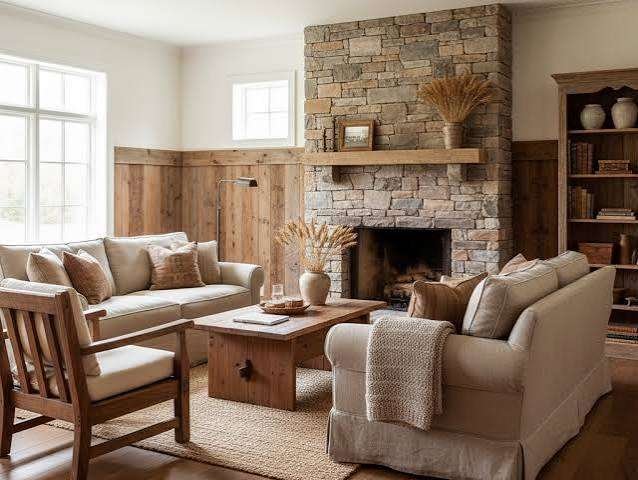
Beautiful living rooms often have one thing in common: thoughtful architectural details that give the walls character. Wainscoting is one of those classic features that can make an ordinary room feel more finished and inviting. From traditional raised panels to modern geometric molding, these living room wainscoting ideas introduce texture, depth, and elegance without requiring a complete remodel.
You don’t need a historic home or an enormous decorating budget to enjoy this timeless wall treatment. Simple picture-frame molding, beadboard, board and batten, and beautiful paint combinations can work in both spacious living rooms and smaller apartments. These 15 ideas explore different panel designs, colors, heights, and styling approaches, along with practical advice to help you recreate your favorite look.
More ideas to explore:
- 16 Stunning Living Room Wall Decor Ideas Above the Couch – Find artwork and display arrangements that complement decorative wall paneling.
- Gallery Wall Layout Ideas and Sizing Rules – Learn how to arrange framed artwork on your newly decorated walls.
- Small Living Room Layout Ideas for Better Flow – Discover furniture arrangements that make the most of compact spaces.
Quick List: 15 Living Room Wainscoting Ideas
- Give Your Living Room Classic Raised-Panel Wainscoting
- Choose Sleek Flat-Panel Wainscoting for a Modern Look
- Add Cottage Charm With White Beadboard Wainscoting
- Create a Cozy Farmhouse Look With Board and Batten
- Make a Statement With Contrasting Two-Tone Walls
- Paint the Walls and Wainscoting One Rich Color
- Install Extra-Tall Wainscoting for Dramatic Elegance
- Use Picture-Frame Molding for an Affordable Custom Look
- Create an Elegant Wall With Full-Height Picture-Frame Panels
- Bring Soft Sage Green Beadboard Into the Living Room
- Use Clean, Simple Paneling to Define Connected Spaces
- Try a Color-Drenched Living Room With Matching Trim
- Add Personality With Creative Geometric Wall Molding
- Combine Vintage Furniture With Glossy Painted Wainscoting
- Pair Traditional Wainscoting With Beautiful Floral Wallpaper
How to Choose the Right Wainscoting for Your Living Room
Before choosing a design, consider the height of your walls, your furniture style, and how much architectural detail you want. Traditional wainscoting generally covers the lower portion of a wall, while taller paneling and decorative molding can extend much higher.
The best choice isn’t always the most elaborate one. A simple room with modern furniture may benefit from clean rectangular panels, while a traditional living room can accommodate more decorative molding and richer paint colors.
| Wainscoting Style | Best Living Room Look | Practical Decorating Tip |
|---|---|---|
| Raised Panels | Traditional and elegant | Pair with classic furniture and simple artwork. |
| Flat Panels | Modern and transitional | Use clean trim profiles and neutral paint. |
| Beadboard | Cottage and coastal | Combine with relaxed linen and natural wood. |
| Board and Batten | Modern farmhouse | Keep the vertical spacing consistent. |
| Picture-Frame Molding | Classic, Parisian, and elegant | Plan panel sizes around doors and furniture. |
| Tall Wainscoting | Formal and dramatic | Check proportions carefully before installation. |
15 Elegant Living Room Wainscoting Ideas to Inspire Your Walls
1. Give Your Living Room Classic Raised-Panel Wainscoting
Traditional raised-panel wainscoting adds beautiful architectural detail to a living room without needing elaborate decorations. The slightly elevated center panels and surrounding trim create gentle shadows that make the walls feel more substantial and carefully finished.
For a classic design, install raised panels along the lower third of the walls and finish them with a chair rail. A height around 32 to 36 inches may suit many standard rooms, although the ideal measurement depends on your ceiling height and existing trim. Paint the panels warm white and choose soft taupe or muted olive for the upper walls.
Complete the room with a traditional upholstered sofa, an antique-inspired wooden coffee table, and framed landscape artwork. These details reinforce the elegant character without competing with the decorative walls.
Styling tip: Keep the chair rail and baseboards in the same finish as the panels for a cohesive architectural appearance.
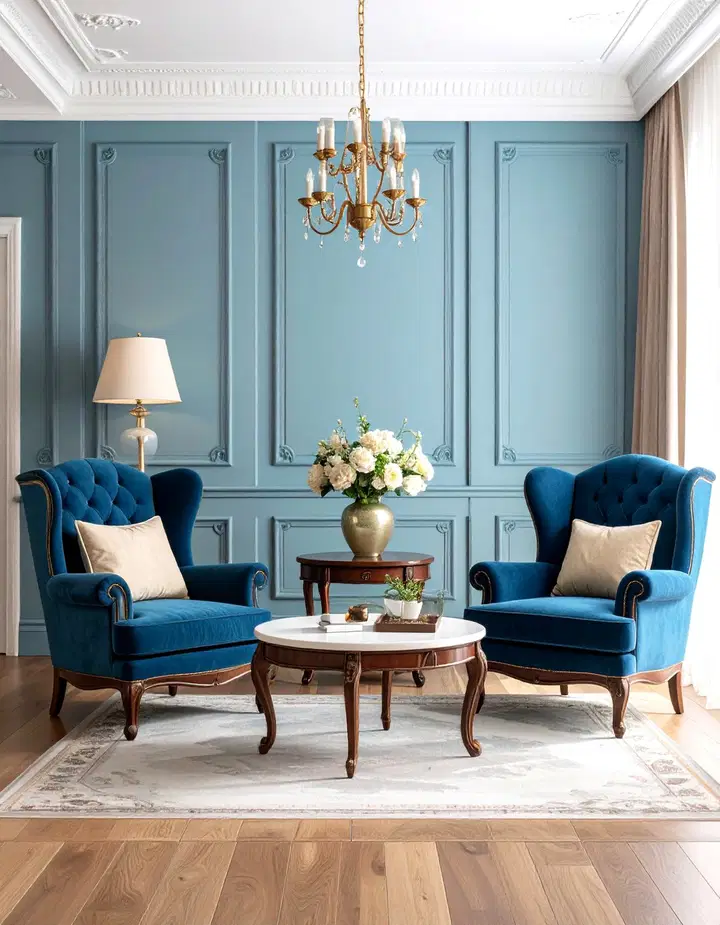
Image Credit: @yourhouseandgarden.com
Amazon Find: Decorative Raised-Panel Wall Molding
Decorative wall molding can help create the appearance of traditional paneling. Compare molding profiles, measurements, and installation requirements before planning your living room wall design.
2. Choose Sleek Flat-Panel Wainscoting for a Modern Look
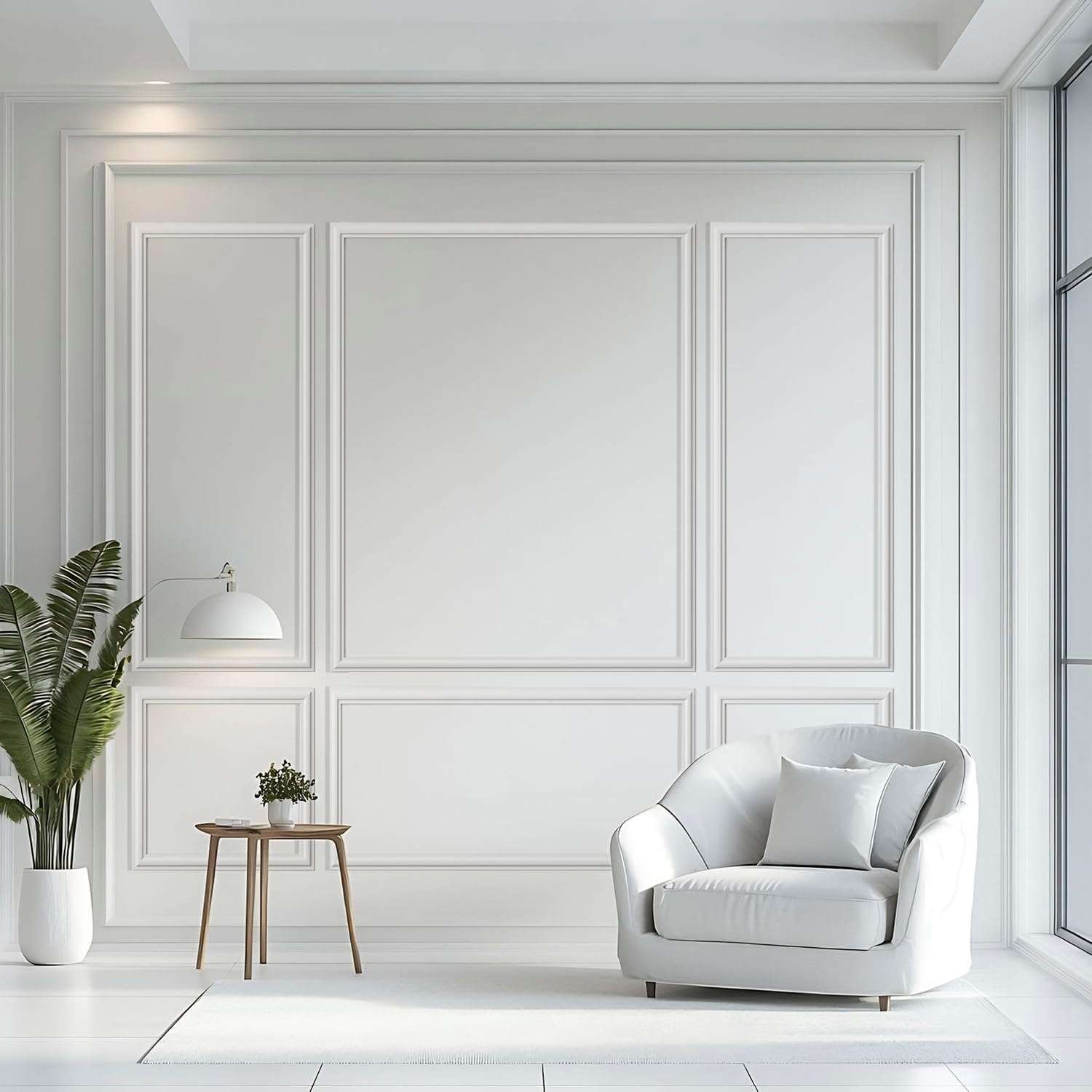
Flat-panel wainscoting is a beautiful option for living rooms that favor simple shapes and understated elegance. Instead of ornate raised details, this style uses smooth recessed sections framed by clean, narrow trim to create depth without excessive decoration.
Consider installing flat-panel wainscoting along the lower portion of your walls and painting it a sophisticated warm greige or charcoal gray. Pair the panels with soft ivory upper walls, a contemporary sofa, and a simple oval coffee table. The subtle architectural detail will help the room feel finished without distracting from the furniture.
For an even cleaner look, select square-edged trim and keep the panel dimensions consistent throughout the space. One oversized abstract artwork above the sofa can add personality while preserving the minimalist atmosphere.
Design tip: Choose wider panels for a modern appearance and avoid adding several decorative trim profiles to the same wall.
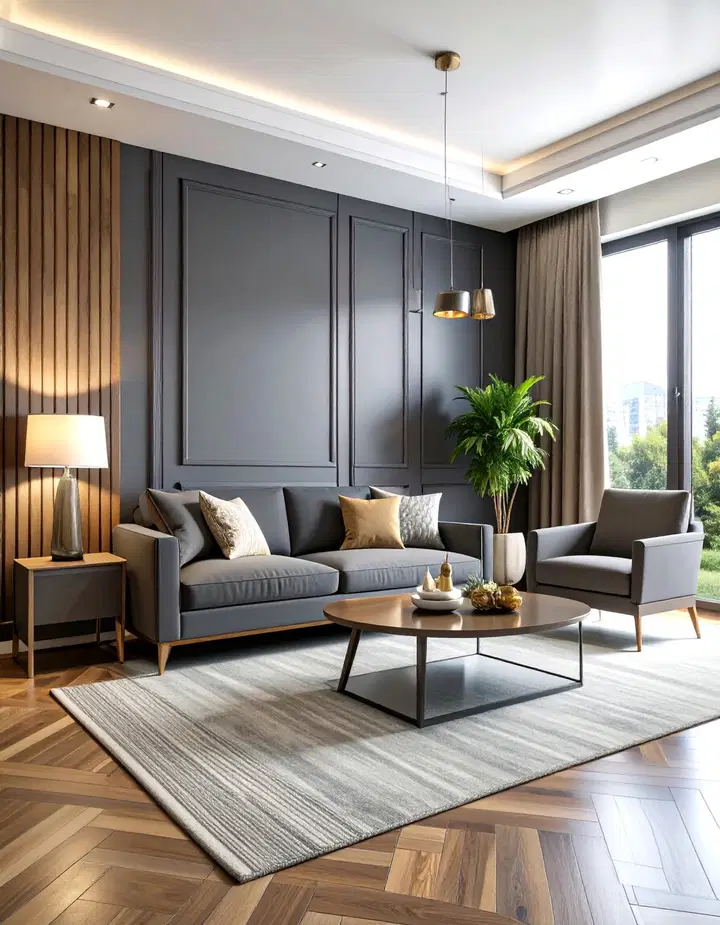
Image Credit: @yourhouseandgarden.com
3. Add Cottage Charm With White Beadboard Wainscoting
Beadboard wainscoting introduces the relaxed character of a cozy cottage living room. Its narrow vertical grooves create delicate texture, making plain walls feel more interesting without requiring busy wallpaper or bold paint colors.
Install white beadboard around the lower third of the room and finish the top with a simple painted rail. Pair the paneling with pale blue or soft cream upper walls, a comfortable slipcovered sofa, and a natural fiber rug. Light wooden tables and woven baskets will complete the relaxed cottage look.
This style also works beautifully in smaller living rooms because the decorative grooves add interest without introducing another large piece of furniture. Choose narrow, evenly spaced boards for a more traditional appearance.
Budget idea: Beadboard-style sheet panels can cover larger sections with fewer individual boards. Compare material quality and finishing requirements before purchasing.
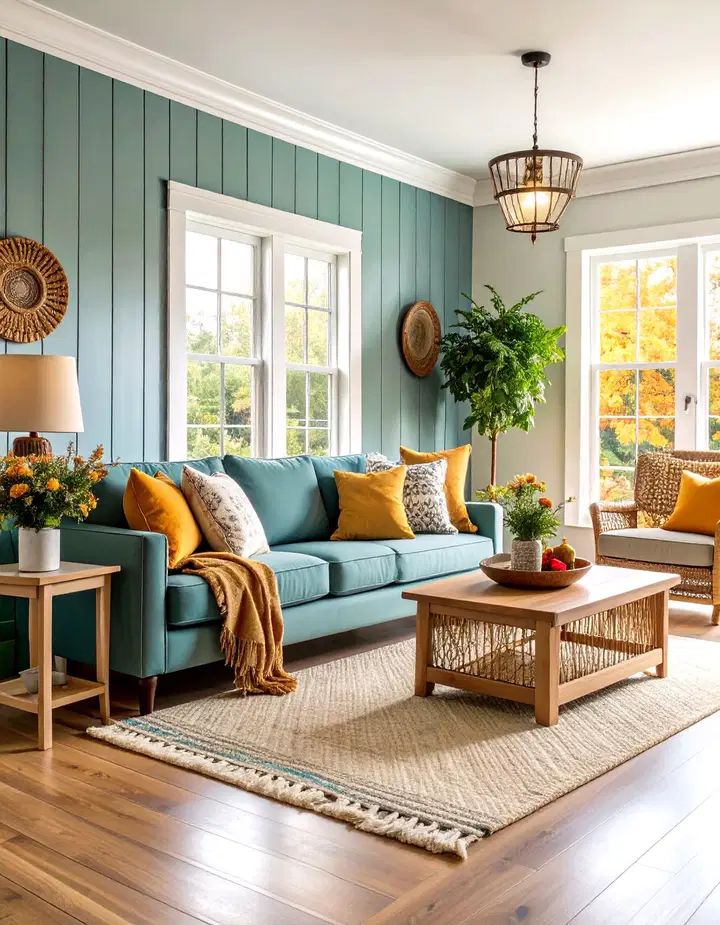
Image Credit: @yourhouseandgarden.com
4. Create a Cozy Farmhouse Look With Board and Batten
Board-and-batten wainscoting gives a living room a warm farmhouse character through simple, structured lines. Vertical battens divide the lower walls into evenly spaced sections, adding architectural interest while keeping the overall appearance clean and approachable.
Choose a soft cream or warm white finish and install the battens at consistent intervals. Wider spacing creates a relaxed modern farmhouse look, while narrower spacing produces more detailed wall texture. Use a level and measure the complete wall before deciding on the width of each section.
Pair the paneling with a comfortable beige sofa, wooden coffee table, linen curtains, and a few vintage-style accessories. Natural materials soften the straight lines and prevent the room from feeling overly formal.
Styling tip: Plan the batten layout around electrical outlets and door trim rather than allowing awkwardly narrow sections at the ends of the walls.
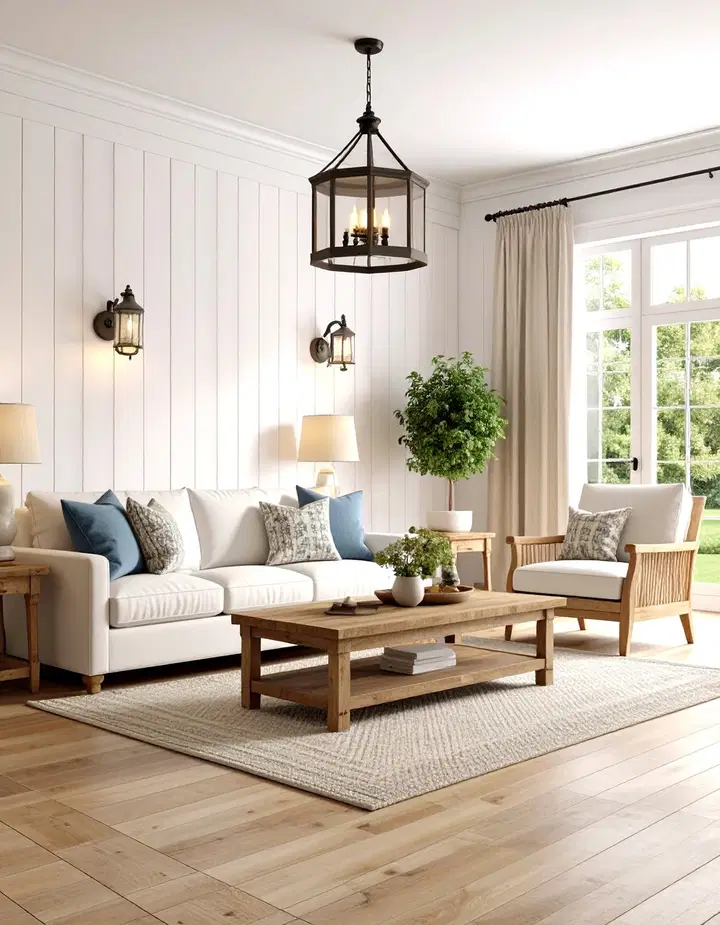
Image Credit: @yourhouseandgarden.com
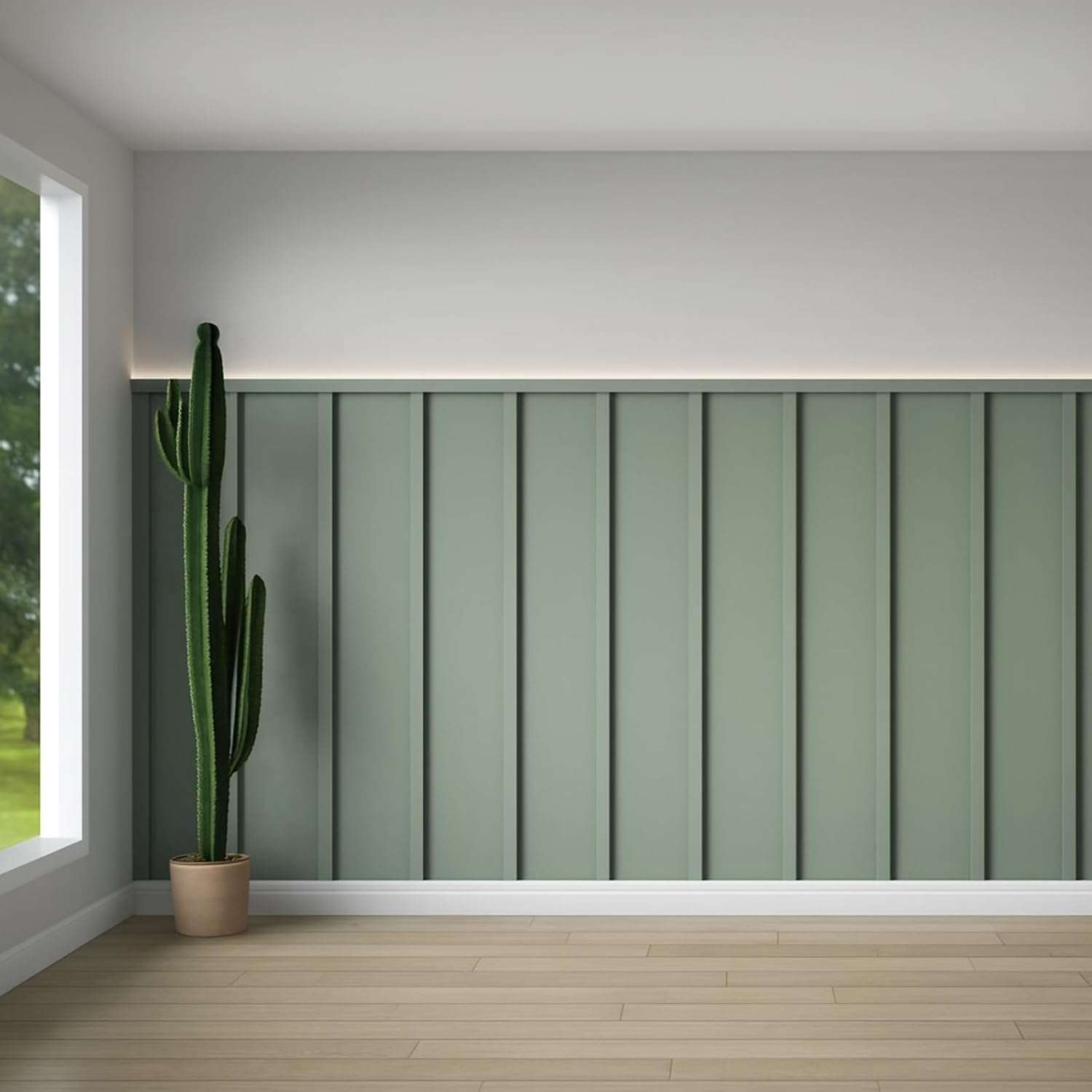
Amazon Find: Paintable Board-and-Batten Trim
Paintable trim strips can help create the clean rectangular pattern associated with board-and-batten walls. Choose suitable dimensions and material based on your wall layout and installation method.
5. Make a Statement With Contrasting Two-Tone Walls
Two-tone wainscoting offers a simple way to introduce color without painting the entire living room a dramatic shade. The contrast between the lower panels and upper walls creates a defined horizontal division that feels both classic and fresh.
For a sophisticated look, paint the lower wainscoting deep navy blue and keep the upper walls warm cream. Another beautiful combination is forest green panels paired with ivory walls. Choose a simple chair rail in the same color as the lower section to create a clean transition between the shades.
Use lighter furniture to balance the darker wall treatment. A beige sofa, natural wood coffee table, and muted patterned rug can make the arrangement feel welcoming rather than heavy. Repeat the darker color through one or two cushions or pieces of artwork.
Color tip: Test both paint colors beside each other in natural and artificial light before committing to the full room.
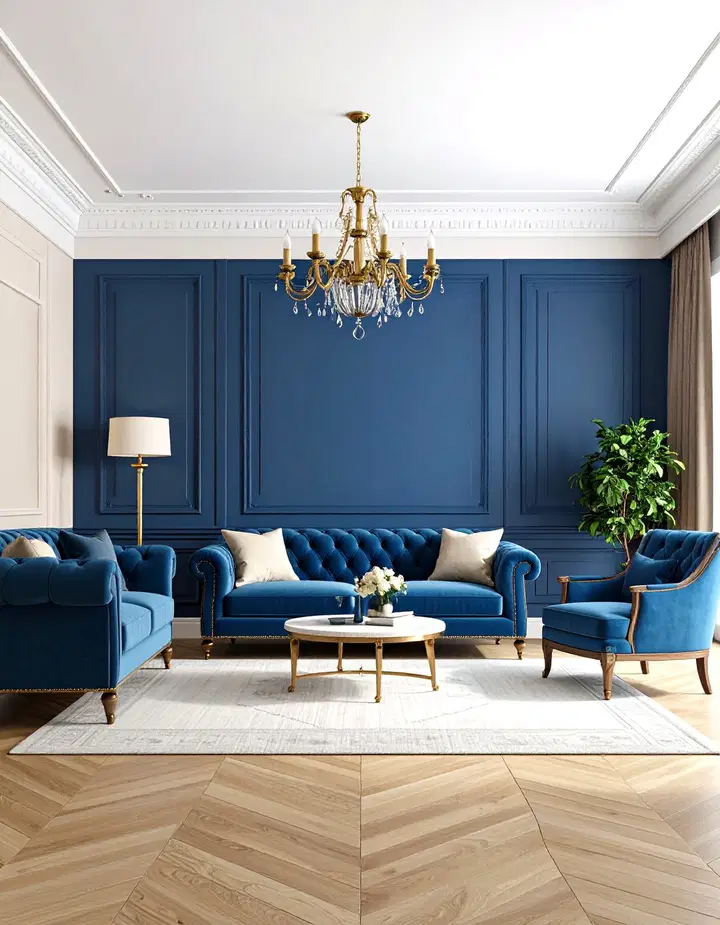
Image Credit: @yourhouseandgarden.com
6. Paint the Walls and Wainscoting One Rich Color
Color drenching is an elegant way to highlight wainscoting without relying on contrasting paint. Instead of giving the paneling its own shade, paint the walls, molding, and trim in one rich color. The architectural details remain visible through the shadows created by the raised surfaces.
Deep emerald green, burgundy, midnight blue, and chocolate brown can all create a cozy and sophisticated living room. Choose a simple raised-panel or flat-panel design, then carry the chosen color across the walls and trim. Painting the ceiling in the same shade produces an especially enveloping result.
Balance the rich color with a cream sofa, brass floor lamp, and warm wooden furniture. Velvet cushions and an understated rug can add comfort without introducing excessive visual detail.
Design tip: Use several lighting sources throughout the room. Wall sconces, table lamps, and ceiling lighting can help reveal the paneling’s decorative texture.
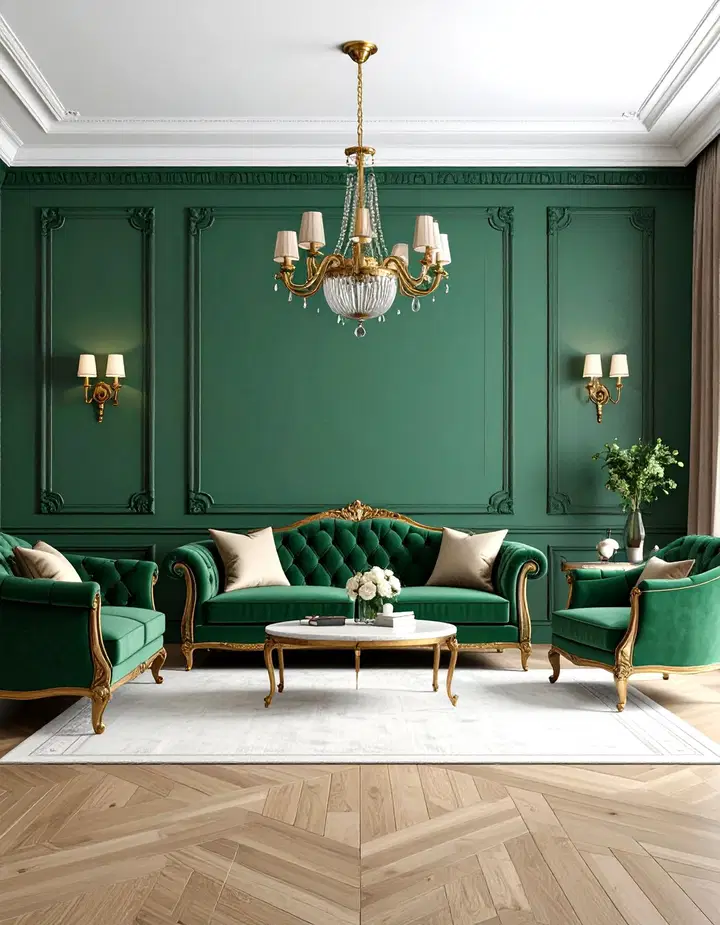
Image Credit: @yourhouseandgarden.com
7. Install Extra-Tall Wainscoting for Dramatic Elegance
Traditional wainscoting usually covers a relatively small section of the wall, but taller paneling can create a striking architectural feature. Extending it approximately two-thirds of the way up gives the room a more formal, custom-built appearance.
This approach is particularly attractive in living rooms with higher ceilings. Consider tall flat panels painted deep olive, warm taupe, or dark walnut brown. Finish the top edge with a substantial but proportional rail, leaving a section of lighter painted wall above to provide contrast.
Tall wainscoting works well beside bookcases, formal seating arrangements, and larger windows. It can also provide an attractive background for traditional wall sconces when electrical wiring and fixture placement are planned before installation.
Planning tip: Mark the proposed height with painter’s tape before ordering materials. Compare the line with window sills, artwork, door openings, and furniture heights.
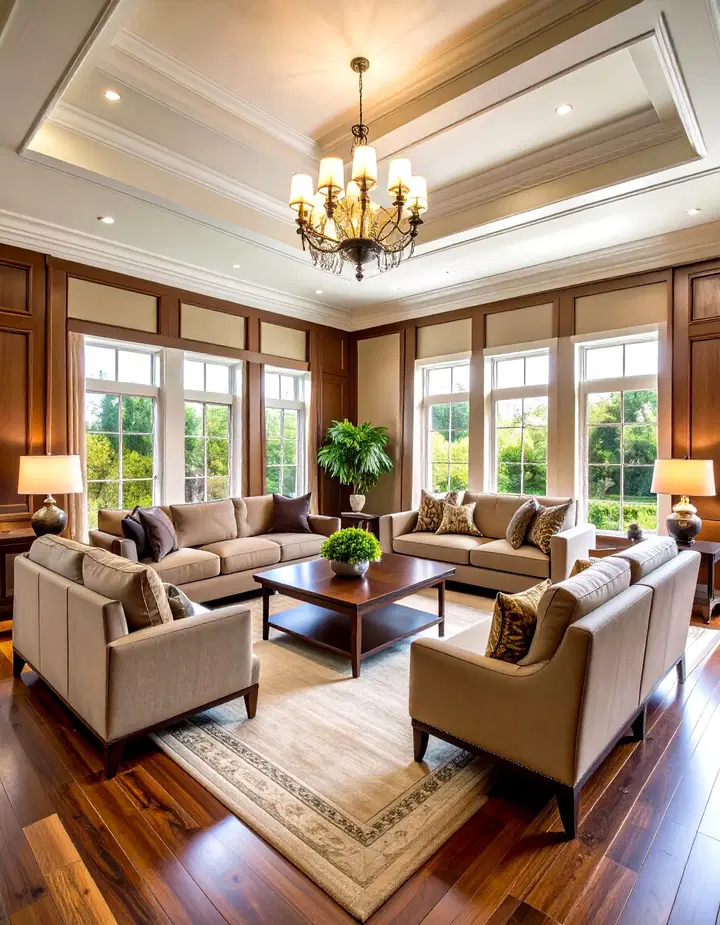
Image Credit: @yourhouseandgarden.com
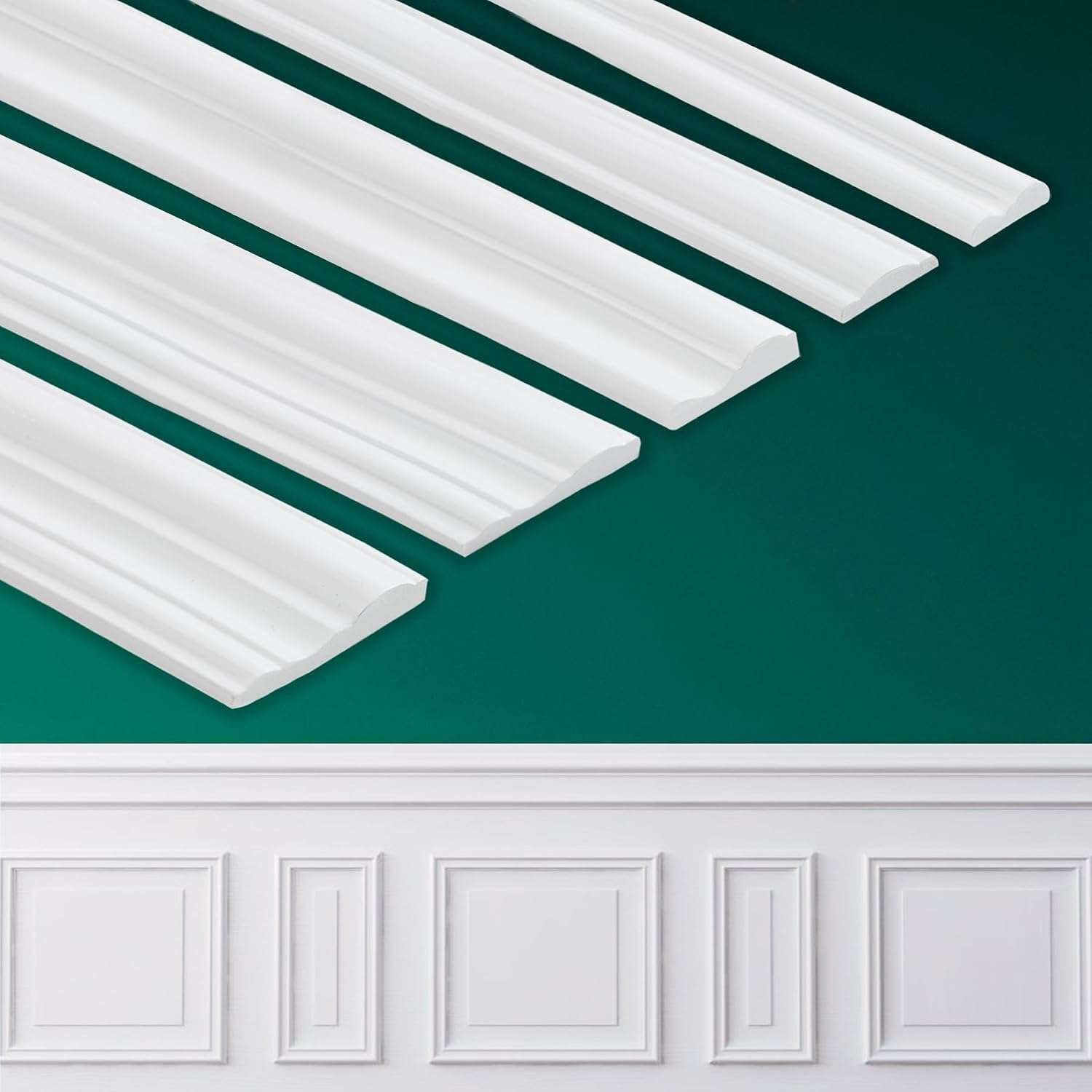
Amazon Find: Decorative Chair Rail and Wall Trim
A decorative chair rail creates a clean finishing edge for taller wainscoting. Look for a profile that matches the room’s existing baseboards and door trim.
8. Use Picture-Frame Molding for an Affordable Custom Look
Picture-frame molding is a lovely choice when you want elegant living room walls without installing full wooden panels. Narrow molding strips form decorative rectangles directly on the existing wall, creating the appearance of traditional paneling with fewer materials.
Begin by measuring the wall and sketching a series of evenly spaced rectangular frames. Use suitable paintable molding and install each section according to the product instructions. Paint the molding and wall the same warm white or soft greige for a seamless appearance.
This design works especially well behind a sofa or on a long uninterrupted wall. Keep the panels wide enough to look balanced, and adjust the end sections so the arrangement appears symmetrical from the main seating area.
Budget tip: You may be able to create the framed effect using paintable trim over an existing smooth wall. Finish visible joints neatly and account for baseboards and outlets before installation.
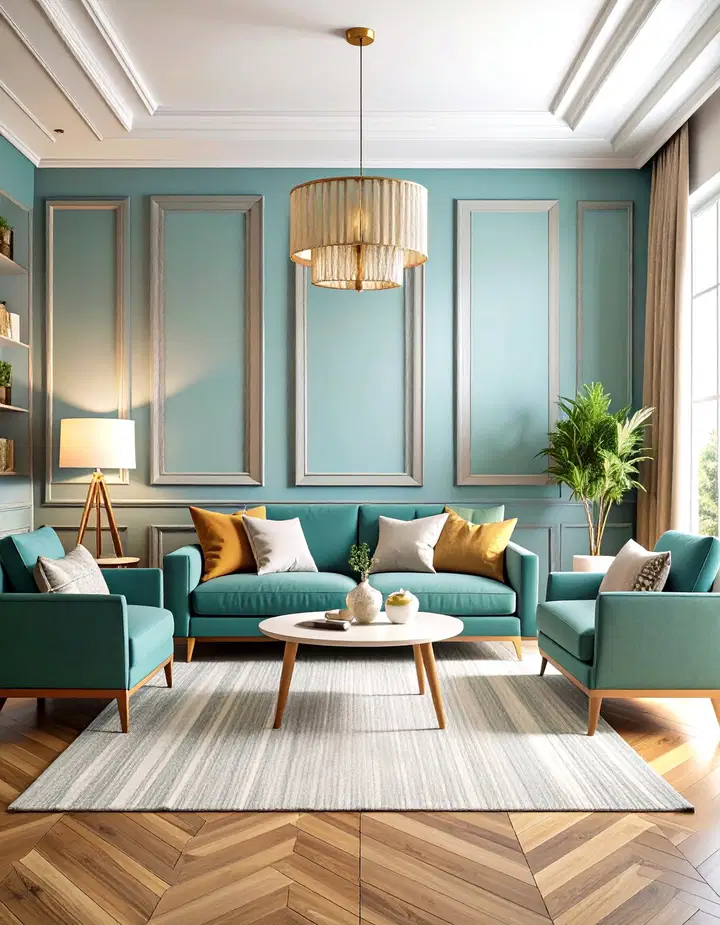
Image Credit: @yourhouseandgarden.com
9. Create an Elegant Wall With Full-Height Picture-Frame Panels
Picture-frame molding can also extend from near the floor all the way toward the ceiling. Instead of traditional lower-wall wainscoting, this design uses tall rectangular frames to give the living room a more architectural, Parisian-inspired appearance.
Create a symmetrical arrangement of large vertical rectangles with equal spacing between the frames. Choose slender molding rather than heavy, ornate trim for a soft and elegant look. Warm white, pale mushroom, and muted stone gray are beautiful options for the finished wall.
Position a comfortable cream sofa against the paneling and introduce a marble-look coffee table, brass table lamp, and one large piece of artwork. Allow the molding to provide the background detail rather than filling every framed section with decorations.
Styling tip: Use taller, narrower rectangles on high walls and wider proportions where ceilings are lower. Always measure the entire composition before cutting molding.
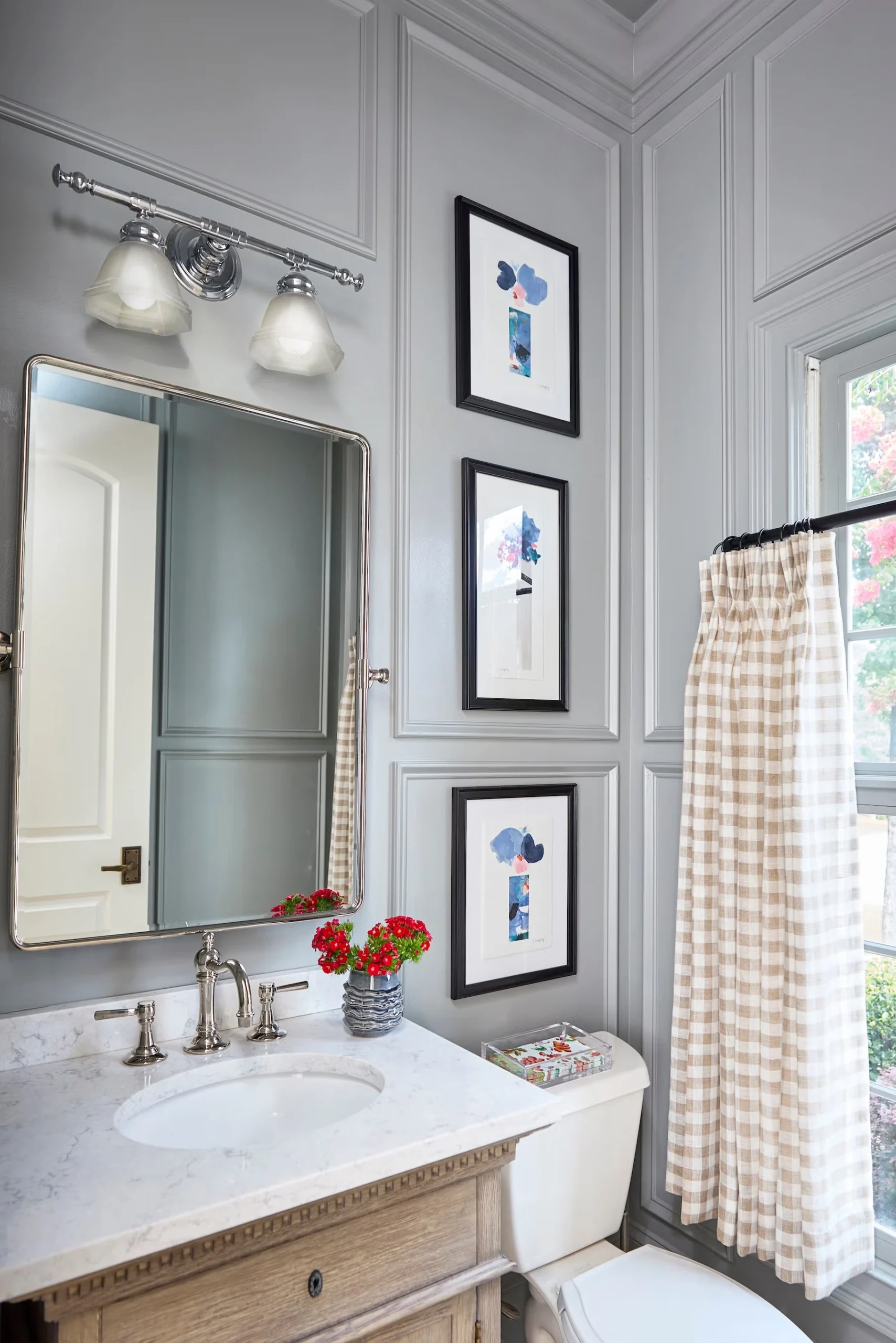
Image Credit: @goodhousekeeping.com
10. Bring Soft Sage Green Beadboard Into the Living Room
Sage green beadboard combines traditional cottage character with a gentle, nature-inspired color palette. The narrow grooves add visual texture, while the muted green shade makes the living room feel warm and comfortably lived-in.
Install beadboard along the lower walls and paint it a dusty sage green. Keep the upper walls warm white and finish the transition with a simple painted rail. Add a linen sofa, light oak coffee table, woven storage baskets, and cream curtains to continue the relaxed color scheme.
This combination works particularly well in farmhouse, coastal, and traditional living rooms. If your furniture already features wooden details, sage green can bring out the warmth of the natural grain without introducing a strong contrasting color.
Decorating tip: Choose a muted green with gray undertones rather than a very bright shade. It will be easier to coordinate with neutral upholstery and rustic accessories.
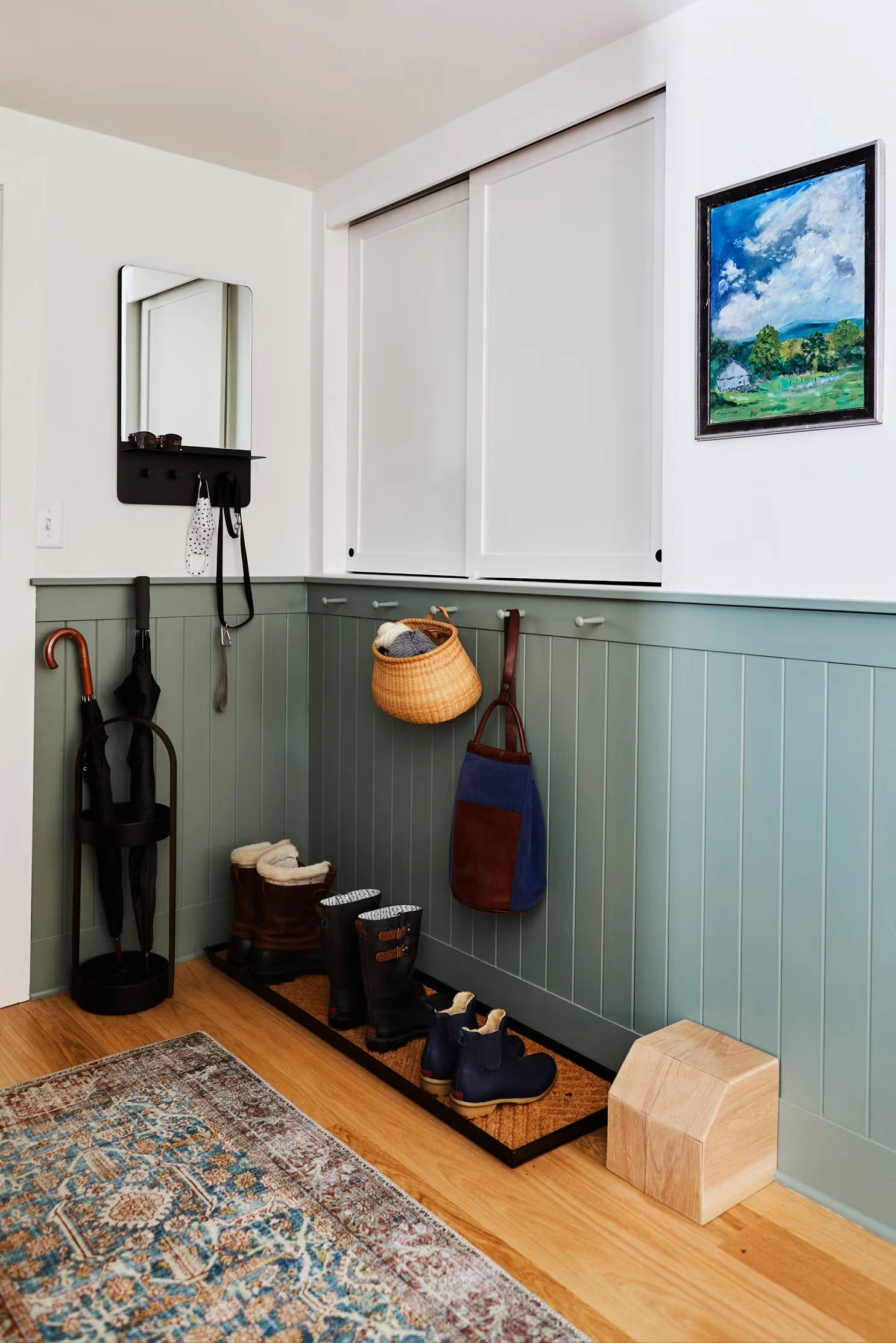
Image Credit: @goodhousekeeping.com
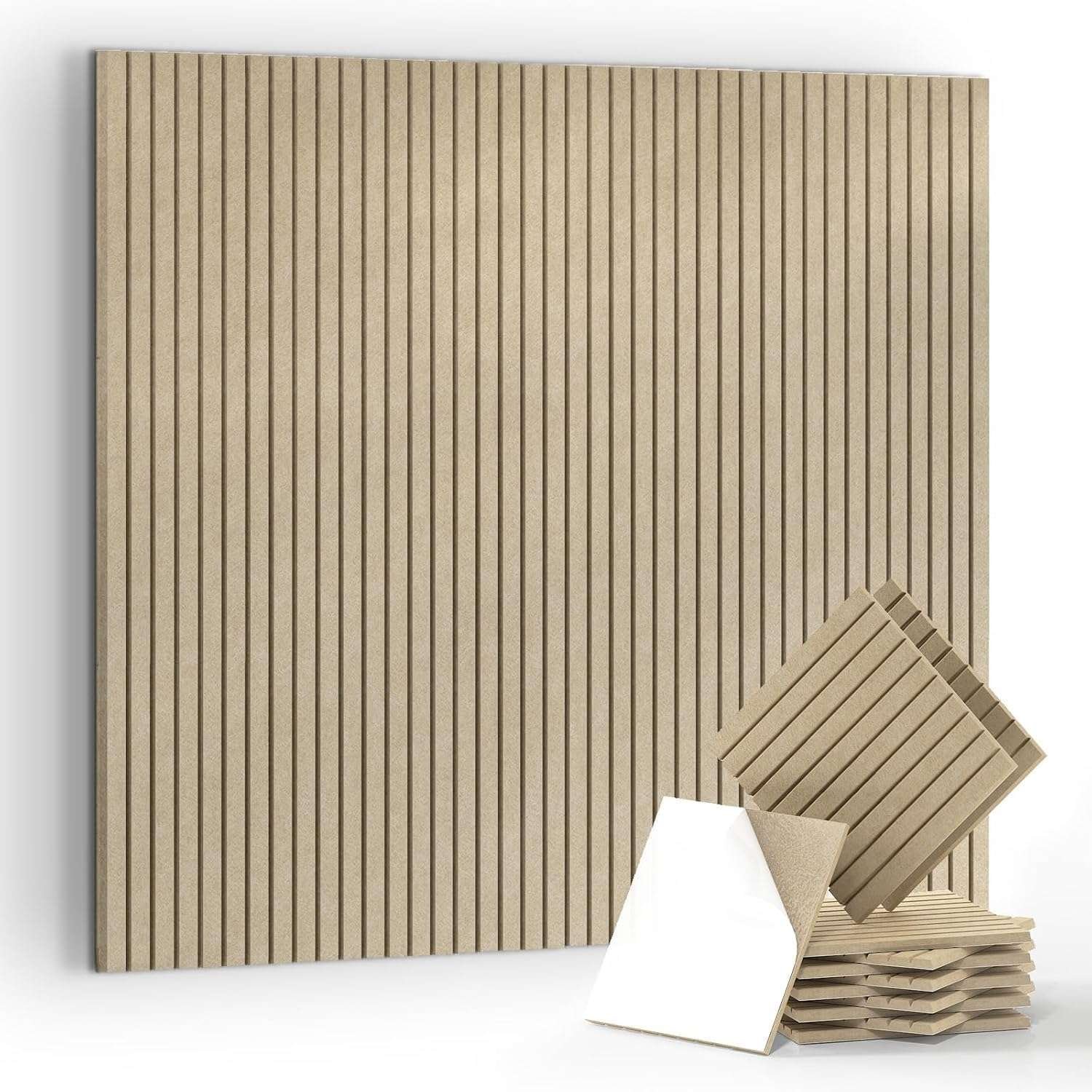
Amazon Find: Paintable Beadboard Wall Panels
Paintable beadboard panels can create classic vertical texture behind sofas and along living room walls. Check panel thickness, groove spacing, and surface preparation requirements.
11. Use Clean, Simple Paneling to Define Connected Spaces
In homes with an open floor plan, subtle wainscoting can help establish a visual connection between the living room, hallway, and dining area. Simple rectangular panels create architectural continuity while allowing each area to have its own furniture arrangement and purpose.
Choose a consistent lower-wall height and trim profile, then continue the pattern through adjoining spaces where practical. Warm white or soft taupe paneling can provide a neutral foundation that works with different wall colors and furniture styles.
For a home with an arched opening, use matching molding around the transition and keep the wall treatment aligned where the rooms meet. A slim console table, comfortable sofa, and understated wall artwork can reinforce the sense of separate but connected spaces.
Planning tip: Stand in the hallway and look toward the living room before installing the panels. The top edges and major trim lines should feel visually connected from the main viewing points.
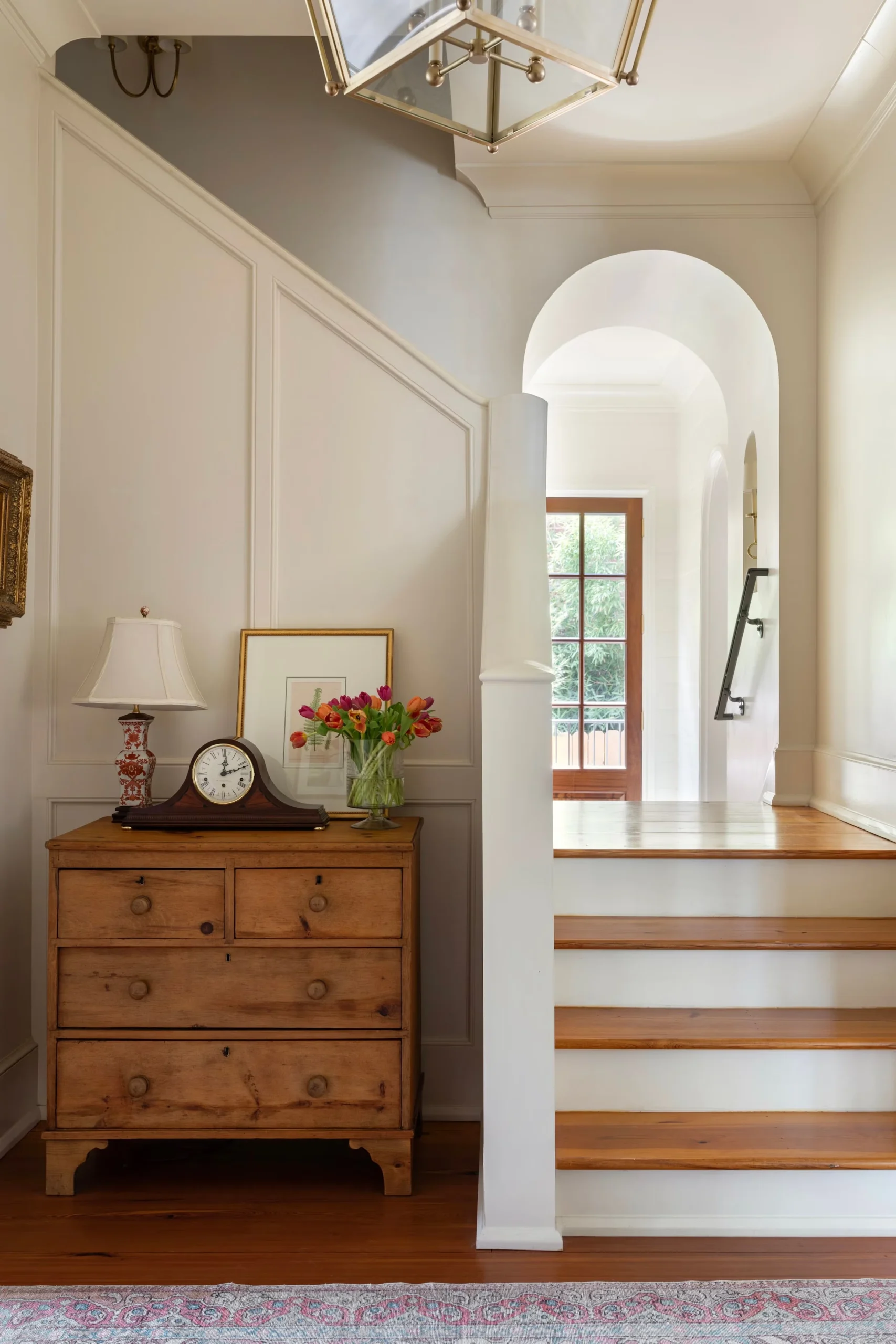
Image Credit: @goodhousekeeping.com
12. Try a Color-Drenched Living Room With Matching Trim
For a more modern take on traditional wainscoting, paint every architectural detail in the same sophisticated shade. Matching the walls, molding, doors, and ceiling creates a unified appearance that allows the decorative shapes to stand out through light and shadow rather than strong color contrast.
A smoky navy or muted blue-gray can look especially beautiful in a living room with generous windows. Choose flat or raised panels and use the same paint color across the wall surfaces. Consider slightly different compatible finishes for the walls and trim if you want subtle variation in the reflected light.
Keep larger furnishings lighter to balance the saturated background. A soft ivory sofa, walnut furniture, and warm metal lighting fixtures will add depth without interrupting the coordinated wall treatment.
Style tip: Sample the color near windows and in darker corners before painting the ceiling. Rich colors can change noticeably between daylight and evening lighting.
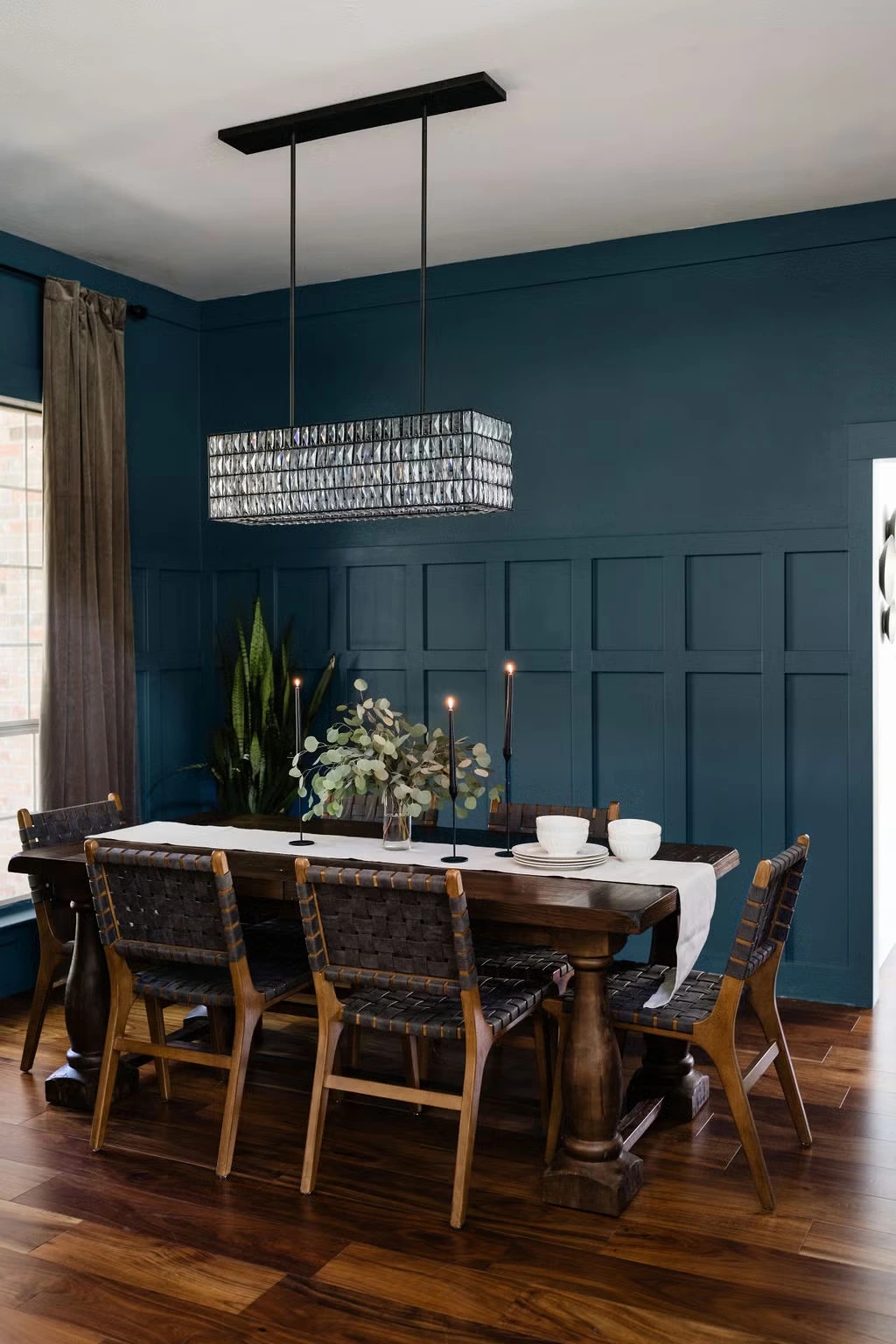
Image Credit: @goodhousekeeping.com
13. Add Personality With Creative Geometric Wall Molding
If traditional rectangles feel too formal for your living room, geometric molding offers a more playful alternative. Squares, circles, and carefully balanced angular shapes can introduce a creative architectural feature while retaining the elegant finish of painted wall trim.
Consider a feature wall behind the sofa with a combination of large squares and a few circular decorative shapes. Keep the design controlled by repeating a consistent spacing pattern and using one paint color across the wall and attached details. Muted blue, warm terracotta, or dusty rose can make the shapes more noticeable without feeling overly bright.
Pair the geometric wall with a simple modern sofa and a round coffee table to echo the curved elements. Avoid adding complicated wallpaper or numerous framed prints because the molding itself provides plenty of visual interest.
DIY tip: Lay out all shapes using paper templates or painter’s tape first. Prime and paint decorative pieces as recommended before fastening them to the wall.
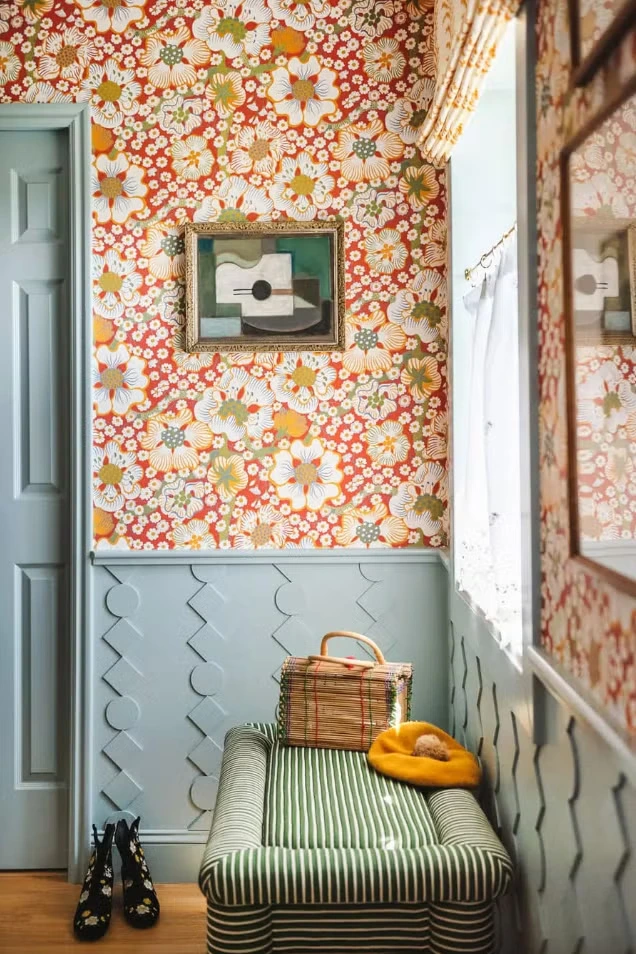
Image Credit: @goodhousekeeping.com
14. Combine Vintage Furniture With Glossy Painted Wainscoting
Traditional architectural details can look surprisingly fresh when paired with a few contemporary accessories. One particularly beautiful combination is glossy painted wainscoting, antique-inspired furniture, and simple modern artwork.
Choose existing raised or detailed wall panels and paint them a deep teal, smoky green, or rich blue using an appropriate satin or gloss finish. Position a vintage wooden console table against the wall and hang a large antique-gold mirror above it. The reflective finishes bring extra depth to the decorative molding.
Add a modern ceramic lamp or sculptural vase to keep the arrangement from feeling like a period room. A light neutral sofa and simple curtains will help the rich wall color remain the main feature.
Budget idea: Look for a secondhand console table or mirror with an interesting shape. A carefully chosen vintage piece can add character without requiring a completely matching furniture set.
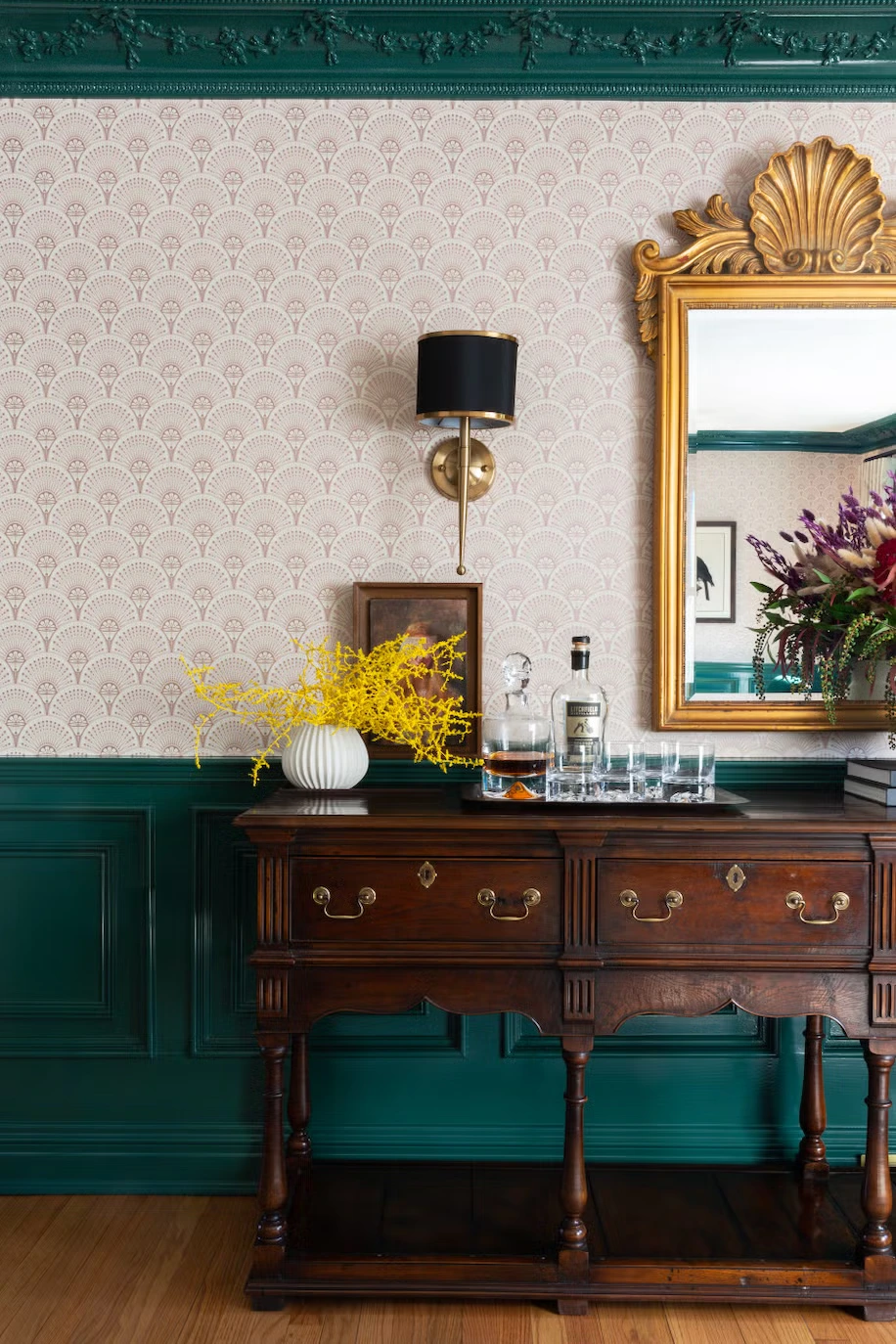
Image Credit: @goodhousekeeping.com
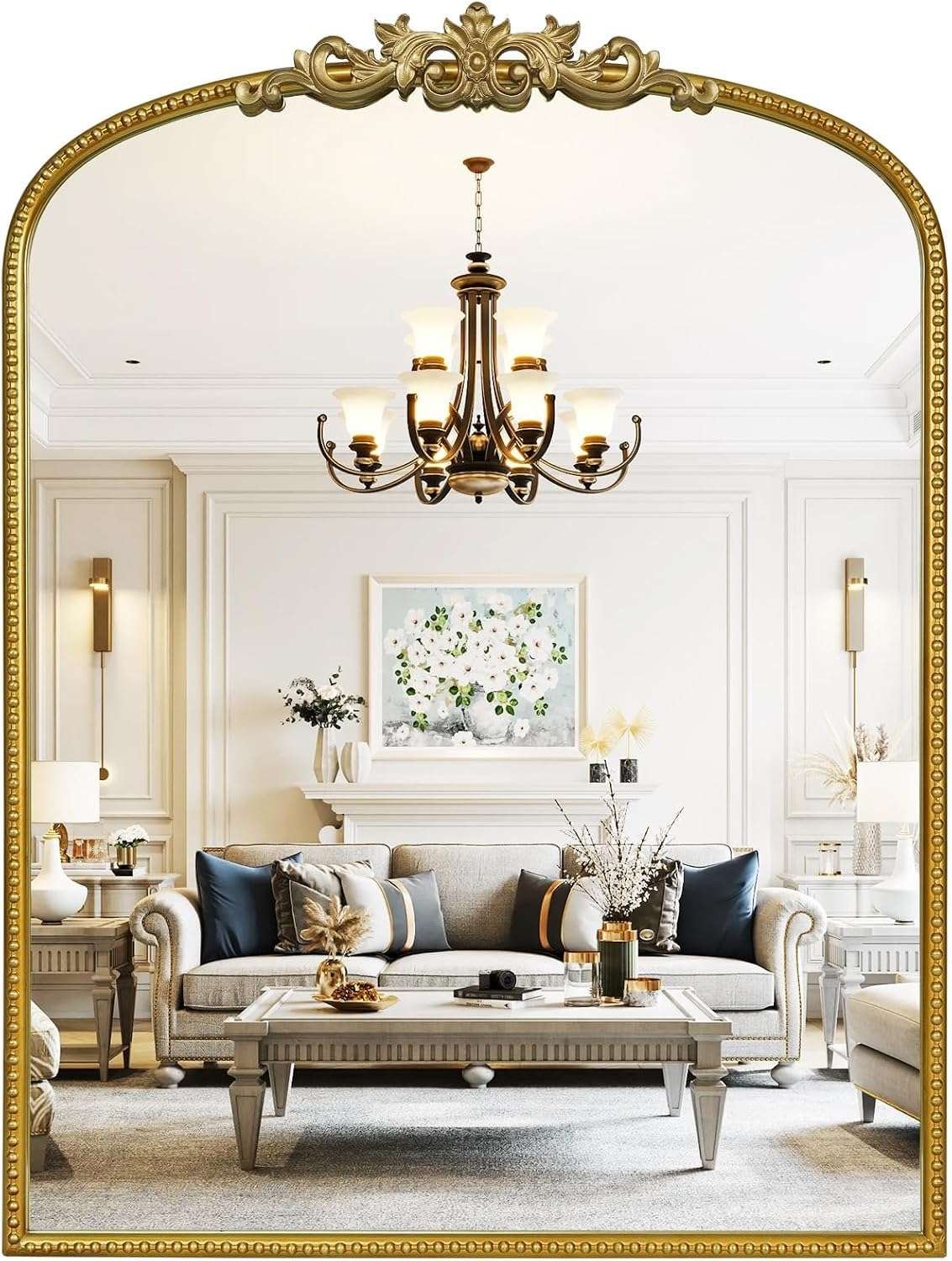
Amazon Find: Antique Gold Decorative Wall Mirror
An antique-inspired gold mirror creates an elegant contrast against deep teal or green wainscoting. Choose a size proportional to your console table and use suitable wall-mounting hardware.
15. Pair Traditional Wainscoting With Beautiful Floral Wallpaper
Floral wallpaper and traditional wainscoting make a lovely combination for a living room that feels charming and collected. The simple painted lower panels provide a visual break beneath the wallpaper, allowing decorative patterns to shine without covering every inch of the walls.
Install white or warm cream wainscoting around the lower third of the room. Above it, choose floral wallpaper featuring muted greens, soft pinks, dusty blues, or warm beige. A small-scale botanical print suits a cottage living room, while oversized flowers can give the space a more dramatic traditional appearance.
Complete the design with a comfortable cream sofa, wooden side tables, and a textured neutral rug. Keep cushions and curtains relatively simple so the wallpaper remains the focal point. Choose one color from the pattern and repeat it in a few small accessories.
Styling tip: Order a wallpaper sample and view it beside your chosen wainscoting color before purchasing full rolls. This helps confirm that the patterns and undertones work together.
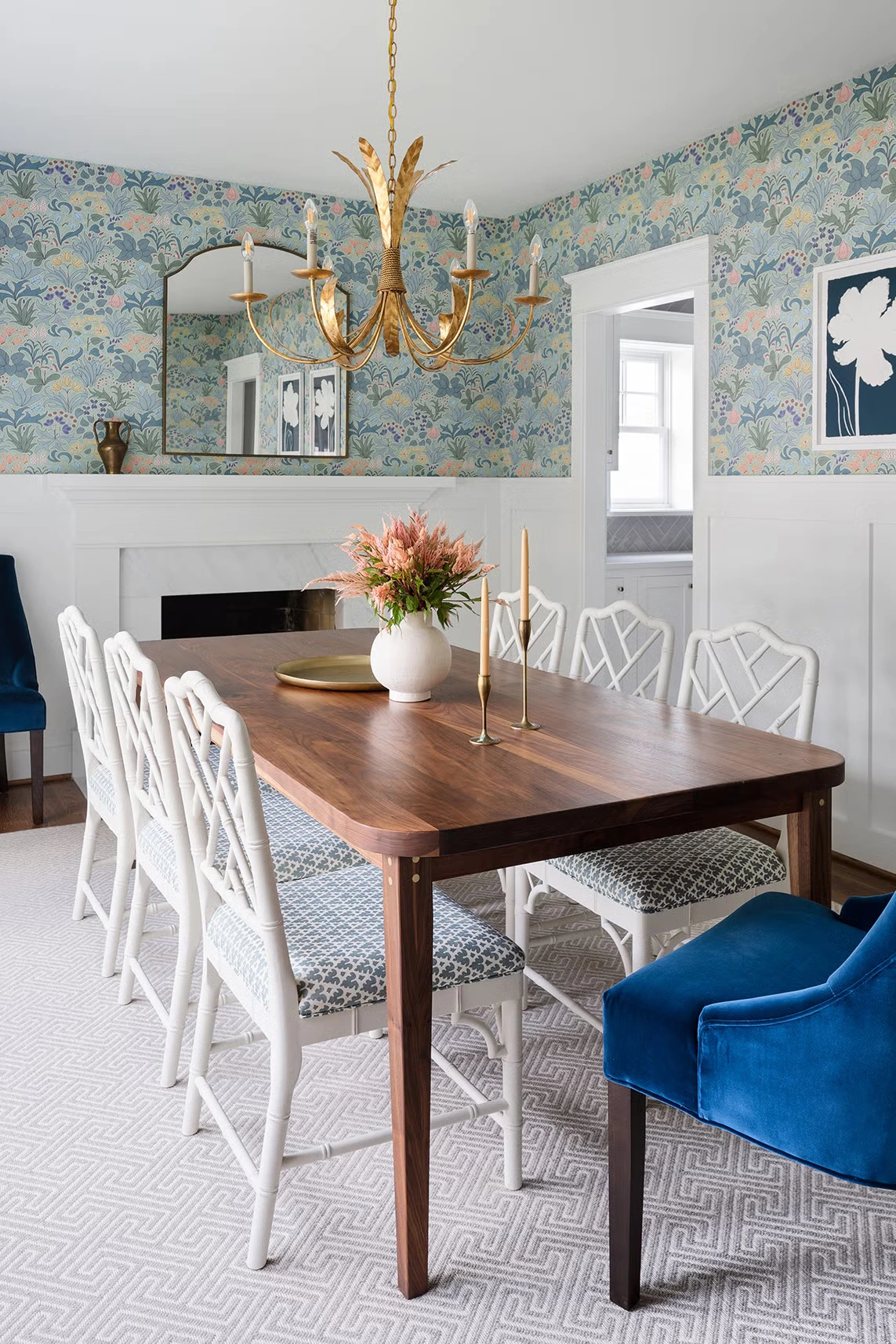
Image Credit: @goodhousekeeping.com
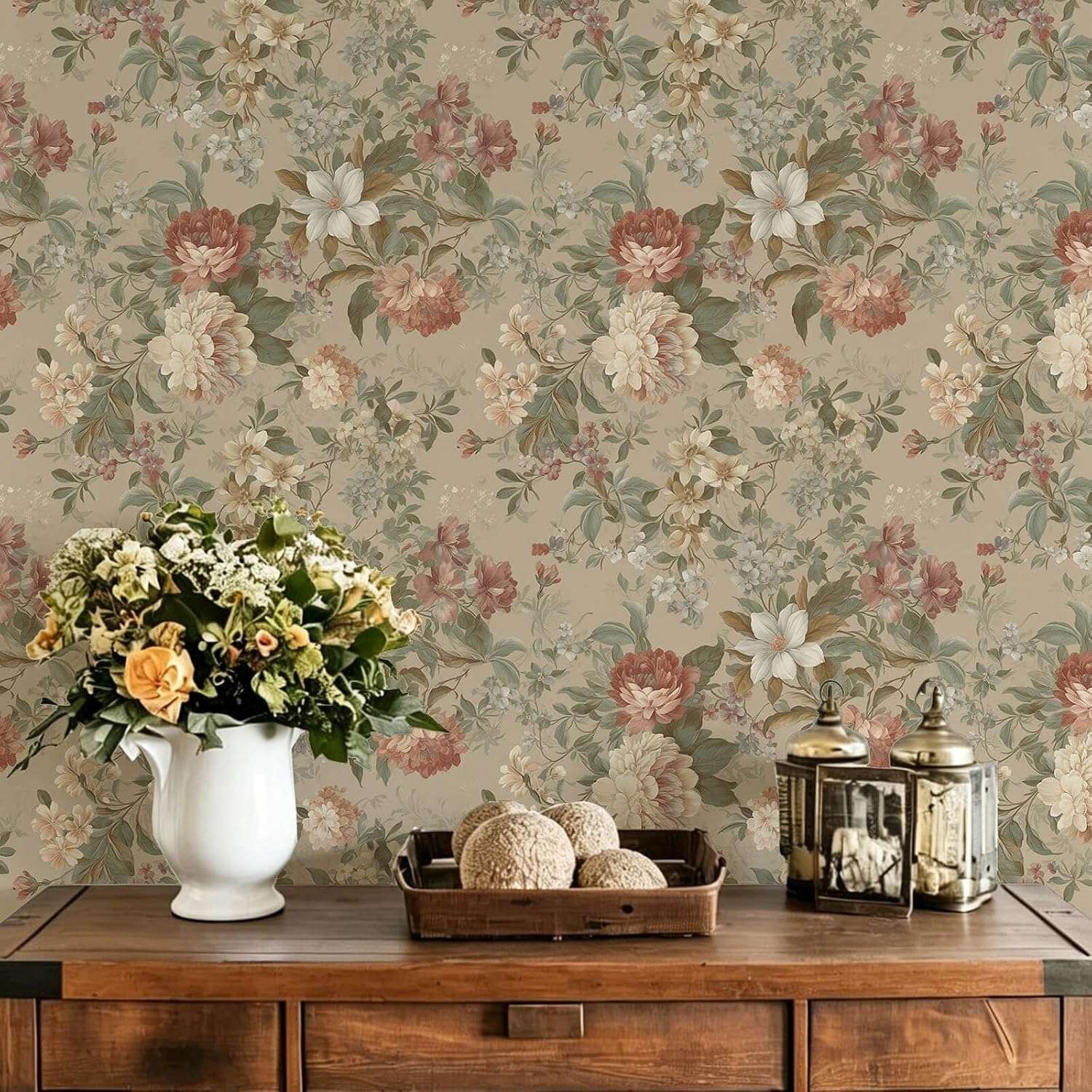
Amazon Find: Vintage Floral Peel-and-Stick Wallpaper
Soft floral wallpaper can add pattern above traditional wainscoting. Check wall compatibility, roll coverage, and pattern repeats before ordering for your living room.
Living Room Wainscoting Shopping Checklist
Before starting a wainscoting project, gather the supplies needed for your chosen panel style. The exact materials will depend on whether you’re installing solid panels, board and batten, or decorative picture-frame molding.
Essential Wainscoting Supplies
- Wainscoting panels or paintable decorative molding
- Measuring tape and level
- Pencil and painter’s tape
- Appropriate cutting tools and protective equipment
- Manufacturer-recommended adhesive or fasteners
- Wood filler or suitable joint-finishing materials
- Paintable caulk where appropriate
- Primer and paint compatible with the chosen materials
- Matching baseboard and chair rail trim, if needed
Optional Decorating Extras
- Framed artwork
- Decorative wall sconces
- Antique-inspired mirrors
- Neutral cushions and throws
- Floral wallpaper
- Wooden console table
- Decorative ceramic vases
- Soft accent lighting
Budget tip: Start with one feature wall if you’re unsure about committing to the entire room. Reuse existing furniture and decorations so the new wall treatment remains the focus of your makeover.
Common Living Room Wainscoting Mistakes to Avoid
Choosing the Wrong Panel Height
Wainscoting that is too high or too low for the room can make the wall proportions look awkward. Start by marking a few possible heights with painter’s tape. Compare them with your windows, furniture, ceiling height, and existing architectural features before installing the panels.
Ignoring Furniture Placement
A carefully designed panel arrangement may become almost invisible if a tall bookcase or oversized sofa covers the most decorative sections. Plan your molding layout around the furniture you intend to keep. Consider wider frames or taller sections on walls where large pieces will sit.
Installing Unevenly Spaced Panels
Inconsistent spacing is especially noticeable with picture-frame molding and board-and-batten designs. Measure each wall separately, account for corners and doorways, and calculate the layout before cutting. Small adjustments at the ends can help create a more balanced result.
Skipping Wall Preparation
Decorative molding looks best on a clean, dry, stable wall. Repair damaged surfaces, check for moisture problems, and identify the location of wiring or plumbing before drilling or fastening. Uneven walls may require extra preparation for trim to sit neatly.
Choosing Too Many Decorative Elements
Wainscoting already gives the walls texture and interest. Adding elaborate wallpaper, numerous small paintings, heavy mirrors, and multiple decorative trim styles can make the room feel overcrowded. Let the paneling remain visible and choose a few accessories that complement its shape and color.
Frequently Asked Questions About Living Room Wainscoting
What type of wainscoting looks best in a living room?
The best type depends on your decorating style. Raised panels suit traditional rooms, flat panels work well in modern interiors, beadboard creates a cottage feel, and board and batten complements farmhouse spaces. Picture-frame molding is a versatile choice for both classic and contemporary living rooms.
How high should wainscoting be in a living room?
A common starting point is approximately one-third of the wall height, but there’s no universal measurement. Some traditional installations fall around 32 to 36 inches high, while taller designs may extend to two-thirds of the wall. Ceiling height, furniture, and room proportions should guide the final decision.
Can wainscoting make a small living room look bigger?
Wainscoting can help a compact room feel more structured and visually balanced. Light colors, narrow vertical beadboard, and simple panel designs can emphasize height without overwhelming the walls. Keep furniture proportional and avoid unnecessarily heavy trim for the most open appearance.
What colors look best with living room wainscoting?
Warm white, cream, greige, sage green, pale blue, navy, and forest green all work beautifully. White paneling with contrasting upper walls creates a traditional look, while painting the paneling and surrounding walls the same shade produces a more continuous, modern appearance.
Can I install living room wainscoting myself?
Some designs, particularly picture-frame molding and simple board-and-batten layouts, may be manageable for homeowners comfortable with measuring, cutting, and finishing trim. More elaborate raised-panel installations can require advanced woodworking skills. Follow appropriate installation instructions and use qualified help when electrical work or complicated construction is involved.
Recommended Finds for Elegant Wainscoting Walls
If you’re preparing for a living room wainscoting makeover, these decorating and DIY supplies can help you create a coordinated result.
- Paintable Decorative Wall Molding: Useful for creating classic rectangular frames and architectural trim details.
- Laser Levels: Help establish straight guide lines when planning panel heights and repeated molding arrangements.
- Classic Framed Landscape Art: Complements traditional raised panels, neutral wainscoting, and elegant living room furniture.
Final Thoughts: Create Timeless Living Room Walls With Wainscoting
Wainscoting brings a sense of architectural character that can make even simple living rooms feel carefully designed. From raised panels and cottage beadboard to tall picture-frame molding and rich color-drenched walls, these living room wainscoting ideas offer beautiful options for many different homes and budgets.
Start by choosing a panel style that complements your existing furniture and ceiling height. Measure carefully, test your color combinations, and focus on one well-planned wall treatment rather than adding every decorative detail at once. With thoughtful proportions and a few comfortable finishing touches, your living room can enjoy the classic charm of wainscoting for years to come.
