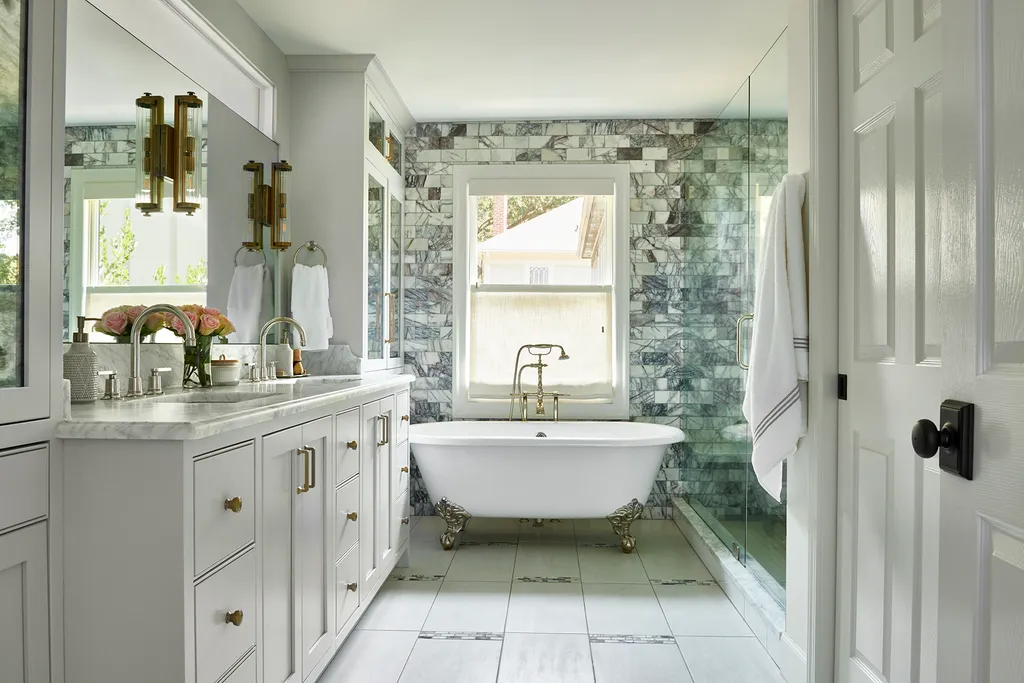
There’s something undeniably charming about a bathroom with beadboard walls. Those narrow vertical grooves add texture, character, and a sense of craftsmanship that ordinary painted walls sometimes lack. Whether you’re decorating a tiny powder room, updating a farmhouse bathroom, or planning a more traditional space, beadboard bathroom ideas offer plenty of beautiful possibilities.
The best part is that beadboard isn’t limited to classic white walls. You can experiment with sage green, coastal blue, rich navy, warm neutrals, or even dramatic floor-to-ceiling paneling. These 16 timeless beadboard bathroom ideas will help you choose the right colors, heights, materials, and finishing details while keeping your bathroom practical and inviting.
More Bathroom Decorating Ideas to Explore:
- 12 Ways to Make a Tiny Bathroom Look Spacious – Find clever ways to make a compact bathroom feel brighter and more open.
- 17 Budget Spa Bathroom Ideas – Discover affordable styling details for a relaxing bathroom atmosphere.
- 21 Farmhouse Shelf Decor Ideas – Explore rustic storage displays and natural decorating accents.
Quick List: 16 Beautiful Beadboard Bathroom Ideas
- Give Your Bathroom Classic White Beadboard Wainscoting
- Make a Statement With Floor-to-Ceiling Beadboard
- Choose Moisture-Resistant Beadboard for a Busy Bathroom
- Add Cottage Character With a Beadboard Ceiling
- Pair Painted Beadboard With Contrasting Upper Walls
- Try Beadboard-Style Wallpaper for an Affordable Update
- Create a Charming Beadboard Vanity Backsplash
- Bring Coastal Charm With Soft Blue Beadboard
- Paint Beadboard and Walls the Same Sage Green
- Use Layered Neutral Shades for an Elegant Look
- Combine Beadboard With Beautiful Patterned Floor Tiles
- Introduce Beadboard Through Your Bathroom Vanity
- Design a Rustic Farmhouse Bathroom With Tall Beadboard
- Experiment With Different Beadboard Heights
- Define a Small Bathroom Area With Dark Beadboard
- Make a Tiny Powder Room Charming With Half-Wall Beadboard
How to Choose the Right Beadboard for Your Bathroom
Before deciding on a design, consider where the beadboard will go and how much moisture that part of the bathroom receives. Beadboard describes the narrow-grooved paneling style, while wainscoting refers more broadly to decorative paneling installed on the lower portion of a wall.
Not every panel material is appropriate for every bathroom location. Ordinary MDF, for example, is more vulnerable to swelling when wet than some products specifically manufactured for moisture exposure. Directly wet shower walls require a properly designed waterproof wall system rather than decorative beadboard alone.
| Beadboard Material | Best Use | What to Consider |
|---|---|---|
| PVC Beadboard | Humid bathroom walls and suitable ceiling applications | Check product ratings, expansion allowances, and manufacturer instructions. |
| Moisture-Resistant MDF | Bathroom walls outside direct water exposure | Cut edges and joints need appropriate sealing; moisture-resistant does not mean waterproof. |
| Painted Wood Beadboard | Traditional and cottage-style bathrooms | Requires suitable finishing, ventilation, and regular maintenance. |
| Beadboard-Effect Wallpaper | Low-splash accent walls and suitable rental bathrooms | Verify humidity compatibility, adhesion, and removal requirements. |
16 Timeless Beadboard Bathroom Ideas to Try
1. Give Your Bathroom Classic White Beadboard Wainscoting
White beadboard wainscoting is one of the easiest ways to introduce traditional charm into a bathroom. Its crisp vertical grooves create a beautiful architectural detail while leaving the upper portion of the wall available for paint, wallpaper, or artwork.
Install the panels along the lower section of the walls and finish the top with a simple cap molding. Pair warm white beadboard with pale gray, soft blue, or muted beige walls. A pedestal sink, polished chrome faucet, and traditional mirror will complement the classic cottage appearance.
For a more finished look, paint the beadboard, baseboards, and upper trim in the same shade of white. Keep the molding proportional to the bathroom so it adds definition without making a small room look overly decorated.
Styling tip: A soft satin or semi-gloss finish can make suitable painted panels easier to wipe clean. Always choose a coating recommended for your panel material and bathroom conditions.
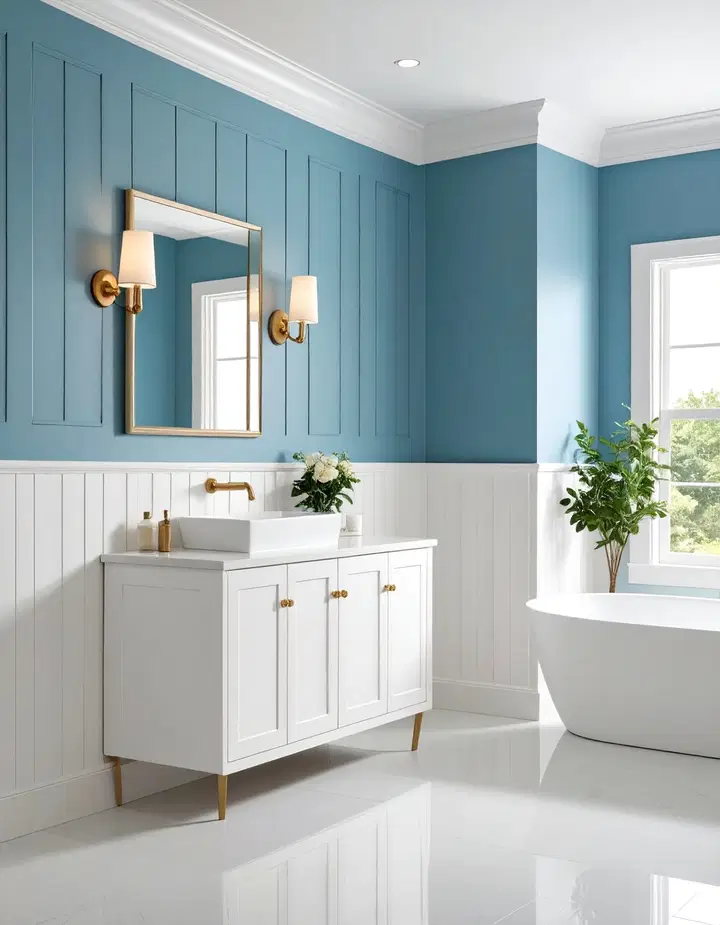
Image credit: @yourhouseandgarden.com
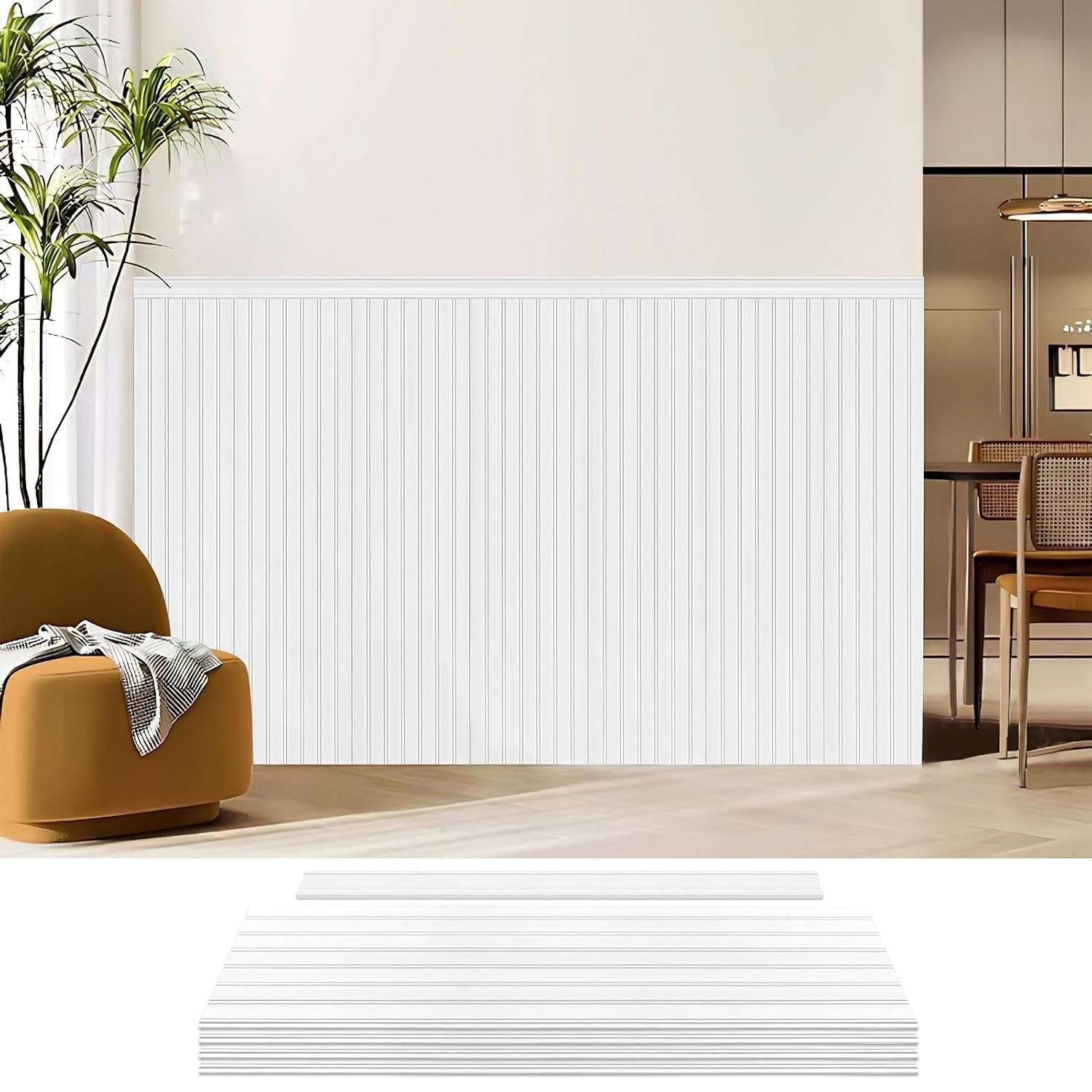
Amazon Find: White PVC Beadboard Wall Panels
White PVC beadboard panels can create traditional wainscoting without relying on unfinished wood. Compare groove spacing, panel dimensions, trim compatibility, and the manufacturer’s bathroom installation instructions.
2. Make a Statement With Floor-to-Ceiling Beadboard
Beadboard doesn’t have to stop halfway up the wall. Extending the paneling from floor to ceiling creates a striking architectural feature and gives ordinary bathroom walls a more custom appearance.
For a dramatic design, consider deep navy, forest green, or charcoal-painted panels. Pair the rich wall color with a white vanity, a marble-look countertop, and simple brass or polished chrome fixtures. The repeating vertical lines provide texture without requiring busy wallpaper or additional decorations.
If you’re concerned about making a small bathroom look too dark, use full-height beadboard on one wall rather than every wall. A large mirror and well-planned vanity lighting will help balance the deeper color.
Design tip: Keep the ceiling light when choosing dark wall paneling. This creates a clear contrast and can make the vertical grooves more noticeable.
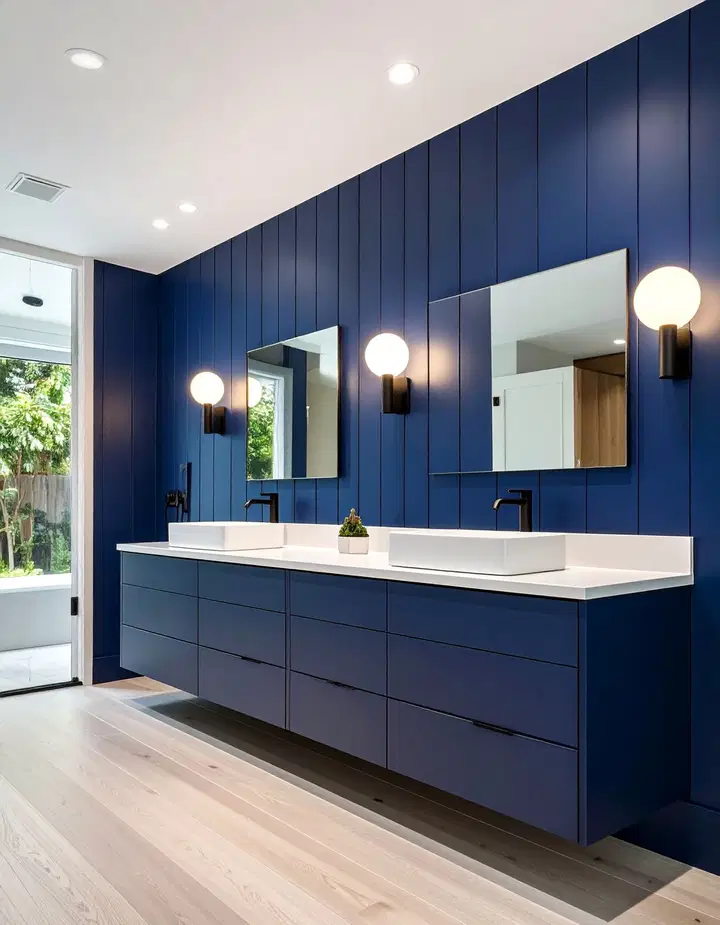
Image credit: @yourhouseandgarden.com
3. Choose Moisture-Resistant Beadboard for a Busy Bathroom
In bathrooms used by the whole family, the material underneath the decorative finish matters just as much as the color. Daily handwashing, humid air, and splashes can be demanding on wall surfaces, especially around sinks and lower walls.
Consider bathroom-suitable PVC panels or appropriately rated moisture-resistant MDF for locations outside direct water exposure. Light gray or warm white finishes work well in busy spaces because they coordinate with many towel colors and bathroom fixtures.
Plan the installation carefully around the vanity, toilet, and existing trim. Seal exposed edges and joints as directed by the manufacturer, maintain suitable bathroom ventilation, and avoid trapping moisture behind the panels.
Practical tip: Moisture-resistant panels are not automatically waterproof. Use a suitable waterproof wall assembly in showers and other directly wet areas.
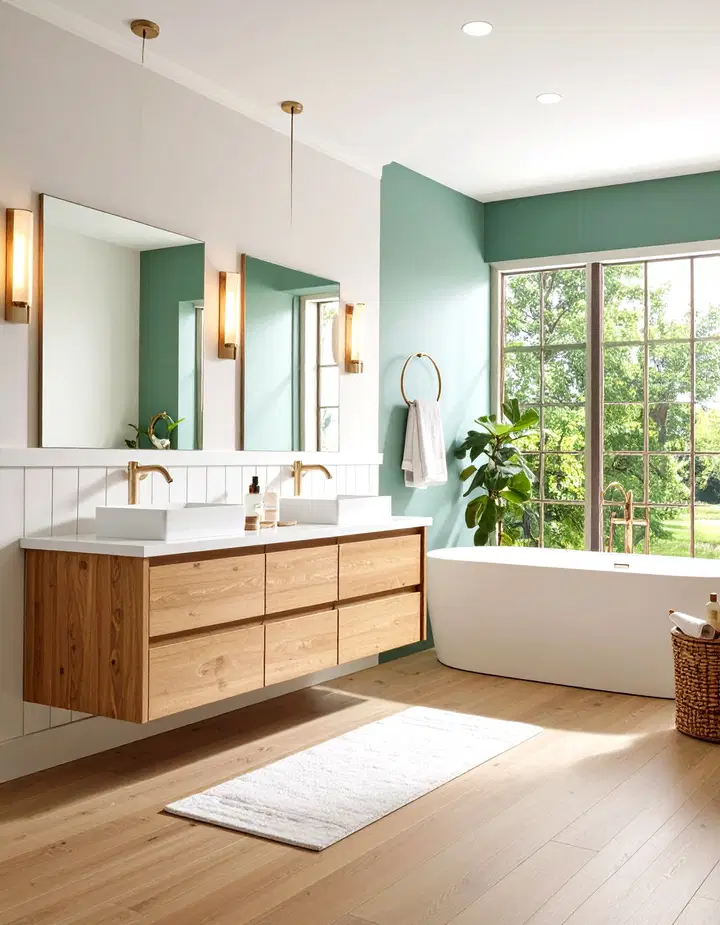
Image credit: @yourhouseandgarden.com
4. Add Cottage Character With a Beadboard Ceiling
The ceiling is an often-overlooked place to introduce decorative detail. Beadboard installed overhead can give a plain bathroom the inviting atmosphere of a vintage cottage or traditional farmhouse.
Choose lightweight ceiling panels approved for the installation location and paint them soft white or warm ivory. Add narrow perimeter trim for a clean transition between the ceiling and walls. A simple flush-mount light fixture allows the paneling to remain the main decorative feature.
This approach looks especially attractive with a freestanding bathtub, wooden vanity, or antique-style mirror. If your bathroom already has patterned floor tiles, keep the ceiling color understated to avoid competing with the floor.
Installation note: Bathroom ceilings require materials and fastening methods suitable for overhead use. Confirm the ventilation and moisture-management requirements before installation, particularly above bathing areas.
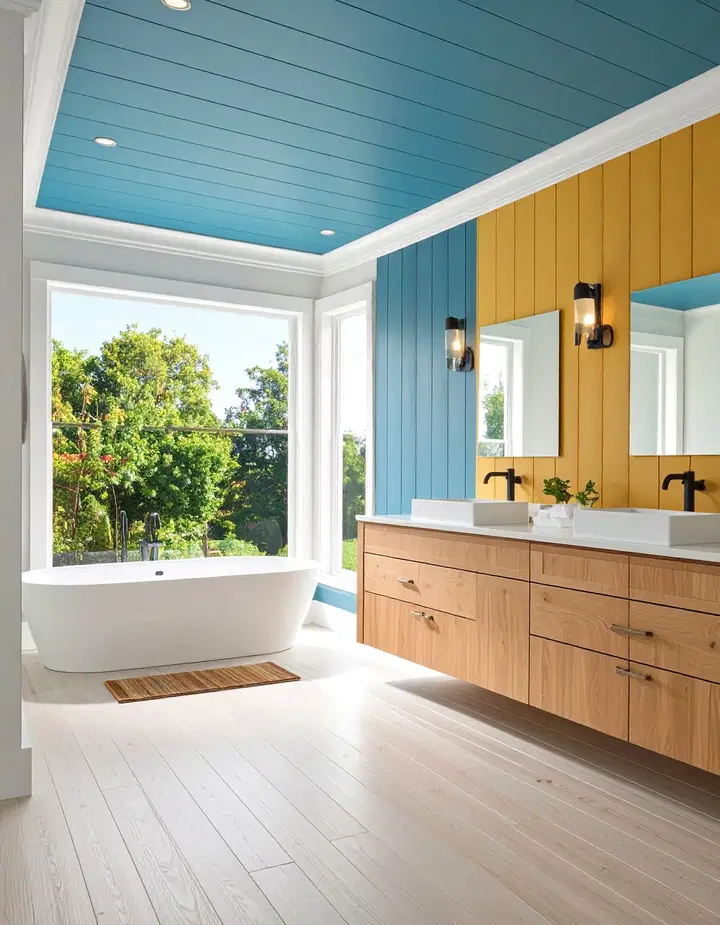
Image credit: @yourhouseandgarden.com
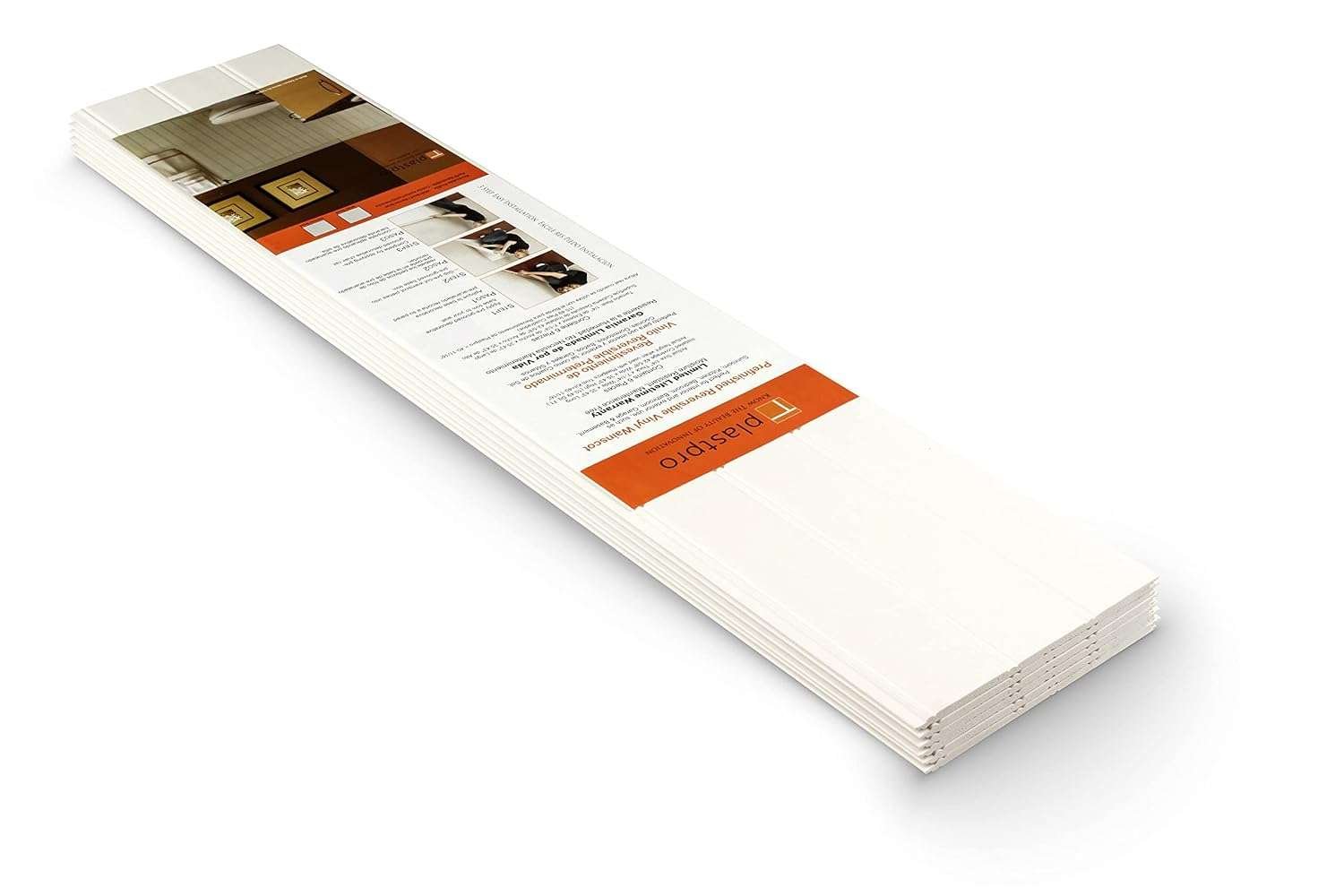
Amazon Find: PVC Beadboard Ceiling Planks
Decorative PVC ceiling planks can introduce classic cottage texture overhead. Select a product specifically approved for ceiling installation and check its fastening, fixture-clearance, and bathroom-use requirements.
5. Pair Painted Beadboard With Contrasting Upper Walls
Two-tone walls are a wonderful way to make beadboard feel fresh while preserving its traditional charm. Painting the lower paneling one color and the upper walls another gives the bathroom visual structure without relying on complicated finishes.
Try muted sage beadboard beneath creamy white walls for a relaxing farmhouse look. Dusty blue paneling with warm beige walls creates a softer coastal appearance, while olive green beadboard and pale gray walls feel slightly more sophisticated.
Separate the two colors with a narrow chair rail painted to match the beadboard. Repeat the lower-wall color through one small detail, such as a towel or framed artwork, to connect the whole design.
Color tip: Use paint samples next to your bathroom tile before choosing a shade. Warm and cool undertones can look noticeably different beside existing flooring.
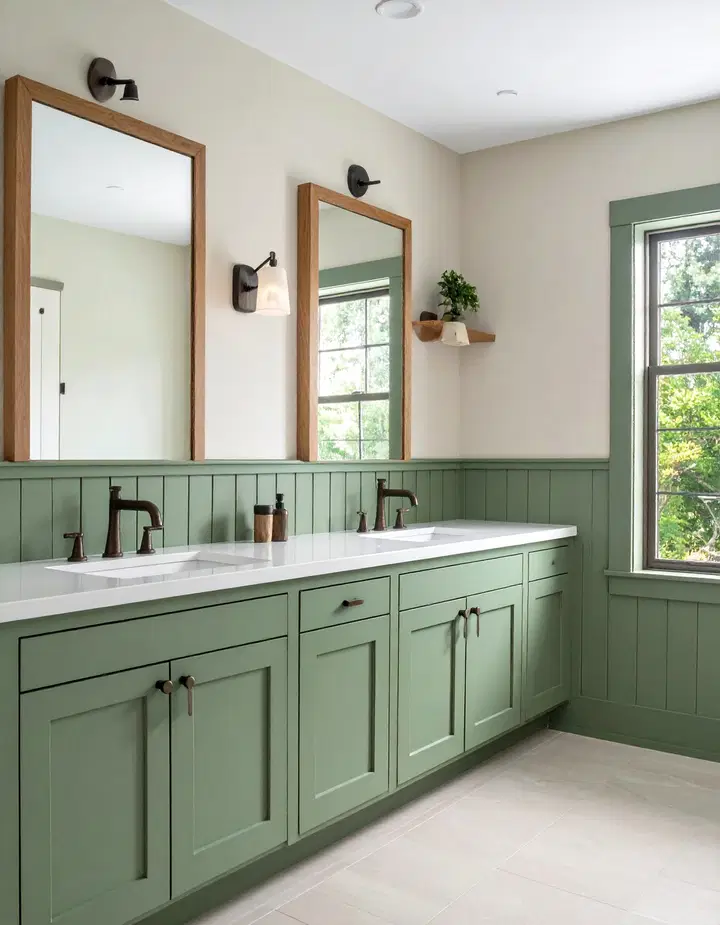
Image credit: @yourhouseandgarden.com
6. Try Beadboard-Style Wallpaper for an Affordable Update
If you love the appearance of beadboard but don’t want to install solid wall panels, textured beadboard-effect wallpaper offers a simpler decorative alternative. Its embossed vertical lines can resemble traditional paneling when viewed from a normal distance.
Choose a paintable or prefinished product recommended for the bathroom’s humidity level. Apply it to a smooth wall outside direct splash zones, then finish the upper edge with suitable decorative molding if the manufacturer permits it.
This option can work well in a guest powder room or rental bathroom where a permanent remodel isn’t practical. Keep the design classic with a white finish, vintage-style mirror, and a simple wooden shelf.
Renter tip: Don’t assume textured wallpaper will remove without damage. Confirm landlord rules, wall compatibility, and removal instructions, and test a small hidden section first.
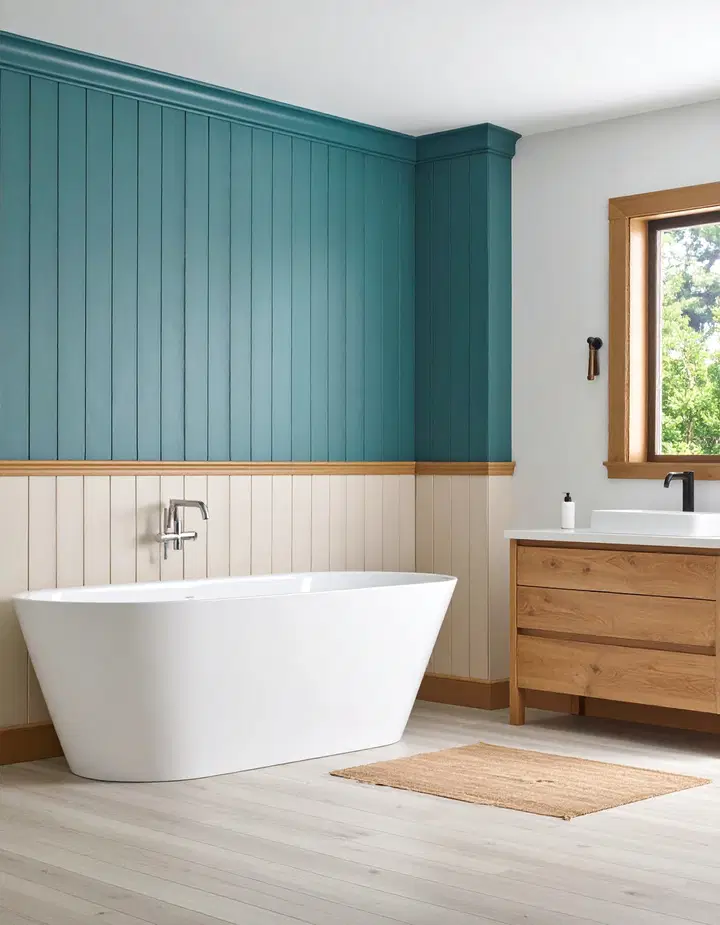
Image credit: @yourhouseandgarden.com
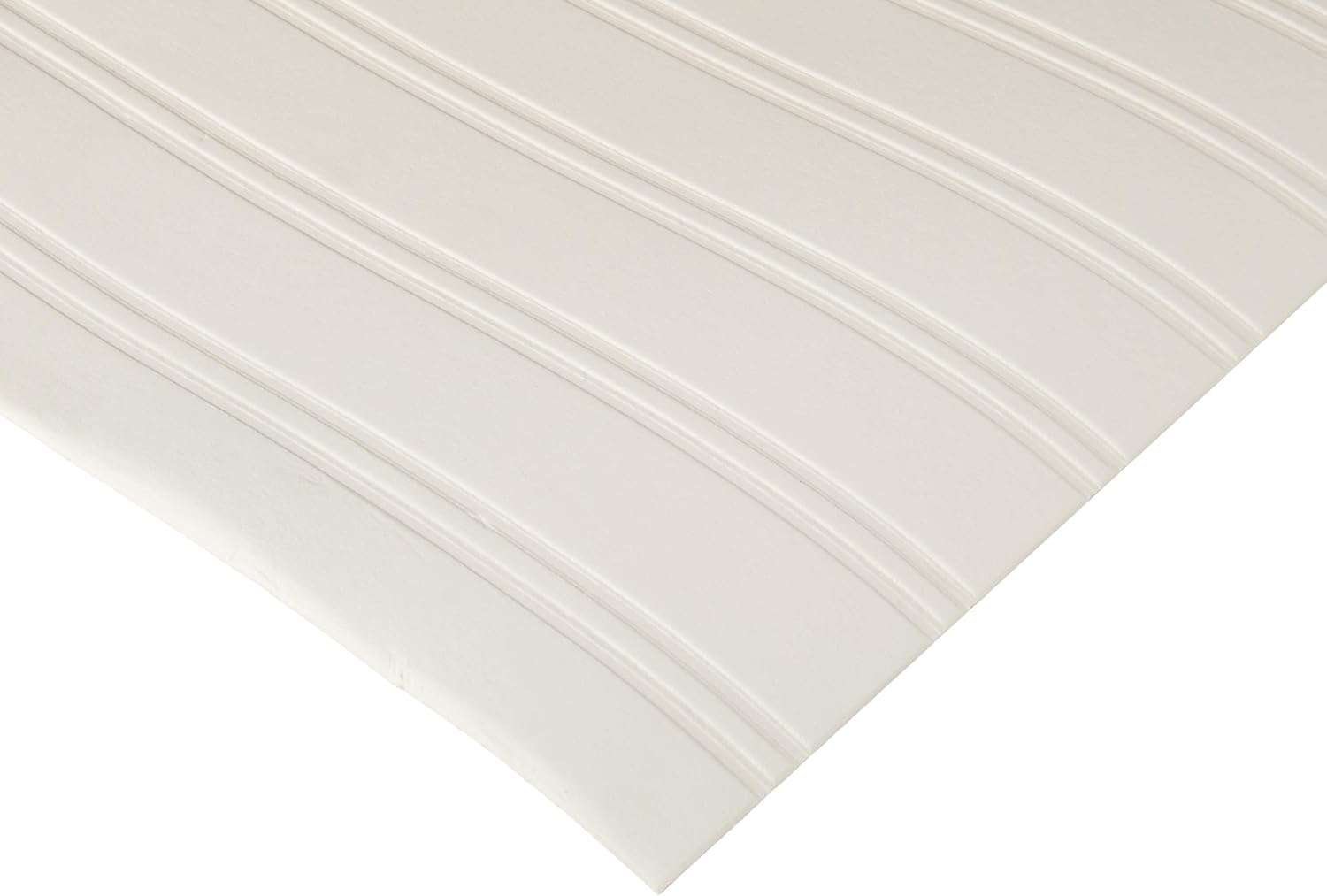
Amazon Find: Paintable Beadboard Textured Wallpaper
Embossed beadboard-style wallpaper is useful for creating a paneled look without installing full wood boards. Compare texture depth, installation methods, and moisture suitability before choosing a roll.
7. Create a Charming Beadboard Vanity Backsplash
A small beadboard accent behind the bathroom sink can add vintage character without covering an entire wall. The narrow grooves create an interesting background for the vanity mirror, faucet, and countertop accessories.
Use an appropriately rated panel material and choose a height that works with the faucet and mirror. White or pale gray beadboard looks especially lovely with a natural wood vanity and brushed nickel hardware. Finish the upper edge with simple trim for a neat, built-in appearance.
Because the sink area receives regular water splashes, select materials designed for that exposure and follow the manufacturer’s sealing details. For a heavily splashed wall, tile or another water-resistant backsplash may be a more practical choice.
Budget idea: If your vanity already has a suitable protective backsplash, install a decorative beadboard accent above it rather than replacing the entire wall finish.
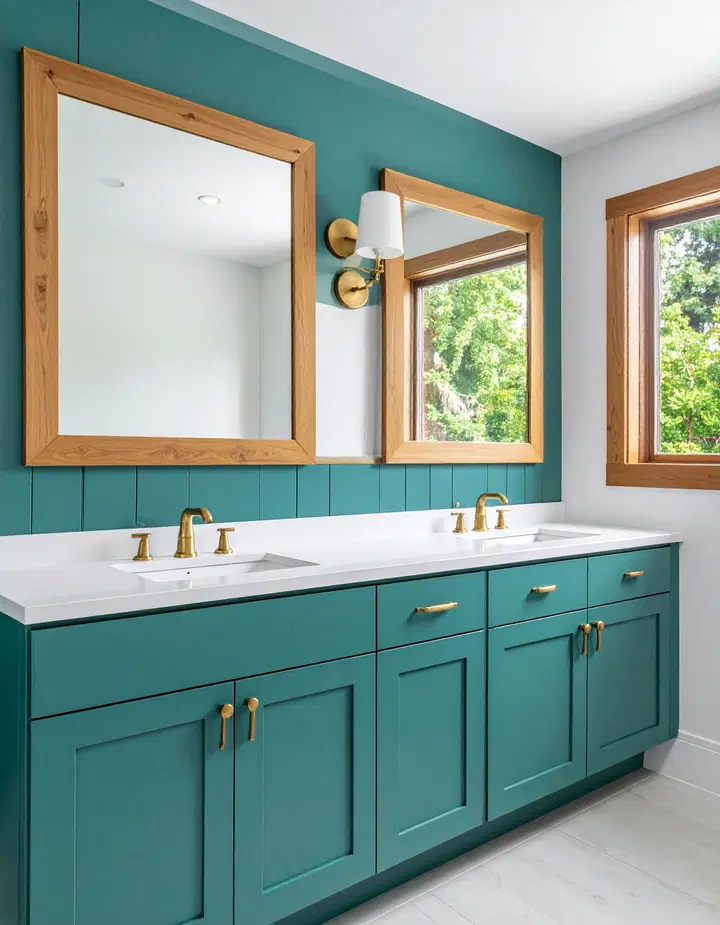
Image credit: @yourhouseandgarden.com
8. Bring Coastal Charm With Soft Blue Beadboard
Blue beadboard brings a relaxed coastal feeling into the bathroom without requiring obvious nautical decorations. Its gentle color works beautifully with white sinks, light wood accessories, and sandy neutral flooring.
Choose a muted powder blue, pale aqua, or misty gray-blue for the lower wall panels. Keep the upper walls warm white and introduce natural-looking finishes through a wooden mirror frame or a small woven storage basket. Brushed nickel fixtures provide a clean finishing touch.
If you want additional pattern, consider a subtle mosaic tile floor in white and blue. Let the tile provide the decorative detail while the beadboard remains simple and understated.
Styling tip: Choose two or three coordinating blue tones rather than decorating the bathroom with many unrelated shades. The result will feel more timeless and less themed.
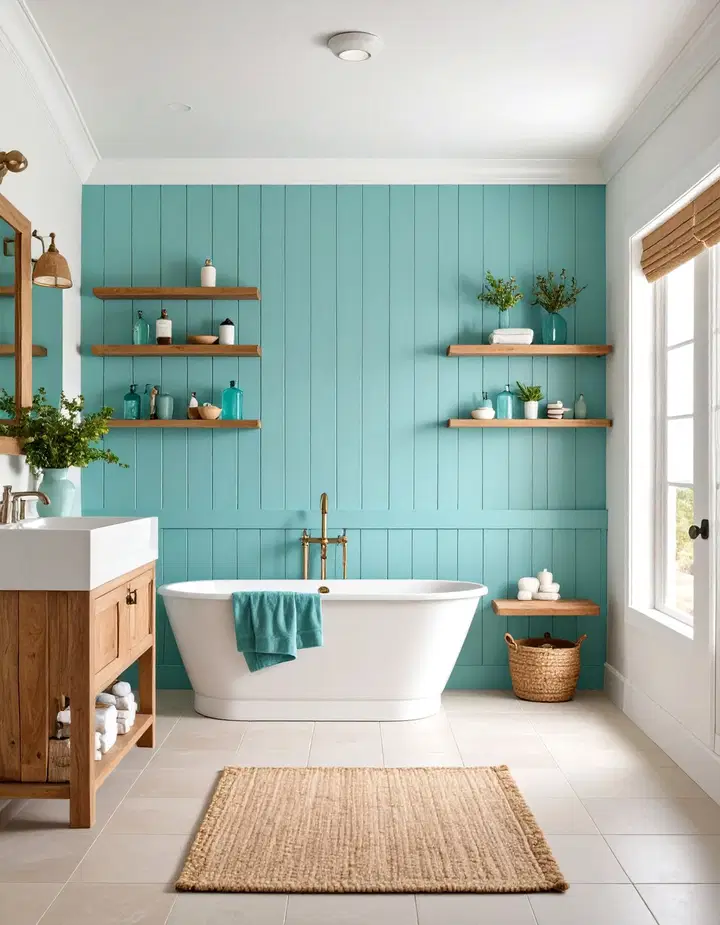
Image credit: @yourhouseandgarden.com
9. Paint Beadboard and Walls the Same Sage Green
For a bathroom that feels peaceful and beautifully coordinated, try painting the beadboard and the upper walls in the same soft sage green. The matching color allows the narrow grooves to provide texture while keeping the overall appearance calm and uncluttered.
Use a muted green with gray undertones for a gentle, natural finish. A white sink, light oak vanity, and antique brass accents will add contrast without interrupting the soothing color scheme. Consider a cream bath mat and simple linen-look window treatment for extra softness.
You can use different compatible paint sheens to emphasize the paneling slightly. For example, a washable satin finish on the beadboard and a suitable lower-sheen finish above can introduce subtle variation while maintaining the same color.
Design tip: Carrying one color across the wall and paneling can reduce visual interruptions, which is especially useful in a small bathroom.
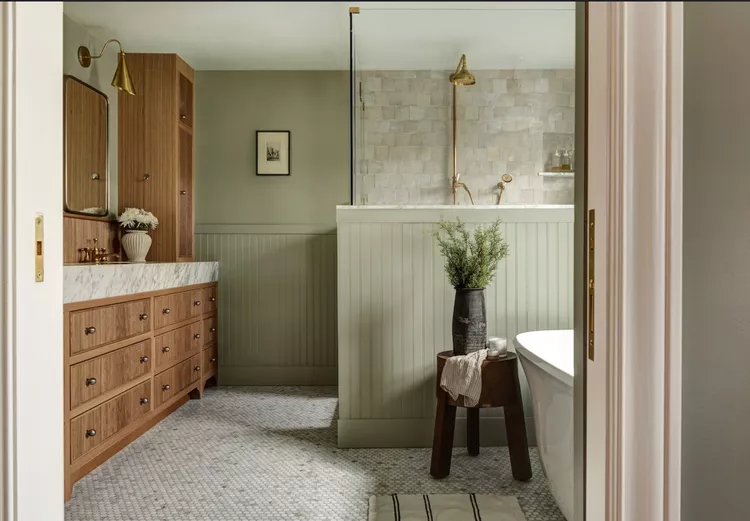
Image credit: @thespruce.com
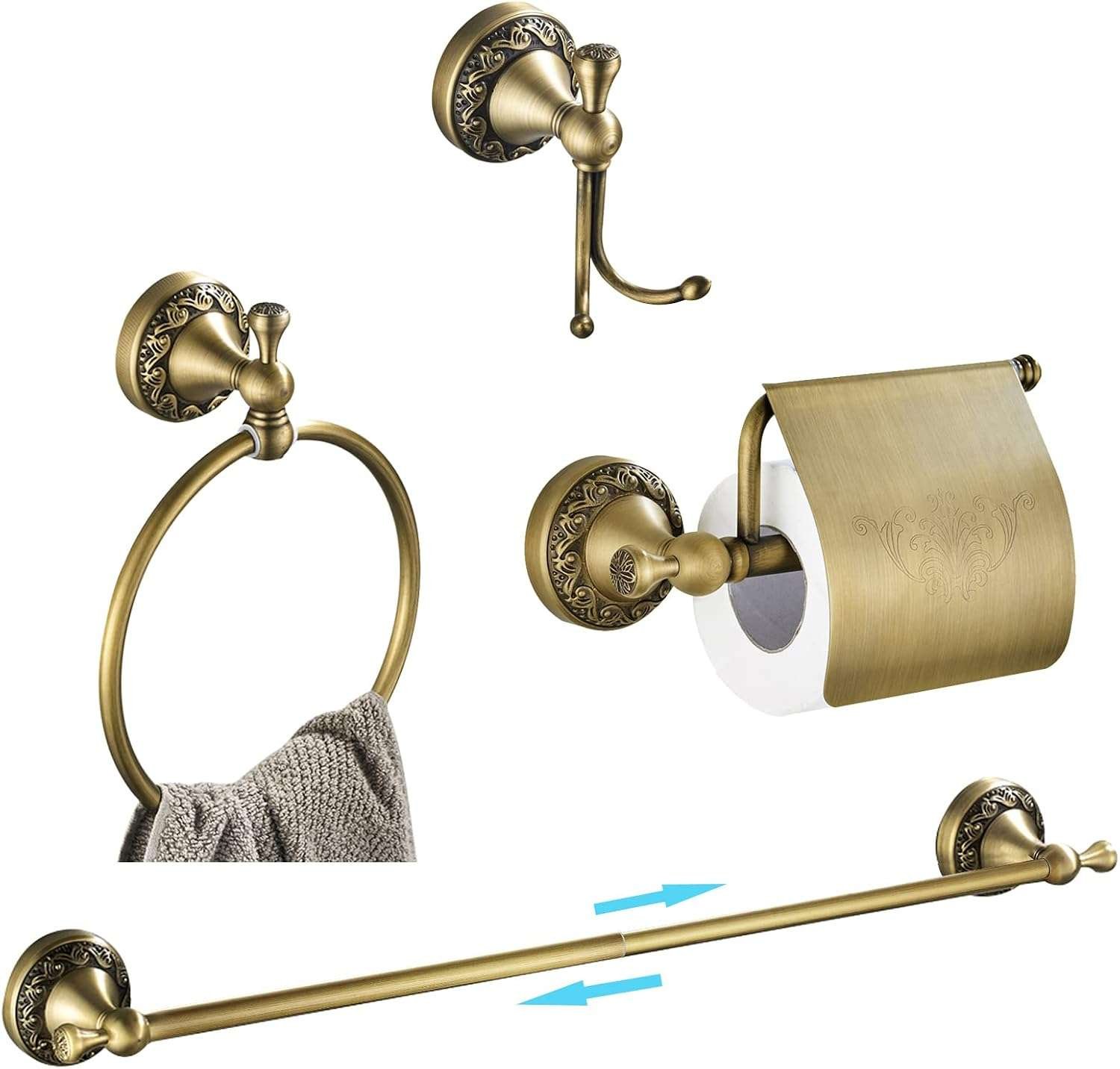
Amazon Find: Antique Brass Bathroom Towel Ring
A warm brass-finish towel ring adds a classic metallic accent to sage green beadboard. Match the finish with a mirror frame or vanity hardware for a coordinated bathroom look.
10. Use Layered Neutral Shades for an Elegant Look
A bathroom doesn’t need bright colors to feel thoughtfully decorated. Layering different neutral shades allows beadboard’s vertical texture to become the main feature while creating a sophisticated and relaxing appearance.
Paint the beadboard a soft dove gray and choose a slightly lighter warm gray or ivory for the walls above. Introduce a white vanity, brushed nickel fixtures, and a natural linen-colored hand towel. The small color differences provide depth without creating strong contrasts.
This approach works beautifully in transitional bathrooms that combine traditional wall detailing with simpler modern fixtures. A large mirror with a thin frame will help maintain the understated appearance.
Styling tip: Pay attention to undertones. Warm gray, beige, and ivory typically blend more comfortably when they share similar warmth.
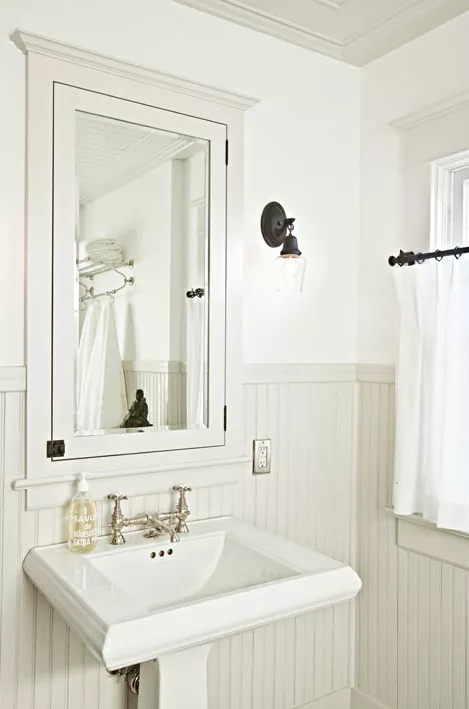
Image credit: @thespruce.com
11. Combine Beadboard With Beautiful Patterned Floor Tiles
One of the prettiest ways to give a beadboard bathroom personality is to pair simple wall paneling with patterned floor tiles. The clean vertical grooves balance the movement of decorative tiles, making the overall design feel interesting without becoming too busy.
Try white beadboard with soft blue patterned tiles for a coastal cottage appearance. Black-and-white geometric flooring creates a more traditional look, while muted terracotta patterns introduce warmth and vintage character.
Keep the vanity and upper walls fairly simple so the floor remains the focal point. A light wooden stool or small woven basket can connect the tile colors with other bathroom details.
Practical tip: Choose tiles appropriate for bathroom floors, including suitable slip resistance for wet conditions. Sample the floor and wall finishes together before committing to the combination.
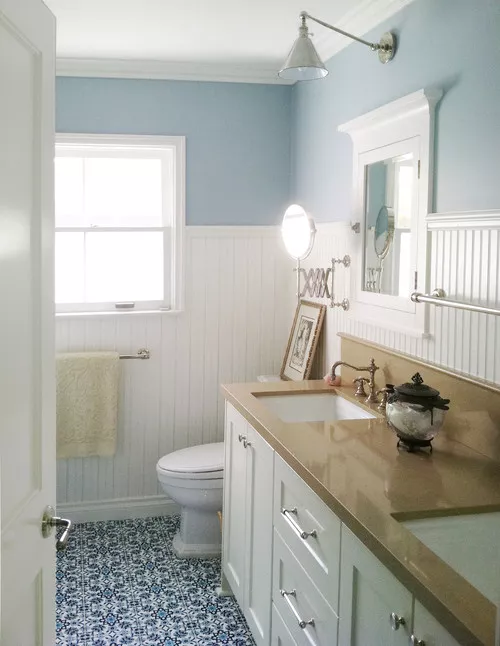
Image credit: @thespruce.com
12. Introduce Beadboard Through Your Bathroom Vanity
You don’t have to cover the walls to enjoy beadboard’s classic texture. A bathroom vanity with narrow-grooved cabinet fronts offers a subtle way to bring the style into a modern or traditional bathroom.
Look for a vanity with beadboard-style doors or drawer fronts. A warm white vanity feels especially appropriate in a coastal or farmhouse bathroom, while dusty blue or charcoal cabinets can introduce a more contemporary look. Pair the textured cabinet fronts with a simple countertop and uncomplicated mirror.
If you already have a suitable vanity, replacing or refinishing cabinet doors may be less disruptive than installing new wall paneling. Check how any decorative changes will affect door clearances and hardware alignment.
Money-saving idea: Updating cabinet hardware and choosing a coordinating paint color can help an existing beadboard-style vanity feel fresh without replacing it.
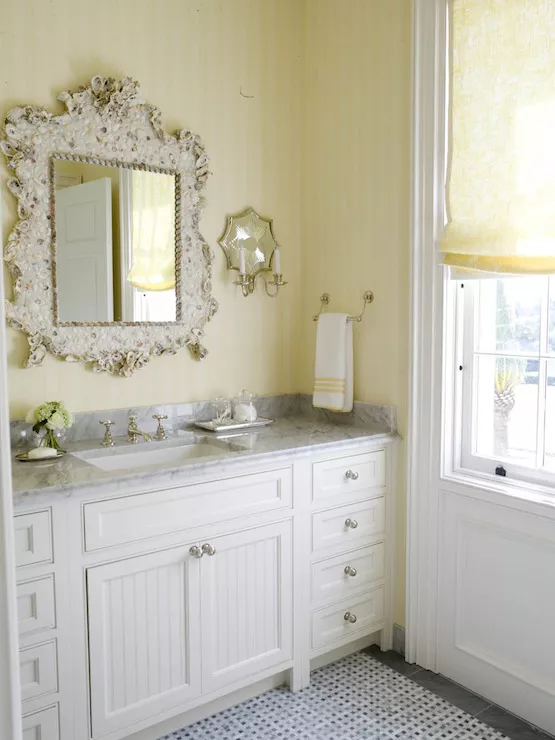
Image credit: @thespruce.com
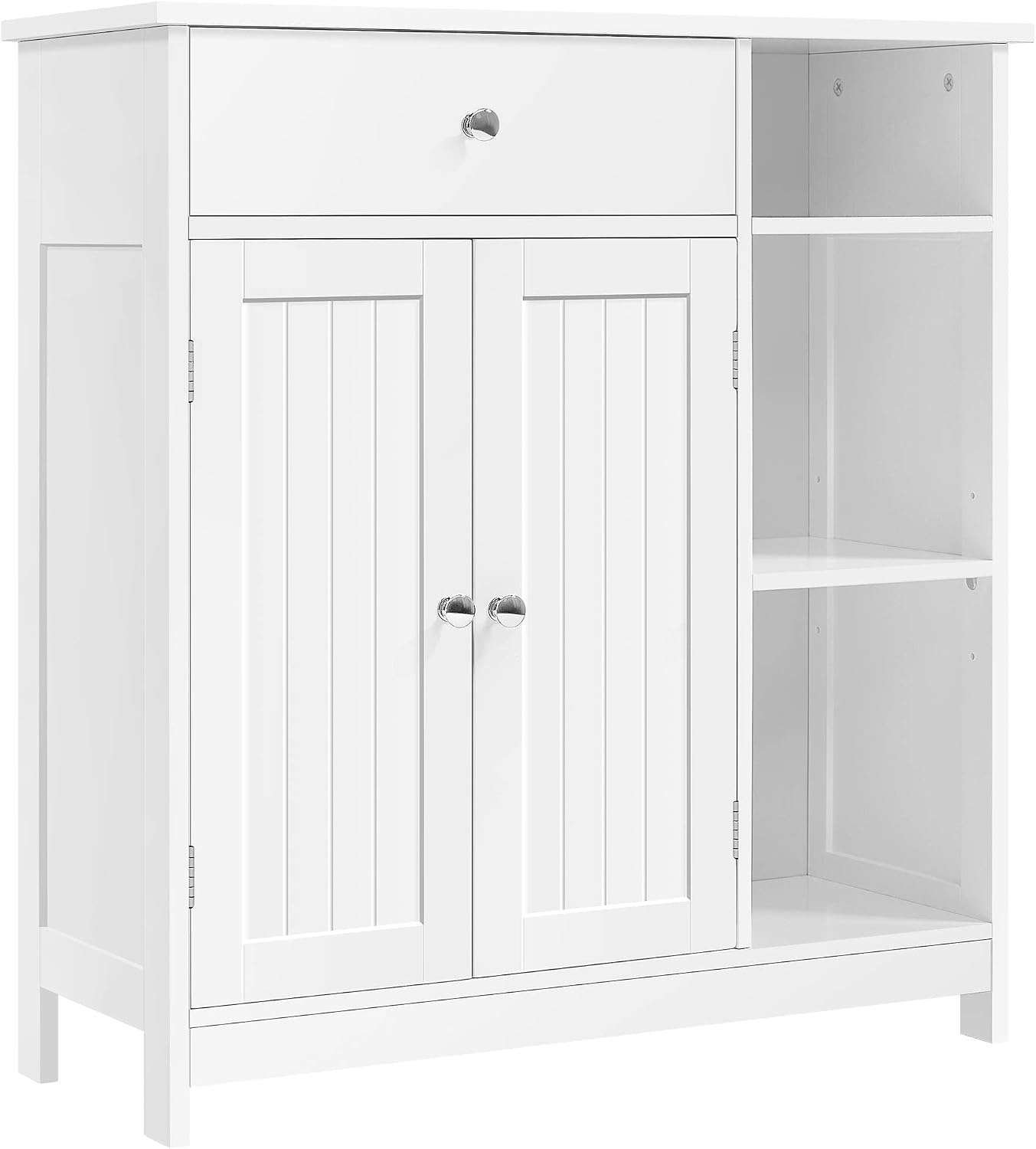
Amazon Find: Beadboard-Style Bathroom Vanity Cabinet
A vanity with vertically grooved cabinet fronts adds beadboard detail without requiring a full wall renovation. Compare cabinet measurements, moisture suitability, storage capacity, and plumbing clearances.
13. Design a Rustic Farmhouse Bathroom With Tall Beadboard
Tall beadboard panels are a beautiful choice for creating a traditional farmhouse bathroom. Their repeated vertical lines add a handcrafted appearance that pairs naturally with wooden furniture, vintage-style fixtures, and simple neutral colors.
Install white or warm cream beadboard across much of the wall height, then finish the room with a rustic wooden vanity and a generously sized framed mirror. Black or aged brass hardware can introduce contrast, while a woven basket provides practical towel storage.
In bathrooms with exposed ceiling beams or existing wooden architectural details, the white paneling can create a particularly attractive balance between painted and natural materials.
Styling tip: Keep the farmhouse details restrained. One rustic vanity, a simple mirror, and a natural basket are often enough without adding decorative signs or accessories to every wall.
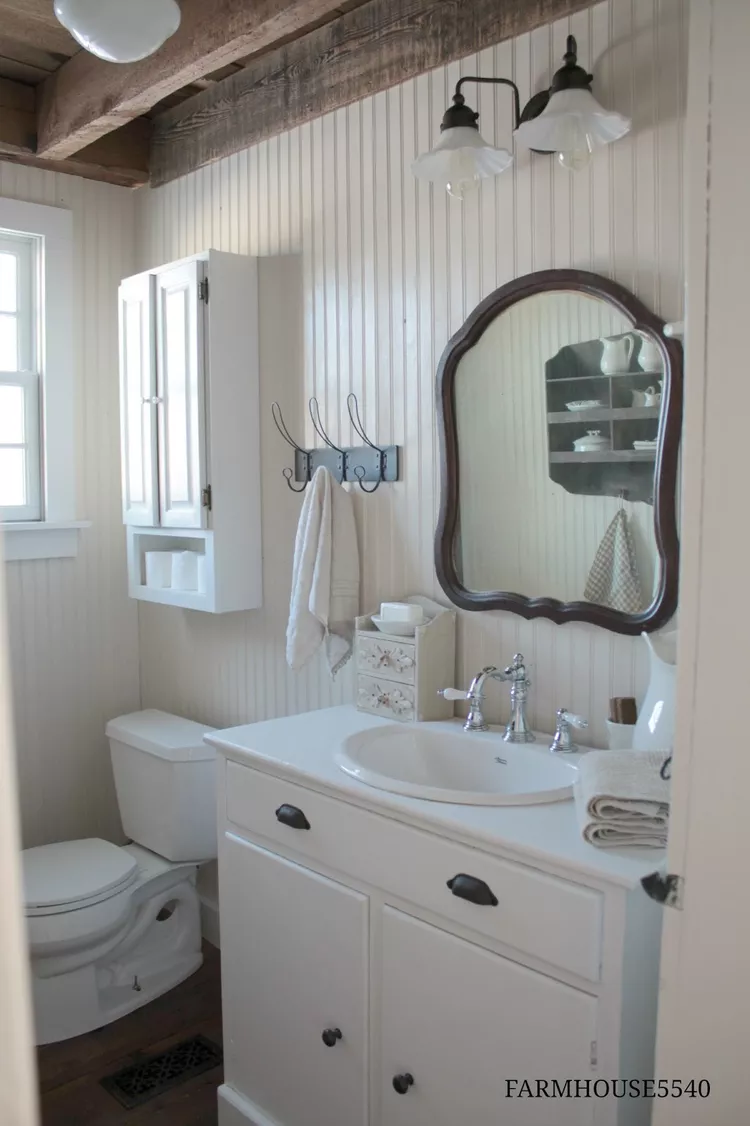
Image credit: @thespruce.com
14. Experiment With Different Beadboard Heights
Beadboard installed at different heights can help define separate areas in a larger bathroom. Rather than using one continuous horizontal line throughout the room, you can adjust the paneling to complement windows, vanities, and architectural features.
For example, use lower beadboard beneath a window, extend it higher behind a freestanding vanity, and continue a taller section along an adjacent wall. A consistent paint color and matching trim profile will make these changes feel planned rather than accidental.
This approach is particularly useful in bathrooms with unusual wall shapes or existing fixtures that don’t align neatly with standard wainscoting heights. Sketch each wall elevation before purchasing panels and trim.
Planning tip: Use painter’s tape to mark the proposed panel heights on the walls. Stand in the doorway and compare how the lines look together before installing anything.
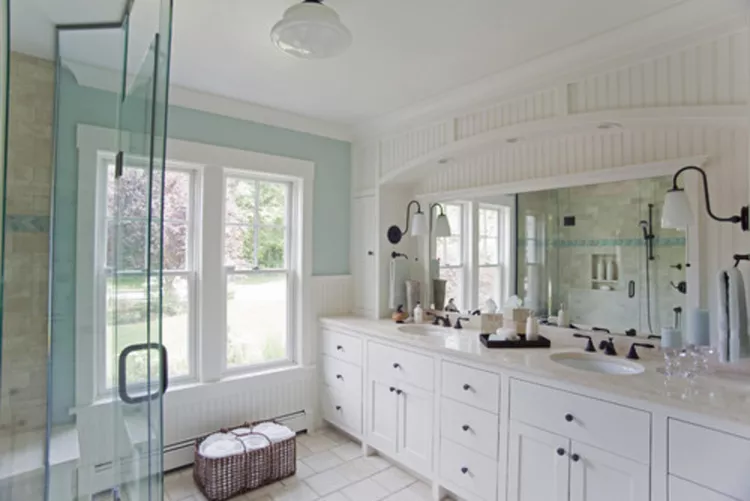
Image credit: @thespruce.com
15. Define a Small Bathroom Area With Dark Beadboard
Dark beadboard can create a dramatic focal point when used in one carefully selected part of the bathroom. Instead of covering every wall, consider using deep charcoal, black, or midnight blue panels behind a towel rack or alongside the vanity.
Keep the surrounding walls pale and introduce matching dark accents through a mirror frame or cabinet hardware. White towels will look especially crisp against charcoal panels, while a natural wooden shelf can soften the contrast.
This technique works well when you want to visually separate a small functional area within a larger bathroom. The vertical grooves give the dark color texture, making the feature more interesting than a plain painted wall.
Design tip: Position useful lighting near dark paneling so the grooves remain visible instead of disappearing into shadow.
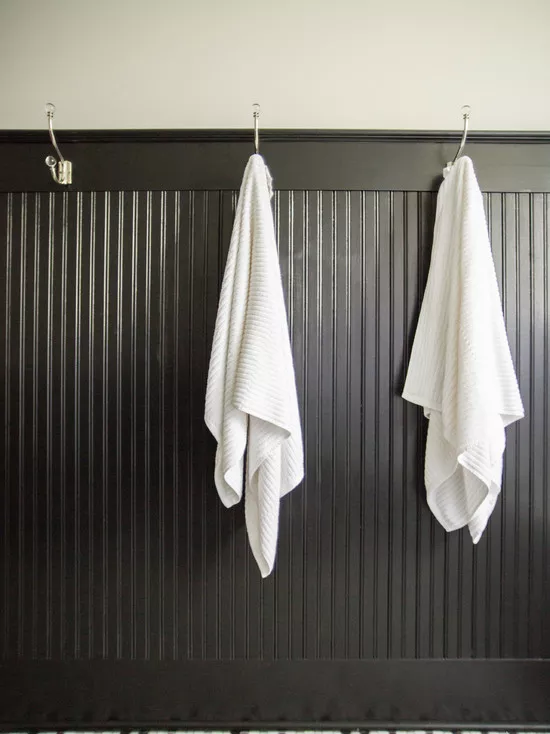
Image credit: @thespruce.com
16. Make a Tiny Powder Room Charming With Half-Wall Beadboard
A small powder room is an ideal place to try beadboard because a limited amount of paneling can introduce plenty of character. Traditional half-wall beadboard frames the sink and toilet while leaving the upper walls open for a mirror or decorative artwork.
Try soft gray walls with bright white lower paneling, a compact pedestal sink, and a simple vintage-inspired mirror. If you want a little warmth, introduce muted yellow through a small hand towel or framed print. The result feels charming without overwhelming the limited space.
A narrow shelf above the toilet can provide storage for extra supplies, provided it doesn’t interfere with headroom or access. Keep the countertop mostly clear and choose fixtures that fit the room’s proportions.
Small-space tip: Match the beadboard to the bathroom’s existing white trim for a cohesive look. The repeated vertical lines can also emphasize the room’s height.
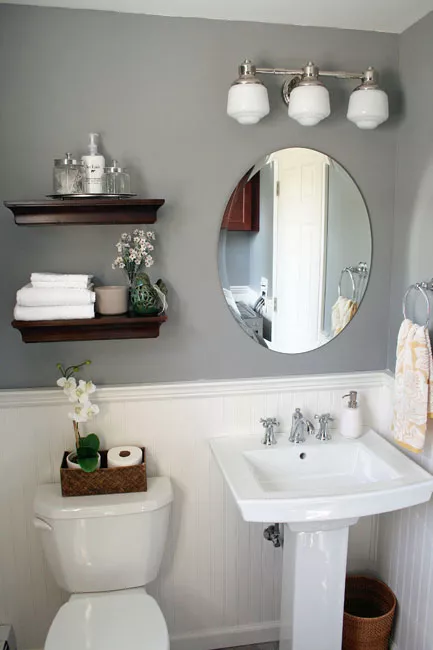
Image credit: @thespruce.com
Beadboard Bathroom Shopping Checklist
A successful beadboard bathroom project starts with the right materials and accurate measurements. Purchase the practical installation supplies before adding decorative accessories.
Essential Installation Supplies
- Bathroom-appropriate beadboard panels or planks
- Accurate measuring tape and level
- Suitable baseboards, cap molding, and finishing trim
- Manufacturer-recommended fasteners or adhesive
- Appropriate primer and bathroom-compatible paint, if required
- Sealant approved for the panel material and joint locations
- Suitable cutting tools and protective equipment
Optional Decorative Finishing Touches
- Traditional framed bathroom mirror
- Brass, black, or brushed nickel hardware
- Coordinating hand towels
- Small wooden or moisture-suitable shelf
- Woven towel storage basket
- Simple botanical artwork
- Bathroom-rated vanity lighting
Budget tip: Measure the room carefully and check which existing fixtures, mirrors, and storage pieces can remain. Reusing suitable accessories helps keep the project focused on the beadboard itself.
Common Beadboard Bathroom Mistakes to Avoid
Using the Wrong Material in Wet Areas
Standard untreated MDF and ordinary decorative wallpaper can deteriorate when exposed to regular moisture. Choose products specifically suitable for your installation location. Direct shower exposure requires an approved waterproof wall system; moisture-resistant paneling alone is not a substitute.
Skipping Proper Wall Preparation
Installing beadboard over damp, damaged, or mold-affected walls can hide an underlying problem rather than solve it. Identify and correct moisture issues first, allow the surface to dry, and follow the panel manufacturer’s preparation instructions.
Choosing an Awkward Wainscoting Height
A panel height that cuts across mirrors, outlets, or important fixture details can look unfinished. Mark the proposed top edge around the room before installation and check how it relates to the vanity, toilet, window, and other permanent features.
Forgetting About Expansion and Movement
Some panel materials expand and contract with temperature and humidity changes. Installing them too tightly can cause buckling or distorted joints. Follow the manufacturer’s required expansion gaps, fastening schedule, and finishing procedures rather than treating every product the same way.
Ignoring Bathroom Ventilation
Decorative beadboard works best in a bathroom where humidity is properly managed. Keep exhaust ventilation functional, repair leaks promptly, and avoid covering areas that require access for plumbing maintenance. Persistent condensation should be addressed before installing new wall finishes.
Frequently Asked Questions About Beadboard Bathrooms
Is beadboard a good choice for bathrooms?
Yes, beadboard can be a beautiful bathroom wall treatment when you choose appropriate materials and install them correctly. PVC and certain moisture-resistant products are commonly considered for humid areas outside direct water exposure. Always confirm the manufacturer’s bathroom-use recommendations and maintain proper ventilation.
How high should beadboard go in a bathroom?
Traditional beadboard wainscoting often reaches approximately one-third of the wall height, but taller applications are also popular. The best height depends on ceiling height, vanity dimensions, windows, and the desired design. Testing proposed heights with painter’s tape can help you choose balanced proportions.
What paint colors look best with bathroom beadboard?
White, cream, sage green, pale blue, warm gray, and navy are attractive choices. White beadboard paired with softly colored upper walls creates a classic cottage look, while matching green walls and paneling produces a calmer, more continuous appearance. Consider existing tile and lighting when selecting colors.
Can beadboard make a small bathroom look bigger?
Beadboard’s vertical grooves can encourage the eye to travel upward, making the wall feel taller. Light colors and relatively simple trim can also keep a compact room visually open. Combine beadboard with a well-sized mirror, good lighting, and practical storage for the most balanced result.
Can you install beadboard directly inside a shower?
Ordinary decorative beadboard should not replace a waterproof shower wall system. Some specialized panel products are manufactured for wet locations, but they require their own approved installation details. For a shower, use a suitable waterproof assembly and follow the complete manufacturer’s instructions or consult a qualified installer.
Recommended Finds for a Classic Beadboard Bathroom
These finishing details can help your beadboard bathroom feel coordinated without requiring a complete fixture replacement.
- Vintage-Style Bathroom Mirrors: A traditional mirror frame pairs beautifully with white, sage, or blue beadboard walls.
- Brushed Nickel Bathroom Hardware: Coordinating towel bars, rings, and hooks create a clean finish for classic and coastal bathrooms.
- Woven Bathroom Storage Baskets: Add practical towel storage and a touch of natural texture beside painted paneling.
Final Thoughts: Bring Timeless Charm to Your Bathroom With Beadboard
Beadboard remains a beautiful choice because it adds architectural character without requiring an overly complicated decorating scheme. From crisp white wainscoting and soft coastal colors to dramatic dark panels and charming farmhouse ceilings, these beadboard bathroom ideas offer options for almost every decorating preference.
Start by choosing the wall or feature that will benefit most from added texture. Measure carefully, select materials appropriate for the bathroom’s moisture conditions, and build the design around a simple color palette. With thoughtful proportions and a few well-chosen accessories, beadboard can give your bathroom a classic look that feels comfortable, practical, and personal.
