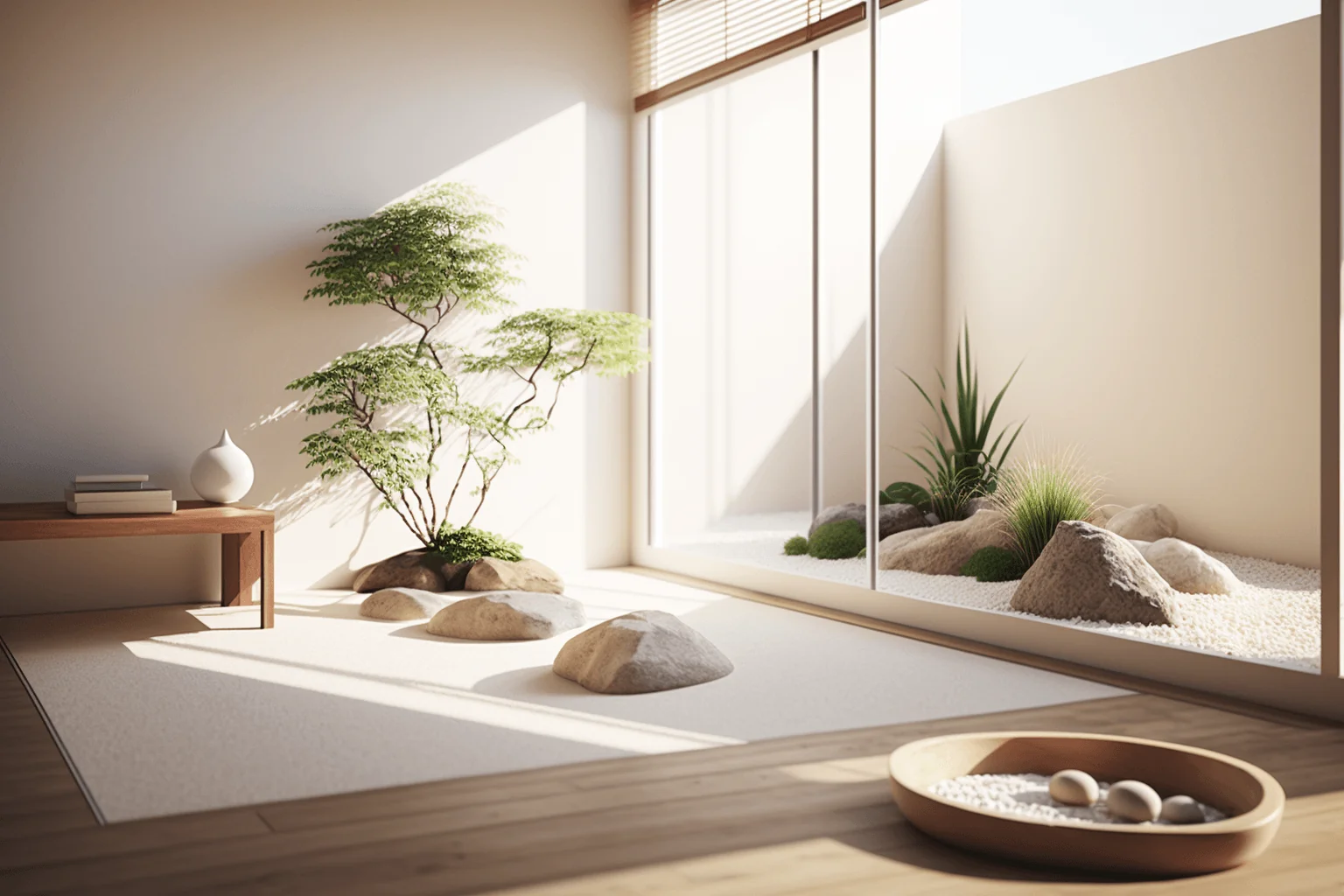
Imagine having a little corner in your home where smooth river stones, soft greenery, natural wood, and carefully arranged sand create a peaceful escape from everyday clutter. An indoor Zen garden can bring a sense of simplicity and natural beauty into your living room, bedroom, home office, or even a small apartment.
The best part is that you don’t need a large space or an expensive makeover to create one. These 12 unique indoor Zen garden ideas include miniature sand gardens, moss arrangements, bonsai displays, sculptural stone landscapes, minimalist plant corners, and softly illuminated garden trays. Each idea offers practical tips to help you create a beautiful, low-maintenance space that feels calm, intentional, and personal.
Affiliate disclosure: As an Amazon Associate, I earn from qualifying purchases. This article contains affiliate links, which may earn us a commission at no extra cost to you.
More Peaceful Home Decorating Inspiration
- 14 Earthy Room Decor Ideas for a Natural Oasis – Explore warm wooden furniture, natural greenery, textured walls, and calming earth tones.
- 12 Best IKEA Hacks for Japandi – Discover simple furniture transformations featuring natural wood, minimal styling, and clutter-free storage.
- 13 DIY Room Divider Ideas on a Budget – Create a peaceful corner with open shelving, tall plants, and lightweight dividers.
- Must-Try Small Living Room Layout Ideas for Better Flow – Find ways to make room for a relaxing garden display without overcrowding your living space.
Quick List: 12 Unique Indoor Zen Garden Ideas
- Create a Miniature Sand and River Stone Zen Garden
- Design a Minimal Moss and Bonsai Tabletop Garden
- Make a Peaceful Driftwood and Pebble Garden Tray
- Turn a Windowsill Into a Small Indoor Zen Garden
- Set Up a Desktop Sand-Raking Meditation Garden
- Create an Intentional Stone and Sculpture Garden Corner
- Design a Minimalist White Sand and Black Stone Garden
- Arrange a Simple Moss Garden With Natural Materials
- Build an Asymmetrical Zen Garden With Rocks and Plants
- Create a Layered Miniature Landscape With Depth
- Add a Unique Bonsai and Sculptural Stone Arrangement
- Design a Still Zen Garden With Soft Ambient Lighting
How to Create a Beautiful Indoor Zen Garden
An indoor Zen garden is inspired by the simplicity and natural beauty of traditional Japanese dry landscape gardens. While traditional gardens have specific cultural and design traditions, a small home version can be a personal decorative interpretation built around stone, sand, wood, moss, and thoughtfully chosen plants.
Begin by deciding how much space you have. A shallow tray on a coffee table is enough for a miniature garden, while a quiet bedroom corner can hold a larger arrangement with low planters and natural stones. Choose a stable location away from busy walkways, pets that might disturb the materials, and anything that produces excessive heat.
Then select a small number of elements. A container, fine decorative sand, three smooth stones, and one little rake may be all you need. For a plant-based garden, replace some of the sand with properly contained moss or a small potted bonsai. Keeping materials restrained allows each shape and texture to stand out.
Simple Indoor Zen Garden Formula
One Shallow Container + One Main Natural Material + Three Carefully Placed Stones + Optional Greenery + Plenty of Empty Space
For example, fill a shallow wooden tray with fine white sand, add three smooth gray river stones near one corner, and draw gentle curved lines around them using a miniature wooden rake.
Which Indoor Zen Garden Style Is Best for Your Space?
| Garden Style | Best Pieces | Why It Works |
|---|---|---|
| Desktop Zen Garden | Sand tray, stones, mini rake | Compact and easy to rearrange |
| Minimalist Garden | White sand and black stones | Creates a clean, balanced appearance |
| Natural Green Garden | Moss, bonsai, wooden planter | Brings natural greenery indoors |
| Rustic Garden | Driftwood, gravel, pebbles | Adds earthy texture and warmth |
| Window Garden | Small plants and contained stones | Uses an existing bright location |
| Decorative Zen Corner | Stone sculpture, plant, low table | Creates a gentle room focal point |
12 Unique Indoor Zen Garden Ideas to Try
1. Create a Miniature Sand and River Stone Zen Garden
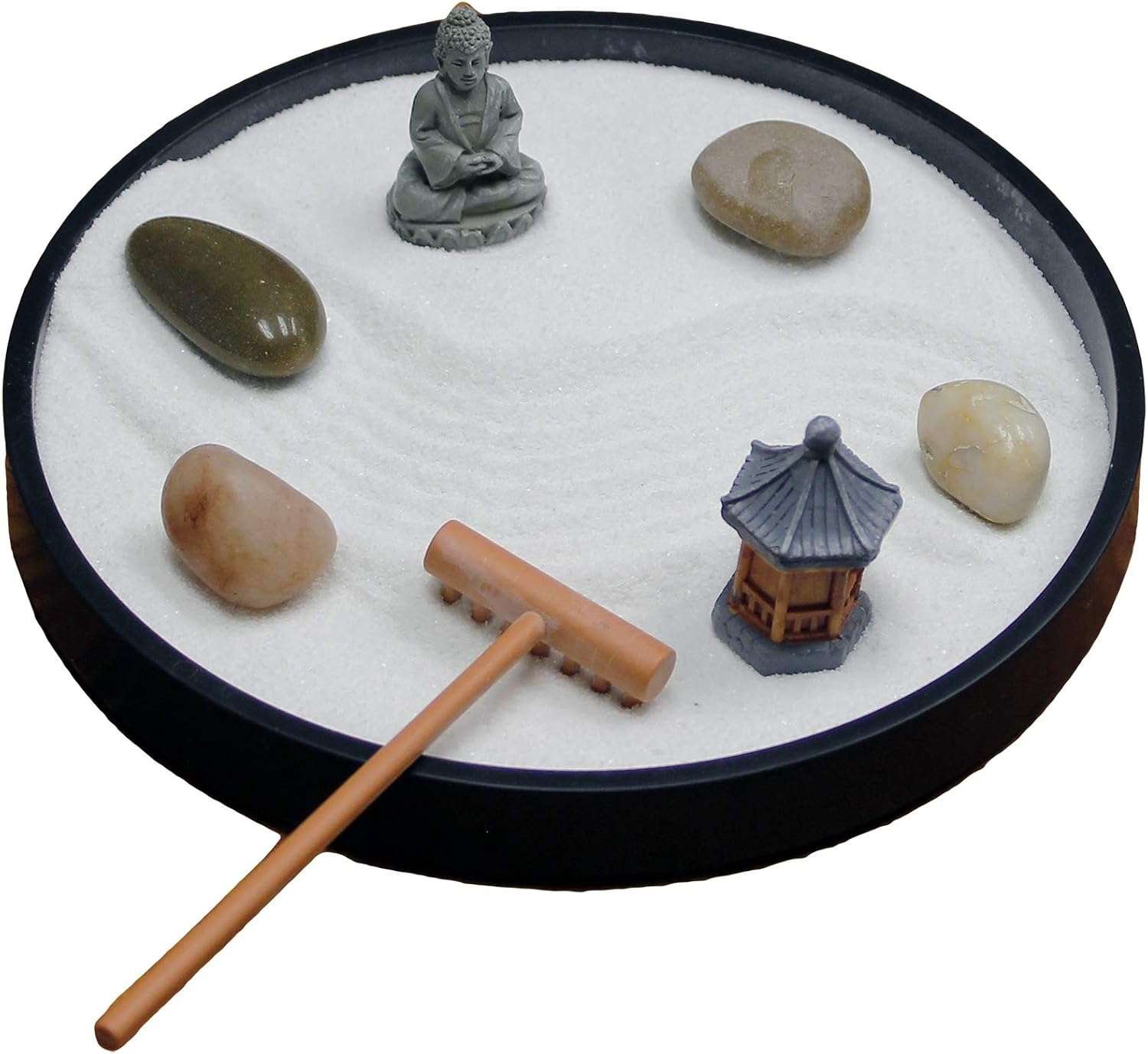
A miniature sand and river stone garden is one of the simplest indoor Zen garden ideas for beginners. The contrast between smooth gray stones and finely textured sand creates a beautiful little landscape that can sit on a desk, coffee table, or narrow console. Its understated appearance works especially well in modern and minimalist homes.
Choose a shallow wooden or ceramic tray with raised sides and fill it with a thin layer of fine decorative sand. Arrange three or five clean river stones in one section, leaving much of the sand uncovered. Use a small rake to draw gentle curved lines around the stones, creating the appearance of flowing water. Keep the palette simple with beige, white, and soft gray.
Budget tip: Reuse a shallow wooden tray if it has a secure base and suitable raised edges. Avoid loose sand where small children or pets could reach it.
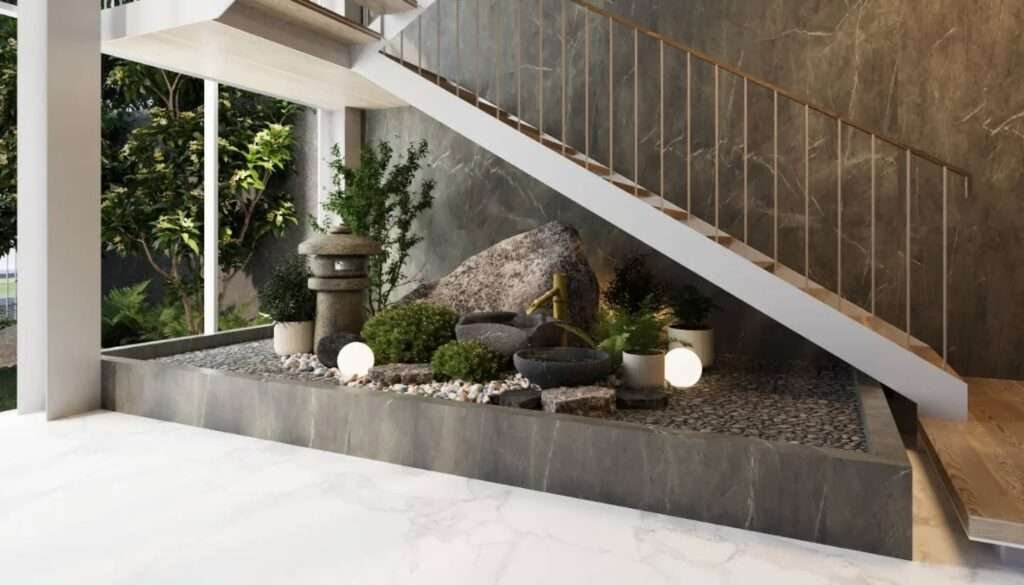
Image credit: @earthsoulorganics.org
Amazon Find: Miniature Zen Sand Garden Kits
Explore tabletop sand garden kits with small rakes, decorative stones, and shallow trays.
2. Design a Minimal Moss and Bonsai Tabletop Garden
A miniature moss and bonsai garden brings a little greenery into your home without taking up much floor space. The soft moss, miniature tree shape, and simple planter create a naturally calming display that looks beautiful on a sideboard, window table, or living room shelf.
Choose a small bonsai variety suited to indoor growing, such as an appropriately maintained ficus bonsai, and place it in its own properly draining container. Arrange a separate patch of suitable live moss in a moisture-controlled planter beside it, then use a few smooth stones to connect the composition visually. Select muted ceramic and wood finishes to keep the garden understated.
Plant care tip: Bonsai species have different light and watering needs, and not all bonsai trees thrive indoors. Moss also needs appropriate moisture and humidity. Keep live plants in containers that protect furniture and allow suitable drainage.
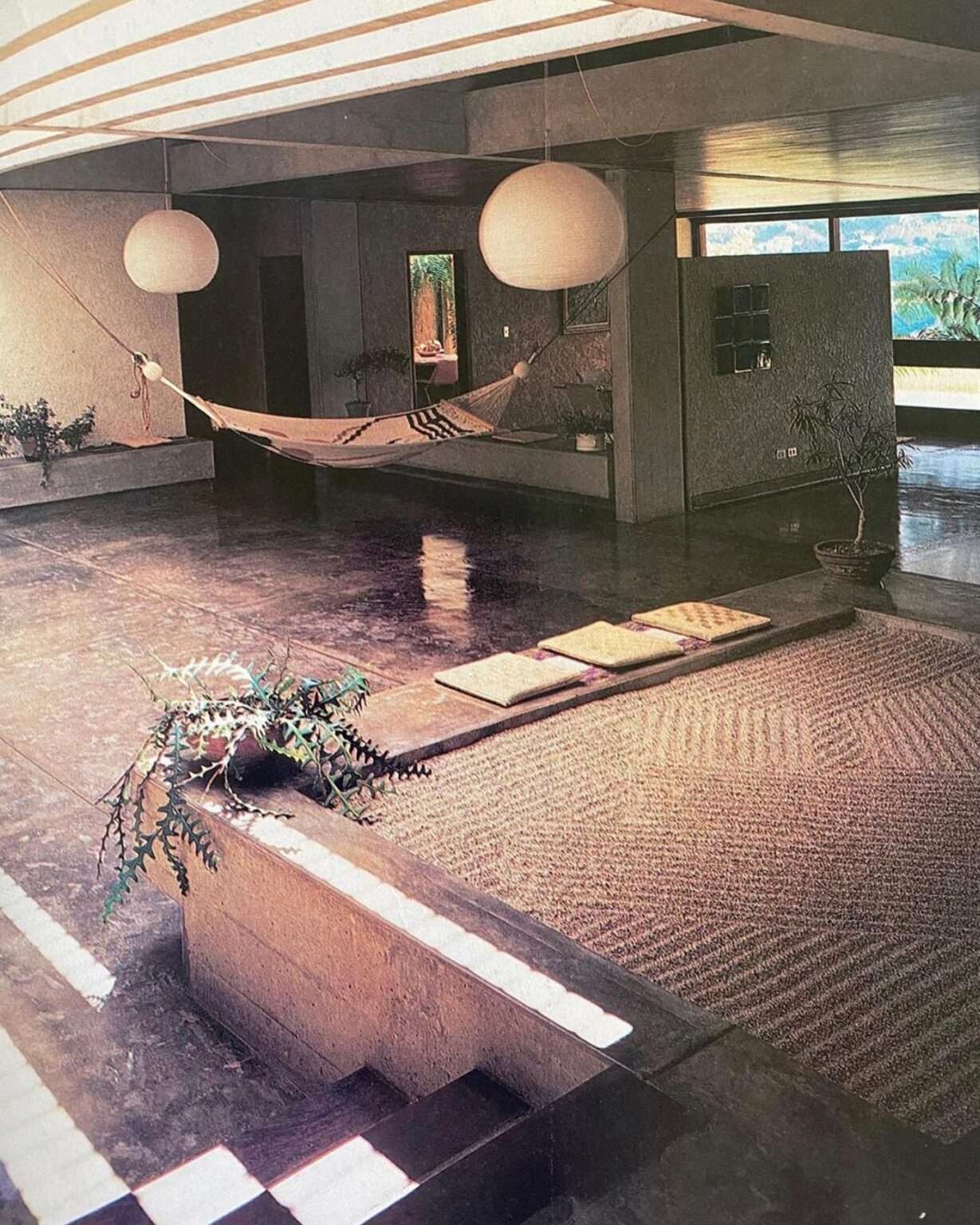
Image credit: @earthsoulorganics.org
3. Make a Peaceful Driftwood and Pebble Garden Tray
Driftwood introduces beautiful organic shapes to an indoor Zen garden. Each piece has natural curves and weathered texture, making the arrangement feel less formal than a perfectly symmetrical sand display. Paired with smooth pebbles, it creates an earthy tabletop garden that works beautifully in Japandi and rustic modern interiors.
Choose one small clean piece of driftwood and position it diagonally inside a shallow tray. Scatter a limited number of light gray or beige pebbles around its base, leaving empty areas to highlight the natural shape. Add a little fine gravel if you want extra texture. A matte ceramic tray or warm wooden container will keep the overall display simple and grounded.
Styling tip: Use properly cleaned, dry decorative driftwood and avoid collecting materials from protected natural areas. Keep the tray contained so small stones cannot spill onto the floor.
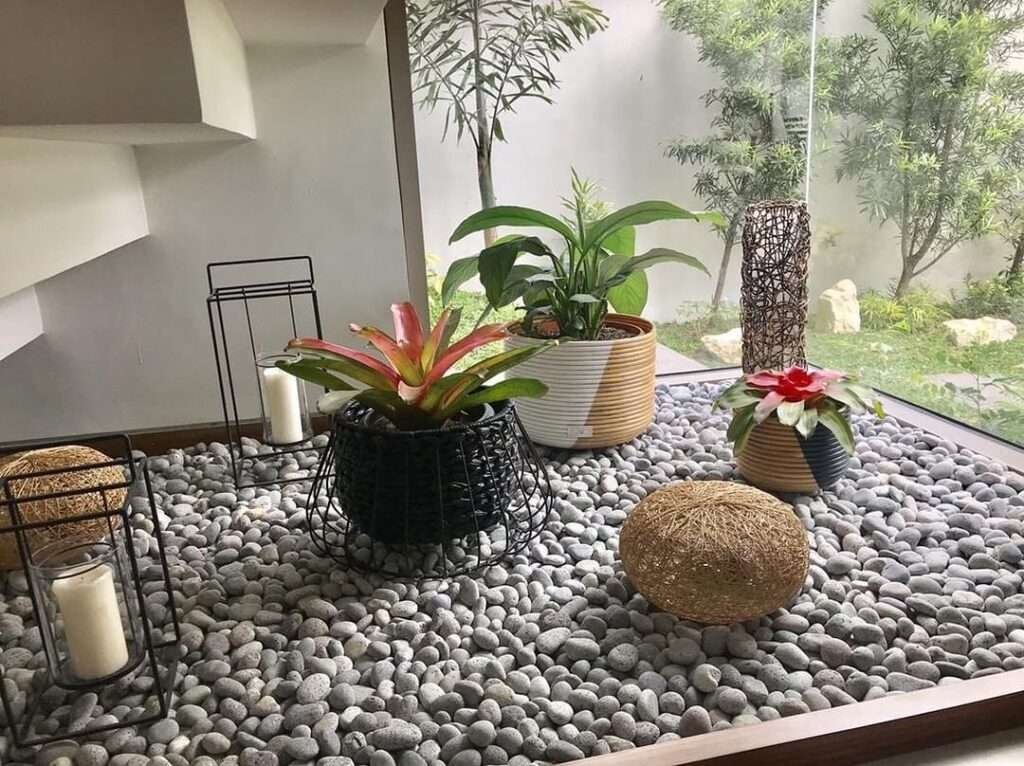
Image credit: @earthsoulorganics.org
4. Turn a Windowsill Into a Small Indoor Zen Garden
An empty windowsill can become a peaceful miniature garden without requiring additional furniture. Natural daylight highlights the textures of small stones, moss, and green leaves, making the arrangement feel especially fresh. This is a lovely solution for small apartments where floor space is limited.
Use a long, shallow tray that fits securely within the windowsill without overhanging. Arrange two small potted plants in simple ceramic containers and add a narrow section of decorative pebbles between them. Choose plants based on the window’s actual light exposure rather than assuming every plant prefers direct sunlight. Keep the arrangement low so it doesn’t block the view or interfere with opening the window.
Small-space tip: A succulent display may work on a very bright sill, while suitable foliage plants can be better for indirect light. Keep drainage water contained and maintain window access.
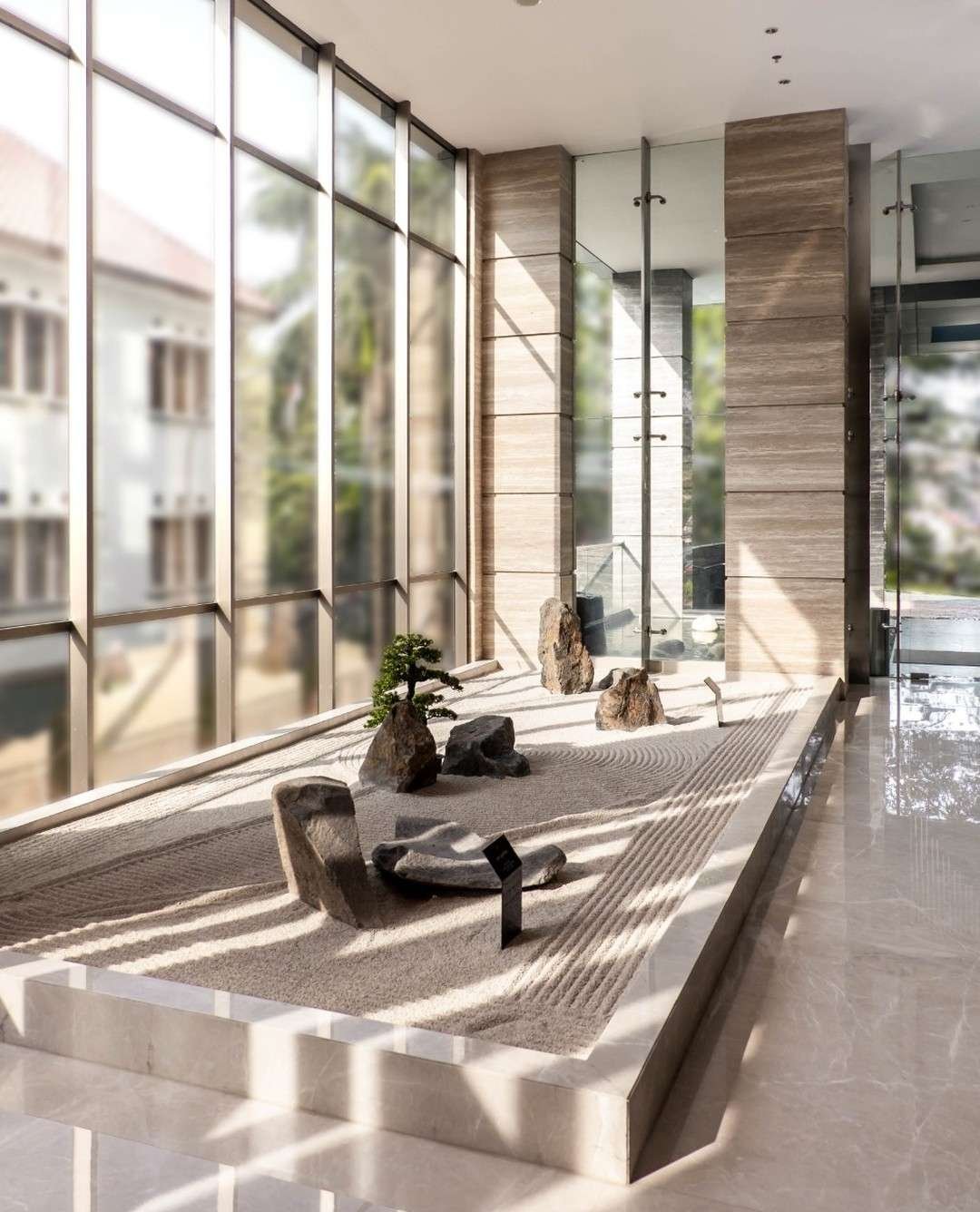
Image credit: @earthsoulorganics.org
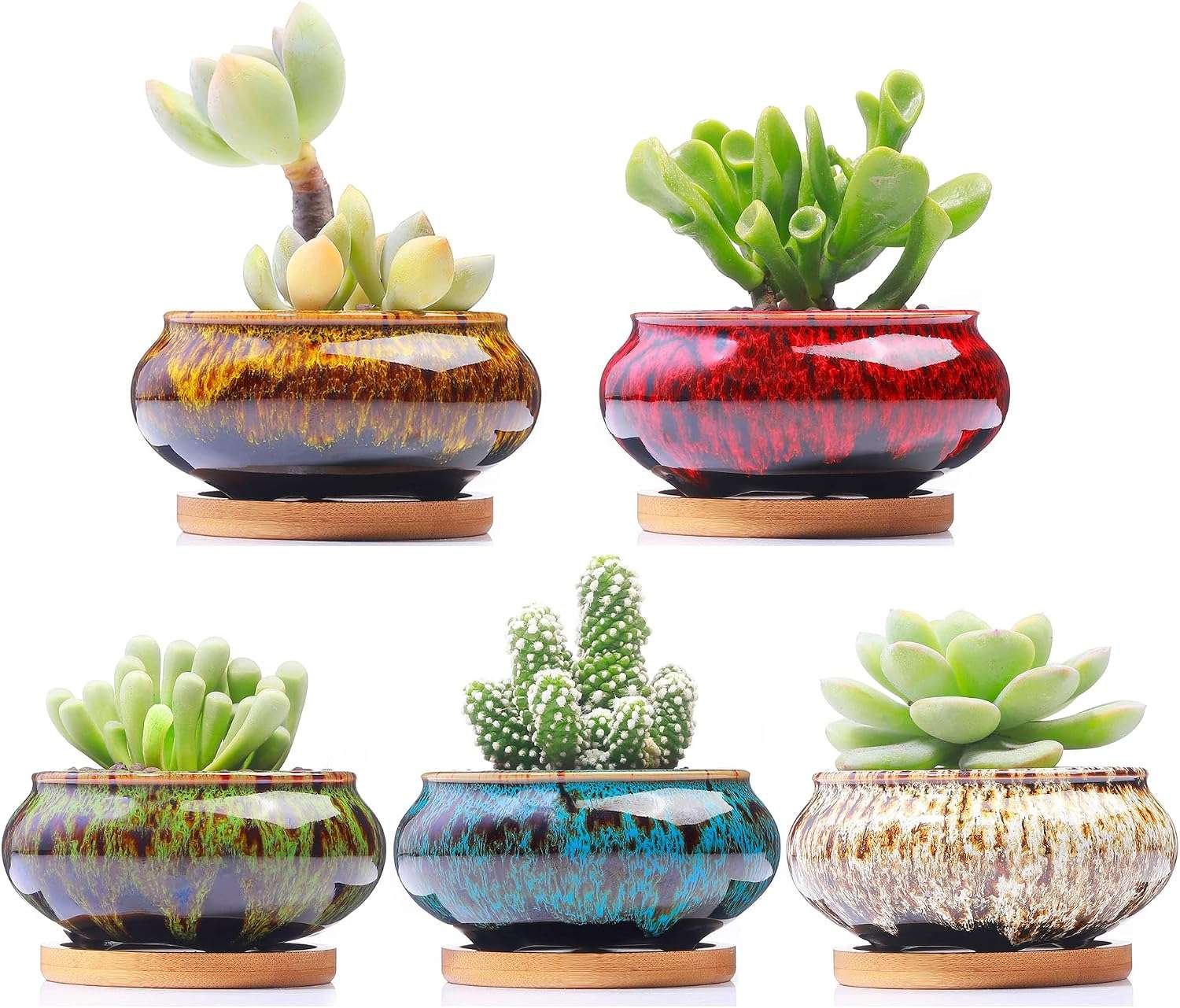
Amazon Find: Small Ceramic Plant Pots With Saucers
Minimal ceramic planters help create a neat indoor window garden while protecting the sill from water.
5. Set Up a Desktop Sand-Raking Meditation Garden
A desktop sand-raking garden can bring a small, relaxing ritual into your workspace. The act of creating curved lines, circles, and patterns in sand provides a simple activity you can enjoy during a quiet break. Its compact size also makes it easy to place beside a computer monitor without taking over the entire desk.
Choose a rectangular miniature garden tray and keep the design mostly open. Add two smooth stones toward one corner and leave the remaining sand ready for raking. Store a small wooden rake in a dedicated space beside the tray. Use natural beige or soft white sand rather than a mixture of bright colors. A wooden desk, cream lamp, and small plant nearby can complete the calm workspace atmosphere.
Practical tip: Position the garden away from laptop vents, fans, drinks, and paperwork. Choose a covered or enclosed tabletop garden if loose sand is likely to spill.
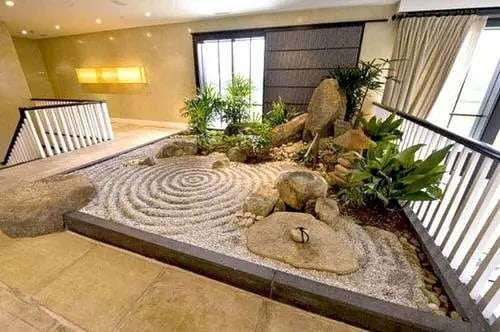
Image credit: @earthsoulorganics.org
6. Create an Intentional Stone and Sculpture Garden Corner
A stone and sculpture garden can turn an unused living room corner into a peaceful decorative feature. This style focuses on a small number of meaningful objects rather than large plant arrangements. The combination of natural stone and a simple sculpture creates a quiet focal point that suits traditional and contemporary homes.
Start with a low, stable wooden table or sturdy display platform. Place one simple stone sculpture or personally meaningful object in the center, then arrange a few smooth stones or a small potted plant beside it. Choose objects with restrained shapes and colors to maintain visual balance. Keep the surrounding wall simple and use a neutral mat or rug to define the corner if desired.
Decorating tip: You don’t need religious or symbolic items unless they’re meaningful to you. An abstract stone sculpture, natural wood carving, or simple ceramic object can create a similar aesthetic.
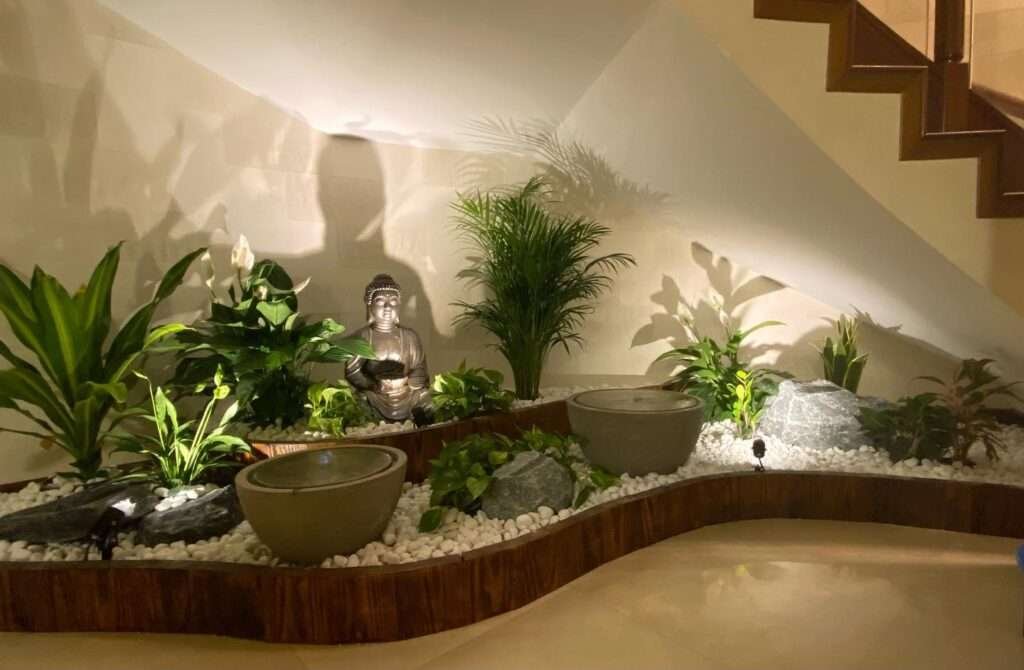
Image credit: @earthsoulorganics.org
7. Design a Minimalist White Sand and Black Stone Garden
A minimalist sand garden draws attention to the contrast between a few dark stones and a broad area of pale sand. Inspired by restraint and simplicity, this design is perfect for people who love uncluttered interiors. Even a small arrangement can look striking because the empty space becomes part of the composition.
Use a shallow rectangular black or natural wooden tray and fill it with fine white decorative sand. Place three charcoal or dark gray stones in a carefully spaced group, leaving most of the tray open. Rake simple parallel lines through the sand rather than creating a complex pattern across every inch. Keep the garden on an uncluttered shelf or coffee table so the clean design stands out.
Styling tip: Avoid adding figurines, brightly colored stones, or several plant varieties. Let the contrast of the materials provide the visual interest.
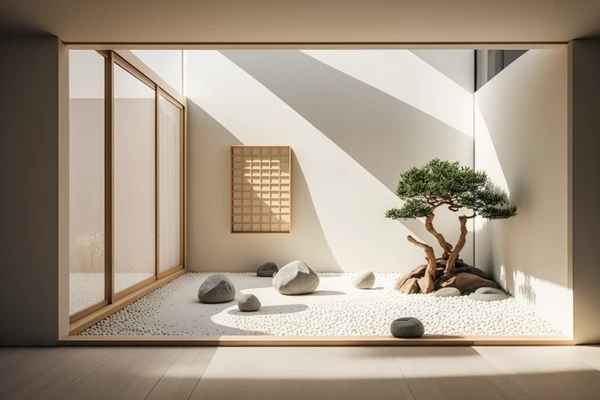
Image credit: @kansodesigns.co
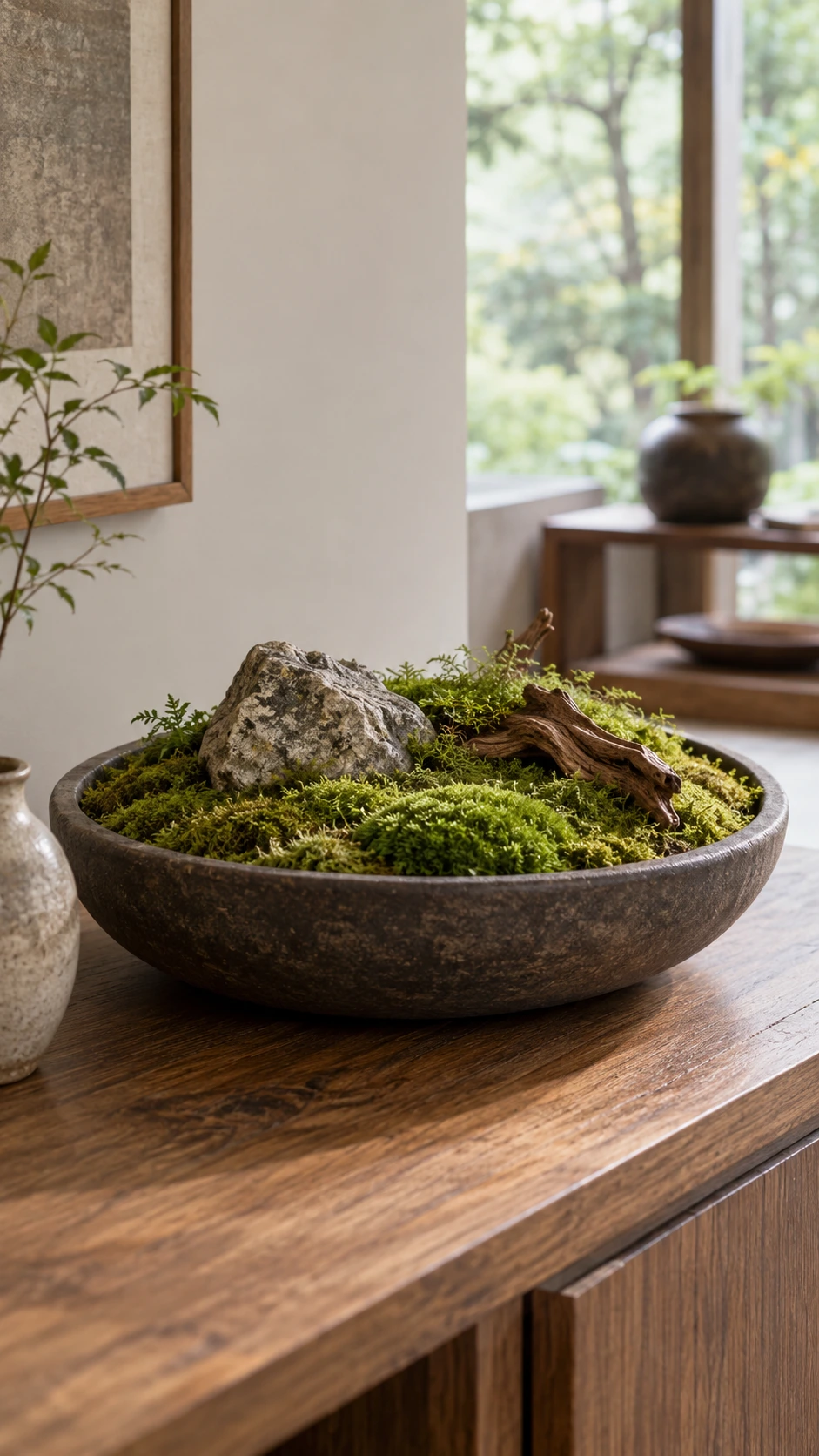
8. Arrange a Simple Moss Garden With Natural Materials
A moss-based garden feels soft, natural, and beautifully understated. The dense green texture of moss looks wonderful against weathered stone and simple ceramic containers, creating a small woodland-inspired scene. This idea is especially attractive for indoor plant lovers who enjoy gentle greenery instead of colorful flowers.
Choose a shallow moisture-resistant planter designed for live moss and place a suitable moss variety inside. Add one medium-sized stone and a small piece of clean natural wood, leaving enough open green surface to appreciate the moss texture. Keep the arrangement in a location that meets the chosen moss’s humidity and light needs. If live moss maintenance isn’t practical, use preserved moss strictly as a dry decorative element.
Plant care tip: Live moss and preserved moss are not interchangeable. Live moss needs appropriate moisture, while preserved moss generally should not be watered. Follow the supplier’s care directions.
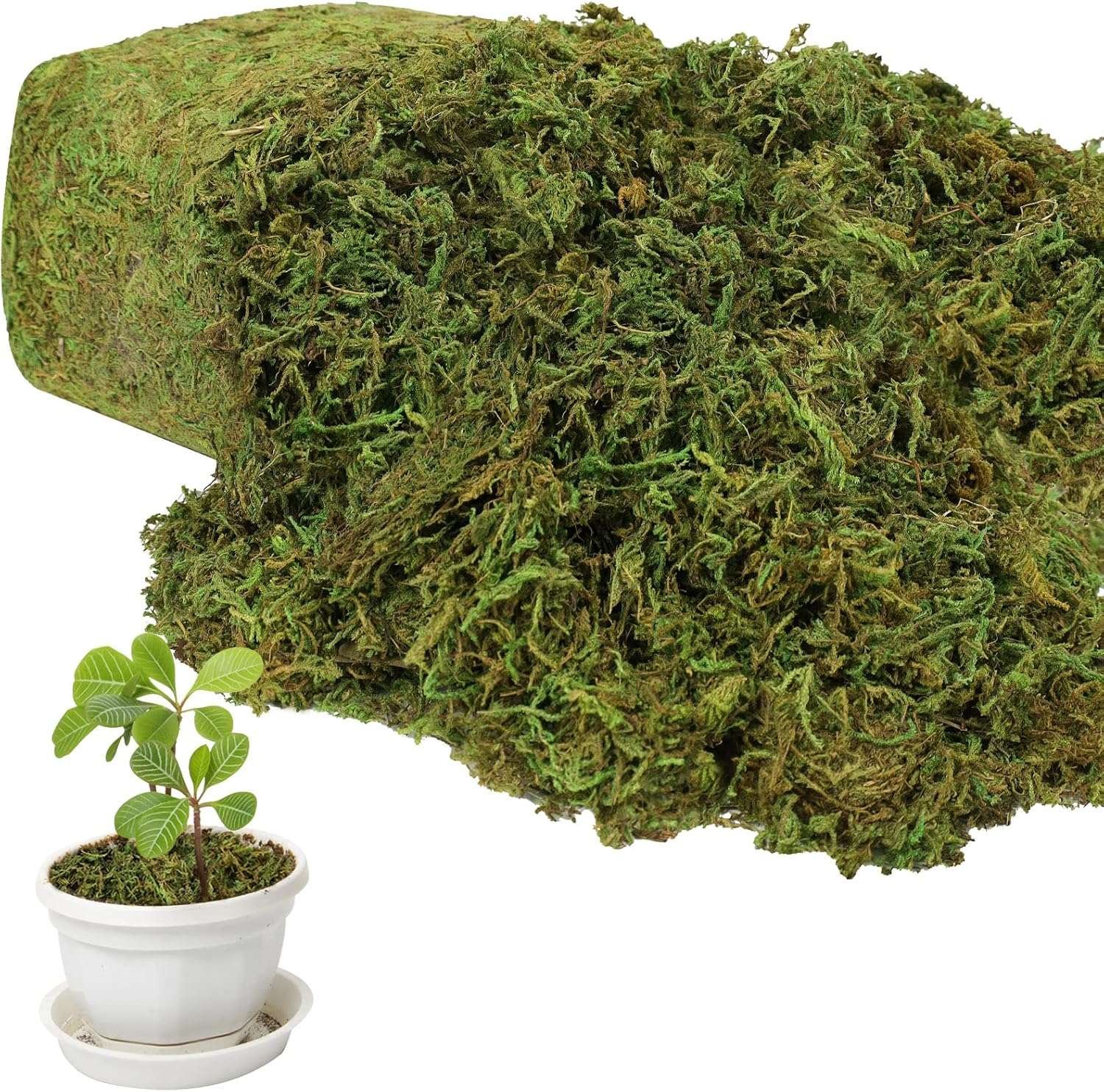
Amazon Find: Decorative Moss for Indoor Garden Displays
Explore preserved decorative moss and moss display materials for contained indoor garden arrangements.
9. Build an Asymmetrical Zen Garden With Rocks and Plants
An asymmetrical indoor garden feels natural because the main elements are intentionally arranged away from the center. Instead of creating matching groups on both sides, place stones, plants, and open space in a composition that feels balanced without being identical. The result can resemble a miniature natural landscape.
Choose a wide, shallow container and place a cluster of three stones toward one end. On the opposite side, introduce one small potted plant with a simple shape. Use fine gravel or sand to connect the two areas, leaving an open path through the center. Vary the stone heights slightly and keep the color palette natural with soft gray, green, and warm beige.
Design tip: Take a photograph of the arrangement from above before finishing it. This can help you see whether the different elements feel balanced without becoming too symmetrical.
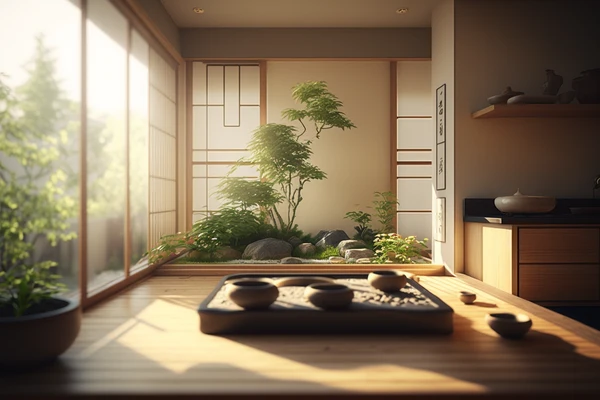
Image credit: @kansodesigns.co
10. Create a Layered Miniature Landscape With Depth
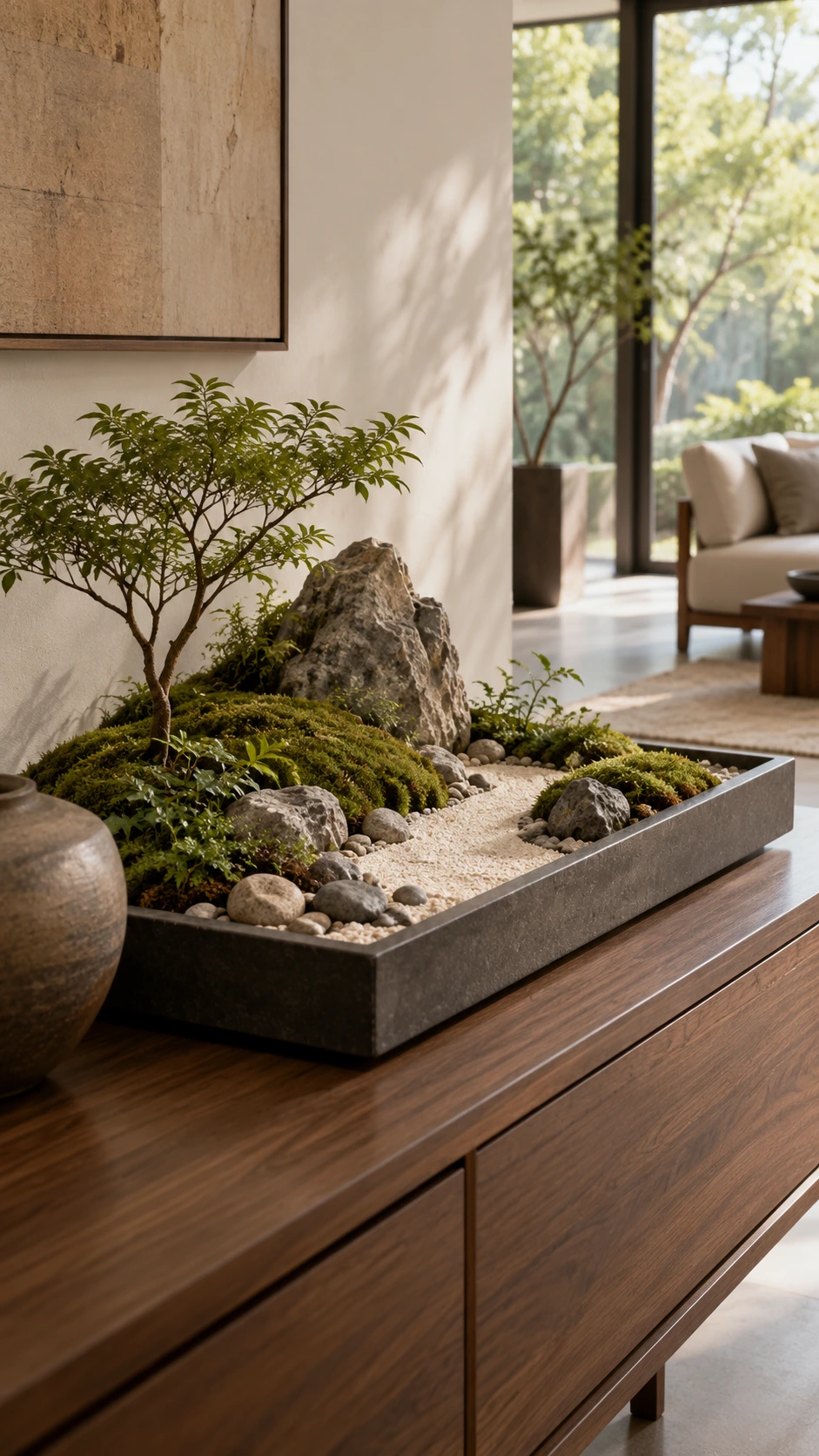
A layered miniature landscape is a beautiful way to give a small Zen garden more depth. By combining stones of different sizes, a subtle raised area, and carefully arranged gravel, you can create a scene that resembles hills, pathways, or a peaceful natural valley. This style works well on a large sideboard or low display table.
Use a deep enough tray to contain the materials and build a gentle raised section with stable landscape stones or a suitable planter insert. Place one larger rock toward the back and a few smaller pebbles near the front. Add a narrow curved path of pale sand or fine gravel to lead the eye through the arrangement. Keep the material colors restrained and avoid filling every section with plants.
Practical tip: Keep the heaviest materials directly over a stable, properly supported surface. Use a waterproof liner if living plants are included and prevent loose gravel from spilling.
11. Add a Unique Bonsai and Sculptural Stone Arrangement
A bonsai tree can become the beautiful centerpiece of a miniature garden, especially when paired with one striking stone formation. The tree adds organic shape and greenery, while the stone introduces a sense of permanence and texture. This combination can look particularly elegant in a Japandi-inspired home with natural wooden furniture.
Choose an indoor-suitable bonsai species and keep it in a correctly sized planter with appropriate drainage. Place the bonsai on one side of a low wooden display surface and a medium sculptural stone on the other. Add a small contained gravel tray between them if you want to visually connect the arrangement. Let the branching shape of the bonsai remain visible rather than surrounding it with extra ornaments.
Plant care tip: Ficus bonsai can be suitable for indoor conditions with proper care, while many traditional bonsai species require outdoor seasonal conditions. Choose the species based on its actual care needs, not appearance alone.
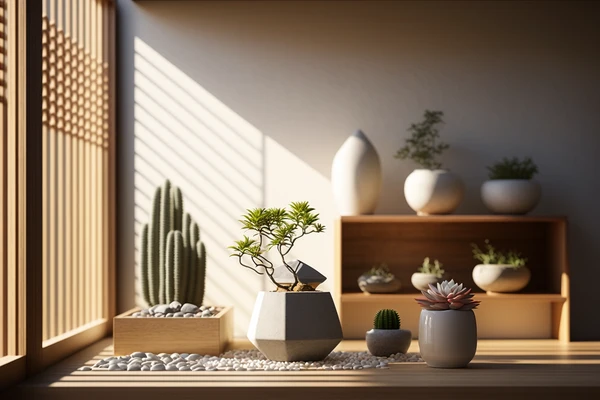
Image credit: @kansodesigns.co
12. Design a Still Zen Garden With Soft Ambient Lighting
Soft lighting can make a carefully arranged Zen garden feel especially peaceful in the evening. Instead of adding a fountain or other moving elements, this idea focuses on still stones, clean sand patterns, and gentle illumination. The display becomes a quiet decorative feature that suits bedrooms, reading corners, and calm living spaces.
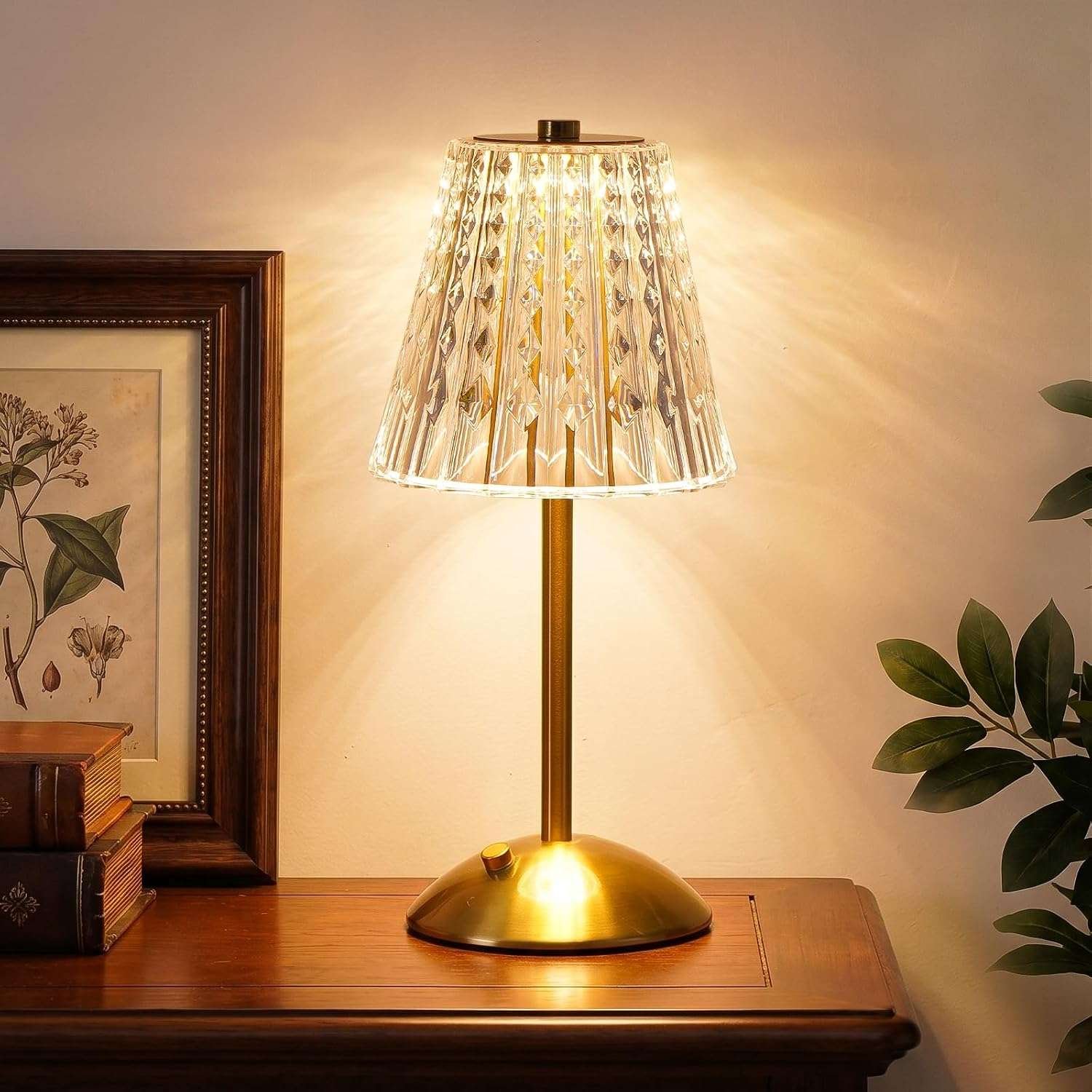
Place a shallow stone-and-sand garden on a stable low table and position an appropriate warm LED light nearby to illuminate the natural textures. Choose a simple paper-style lamp or a small rechargeable light with a soft glow. Keep the garden itself uncluttered with two or three stones and a few raked lines. Use warm white lighting rather than bright colored bulbs for a more understated appearance.
Safety tip: Use low-heat, properly rated lighting and keep electrical equipment separate from water, soil, and loose sand. Avoid open flames and unattended candles near dry decorative materials.
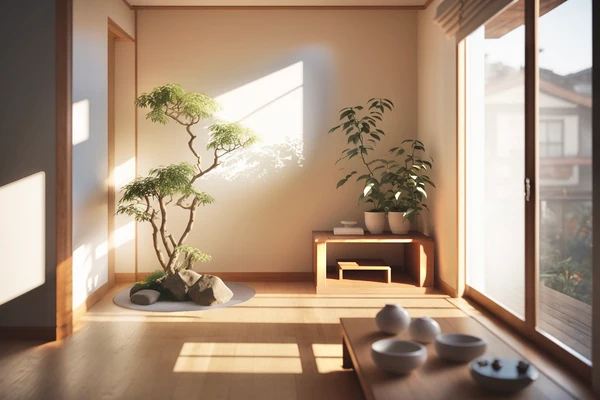
Image credit: @kansodesigns.co
Amazon Find: Warm Rechargeable LED Accent Lights
Soft rechargeable lighting can highlight a tabletop garden without introducing an open flame.
How to Make an Indoor Zen Garden on a Small Budget
Creating a small indoor Zen garden doesn’t require expensive decorative sets or specialized furniture. Many of the most attractive arrangements use just a few affordable materials placed thoughtfully in a simple container.
- Reuse a shallow tray: A wooden or ceramic serving tray can work if it securely contains the materials and is appropriate for the intended use.
- Choose a few smooth stones: Use clean, suitable decorative pebbles rather than buying a large assortment of unrelated rocks.
- Keep the sand simple: Fine neutral decorative sand creates a more understated appearance than several bright colors.
- Use one plant: A single healthy indoor plant often looks more beautiful than several small, crowded pots.
- Shop your home: A small ceramic bowl, a clean decorative stone, or an existing wooden object may be enough to complete the garden.
- Focus on empty space: Leaving part of the tray uncovered is free and makes the arrangement look more intentional.
Indoor Zen Garden Shopping Checklist
| Item | Best For | Amazon Search |
|---|---|---|
| Mini Zen Garden Tray | Desktop sand arrangements | Find trays |
| Fine White Decorative Sand | Minimal sand gardens | Find sand |
| Smooth River Stones | Stone arrangements and accents | Find stones |
| Mini Wooden Rakes | Sand-raking patterns | Find rakes |
| Small Bonsai Planter | Bonsai tabletop displays | Find planters |
| Decorative Moss | Dry green decorative landscapes | Find moss |
| Natural Driftwood | Rustic and organic garden trays | Find driftwood |
| Warm LED Accent Light | Evening garden displays | Find lighting |
Best Color Palettes for an Indoor Zen Garden
- White Sand + Charcoal Stone + Natural Wood: A timeless minimalist combination with beautiful visual contrast.
- Soft Green + Warm Beige + Gray: Perfect for moss gardens and simple plant arrangements.
- Ivory + Light Oak + Sage: Creates a gentle Japandi-inspired appearance on shelves and console tables.
- Black + White + Pale Stone: A dramatic but restrained palette for modern sand gardens.
- Terracotta + Olive + Sand: Introduces earthy warmth into a natural indoor garden.
- Walnut + Moss Green + River Gray: A cozy, woodland-inspired combination for driftwood and plant displays.
Color tip: Limit your garden to two or three main colors. A restrained palette helps the shapes and textures remain visible instead of competing for attention.
Common Indoor Zen Garden Mistakes to Avoid
Adding Too Many Decorations
An indoor Zen garden doesn’t need numerous statues, colorful crystals, plants, and decorative signs. Too many objects can make a small arrangement look busy. Choose a few meaningful natural elements and allow the empty areas to remain part of the design.
Using the Wrong Plants for Indoor Conditions
Different plants need different levels of sunlight, humidity, airflow, and watering. Some bonsai species and outdoor mosses are not suitable for ordinary indoor conditions. Choose plants that match your actual room environment and follow their specific care requirements.
Combining Sand and Wet Soil Without Separation
Loose sand, decorative stones, and living plants may need different maintenance. Keep live plants in separate draining containers or use a properly constructed waterproof landscape planter. This helps prevent moisture damage, mold, and messy material mixing.
Ignoring Children and Pet Safety
Small stones, loose sand, miniature accessories, and some plants can create choking, ingestion, or toxicity risks. Keep garden trays out of reach when necessary, avoid sharp decorative objects, and confirm plant safety for the animals living in your home.
Adding Too Much Lighting or Water
A Zen-inspired garden can look beautiful without flashing lights, fountains, or complicated equipment. If you add lighting, use suitable low-heat fixtures. If you choose a water feature, maintain it properly and keep electricity safely separated from water. A still garden is often the simplest low-maintenance option.
Frequently Asked Questions About Indoor Zen Gardens
What do you put in an indoor Zen garden?
Common materials include fine sand, smooth stones, gravel, driftwood, moss, and small plants. You can also use a miniature wooden rake to create patterns. The key is to select just a few elements and arrange them thoughtfully rather than filling every section.
Can I create a Zen garden in a small apartment?
Yes. A small sand tray on a desk, windowsill, or console table can work beautifully. You can also use one miniature bonsai or a shallow pebble planter if you prefer greenery. Choose a stable location and keep the design proportional to the available space.
What plants are good for an indoor Zen garden?
Indoor-suitable bonsai species, carefully selected ferns, and other compact houseplants can work depending on the room’s light and humidity. Ficus bonsai is one possible option in appropriate indoor conditions. Always research the specific plant rather than assuming all bonsai, bamboo, or moss varieties thrive indoors.
Do indoor Zen gardens need water?
Dry sand-and-stone gardens do not need watering. If your arrangement includes living plants or moss, those elements need moisture according to their species. Keep watering areas separate from dry decorative sand and protect nearby furniture from leaks.
How can I make an indoor Zen garden on a budget?
Start with a shallow tray, a small amount of decorative sand, and a few smooth stones. Use materials you already own when suitable, and avoid purchasing unnecessary figurines or extra accessories. A simple design with open space can be both affordable and visually beautiful.
Recommended Finds for Creating an Indoor Zen Garden
- Mini Desktop Zen Garden Kits: A convenient starting point with a tray, sand, stones, and a small rake.
- Smooth Decorative River Pebbles: Add natural shapes and texture to dry miniature landscapes.
- Minimal Ceramic Bonsai Pots: Create a simple, contained green display with proper drainage and suitable plant care.
Final Thoughts: Create a Peaceful Indoor Zen Garden You’ll Love
An indoor Zen garden doesn’t have to be complicated to feel beautiful. A few thoughtfully placed stones, gently raked sand, natural wood, or a small patch of greenery can turn an ordinary tray or quiet corner into a calm visual feature. The charm comes from simplicity, natural textures, and giving every element enough space.
Start with one of these 12 unique indoor Zen garden ideas that suits your home, available light, and budget. Whether you create a miniature sand garden for your desk, a moss arrangement beside a window, or a small bonsai display in your living room, focus on a design that’s easy to maintain and enjoyable to look at. With a little creativity, even the smallest corner can become a peaceful part of your everyday home.
