The family of bats includes a broad spectrum of genera and species, spread almost in every corner of the world. Each of them has its respective feeding habits, which comprise of majorly fruits, insects, and in some cases, birds. However, few bat species have deviated from their regular feeding habits, distinguishing them from the rest of the bat species. In today’s article, we are going to discuss another popular question regarding bats, “Do Bats eat Frogs?”
To answer the question, yes, bats do eat frogs. There are only one bat species that feed on frogs, the Physalaemus pustulosus or the Fringe-Lipped Bats. Later on, in this article, we have surfaced some significant points regarding the feeding habits of this bat species.
Do Bats Eat Frogs?
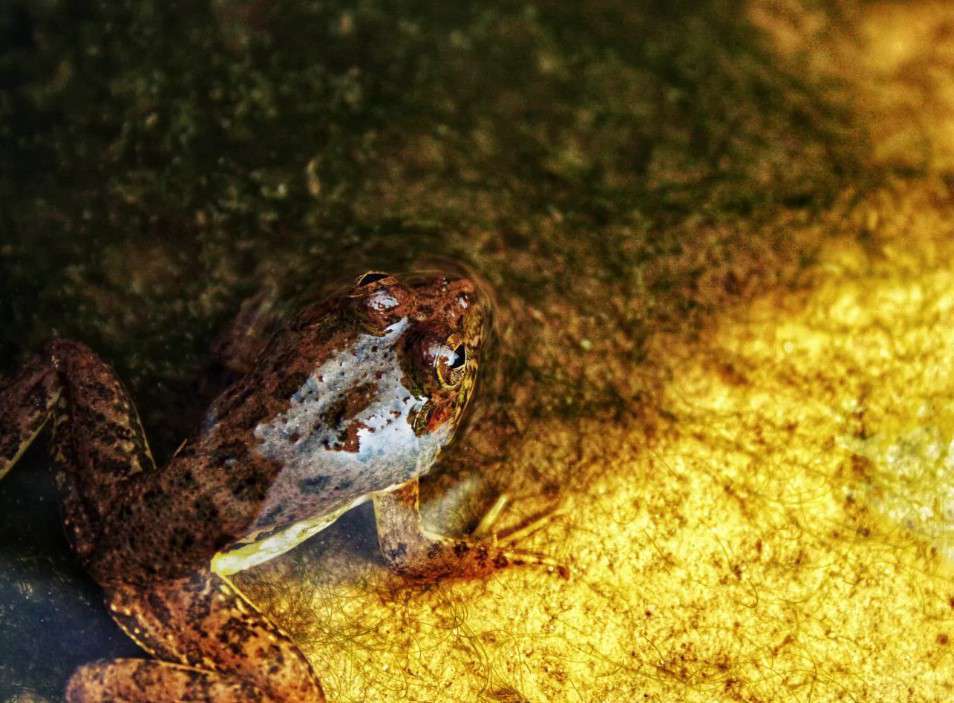
Indeed, Bats eat frogs but not all species. We all know frogs are not a part of bats’ diet, but a particular species, called the fringe-lipped bats, are known exclusively for their frog diet. The frogs they feed on are the Tungara frogs.
The fringe-lipped bats get their name from the presence of several bumps on their lips and even on the muzzle. These bumps give the bats one of the essential adaptations for their frog diet, toxin-neutralizing substances.
The primary function of these secretions is to neutralize the toxins secreted by the venomous frogs’ skin. The bat’s call is comparable to the Jamaican fruit bat’s non-predatory sound (Artibeus jamaicensis).
The species-specific sounds of the fringe-lipped bat may distinguish between deadly and non-poisonous frogs. Additionally, it is thought that the bat may see chemicals in the frog’s skin thanks to fleshy tubercules on its chin.
Fringe-lipped bats possess large ears, which significantly help them hear the male frogs’ calls and then pinpoint the location with utmost accuracy. Their fur is wooly, with a coarse brown texture. These bats are brilliant animals and can even distinguish between poisonous and non-poisonous frog species just by their vocalizations.
How Do Bats eat frogs?
To hunt, bats need to fly continuously over ridges and ponds, as those are the ideal frog habitats. Using echolocation and listening to mating calls, Fringe-lipped bats spot their prey.