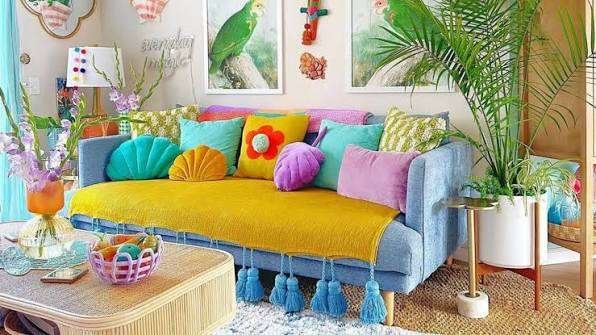
A cozy living room doesn’t have to be decorated entirely in beige, gray, or white. Some of the most welcoming spaces combine cheerful colors, soft textures, beautiful patterns, and comfortable furniture that reflects the people who live there. From vibrant accent walls and colorful sofas to layered rugs and eclectic artwork, there are countless ways to make your living room feel warm, creative, and full of personality.
These 16 cozy and colorful living room ideas show you how to decorate with confidence while keeping your space comfortable and practical. You’ll discover creative paint combinations, colorful furniture arrangements, statement wallpapers, inviting reading corners, and budget-friendly styling tricks for both small apartments and larger family rooms. Each idea includes simple ways to recreate the look without making your home feel cluttered or overwhelming.
More living room decorating inspiration:
- 16 Stunning Decor Above Couch Ideas – Creative gallery walls, colorful botanical prints, picture ledges, and statement art.
- 14 Modern Neutral Living Room Ideas to Transform Small Spaces – Learn how to balance colorful accents with a comfortable neutral foundation.
- 14 Afro Bohemian Style Decor Ideas for Your Home – Discover expressive colors, handcrafted pieces, and beautifully layered textiles.
- 14 Earthy Room Decor Ideas for a Natural Oasis – Explore terracotta, olive green, warm wood, and natural textures.
- 16 Picture Ledge Layout Ideas You’ll Love – Flexible ways to display colorful artwork, photographs, and personal collections.
How to Make a Colorful Living Room Feel Cozy, Not Chaotic
The secret to a beautiful colorful living room is balance. You don’t need every wall, sofa, and accessory to compete for attention. Begin with a few shades you genuinely enjoy and repeat them in different parts of the room. A mustard yellow pillow might connect to a small detail in the rug, while an olive green chair can echo the greenery in a painting.
Texture is just as important as color. A bright blue sofa feels more inviting with a soft knit blanket, a woven rug, and a warm wooden coffee table. Add gentle lighting and a few personal objects to create a space that feels lived in rather than arranged only for photographs.
The Cozy Colorful Living Room Formula
One Main Color + Two Supporting Colors + A Warm Neutral Base + Layered Textures + Soft Lighting + Personal Decor = A Comfortable, Creative Living Room
A useful starting approach is to give your dominant color the largest visual presence, introduce supporting colors through furniture or textiles, and use small accents for contrast. The often-mentioned 60-30-10 decorating rule can help you get started, but it isn’t a strict requirement. A room with carefully repeated colors can feel harmonious even when the proportions are less exact.
Best Color Palettes for Cozy Living Rooms
| Color Palette | Overall Feeling | Best Styling Elements |
|---|---|---|
| Terracotta + Sage + Cream | Warm and earthy | Clay pottery, linen, wood, plants |
| Mustard + Teal + Rust | Playful and eclectic | Velvet pillows, vintage rugs, artwork |
| Dusty Pink + Burgundy + Walnut | Romantic and cozy | Upholstered chairs, brass lamps, wood furniture |
| Cobalt Blue + Burnt Orange + Ivory | Bold and artistic | Abstract paintings, statement sofa, patterned rug |
| Olive Green + Ochre + Brown | Natural and inviting | Leather, textured throws, woven baskets |
| Lavender + Plum + Warm White | Soft and expressive | Lilac cushions, floral prints, rounded furniture |
| Navy + Blush + Oak | Calm and sophisticated | Blue sofa, pale rug, light wood tables |
16 Cozy and Colorful Living Room Ideas to Try
1. Build a Living Room Palette Around Colors You Genuinely Love
A colorful room feels more personal when its palette comes from something you actually love rather than a passing trend. Start with a favorite painting, fabric, vintage rug, or even a decorative ceramic piece. Look for two or three colors within that object and use them as the starting point for your living room. For example, a botanical painting with rose pink, olive green, and muted yellow could inspire the sofa cushions, accent chair, and wall accessories.
Keep major furniture neutral if you prefer flexibility, or choose one colorful statement piece if you’re confident in your palette. Repeat the main shades in different textures, such as velvet, linen, wood finishes, and artwork. Add warm lighting to soften the overall appearance and help the room feel relaxed in the evening.
Styling tip: Collect fabric swatches and paint samples before buying larger pieces. View them together in your actual room during morning and evening light so you can judge how the colors interact.

Image credit: @homesandgardens.com
2. Try a Playful Two-Tone Painted Living Room Wall
Two-tone walls are a creative way to introduce color without painting the entire room one saturated shade. A deeper color on the lower part of a wall can make a large living room feel more intimate, while a lighter shade above helps maintain a bright, open appearance. Try muted terracotta with dusty pink, olive green with cream, or burgundy with a warm neutral for a cozy effect.
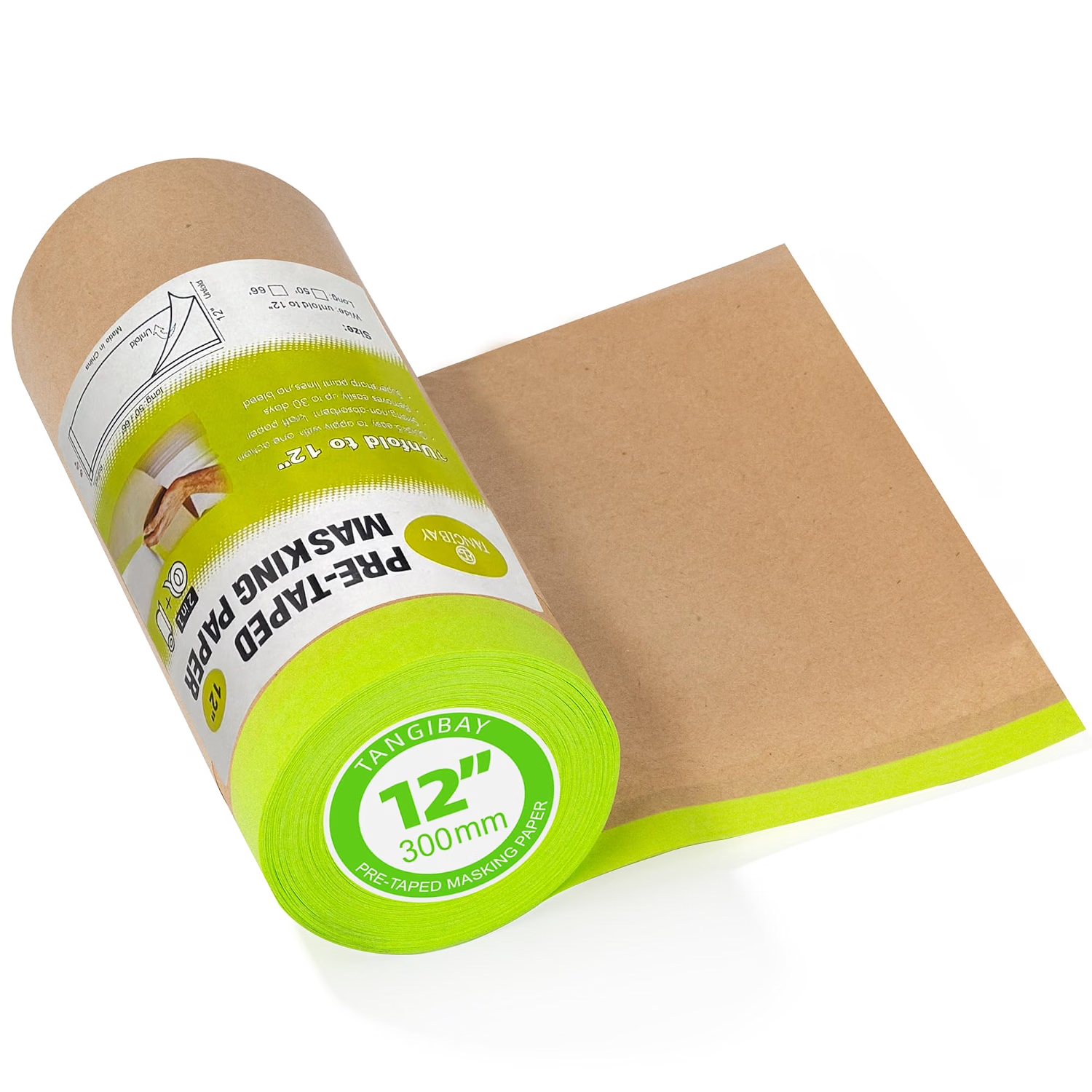
Mark the dividing line with painter’s tape and use a level to keep the transition straight. You can align the line with existing trim or choose a height that works with the furniture. Keep the artwork and accessories relatively simple if the paint combination already makes a strong statement. A warm wood console and textured rug can help the contrasting shades feel connected.
Budget tip: Start with one accent wall before painting the whole room. Test the paint colors together and use products appropriate for your wall surface.

Image credit: @homesandgardens.com
Amazon Find: Interior Painting and Color-Blocking Supplies
Painter’s tape, roller covers, trays, and precision brushes can help you create clean two-tone walls and small painted accents. Choose supplies compatible with your wall and paint finish.
3. Combine Rich Colors with Softer, Earthy Undertones
Bright colors can be exciting, but slightly softened versions often feel more restful in a room used every day. Instead of combining several highly saturated shades, try earthy green, dusty rose, ochre, and muted blue. These colors provide personality while working naturally with wooden furniture, woven fabrics, and other cozy materials.
Imagine a sage green sofa against warm cream walls with mustard cushions, a terracotta throw, and an antique wood side table. Each item adds a different shade, but the slightly muted tones make the grouping feel harmonious. Introduce a small amount of deeper color, such as burgundy or dark brown, through a picture frame or lamp base for useful contrast.
Styling tip: Compare paint and fabric samples under the lighting conditions in your room. Colors that appear calm in a store can look much brighter beside a sunny window.
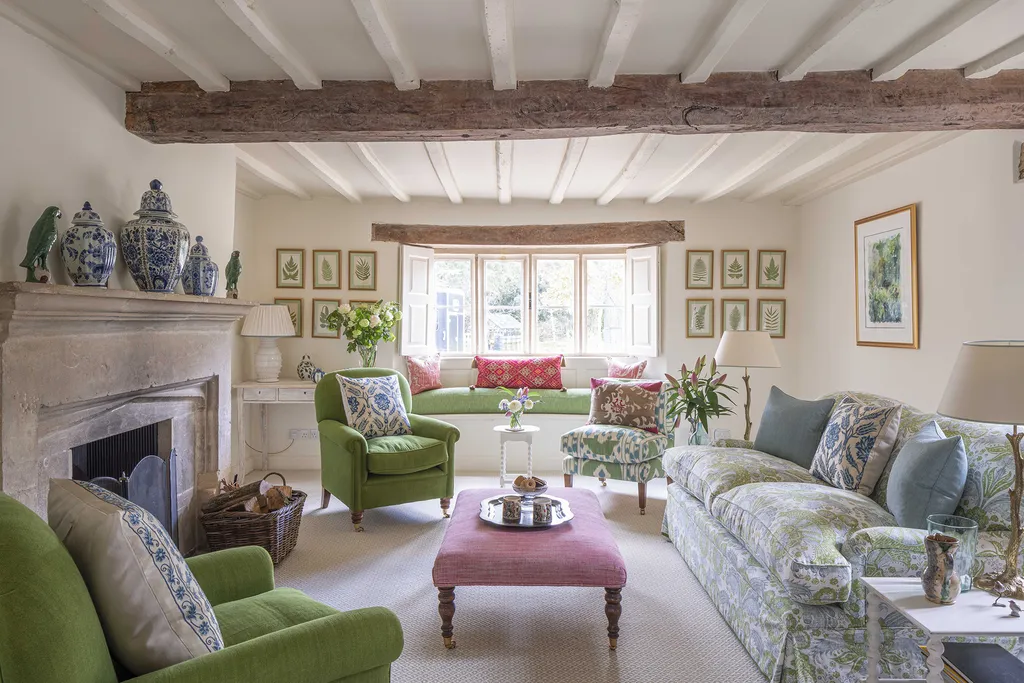
Image credit: @homesandgardens.com
4. Brighten a Neutral Sofa with Colorful Pillows and Throws
If you already own a beige, cream, white, or gray sofa, you don’t need to replace it to create a colorful living room. A thoughtful collection of cushions and throws can make an ordinary seating area feel cheerful and inviting. Combine two or three accent colors and vary the patterns, materials, and pillow sizes to create visual depth.
For a warm contemporary look, pair an ivory sofa with rust-colored velvet pillows, an olive green lumbar cushion, and a mustard knit throw. If your sofa is charcoal gray, try lavender, coral, or teal accents to brighten the darker upholstery. Place the larger pillows at the ends of the sofa and add smaller pieces toward the center, leaving plenty of usable seating space.
Budget tip: Buy removable pillow covers instead of replacing every cushion insert. You can refresh the palette seasonally while reusing what you already own.

Image credit: @homesandgardens.com
Amazon Find: Colorful Textured Throw Pillow Covers
Textured pillow covers in rust, mustard, green, and other accent colors can refresh a neutral sofa without replacing larger furniture.

5. Make a Bold Statement with Contrasting Furniture Colors
Contrasting furniture colors can give a living room a creative, collected appearance. A cobalt blue sofa paired with a burnt orange chair feels striking, while a forest green couch beside a dusty pink ottoman offers a softer contrast. The trick is to let one piece dominate and use the second color as a supporting accent rather than giving every item equal visual weight.
Start with a sofa you love and add one contrasting chair, footstool, or side table. Connect the colors through a patterned rug or a piece of artwork that includes both shades. Keep the walls and larger storage pieces relatively calm, especially if the furniture is already brightly colored. Soft blankets, a wooden coffee table, and warm lamps help prevent the bold contrast from feeling harsh.
Styling tip: Test the combination with pillows or fabric swatches before buying a statement chair. Make sure the furniture fits the space and preserves comfortable walkways.

Image credit: @homesandgardens.com
6. Use a Patterned Rug as the Starting Point for Your Color Palette
A colorful rug can bring together several shades while making the living room feel more comfortable underfoot. Vintage-inspired Persian patterns, painterly florals, and modern geometric designs are particularly useful because they already combine multiple colors in a balanced way. Instead of trying to coordinate furniture from scratch, let the rug guide the accent colors around the room.
Choose a rug that fits the seating arrangement rather than one that sits like a small island beneath the coffee table. When possible, let at least the front legs of the main sofa and chairs rest on it. Pull one or two shades from the rug for cushions and artwork, and repeat a quieter tone in the curtains or a throw. A rug pad can improve stability and comfort where appropriate.
Decorating tip: If the rug has a busy pattern, choose simpler upholstery. The contrast between a detailed rug and calmer furniture keeps the room from feeling visually overcrowded.
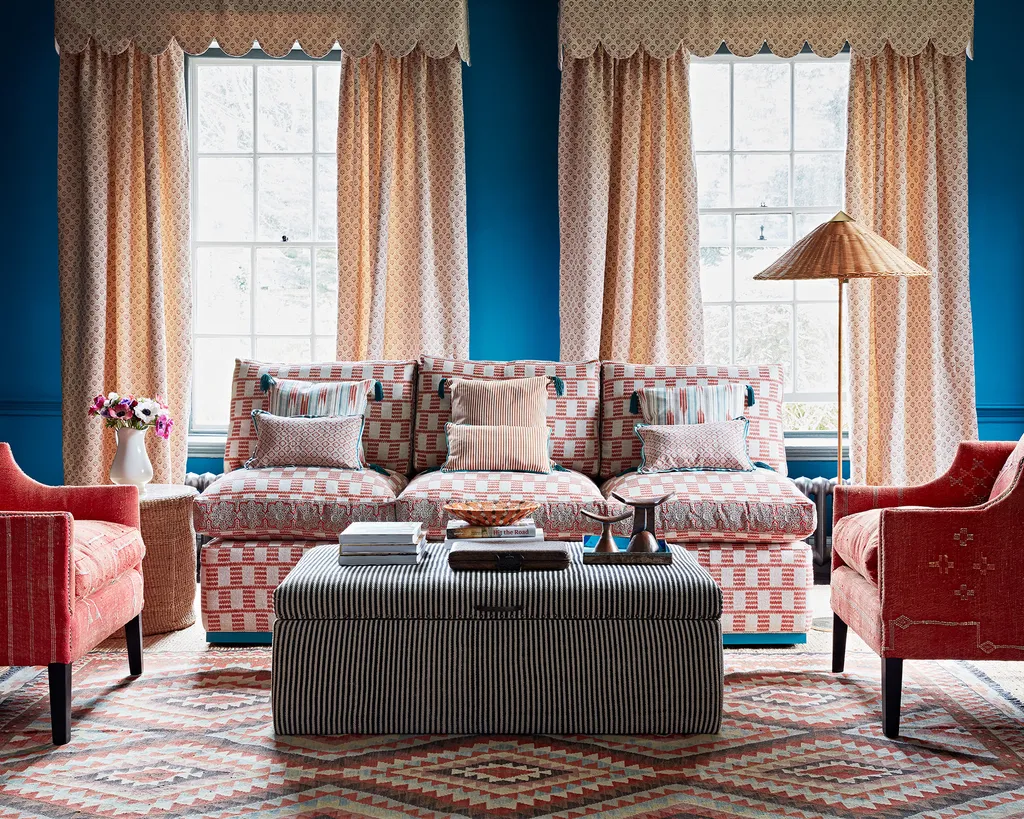
Image credit: @homesandgardens.com
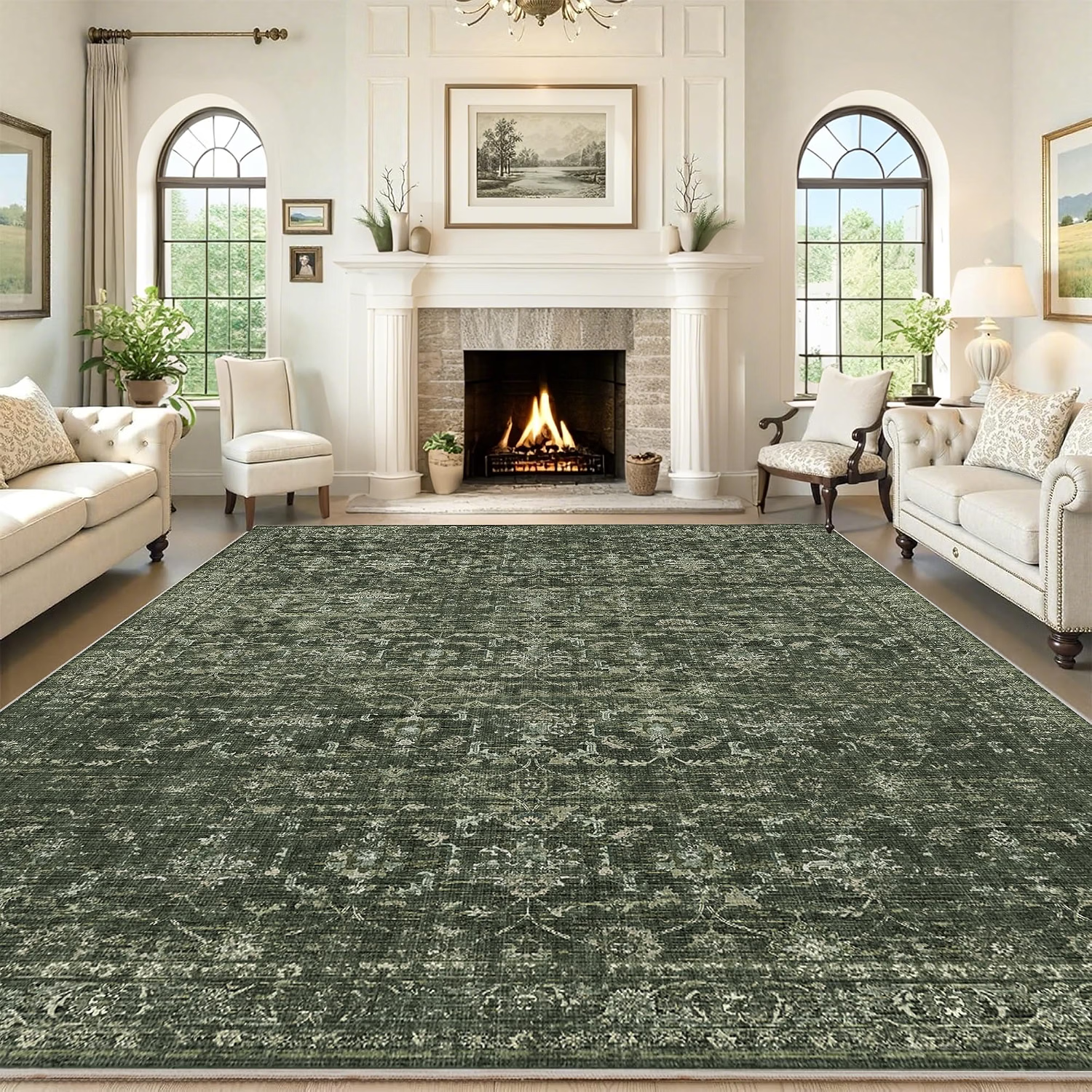
Amazon Find: Colorful Vintage-Inspired Living Room Rugs
Multicolored vintage-style rugs can connect your sofa, chairs, artwork, and accessories. Measure the seating area and compare material, pile height, and care instructions.
7. Add Warmth with Beautiful Colorful Wallpaper
Colorful wallpaper can make a living room feel expressive without needing brightly colored furniture everywhere. Botanical designs, delicate florals, cheerful geometric patterns, and vintage-inspired prints bring movement and personality to an otherwise simple room. A wallpaper with several coordinated shades can also become the foundation for your entire decorating palette.
Consider applying wallpaper to the wall behind your sofa, around a reading corner, or within existing wall molding. Pair a floral pattern containing mustard, dusty pink, and sage with a simple cream sofa and one colorful armchair. Repeat a few small wallpaper colors in cushions, vases, and artwork so the pattern feels connected to the furniture.
Renter-friendly tip: Removable wallpaper may be an option, but check the manufacturer’s wall-surface requirements and test a hidden area. Removal can still affect some painted surfaces.

Image credit: @homesandgardens.com
8. Mix Cheerful Furniture, Vintage Finds, and Sculptural Pieces
A collected living room can feel incredibly inviting when colorful furniture is mixed with vintage finds and interesting shapes. You might pair a green upholstered sofa with a curved pink chair, a walnut coffee table, and a ceramic lamp in an unexpected shade. The pieces don’t need to belong to the same furniture collection, but they should share a few repeated colors or materials.
Begin with your largest furniture item, then introduce contrasting shapes through a rounded side table, a sculptural lamp, or a vintage cabinet. Add artwork that relates to the furniture colors and use a rug to define the seating arrangement. Mixing modern and traditional pieces creates a more individual look than buying everything from one matching set.
Budget tip: Browse local secondhand shops for small tables, frames, and ceramic accessories. Check the condition and stability of used furniture before bringing it home.

Image credit: @homesandgardens.com
9. Create Colorful Zones in an Open-Plan Living Room
An open-plan living room can feel less cozy when the seating, dining, and working areas blend into one large space. Use color and furniture placement to define distinct zones while keeping the overall palette connected. A colorful sofa or patterned rug can establish the lounge area, while a complementary shade in the dining chairs ties the adjoining spaces together.
Position the sofa to create a gentle boundary between the living and dining areas without blocking the main walkway. Place a generous rug beneath the seating group and use a floor lamp or side table to establish a comfortable corner. Repeat one accent color in the adjoining zone, such as terracotta cushions in the living room and a terracotta vase on the dining table.
Layout tip: Keep clear paths between doors, seating, and adjacent rooms. Test furniture positions before purchasing new rugs or storage pieces.

Image credit: @planner5d.com
10. Make a Small Living Room Feel Bright with Clever Colorful Accents
Small living rooms can absolutely handle color. The key is choosing pieces that add personality without overwhelming the available floor space. A colorful accent chair, a vibrant painting, or a few patterned cushions can create an interesting focal point while keeping the larger furniture visually calm. Light walls and appropriately sized furniture can help the room maintain an open feeling.
Choose a compact sofa with comfortable proportions and add color through a small rug, an upholstered ottoman, or a gallery of framed artwork. Wall-mounted shelves can provide storage without occupying the floor. Use a narrow side table instead of an oversized coffee table when necessary, and keep window treatments arranged so they don’t unnecessarily block daylight.
Small-space tip: Choose one main colorful feature rather than placing several large statement pieces close together. Leave space around furniture so the room remains easy to use.

Image credit: @planner5d.com
11. Refresh Secondhand Furniture with Creative Paint Finishes
Painting a secondhand cabinet, bookshelf, or side table is a budget-friendly way to introduce an unusual color into your living room. A vintage cabinet in muted coral, deep teal, or mustard yellow can become an expressive focal point while helping you reuse existing furniture. Decorative painted details, such as small geometric shapes or delicate floral motifs, add even more personality.
Choose a piece that is structurally sound and suitable for refinishing. Clean and prepare the surface according to the coating manufacturer’s instructions, then apply an appropriate primer and furniture paint where needed. For a beginner-friendly result, paint the entire cabinet one color and replace the hardware. More confident DIY decorators can add simple stenciled details after the base coat has cured.
DIY tip: Be cautious with older painted furniture, which may contain lead-based coatings. Use appropriate safety procedures and professional advice when needed. Secure tall storage furniture against tipping.

Image credit: @planner5d.com
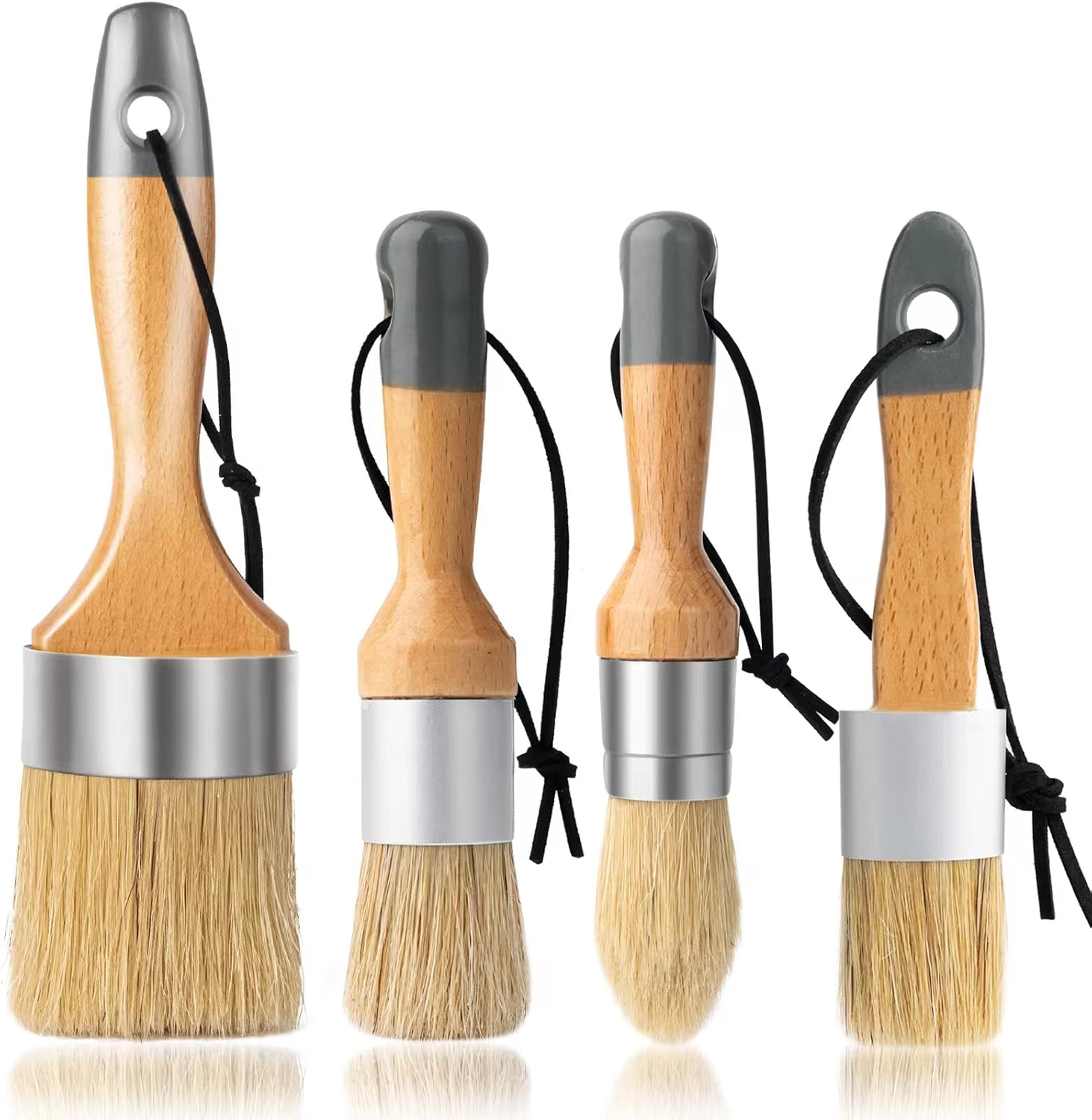
Amazon Find: Furniture Painting and Stenciling Supplies
Craft stencils, suitable brushes, and refinishing accessories can help personalize a secondhand side table, cabinet, or bookshelf.
12. Style a Colorful Sectional with Cozy Layered Textiles
A colorful sectional can make a family living room feel both comfortable and distinctive. Deep green, muted blue, cinnamon, and warm terracotta upholstery offer more personality than a standard neutral sofa while remaining practical for everyday lounging. The larger surface of a sectional allows its color to become the dominant element of the room.
Balance the sectional with a light or subtly patterned rug, natural wood furniture, and comfortable cushions. For a forest green sofa, try ivory knitted pillows, a mustard throw, and a patterned lumbar cushion that includes both colors. Place a floor lamp near one end and keep a basket for extra blankets nearby. The textiles add softness without covering the upholstery entirely.
Practical tip: Measure the sectional carefully before buying. Make sure there is enough room to walk around it and that its depth doesn’t block doors, windows, or other furniture.

Image credit: @planner5d.com
13. Turn the Fireplace into a Warm and Colorful Focal Point
A fireplace naturally draws attention, making it a beautiful place to introduce color into a cozy living room. If your mantel or fireplace surround is suitable for refinishing, a rich painted finish can create a memorable focal point. Deep green, muted navy, and warm burgundy look particularly attractive beside natural wood, cream upholstery, and brass accents.
Repeat the fireplace color in one or two smaller details, such as a pillow, painting, or ceramic vase. Arrange a few pieces of artwork or decorative objects on the mantel, leaving enough empty space for the architectural feature to remain visible. Add comfortable seating that encourages conversation and use nearby table lamps for an inviting evening atmosphere.
Safety tip: Do not apply ordinary wall or furniture paint to heat-exposed fireplace surfaces. Confirm the fireplace type, required clearances, and approved finishes before making changes. Keep fabric and decor away from active heat sources.

Image credit: @planner5d.com
14. Create a Cozy Reading Nook with a Colorful Accent Chair
A small reading nook can make your living room feel more inviting while introducing a new accent color. Choose a comfortable chair in mustard yellow, dusty rose, olive green, or teal and position it near a window or beside a bookshelf. The chair becomes a separate little retreat without needing an entirely different room.
Pair the chair with a compact side table for a drink, a reading lamp, and a textured throw. Add a small patterned cushion that connects the chair color to the rest of the living room. A framed print or a narrow picture ledge above the chair can give the corner personality without taking up valuable floor space. Keep the arrangement comfortable rather than adding too many decorative accessories.
Styling tip: Choose a lamp with enough brightness for reading and position it to reduce shadows on the page. Keep cords secure and walking paths unobstructed.
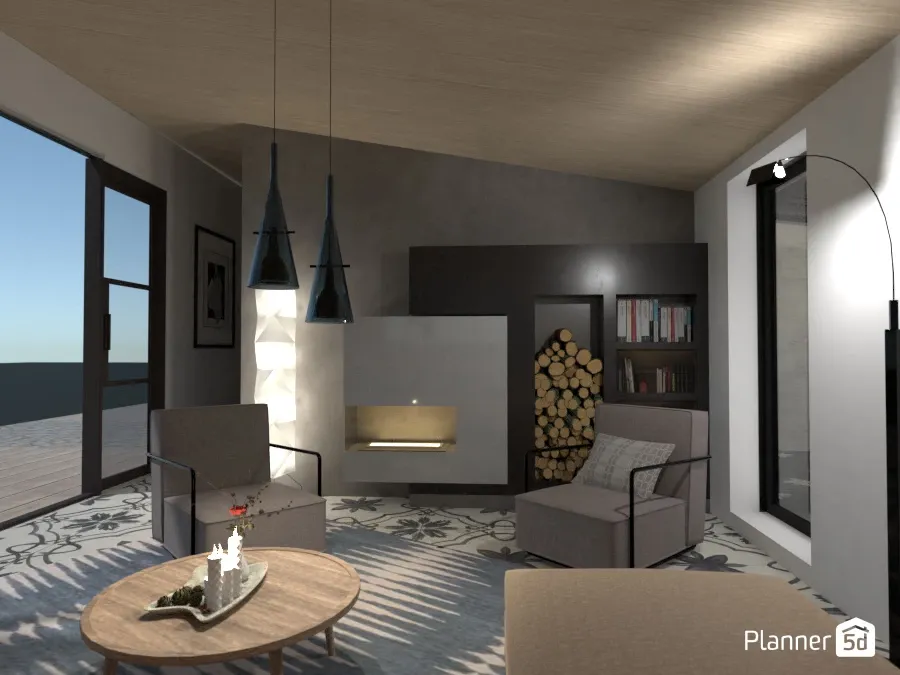
Image credit: @planner5d.com
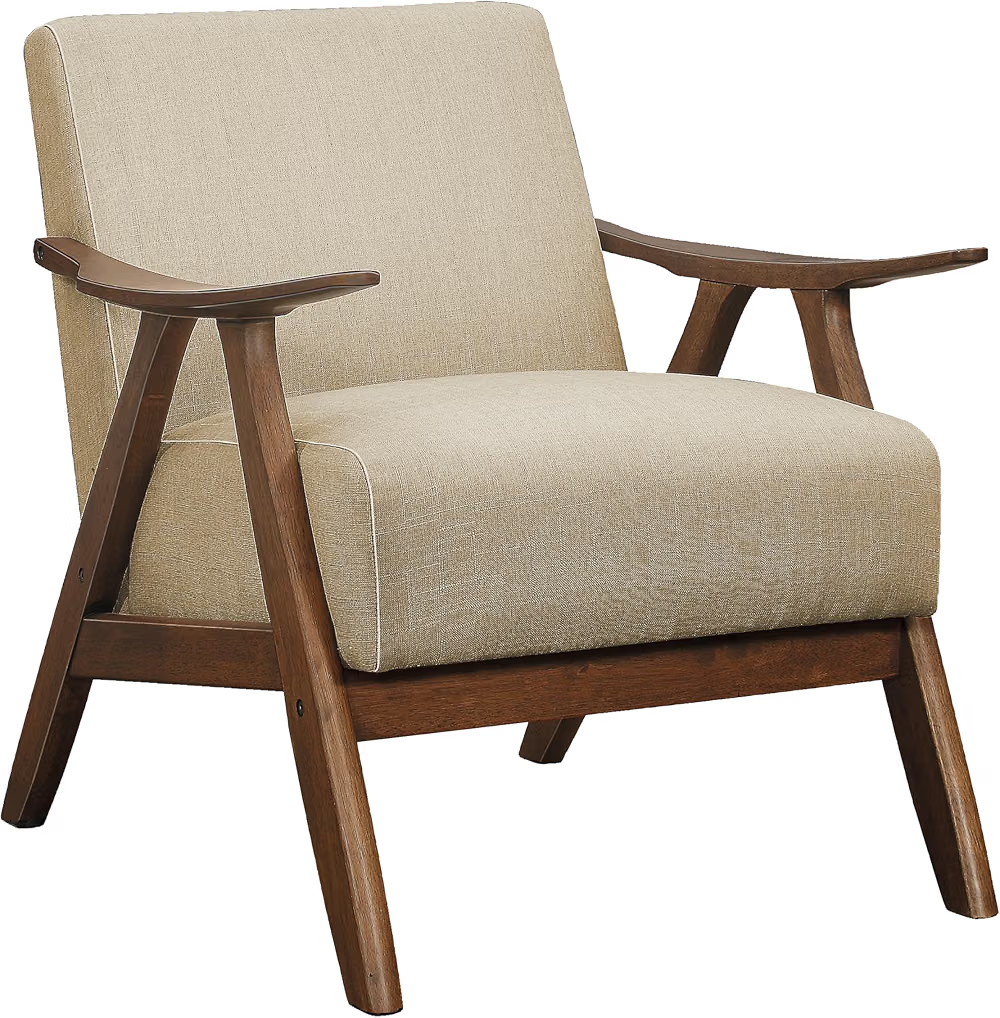
Amazon Find: Colorful Upholstered Accent Chairs
An upholstered accent chair can create a cozy reading corner or add one strong color to a neutral living room. Compare dimensions, comfort, fabric, and assembly requirements.
15. Decorate with Calming Blue Tones and Warm Wood Details
Blue is a versatile choice for a colorful living room because it can feel peaceful, dramatic, or cheerful depending on the shade. Pale blue walls create a soft atmosphere, while navy upholstery adds depth and sophistication. Combining blue with warm wood prevents the space from feeling too cool and gives the room a comfortable, grounded quality.
Try a dusty blue sofa with an oak coffee table, cream curtains, and a patterned rug that contains muted rust or gold accents. A few cushions in different blue shades create a layered effect without introducing too many unrelated colors. Add framed botanical artwork or a ceramic lamp to soften the overall design. Brass or warm metallic details can provide a subtle contrast.
Styling tip: Use a combination of light and dark blues rather than repeating only one shade. A mix of tones gives the room depth and keeps the color palette interesting.

Image credit: @planner5d.com
16. Mix Earthy Orange, Brown, and Gray for a Cozy Modern Look
Orange and gray may seem like an unexpected combination, but they can create a balanced, cozy living room when used thoughtfully. Warm burnt orange or cinnamon tones add energy, while soft gray provides a calmer foundation. Brown leather, natural timber, and woven materials help connect the cool and warm shades for a comfortable modern appearance.
Start with a medium-gray sofa and introduce burnt orange through a textured throw, patterned cushion, or upholstered ottoman. Add a walnut or medium-toned wooden coffee table and a cream-and-rust area rug. For an especially inviting room, include a floor lamp with warm lighting and a few natural accessories, such as pottery or woven storage baskets. Keep the artwork simple but repeat a small amount of orange elsewhere in the space.
Budget tip: If you already have gray furniture, try orange and terracotta pillow covers before making larger purchases. It’s an affordable way to test the combination in your home.

Image credit: @planner5d.com
How to Decorate a Colorful Living Room on a Budget
A colorful living room doesn’t require a full furniture makeover. Many of the most effective improvements come from affordable accessories, secondhand finds, and small creative projects. Focus on one area at a time rather than trying to replace everything in the room.
- Change your pillow covers: Introduce two accent colors to an existing sofa using inexpensive removable covers.
- Rearrange your artwork: Create a coordinated gallery wall using frames and prints you already own.
- Paint a small furniture piece: Refresh a suitable side table or cabinet in a cheerful shade that complements the room.
- Look for secondhand decor: Vintage lamps, ceramics, artwork, and frames can add personality at a lower cost.
- Use a colorful throw: One bold blanket can make a neutral chair or sofa feel more inviting.
- Bring in plants: Suitable houseplants and decorative planters add natural color and texture.
- Update lampshades: A fabric shade or warm-toned lamp can introduce subtle color and more comfortable lighting.
- Repeat your colors: Connect the rug, pillows, and artwork with a few shared shades so inexpensive pieces feel coordinated.
Colorful Living Room Shopping Checklist
Before buying new decor, decide which colors and materials are missing from your space. You don’t need every accessory listed below. Choose the items that will solve an actual decorating problem or make your living room more comfortable.
| Item | Best For | Amazon Search |
|---|---|---|
| Colorful pillow covers | Refreshing a neutral sofa | Explore pillow covers |
| Patterned area rug | Connecting multiple colors | Explore rugs |
| Knitted throw blanket | Adding comfort and texture | Explore throws |
| Colorful wall art | Creating a focal point | Explore wall art |
| Decorative ceramic vases | Adding accent colors to shelves | Explore vases |
| Floor lamp | Warm evening lighting | Explore floor lamps |
| Woven baskets | Cozy texture and storage | Explore baskets |
| Picture frame set | Creating a personal gallery wall | Explore frame sets |
Common Mistakes to Avoid When Decorating with Color
1. Adding Too Many Bright Colors Without Repeating Them
Using different colors on every piece of furniture can make a room feel disconnected. Choose a handful of shades and repeat them across pillows, art, rugs, and smaller objects. A consistent palette helps eclectic decorations feel thoughtfully collected rather than random.
2. Forgetting About Comfortable Textures
A room can look vibrant but still feel uninviting if it lacks softness. Add cushions, blankets, upholstered furniture, and suitable rugs to balance painted walls or glossy accessories. Mix smooth and textured materials for a more relaxed appearance.
3. Choosing a Rug That’s Too Small
A tiny rug beneath a large seating arrangement can make the furniture look disconnected. Measure the sofa and chairs before shopping and aim for a rug that visually anchors the main seating group. Allow enough room for movement around furniture.
4. Ignoring Natural and Artificial Lighting
Paint and fabric colors can change considerably between daylight and evening lighting. Test samples inside your room before committing to large purchases. Use a combination of ambient and task lighting to keep your colorful living room comfortable throughout the day.
5. Filling Every Shelf and Table with Decorations
An eclectic style doesn’t require decorating every available surface. Leave breathing room around colorful pieces so each one remains visible. Use closed storage or baskets for everyday clutter and display only the objects that add meaning or visual interest.
6. Choosing Statement Furniture Before Measuring
A colorful sectional or oversized accent chair might look beautiful online but feel too large in your actual room. Measure the available floor space, doorways, and circulation paths first. A smaller statement chair can introduce just as much personality without compromising comfort.
Safety and Practical Decorating Tips
- Secure tall furniture: Anchor bookshelves, storage cabinets, and other tip-prone furniture as appropriate.
- Hang artwork safely: Use mounting hardware suitable for the wall type and the weight of each frame.
- Choose appropriate rug pads: Make sure rugs remain stable on the existing floor surface.
- Keep heat sources clear: Maintain safe distances around fireplaces, radiators, and heaters.
- Check older furniture finishes: Use appropriate precautions when refinishing antique or previously painted pieces.
- Consider pets and children: Select suitable plants, avoid accessible breakable decorations, and keep cords organized.
Frequently Asked Questions About Cozy and Colorful Living Rooms
1. How do I make a colorful living room feel cozy?
Combine your chosen colors with soft textures, comfortable seating, warm lighting, and natural materials. Use rugs, cushions, throws, and wooden furniture to soften saturated walls or statement upholstery. Repeating a small group of colors helps the room feel harmonious while keeping its personality.
2. What colors make a living room feel warm and inviting?
Terracotta, rust, muted yellow, warm cream, olive green, and rich brown can all create a welcoming atmosphere. These shades work beautifully with natural wood and textured fabrics. You can also make cooler colors, such as blue and gray, feel warmer by combining them with oak furniture, soft lighting, and cozy textiles.
3. Can a small living room handle bright colors?
Absolutely. Small rooms can look beautiful with colorful furniture, artwork, or accent walls. Choose appropriately scaled pieces and maintain clear walkways. If you prefer a lighter appearance, use a neutral foundation and introduce brighter shades through pillows, rugs, curtains, and accessories.
4. How many colors should I use in my living room?
Three main colors are a useful starting point, with neutrals and small accent shades adding variety. However, an eclectic room can include more colors successfully when they are repeated and share compatible undertones. Begin with one dominant color and build the palette gradually.
5. How can I make my living room colorful without painting the walls?
Use colorful pillow covers, a patterned rug, framed artwork, decorative vases, throw blankets, or an upholstered accent chair. These changes are especially useful for renters or anyone who enjoys updating their decor seasonally. You can introduce plenty of personality while keeping the walls neutral.
Recommended Colorful Living Room Finds on Amazon
These decor categories can help you add color, comfort, and personality without replacing every piece of furniture. The links below open Amazon searches rather than individual verified product listings, so review materials, measurements, and care instructions before purchasing.
- Colorful Eclectic Pillow Covers: An affordable way to introduce mustard, teal, rust, or other cheerful accents to your sofa.
- Multicolored Vintage-Inspired Rugs: Useful for anchoring a seating arrangement and connecting several accent colors.
- Colorful Abstract Wall Art: A flexible starting point for creating a personalized living room palette.
Final Thoughts: Make Your Colorful Living Room Feel Like Home
The best cozy and colorful living room ideas combine creative decorating with everyday comfort. A bold sofa, patterned rug, colorful gallery wall, or cheerful painted cabinet can introduce personality, while natural textures, warm lighting, and comfortable seating keep the room welcoming.
Start with the colors you genuinely enjoy and add them gradually through furniture, artwork, cushions, or decorative accessories. Repeat a few shades, experiment with textures, and leave enough open space for the room to function comfortably. With these 16 cozy and colorful living room ideas, you can create a beautiful space that feels creative, relaxed, and unmistakably yours.
