
A restful bedroom isn’t only about soft bedding, calming colors, or beautiful furniture. The way you arrange your bed, nightstands, dresser, and seating can make a big difference in how comfortable and organized the room feels. A thoughtful layout creates space to move around, keeps everyday essentials within reach, and makes your bedroom more enjoyable to use.
These 10 bedroom layout ideas will help you make the most of your room, whether it’s small, rectangular, unusually shaped, or spacious enough for a reading corner. From choosing the right bed position to arranging furniture around windows and doorways, you’ll find practical bedroom layout tips for creating a cozy, uncluttered space that supports your daily routine.
More ideas to explore:
- 22 Forest Bedroom Ideas for the Most Relaxing Sleep of Your Life – Explore natural colors, cozy textures, and peaceful bedroom styling.
- 12 Best IKEA Hacks for Japandi – Find simple furniture and storage upgrades for a calm, minimalist bedroom.
- How to Pick the Perfect Dorm Room Color Scheme – Discover easy color combinations that also work beautifully in compact bedrooms.
- Gallery Wall Layout Ideas and Sizing Rules – Learn how to arrange wall art without overcrowding your bedroom.
Quick List: 10 Bedroom Layout Tips
- Sketch Your Bedroom Floor Plan Before Moving Furniture
- Choose the Right Bed Size and Position
- Arrange a Rectangular Bedroom for Comfortable Movement
- Turn an Empty Bedroom Nook Into a Cozy Reading Corner
- Combine a Bedroom Desk and Nightstand
- Arrange Two Beds Without Making the Room Feel Crowded
- Position Your Bed to Create a Balanced Focal Point
- Choose Furniture That Suits Your Bedroom Size
- Work With the Shape of Your Bedroom
- Plan Around Windows, Doors, and Natural Light
How to Plan a Bedroom Layout That Feels Calm and Comfortable
The best bedroom arrangement begins with the practical details. Before choosing a new headboard or adding a reading chair, consider how you move through the room, where natural light enters, and which furniture pieces you actually use every day.
Your bed should usually receive the most attention, followed by storage and lighting. Once these essentials have comfortable positions, you can decide whether there is enough room for an additional chair, desk, bench, or decorative piece.
Simple Restful Bedroom Layout Formula
Well-Placed Bed + Comfortable Walkways + Accessible Storage + Soft Lighting + Uncluttered Surfaces + Calming Colors
As a planning guideline, aim for roughly 24–30 inches of clearance alongside frequently used furniture where your room allows, with wider main walking paths when possible. These are design guidelines rather than universal code requirements. Make sure doors, closets, and drawers open properly, and keep required exit routes unobstructed.
Bedroom Layout Planning Guide
| Room Type | Layout Approach | Best Furniture Choices |
|---|---|---|
| Small Square Bedroom | Center the bed on a suitable wall or move it slightly off-center for access | Full or queen bed, slim nightstands, compact dresser |
| Long Rectangular Bedroom | Use the shorter wall for the headboard where practical | Narrow dresser, wall lamps, low bench |
| Bedroom With an Alcove | Give the nook one clear purpose | Reading chair, daybed, compact desk |
| Bedroom and Home Office | Create a small work zone beside the bed or near a window | Shallow desk, task chair, drawer organizers |
| Shared Bedroom | Arrange two beds around accessible storage | Twin beds, shared nightstand, under-bed drawers |
| Irregular Bedroom | Anchor large furniture to usable straight walls | Low storage, compact furniture, fitted shelves |
10 Bedroom Layout Ideas for Creating the Perfect Restful Space
1. Sketch Your Bedroom Floor Plan Before Moving Furniture
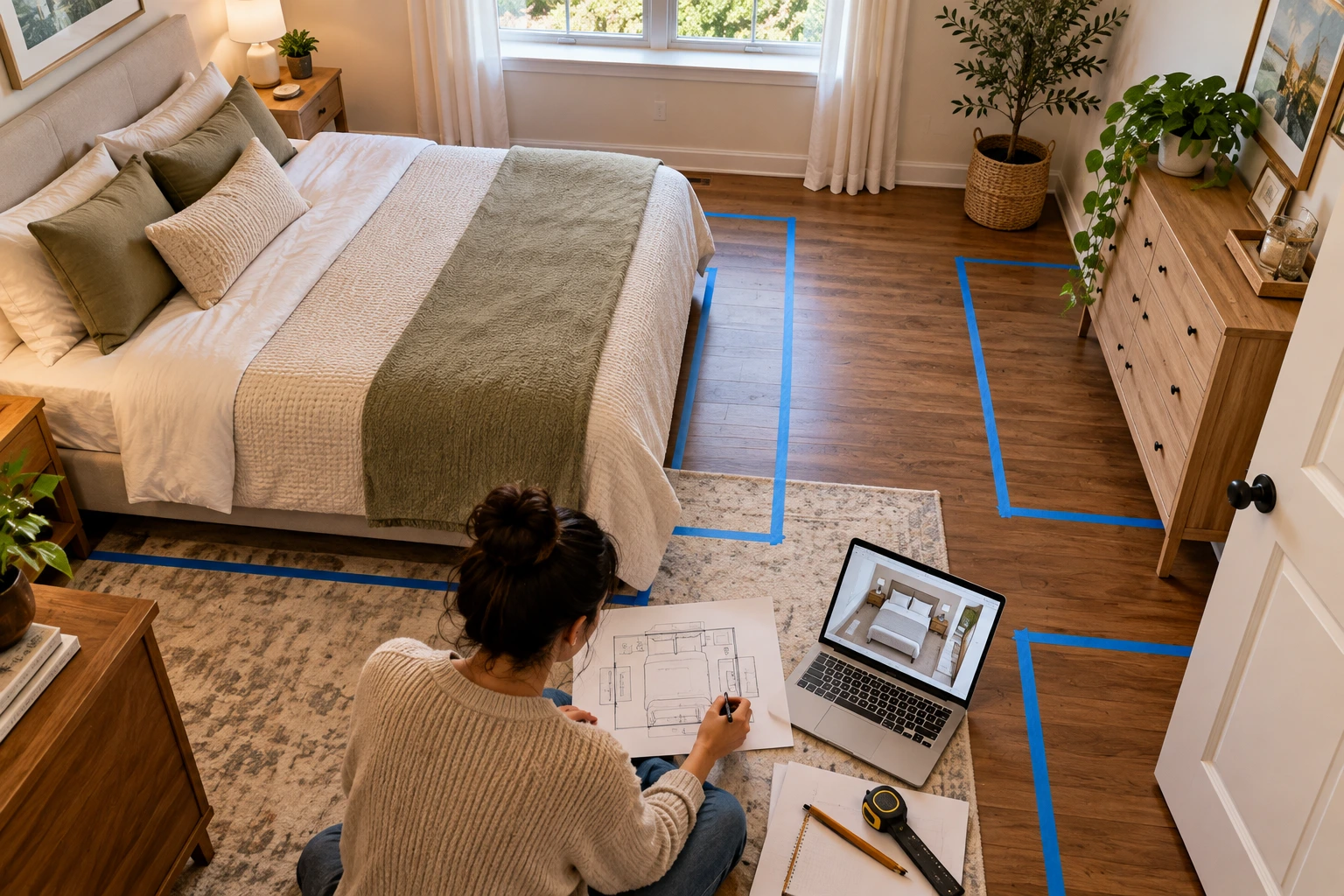
Before moving a heavy bed or buying a new dresser, create a simple floor plan of your bedroom. Seeing the room from above helps you understand how much space is available and which arrangements are most practical. This is especially useful when you’re working with a small or awkwardly shaped bedroom.
Measure the length and width of the room, then mark the windows, doors, closets, and electrical outlets. Draw your existing furniture to scale on paper or use a basic room planning tool. Try placing the bed against different walls to compare how much walking space remains.
Budget tip: Use painter’s tape to mark furniture dimensions directly on the floor. This helps you test a new arrangement before spending money on replacement furniture. Start with the pieces you already own whenever possible.
2. Choose the Right Bed Size and Position
Your bed is usually the largest and most important piece of furniture in the bedroom. Its size and position influence where you can place the dresser, nightstands, lighting, and other accessories. Choosing a bed that’s too large can make the entire room feel crowded, even when the decor is beautiful.
A queen bed often works well for couples when the room has enough clearance, while a full-size bed can be a practical option for smaller bedrooms. Position the headboard against a suitable solid wall and check that there is enough space to walk alongside the mattress and reach any bedside furniture.
Layout tip: Measure the entire bed frame, not just the mattress. Upholstered headboards, extended platforms, and storage drawers can add several inches to the overall footprint.
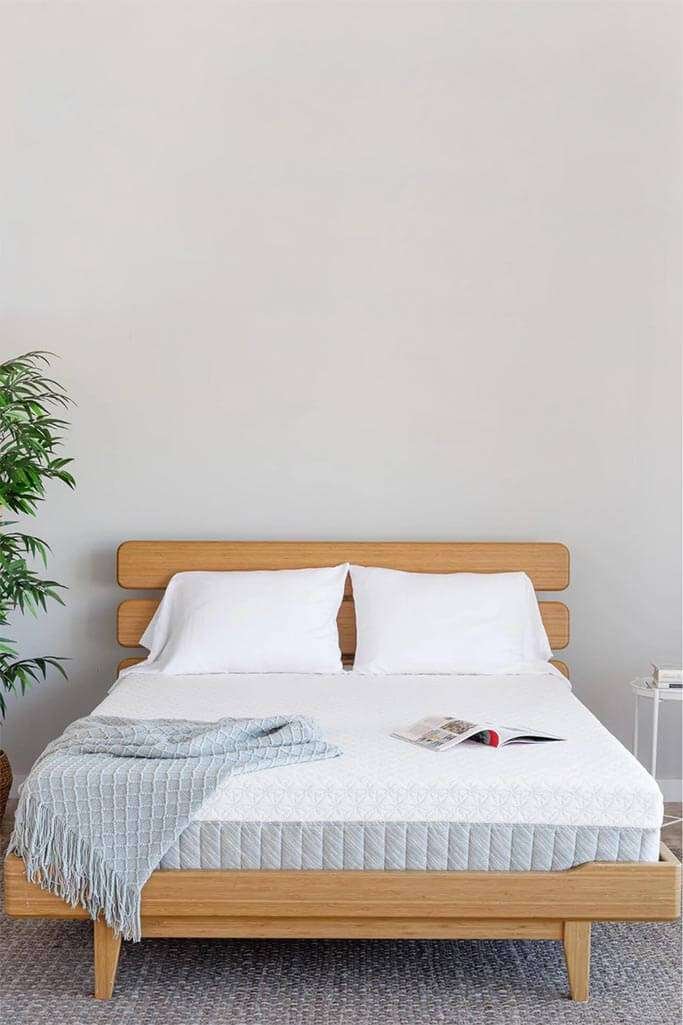
Image credit: @ofhousesandtrees.com
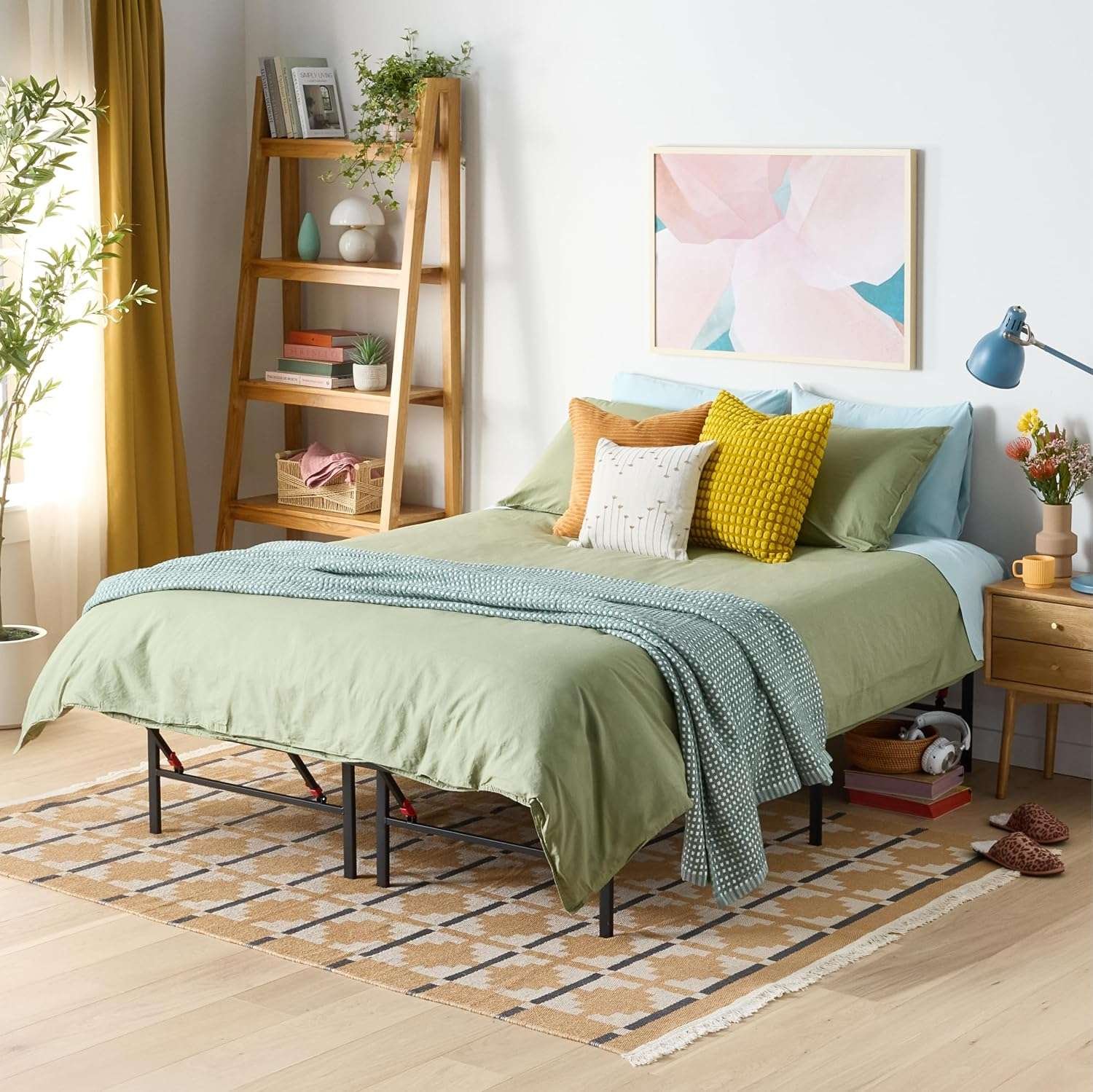
Amazon Find: Low-Profile Platform Bed Frame
A simple platform bed frame can create a clean sleeping area without requiring oversized decorative furniture. Compare frame dimensions, mattress compatibility, support requirements, and weight capacity.
3. Arrange a Rectangular Bedroom for Comfortable Movement
Long rectangular bedrooms can be tricky because placing furniture along the wrong walls may create narrow walking paths. A balanced layout uses the room’s proportions to make the bed feel intentional while keeping the remaining space useful for storage and daily routines.
When the door and windows allow, try placing the headboard against the shorter wall. This can leave room for compact nightstands and create a clear walkway toward the dresser or closet. Choose a narrow chest of drawers rather than a deep dresser if floor space is limited.
Styling tip: Keep large windows visually open with light curtains and position smaller furniture near them when appropriate. Natural light can make a long bedroom feel more balanced without adding extra decoration.
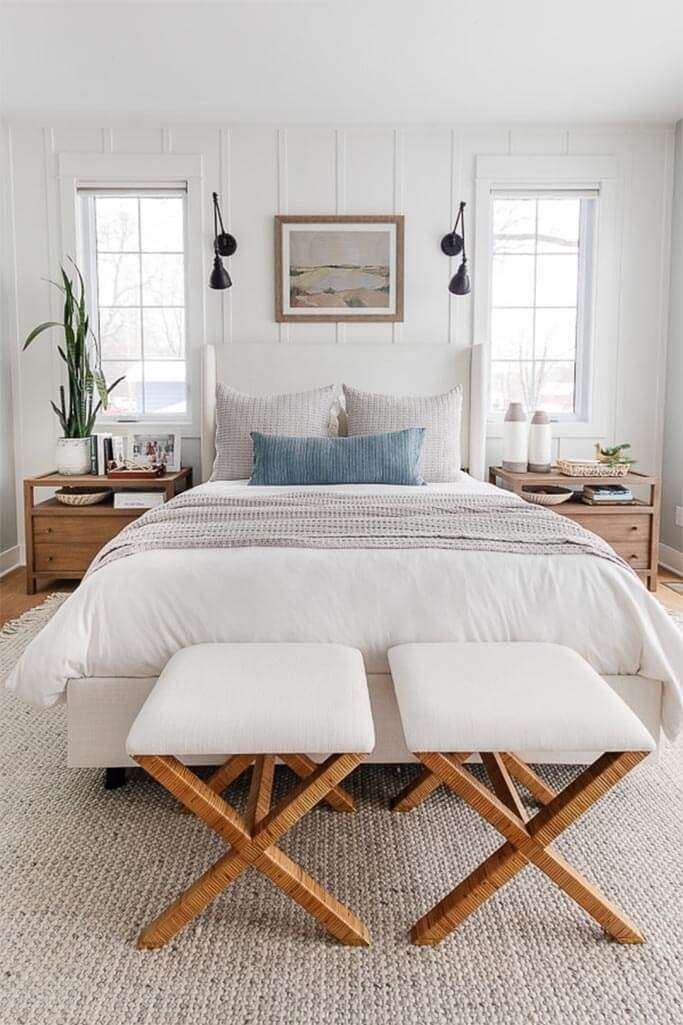
Image credit: @ofhousesandtrees.com
4. Turn an Empty Bedroom Nook Into a Cozy Reading Corner
An alcove or unused corner can become one of the most relaxing parts of your bedroom. Instead of filling it with miscellaneous storage, give the nook a clear purpose. A small sitting area can create somewhere to read, enjoy a morning coffee, or unwind away from the main bed.
Choose a compact upholstered chair and place it beside a narrow wooden side table. Add a floor lamp or properly installed wall light for comfortable reading. A soft throw blanket and small cushion can make the corner feel inviting without taking up much space.
Small-room alternative: If the nook is too narrow for a chair, use it for a low bookshelf or suitable built-in storage. Measure the alcove carefully before purchasing furniture, and keep windows and ventilation unobstructed.
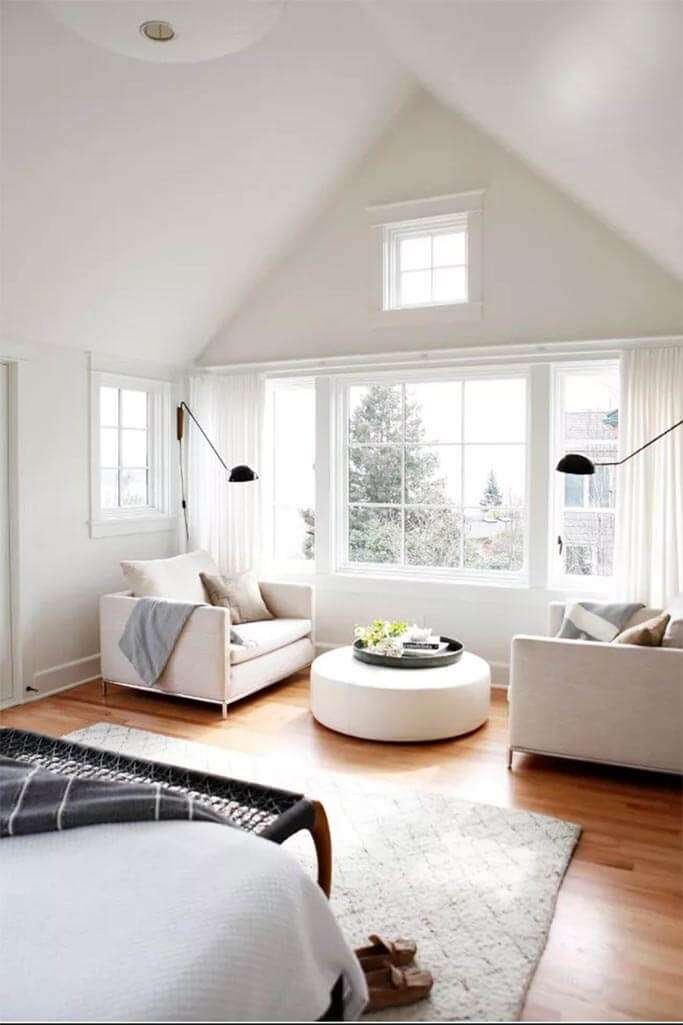
Image credit: @ofhousesandtrees.com
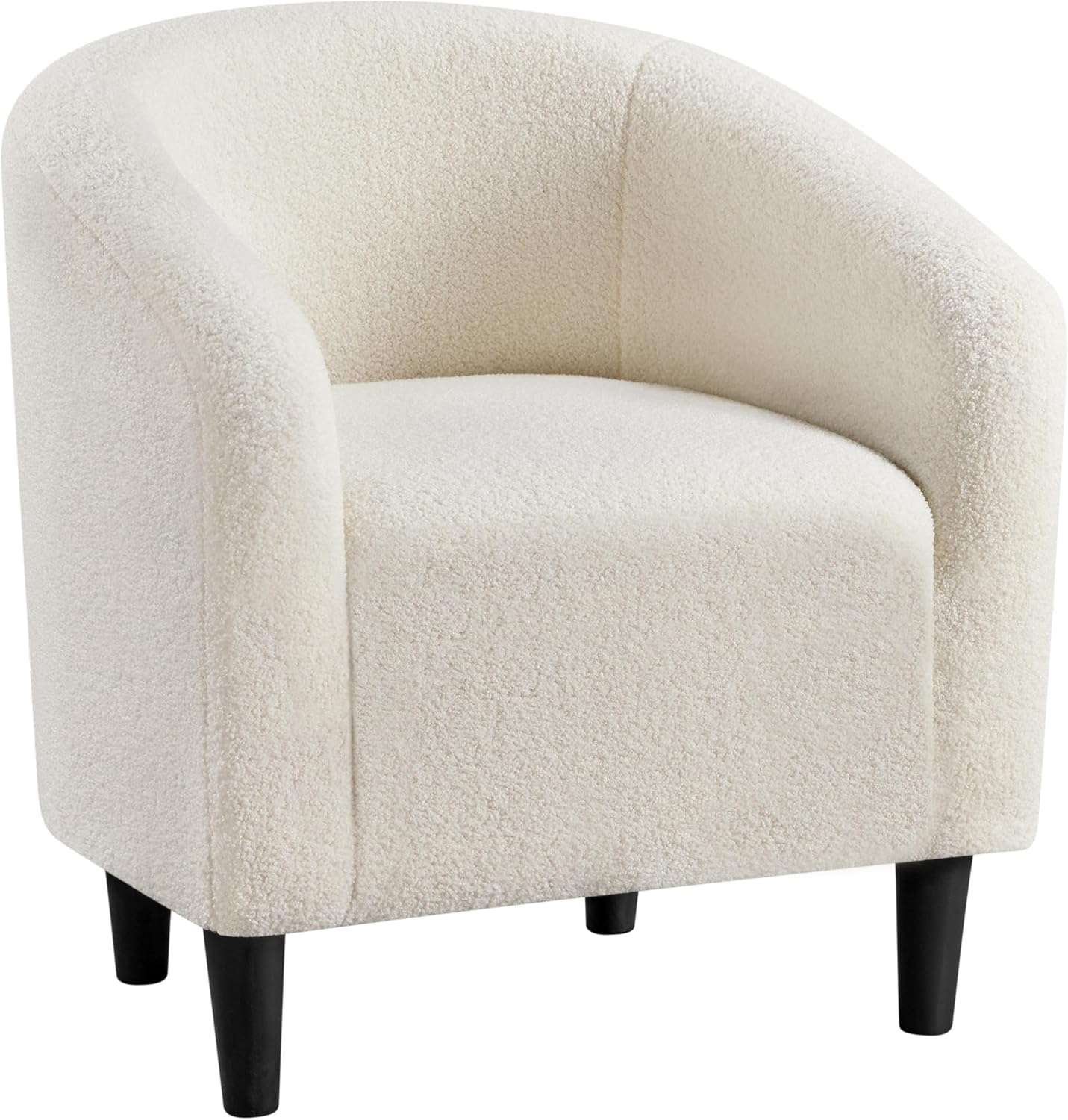
Amazon Find: Small Upholstered Bedroom Accent Chair
A compact accent chair can turn an empty bedroom corner into a comfortable reading area. Choose a design with supportive seating and dimensions that leave room to move around it.
5. Combine a Bedroom Desk and Nightstand
If your bedroom also serves as a workspace, there’s no need to squeeze in a large desk and two separate bedside tables. A compact writing desk beside the bed can perform both functions, saving valuable floor space while giving you a convenient place to work.
Choose a narrow desk with a small drawer and position it beside the headboard. Keep the desktop organized with a simple lamp, a small tray, and only the work items you need regularly. A slim chair that slides beneath the desk will help preserve comfortable movement around the bed.
Restful bedroom tip: Store your laptop, paperwork, and charging accessories out of sight at the end of the workday. Separating work materials from your bedtime routine can help the room feel less like an office.
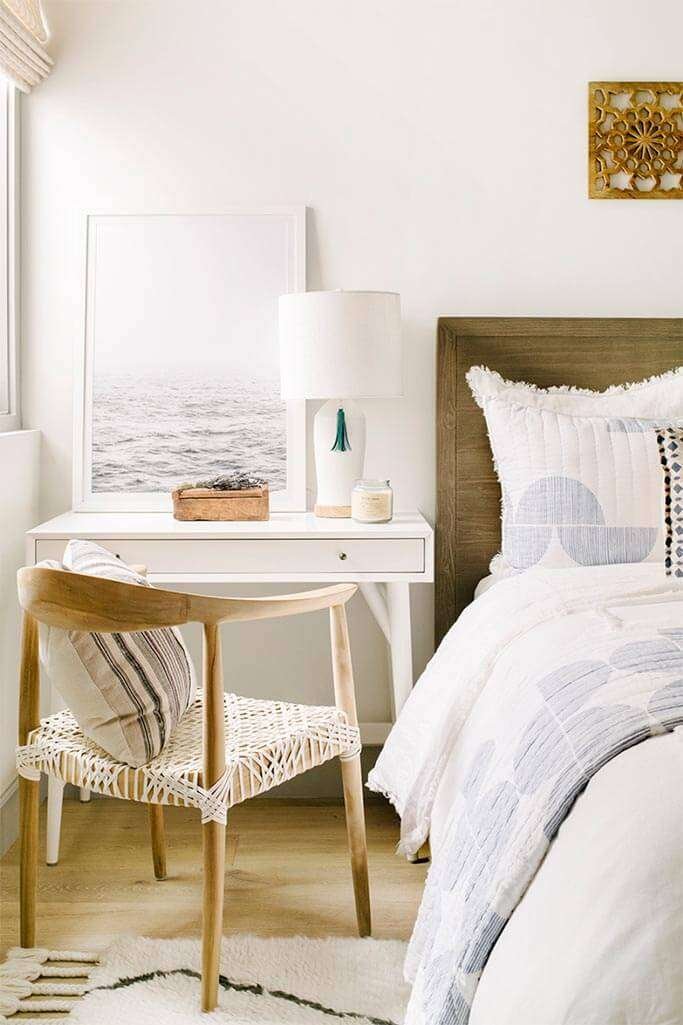
Image credit: @ofhousesandtrees.com
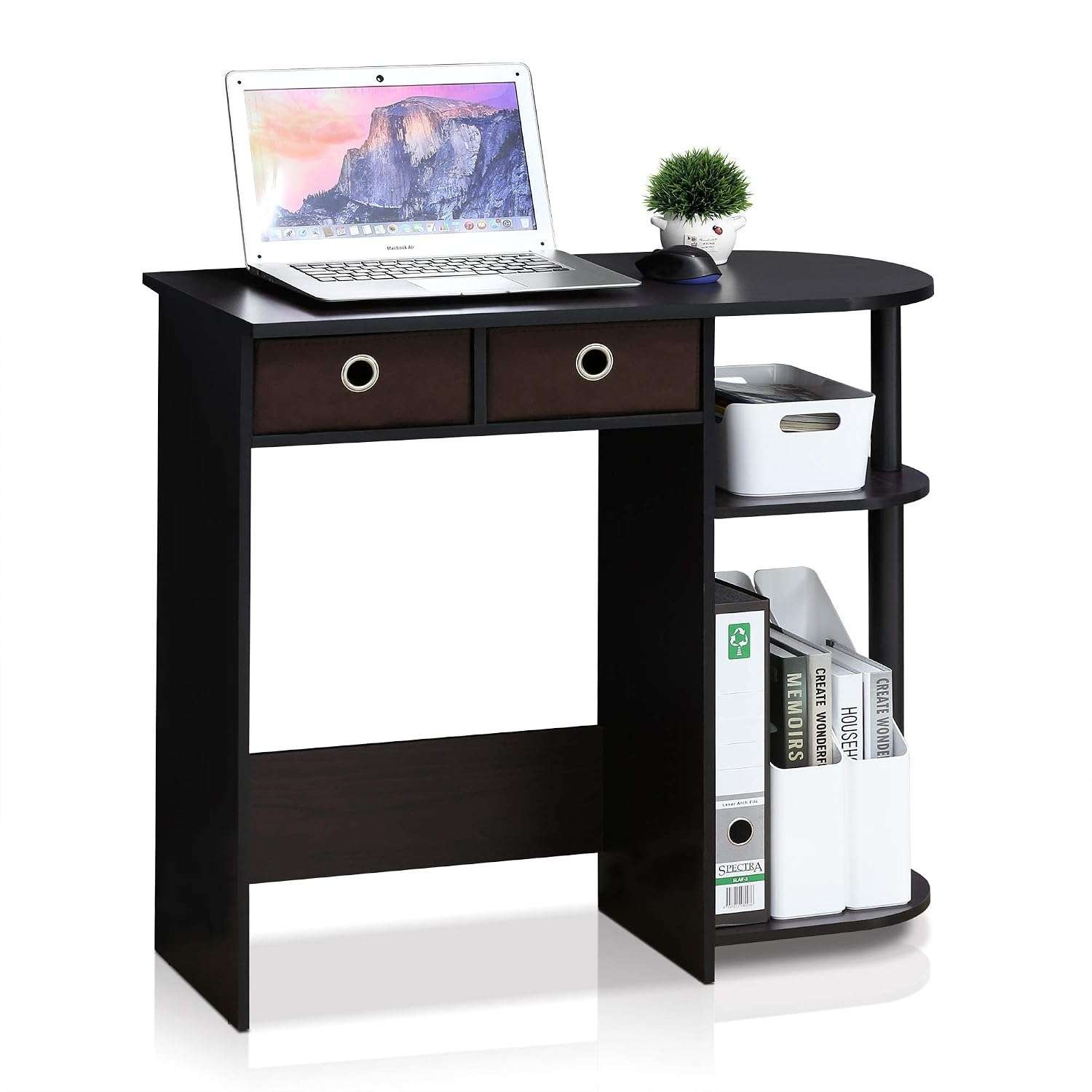
Amazon Find: Compact Writing Desk With Drawers
A small writing desk can double as a nightstand in a bedroom with limited floor space. Look for shallow dimensions, practical storage, and a surface large enough for your everyday essentials.
6. Arrange Two Beds Without Making the Room Feel Crowded
A bedroom with two beds can feel just as sophisticated as a traditional single-bed arrangement. This layout is useful for shared guest rooms, siblings, visiting family, or adults who prefer separate sleeping surfaces. The goal is to provide comfortable access and personal storage while keeping the room visually balanced.
Try placing two twin beds side by side with a shared nightstand between them. If the room is wider, arrange the beds along opposite walls and place a small rug in the middle. Coordinating bedding in cream, muted blue, or sage green can create a calm, unified appearance.
Practical tip: Use beds with under-bed storage when closet space is limited. Leave enough room to access both mattresses comfortably, and avoid placing beds where they obstruct doors or required exits.
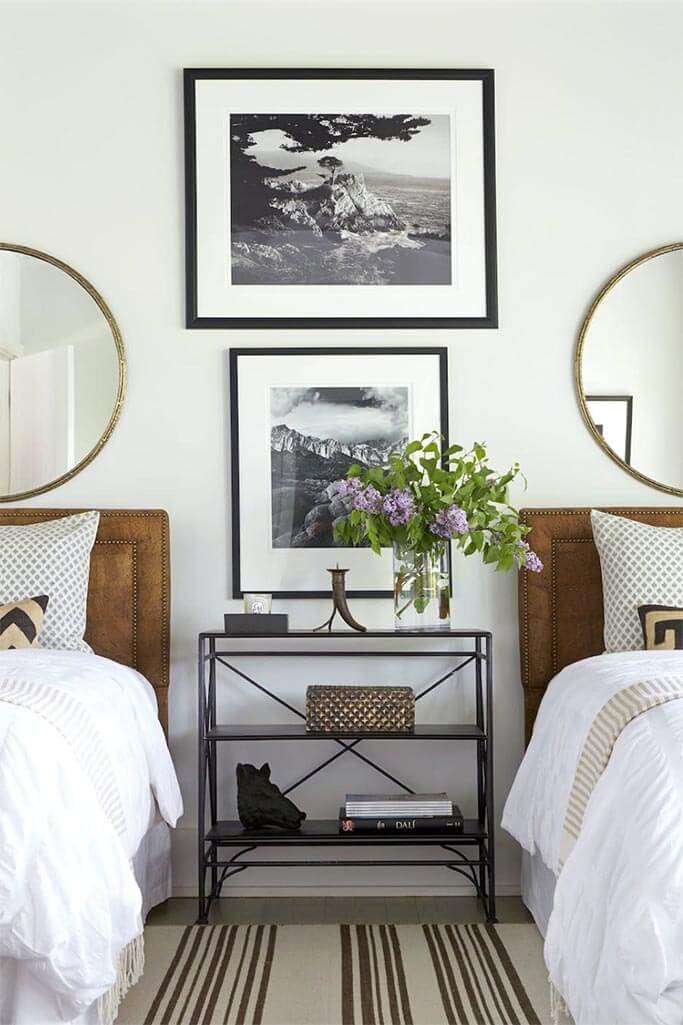
Image credit: @ofhousesandtrees.com
7. Position Your Bed to Create a Balanced Focal Point
A well-placed bed can make the entire bedroom feel more organized. In many rooms, centering the headboard on a main wall creates an attractive focal point and allows the surrounding furniture to be arranged symmetrically. However, the best position also depends on the doorway, windows, and available space.
Try positioning the bed where you can see the entrance without placing it directly in a busy walkway. Add one or two appropriately sized nightstands and keep the headboard visually aligned with the surrounding wall. If the room is too small for symmetry, an off-center bed with one bedside table can still look intentional.
Layout tip: View the proposed arrangement from the doorway before moving furniture. A strong focal point is helpful, but easy access to the bed, closet, and bathroom should come first.
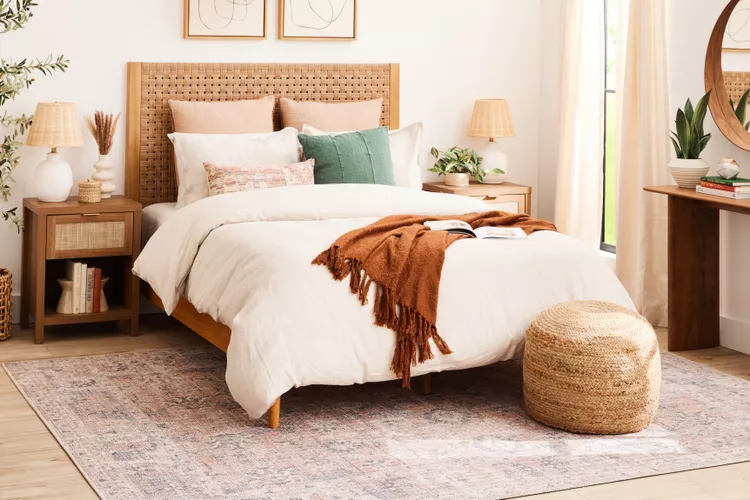
Image credit: @thespruce.com
8. Choose Furniture That Suits Your Bedroom Size
A restful bedroom doesn’t need to contain every possible furniture piece. In a small room, a comfortable bed, accessible storage, and suitable lighting may be enough. Larger bedrooms can accommodate an additional armchair, dresser, bench, or small lounge area without interrupting movement.
For compact bedrooms, choose slim nightstands, wall-mounted lighting, and a dresser with a modest depth. In a medium-sized room, consider adding one comfortable accent chair or storage bench. A spacious primary bedroom may have room for a loveseat or two chairs placed away from the main sleeping area.
Money-saving idea: Remove furniture you rarely use before buying storage organizers. Fewer useful pieces can make the room feel noticeably calmer while reducing the amount of cleaning and maintenance required.
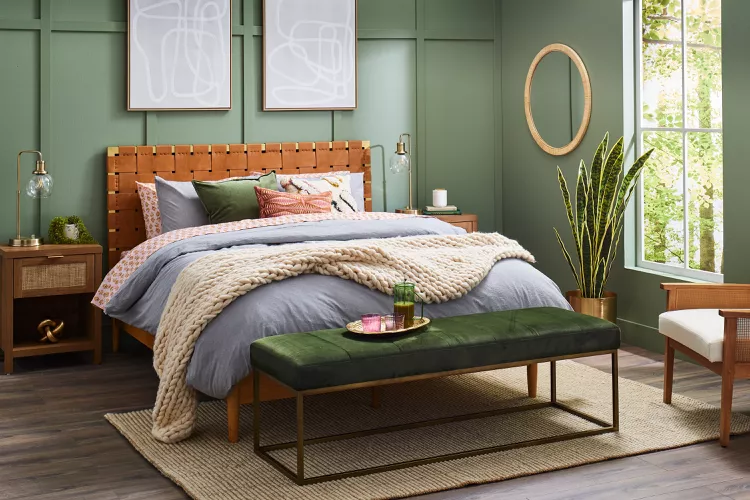
Image credit: @thespruce.com
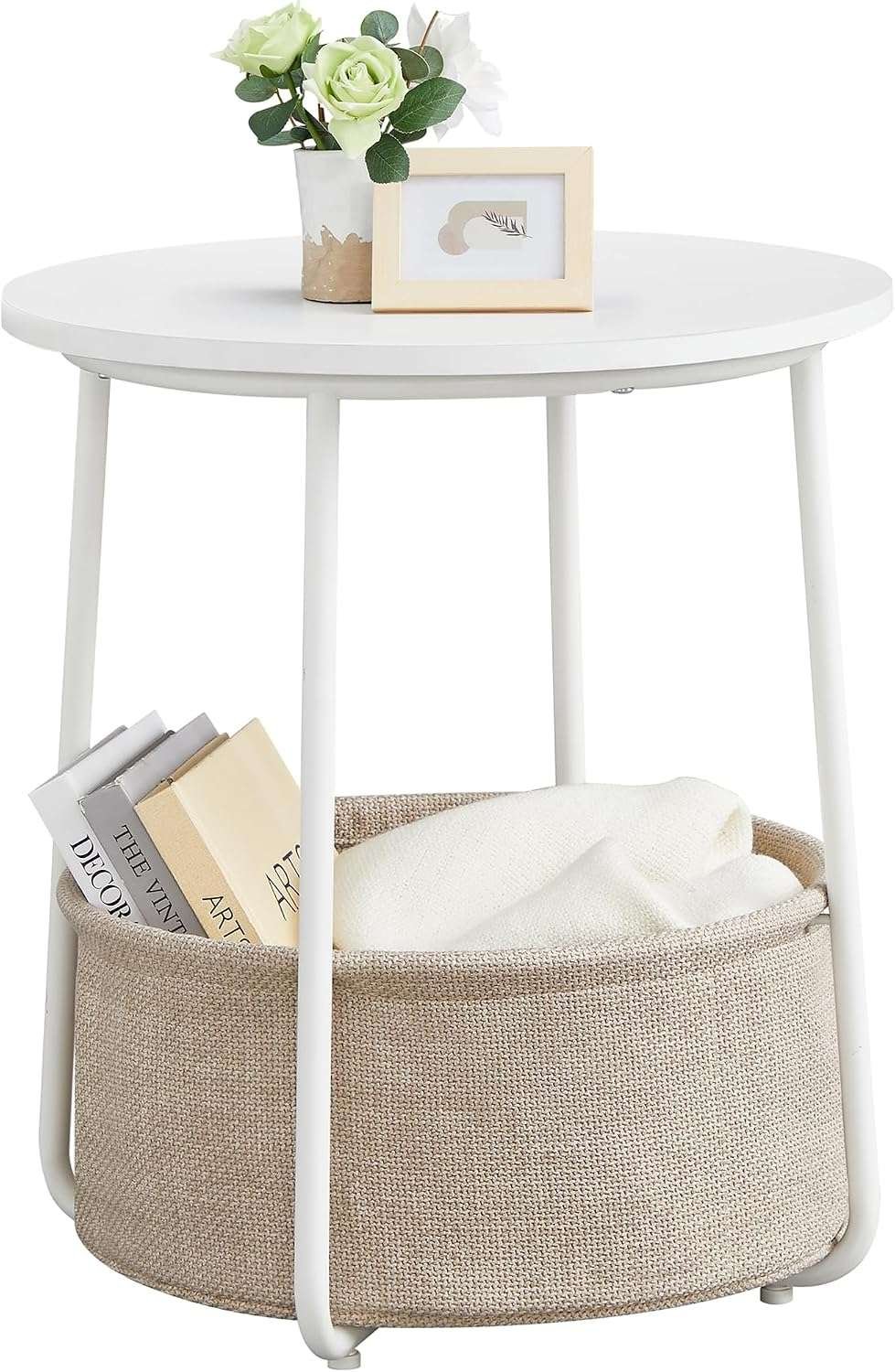
Amazon Find: Slim Bedside Table With Storage
A narrow bedside table provides room for essentials without taking up excessive floor space. Compare storage capacity, table height, and overall width to find a proportionate fit.
9. Work With the Shape of Your Bedroom
Not every bedroom is a perfect square or rectangle. Some rooms have angled walls, sloping ceilings, recessed corners, or uneven proportions. Instead of forcing a symmetrical furniture layout into an unusual space, work with the shape of the room to find the most comfortable arrangement.
Place the bed against the most usable solid wall and position larger storage furniture where the ceiling height and wall shape allow. An awkward alcove may work well for a low dresser or compact desk. Under a sloping ceiling, choose lower furniture and avoid locations where people could hit their heads while standing up.
Styling tip: Keep the main wall colors consistent throughout an irregular room. Simple bedding, matching furniture finishes, and a thoughtfully sized rug can help visually connect unusual corners.
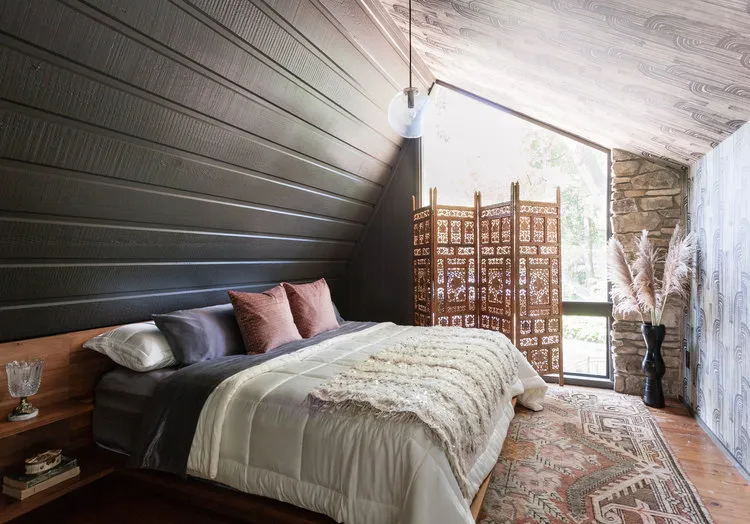
Image credit: @thespruce.com
10. Plan Around Windows, Doors, and Natural Light
Windows and doors should guide your bedroom layout rather than become obstacles you work around at the last minute. A thoughtful arrangement allows natural light into the room, keeps furniture accessible, and avoids awkward walking paths beside the bed or dresser.
Try keeping tall wardrobes on walls without large windows. Position the bed where it won’t interfere with door swings or necessary window access. If a window is the only practical location for the headboard, choose a low bed frame and window treatments that allow the window to be opened and used safely.
Practical tip: Consider blackout curtains or shades if exterior lighting enters the room at night. Make sure furniture doesn’t cover ventilation, heating equipment, or required emergency escape openings.
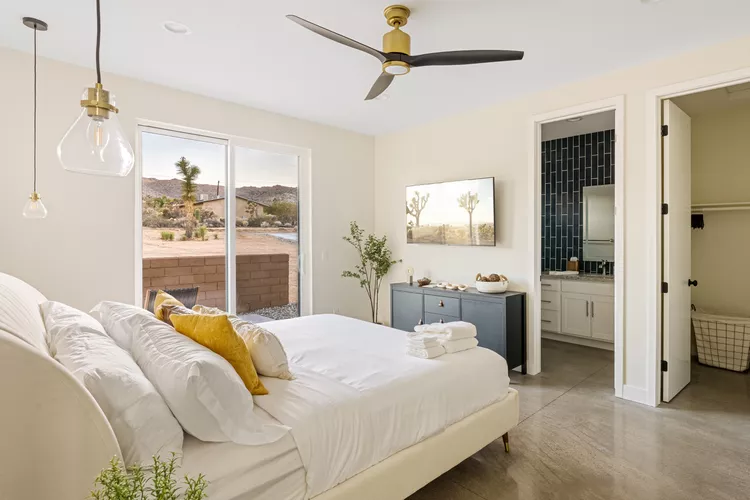
Image credit: @thespruce.com
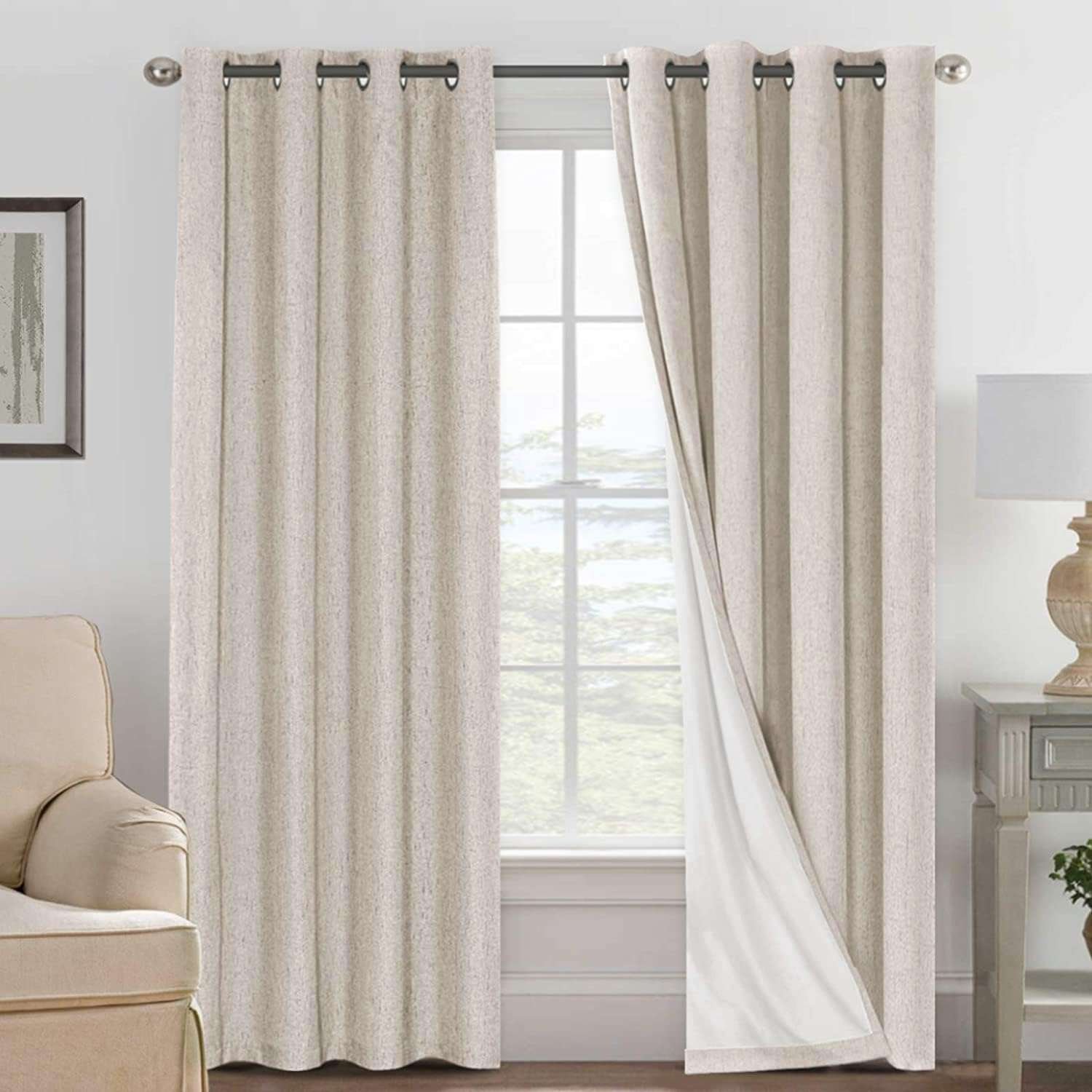
Amazon Find: Neutral Blackout Bedroom Curtains
Blackout curtains can reduce unwanted exterior light while adding a soft decorative finish to the bedroom. Choose a size and hanging system suited to your window and wall construction.
Bedroom Layout Shopping Checklist
Before purchasing new bedroom furniture, check the dimensions and condition of the pieces you already own. A small layout adjustment may solve your biggest problem without requiring a complete makeover.
| Item | Best For | Amazon Search |
|---|---|---|
| Platform bed frame | Creating a simple sleeping focal point | Browse bed frames |
| Slim nightstand | Compact bedside organization | Browse nightstands |
| Small writing desk | Combining work and bedside functions | Browse desks |
| Compact accent chair | Creating a reading nook | Browse chairs |
| Under-bed storage bins | Organizing extra linens and seasonal clothes | Browse storage bins |
| Blackout curtains | Reducing unwanted light | Browse curtains |
Best Color Palettes for a Restful Bedroom
- Warm White + Oatmeal + Light Oak: Creates a bright, natural bedroom with a simple Scandinavian feel.
- Sage Green + Cream + Walnut: A cozy, nature-inspired combination that pairs beautifully with wooden furniture.
- Dusty Blue + Soft Gray + Ivory: A cool, understated palette suited to bedrooms with generous natural light.
- Greige + Taupe + Warm White: A flexible neutral combination that works well in modern and traditional bedrooms.
- Terracotta + Sand + Chocolate Brown: Adds warmth and comfort to bohemian or rustic bedrooms.
Color planning tip: Keep larger surfaces relatively simple and introduce stronger colors through cushions, artwork, or one decorative throw. This makes the room easier to update without changing your furniture or wall paint.
Common Bedroom Layout Mistakes to Avoid
Choosing a Bed That’s Too Large
An oversized bed can leave little room for walking, storage, and comfortable access. Measure the entire frame and compare it with the usable floor area. Choose the largest bed that comfortably fits your needs while preserving necessary pathways.
Blocking Closet Doors and Drawers
A bedroom layout may look balanced but become frustrating when dresser drawers or closet doors cannot open fully. Check clearances before moving furniture into place. Consider narrower storage furniture or a different bed position if access is restricted.
Adding Too Many Furniture Pieces
Extra benches, large chairs, multiple side tables, and decorative cabinets can make a bedroom feel crowded. Start with essential furniture and introduce other pieces only when they serve a useful purpose. Leaving some floor space open is often more beneficial than filling every corner.
Relying on One Bright Ceiling Light
A single overhead fixture may leave the bedroom feeling harsh or unevenly lit. Combine general lighting with bedside lamps or appropriate wall lights. Warm, adjustable lighting makes the room more comfortable for reading and evening routines without creating unnecessary glare.
Ignoring Furniture Stability and Clear Exits
Tall dressers and bookcases should be anchored according to their manufacturers’ instructions. Keep necessary door and window access unobstructed and avoid placing unstable shelving or heavy unsecured objects above sleeping areas. A beautiful layout should also be practical and safe.
Frequently Asked Questions About Bedroom Layout Ideas
Where is the best place to put a bed in a bedroom?
A bed often works well with its headboard against a suitable solid wall, where there is enough room for access and bedside furniture. The best position depends on the room’s shape, door location, and windows. Prioritize comfortable movement, storage access, and a clear exit path.
How should I arrange furniture in a small bedroom?
Begin with the bed and choose compact storage that fits the remaining space. Slim nightstands, wall-mounted lighting, and under-bed storage can reduce the need for additional furniture. Keep the main walking path clear and avoid placing decorative pieces where they interfere with everyday activities.
Can I put my bed in front of a window?
Yes, if the layout requires it and the window can still be accessed and used safely. Choose an appropriately sized headboard and window treatment. Avoid blocking required emergency escape windows, ventilation, or access needed for cleaning and maintenance. Consider how daylight and outdoor noise affect the sleeping area.
How do I arrange a rectangular bedroom?
Try placing the headboard against the shorter wall when the doorway and window positions allow. This can create comfortable walking space alongside the bed. Use narrower storage furniture and keep frequently used pieces accessible. Test alternative arrangements if the room has unusually placed doors or closets.
What makes a bedroom layout feel more restful?
Comfortable access to the bed, practical storage, soft lighting, and uncluttered surfaces can help a bedroom feel calmer. Choose furniture proportional to the room and avoid unnecessary pieces. Window coverings that provide suitable light control and bedding that feels comfortable to you also contribute to a welcoming sleeping environment.
Recommended Finds for a Comfortable Bedroom Layout
These useful accessories can help make a bedroom more comfortable and organized without requiring a complete furniture replacement.
- Slim Nightstands With Drawers: Provide practical bedside storage without taking up too much floor space.
- Warm Bedside Table Lamps: Add comfortable lighting for reading and winding down in the evening.
- Under-Bed Storage Containers: Organize spare linens and seasonal clothing while keeping visible surfaces clear.
Final Thoughts: Create a Bedroom Layout That Helps You Relax
A beautiful bedroom starts with a layout that makes everyday life easier. The right bed position, comfortable walking paths, practical furniture, and carefully chosen lighting can make a room feel welcoming without needing an expensive makeover. Even a small bedroom can become a peaceful retreat when each piece has a clear purpose.
Start with one of these bedroom layout ideas that addresses your biggest problem. You might move the bed to a better wall, replace a bulky nightstand with a compact desk, or turn an unused corner into a reading spot. Focus on comfort, organization, and the amount of space you actually have. A thoughtful arrangement can create a restful bedroom that feels personal and easy to enjoy every day.
